Last updated November 17, 2026


Free written scope consultation - allowances, timeline, and change-order rules on paper before a single trade is scheduled
How Long Does Kitchen Remodeling Take? Timelines and What to Expect
The average kitchen remodel takes 6 to 12 weeks on paper. In practice, homeowners report it stretching to 4 to 6 months. The gap almost always traces back to one missing document: a sequenced, trade-by-trade schedule issued before demo day. A kitchen doesn’t run long because the work is hard. It runs long because nobody wrote down what happens on which day, and who is responsible when a day slips. This guide treats the timeline as a contract document, not an estimate. You’ll learn the hard phase durations, which milestones in Mission Viejo require a city inspection, and how to put a schedule in writing so any contractor can be held to it.
Quick Answer
A typical kitchen remodel takes 6 to 12 weeks of active construction, plus cabinet and countertop lead times that run 3 to 10 weeks before install can begin. Most homeowners should plan on 3 to 5 months from demo day to final walkthrough, depending on cabinet grade, permit turnaround, and how fast selections are finalized. The single biggest factor is whether the schedule was written down and sequenced before work started.
Styles & brands we work with
- Kitchen remodeling
- Bathroom remodeling
- Home additions & ADU
- Roofing
- Windows & doors
- Driveway & pavers
- Fence
Table of Contents
- The Real Phases of a Kitchen Remodel, With Durations
- Why Cabinets and Countertops Drive the Schedule
- Mission Viejo Inspections: Which Milestones Stop the Clock
- Contractor Delays vs. Homeowner Delays: Who Owns the Calendar
- A Sample Week-by-Week Schedule You Can Hold Anyone To
- How Mission Viejo Weather and Housing Stock Affect Timelines
- Punch List and Closeout: What “Done” Actually Means
The Real Phases of a Kitchen Remodel, With Durations
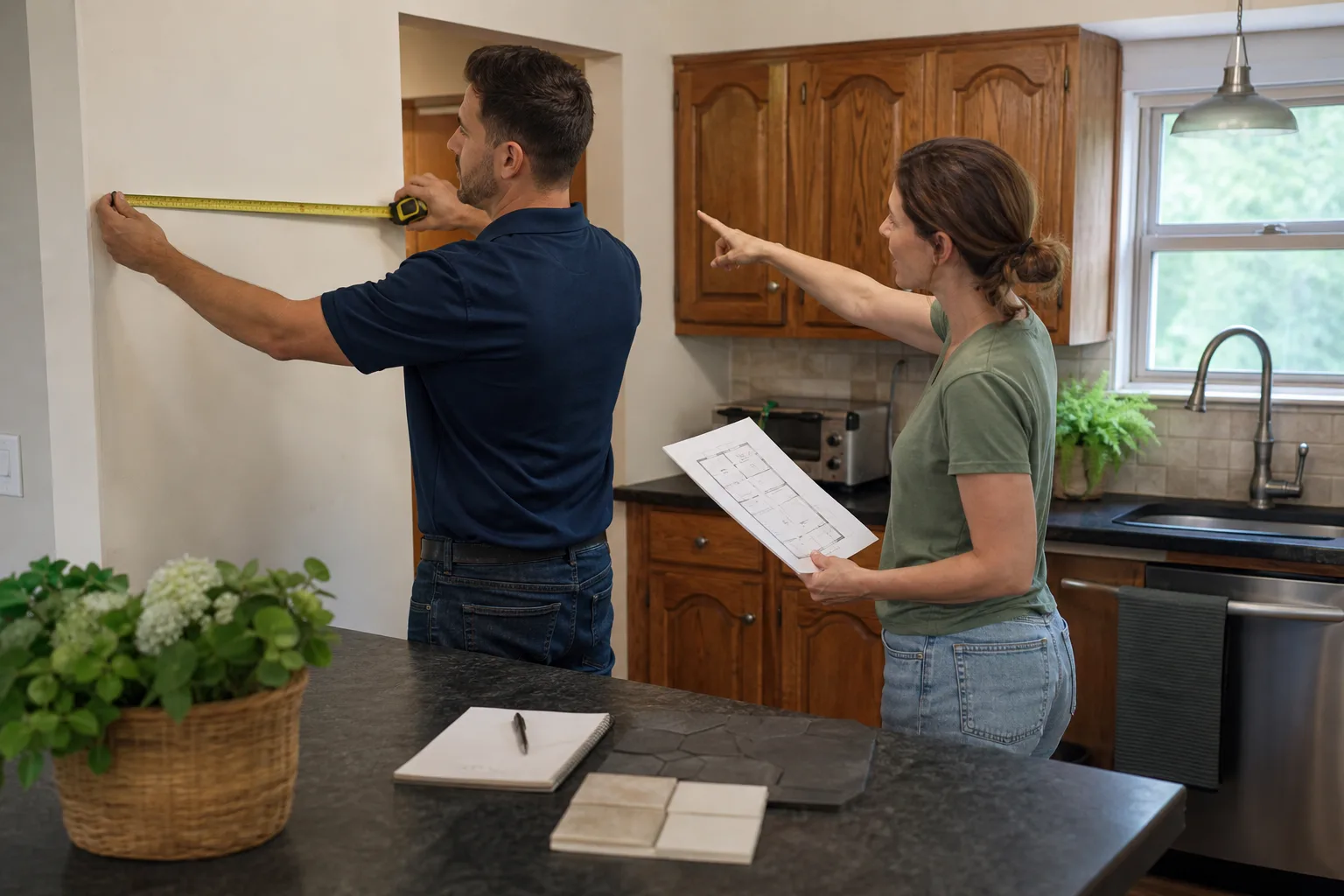
A kitchen timeline broken into hard phases looks very different from a contractor’s handshake promise of “about eight weeks.” Each phase has a floor and a ceiling, and the ceiling is what you should schedule against. Here are the phases we sequence on every kitchen remodeling in Mission Viejo project, with realistic durations.
Phase-by-phase durations
- Demo and site protection (1-2 days). Cabinets, counters, flooring, and appliances come out. Dust barriers go up. If there’s asbestos or lead in an older Mission Viejo home, testing adds 2-5 days before demo can legally start.
- Rough-in trades (3-7 days each). Plumbing rough-in, electrical rough-in, and HVAC work run sequentially, not all at once. “Rough-in” means the pipes and wires are in the wall before drywall closes it up.
- Inspection hold (1-3 days per inspection). Rough trades get inspected before drywall. This is dead time you cannot compress.
- Insulation and drywall (3-5 days). Includes taping, mudding, and drying time between coats.
- Cabinet install (2-4 days). The single hardest trade to rush without visible damage.
- Countertop template to install (5-10 days). Templating happens after cabinets are set. Fabrication happens off-site.
- Tile, paint, and finish trades (5-8 days). Backsplash, flooring, paint, trim.
- Fixture and appliance set (2-3 days). Faucets, disposal, lighting, appliances.
- Final inspection (1-2 days).
- Punch list (2-5 days). The last 5% that a serious contractor closes before asking for the final check.
Add the active labor days up and you land around 6 to 9 weeks of on-site work. The stretch to 12 weeks or more comes from sequencing gaps, not from trades working slowly.
Why Cabinets and Countertops Drive the Schedule
Homeowners assume labor is the bottleneck. It isn’t. Cabinets and countertops are the critical path, meaning the longest lead-time items that everything else waits on. A crew that installs fast doesn’t help if the cabinets show up three weeks after demo.
Typical lead times you should lock in writing
- Stock cabinets: 2-4 weeks.
- Semi-custom cabinets (KraftMaid, Wellborn): 4-8 weeks.
- Custom cabinets: 8-12 weeks.
- Countertop fabrication (Cambria, Caesarstone quartz): 5-10 days after template, longer if the slab needs to be sourced.
The rule we won’t break: cabinet orders go in the day the written price is signed, not the day demo starts. If a contractor wants to start demo before cabinets are ordered, that’s the first sign the schedule was never written. A documented, sequenced schedule shows the order date, the delivery window, and the install window side by side. If you’re choosing between contractors, ask each one for the actual order date they intend to submit. The answer tells you whether they plan or improvise.
How to lock these in before demo day
- Confirm cabinet brand, door style, and finish in writing.
- Get the manufacturer’s estimated lead time in the quote.
- Place the order with a written delivery window, not a verbal “about six weeks.”
- Schedule countertop templating for 1-2 days after cabinet install completes.
- Confirm slab availability before cabinets arrive so fabrication isn’t waiting on material.
Mission Viejo Inspections: Which Milestones Stop the Clock
In Mission Viejo, a kitchen remodel that moves plumbing, electrical, or gas lines requires permits and inspections. Skipping them creates a paper trail problem when you sell, and it voids manufacturer warranties on appliances wired to non-permitted circuits. Here are the milestones that trigger an inspection, and what a failed inspection costs you in calendar days.
Inspections that usually apply
- Rough plumbing and electrical (before drywall): 1 inspection, 1-3 days of clock time.
- Gas line changes: separate inspection, 1-3 days.
- HVAC or hood vent changes: 1 inspection, 1-3 days.
- Final inspection (after finishes, before closeout): 1-2 days.
A failed inspection typically adds 3 to 10 calendar days: the correction, a re-inspection request, and the inspector’s return window. The most common correction in older Mission Viejo kitchens is undersized electrical for modern appliance loads. Bathroom-adjacent kitchen work can also trigger plumbing updates if the two share a wall, which is why we cross-check the bathroom remodeling in Mission Viejo scope before opening a wall.
Two rules keep inspections from eating the schedule. First, permits are pulled before demo, not after. Second, the rough-in layout gets confirmed with the inspector’s typical requirements in hand before the wiring goes in, because a correction at rough-in costs a day and a correction after drywall costs a week. Ask your contractor for the permit number and the inspection schedule in writing. If they can’t produce either, you’re not working with a by-the-book operator.
Contractor Delays vs. Homeowner Delays: Who Owns the Calendar
Every delay has an owner. The single most valuable thing you can add to a kitchen contract is a clause that names who is responsible for each category of delay. Without it, the contractor blames you, you blame the contractor, and the calendar drifts with nobody accountable.
Contractor-owned delays (their responsibility)
- Crew no-shows or late starts.
- Wrong material orders, wrong cabinet sizes, wrong finish.
- Failed inspections caused by code violations or undersized work.
- Unsequenced trades waiting on each other.
Homeowner-owned delays (your responsibility)
- Tile, fixture, or paint selections made after the deadline on the schedule.
- Changes to scope after demo starts (moving the sink, adding a wall).
- Late decisions on appliance models that affect rough-in placement.
- Payment delays holding up the next trade.
The contract language that works is simple: “Contractor will deliver the written schedule with the signed price. Any delay caused by contractor scheduling, material ordering, or inspection failure will be corrected at contractor cost. Any delay caused by homeowner selections made after the date listed in the schedule will extend the completion date by the number of days of the delay.” That single sentence shifts accountability where it belongs and removes the most common argument in kitchen remodels.
A Sample Week-by-Week Schedule You Can Hold Anyone To
Use this as a template. Any contractor worth hiring will produce something close to it in writing before you sign. If they won’t, you’ve learned what you need to know.
Sample 10-week schedule (active construction)
- Week 0: Signed written price, permits pulled, cabinet order submitted, countertop slab confirmed.
- Week 1: Demo (1-2 days). Plumbing and electrical rough-in starts.
- Week 2: Rough-in trades finish. Rough inspection scheduled.
- Week 3: Inspection passed. Insulation and drywall installed. Drying time.
- Week 4: Drywall finished and painted. Cabinet delivery confirmed for next week.
- Week 5: Cabinet install (2-4 days). Countertop templating day 1-2 after install completes.
- Week 6: Countertop fabrication. Tile and backsplash prep in parallel where possible.
- Week 7: Countertop install. Backsplash tile, flooring.
- Week 8: Paint, trim, fixture and appliance set.
- Week 9: Final inspection. Punch list start.
- Week 10: Punch list closeout. Walkthrough. Written 365-Day Done Right Promise delivered in hand.
Print it. Tape it to the fridge. Ask for a weekly update against it, in writing, every Friday. A contractor who plans will welcome the question. A contractor who doesn’t will get defensive, and that’s information too.
How Mission Viejo Weather and Housing Stock Affect Timelines
Mission Viejo’s climate is mild, which helps. You’re not fighting frozen ground or monsoon season. But the local housing stock adds its own schedule pressure. Many Mission Viejo homes built in the 1970s and 1980s are hitting the age where kitchen electrical panels, galvanized plumbing, and old venting need updating once the walls open. A kitchen that starts as a cosmetic refresh can become a code-compliance project the day demo reveals the wiring.
Two local patterns we plan around. First, summer heat in Mission Viejo pushes interior trades to early starts, which means the trades that need the coolest hours get priority on the calendar. Second, the tract-home layouts across neighborhoods like those off Alicia Parkway and near Lake Mission Viejo often share wall assemblies between kitchen and adjacent rooms, so a permitted scope sometimes needs a second look at what’s behind the shared wall before the schedule is final. Getting a licensed general contractor in Mission Viejo to walk the space before writing the price is how those surprises stay off the calendar instead of on it.
Punch List and Closeout: What “Done” Actually Means
The last 5% of a kitchen remodel is where most contractors lose the schedule. Punch list items pile up because the crew has already moved to the next job. A disciplined closeout looks like this.
- Final inspection passed and permit signed off.
- Punch list written and dated, with each item assigned to a trade and a date.
- Every punch item corrected and confirmed by the homeowner, not the crew.
- Site cleaned, debris hauled, floors protected until the last day.
- Written guarantee delivered in hand, with the coverage terms spelled out.
What “squared away” looks like at closeout: a clean site, a documented scope that matches what was built, and a signed written guarantee in your hand. Every Bradford Remodeling project closes with the 365-Day Done Right Promise: if the work fails within a full year of completion, we return and correct it at no charge. That guarantee is in writing because a verbal promise isn’t a guarantee.
Common Mistakes to Avoid
- Starting demo before cabinets are ordered. This single mistake stretches most kitchen timelines by 3-6 weeks. The order date belongs in the written schedule, not in a verbal “we’ll get to it.”
- Letting the contractor hold the permit, and never asking for the number. In Mission Viejo, an unpermitted kitchen creates a disclosure problem at resale. Ask for the permit number the day it’s pulled.
- Making selection decisions after demo starts. Late tile or fixture choices are homeowner-owned delays, and they push the whole calendar back one week per late decision on average.
- Accepting a schedule as a verbal promise instead of a document. If it isn’t written, it isn’t a schedule. It’s a wish.
- Skipping the pre-demo walkthrough on older Mission Viejo homes. A 1970s panel or galvanized plumbing discovered after demo costs 3-10 days. Discover it before demo and it’s a line item, not a surprise.
- Paying the final invoice before the punch list is closed. Hold the final payment until every punch item is corrected and the written guarantee is in your hand.
- Choosing the shortest quoted timeline instead of the most documented one. The contractor quoting 6 weeks without a written schedule is guessing. The one quoting 10 weeks with a sequenced document is planning. Trust the plan.
See the difference
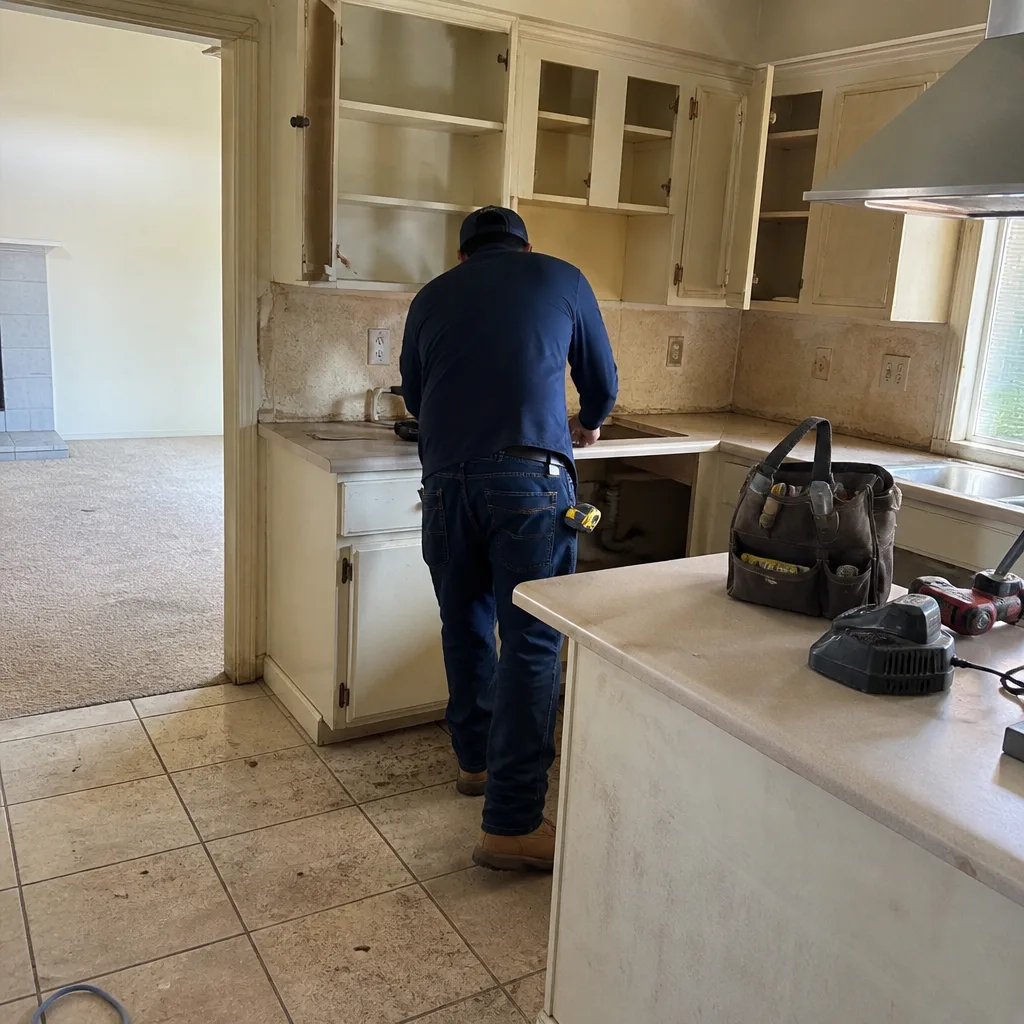 Before
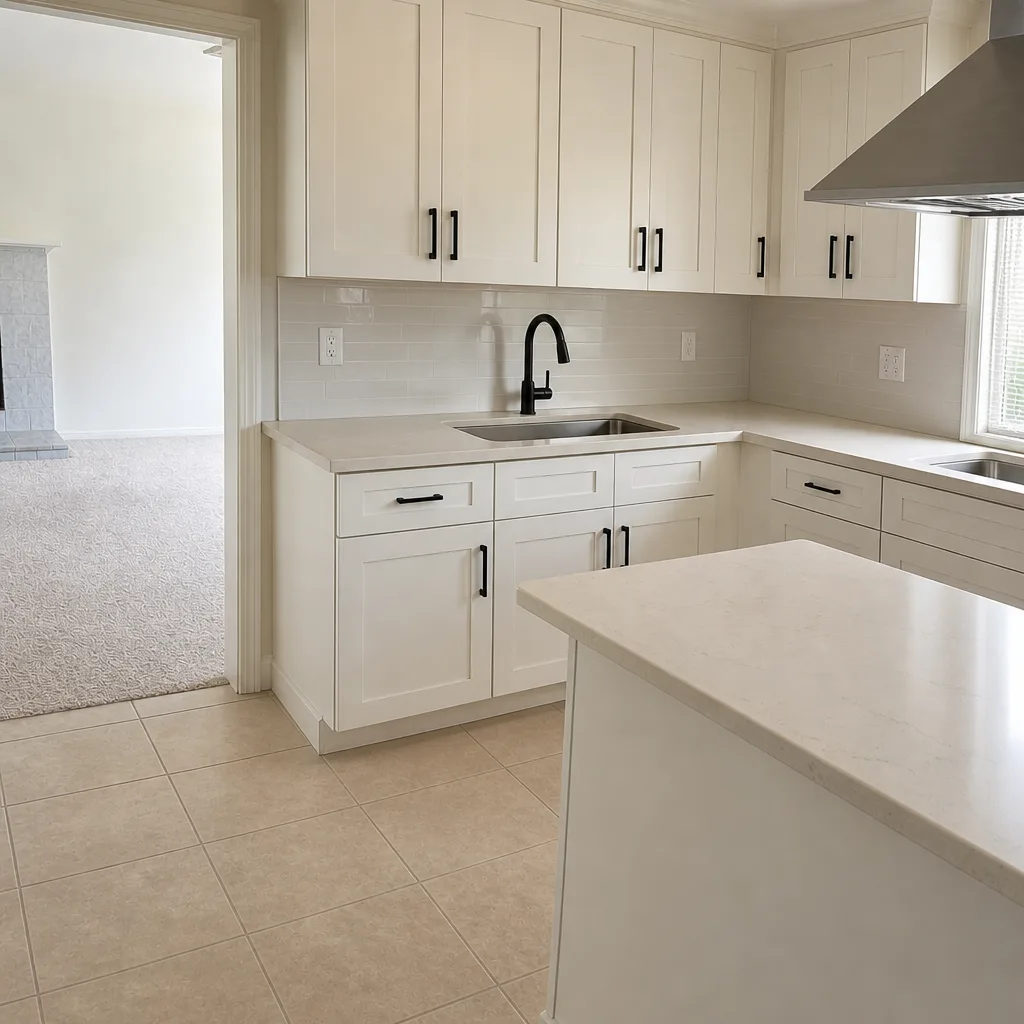 After
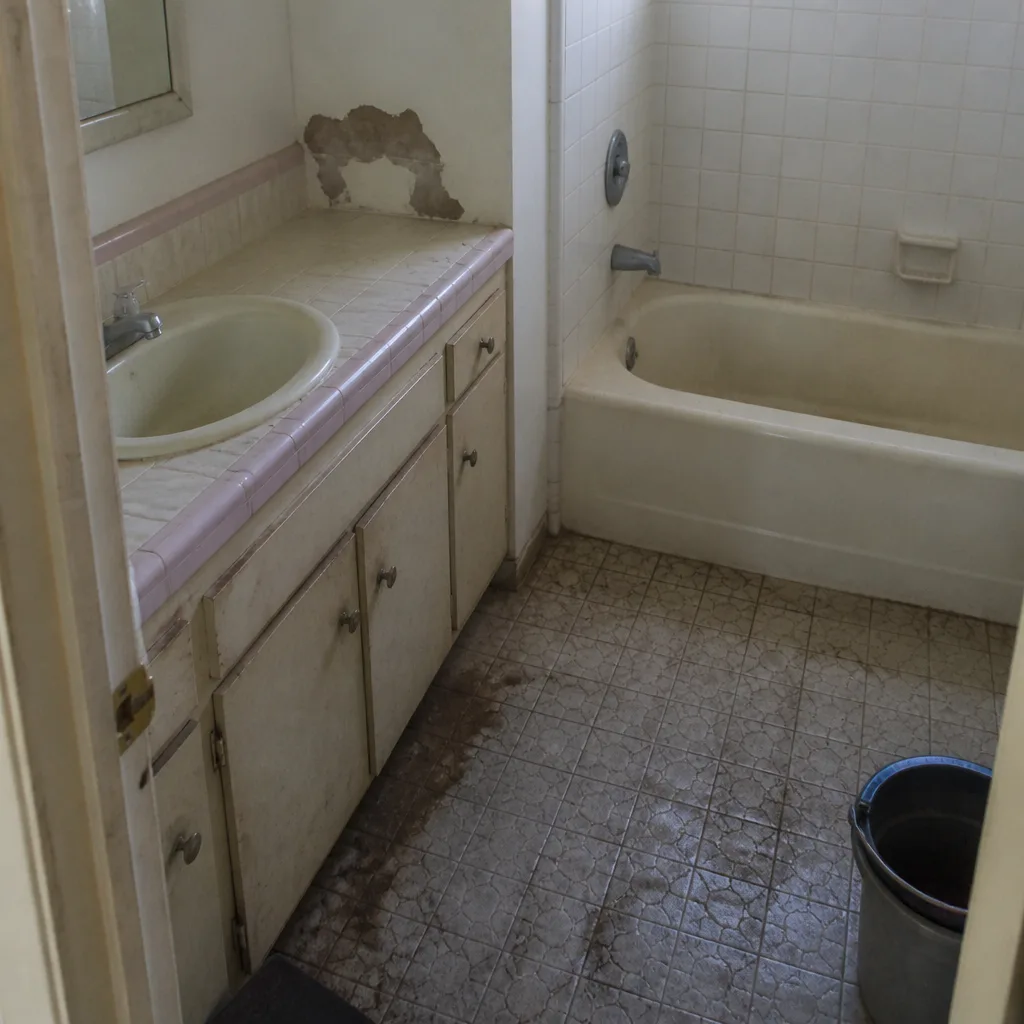 Before
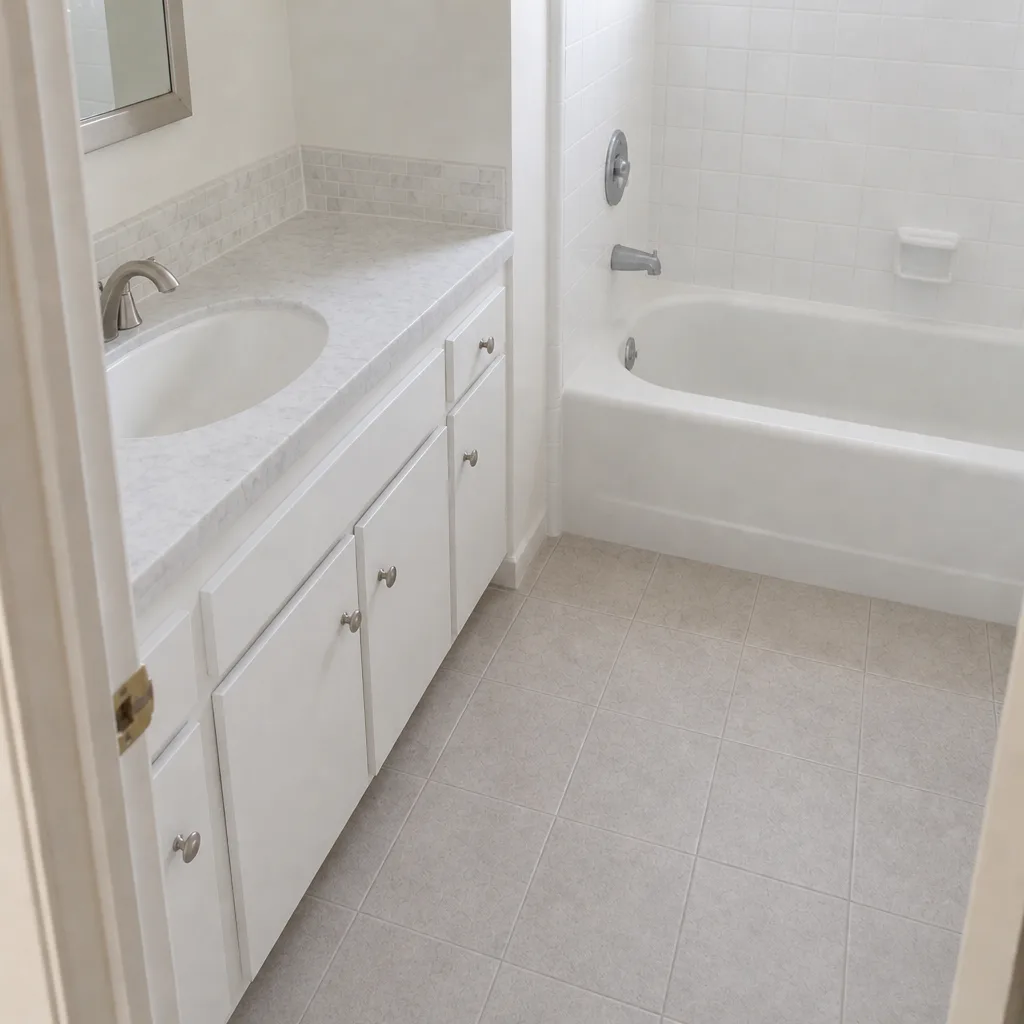 After
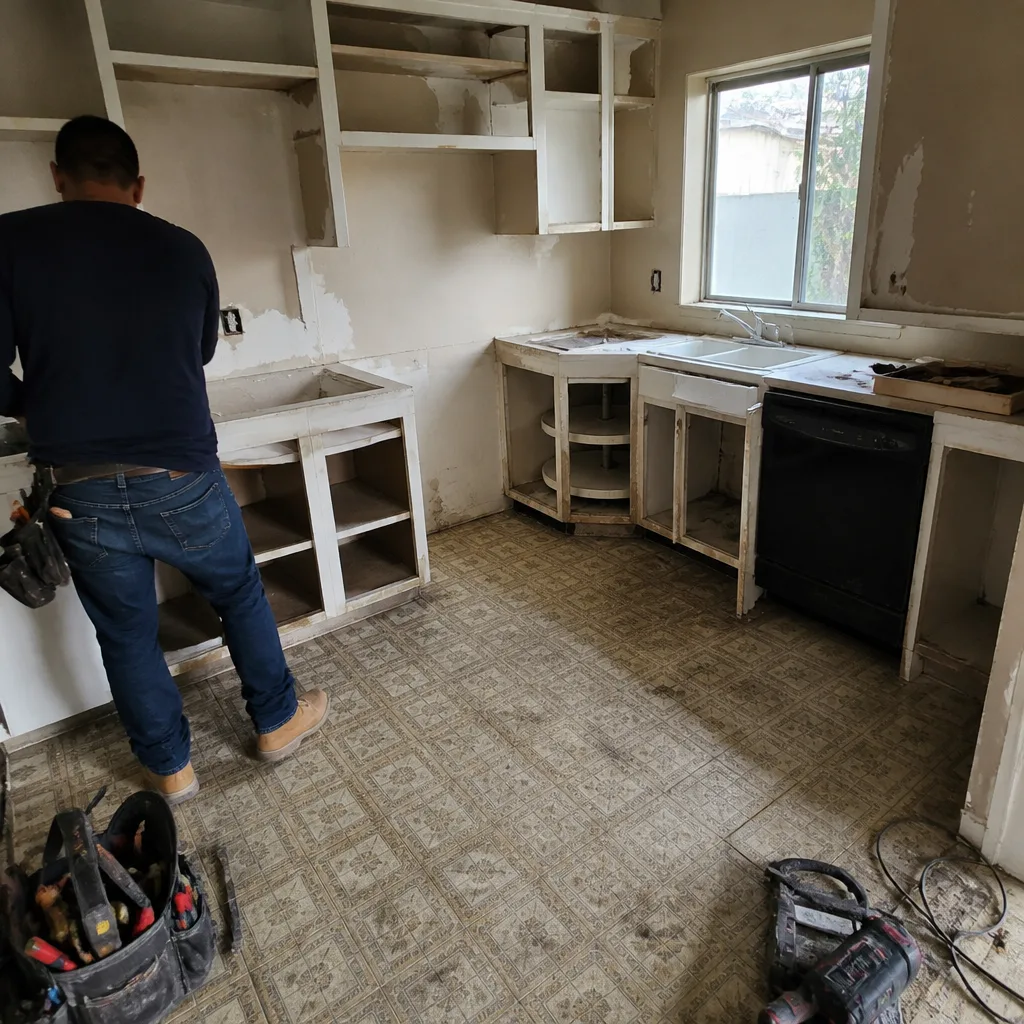 Before
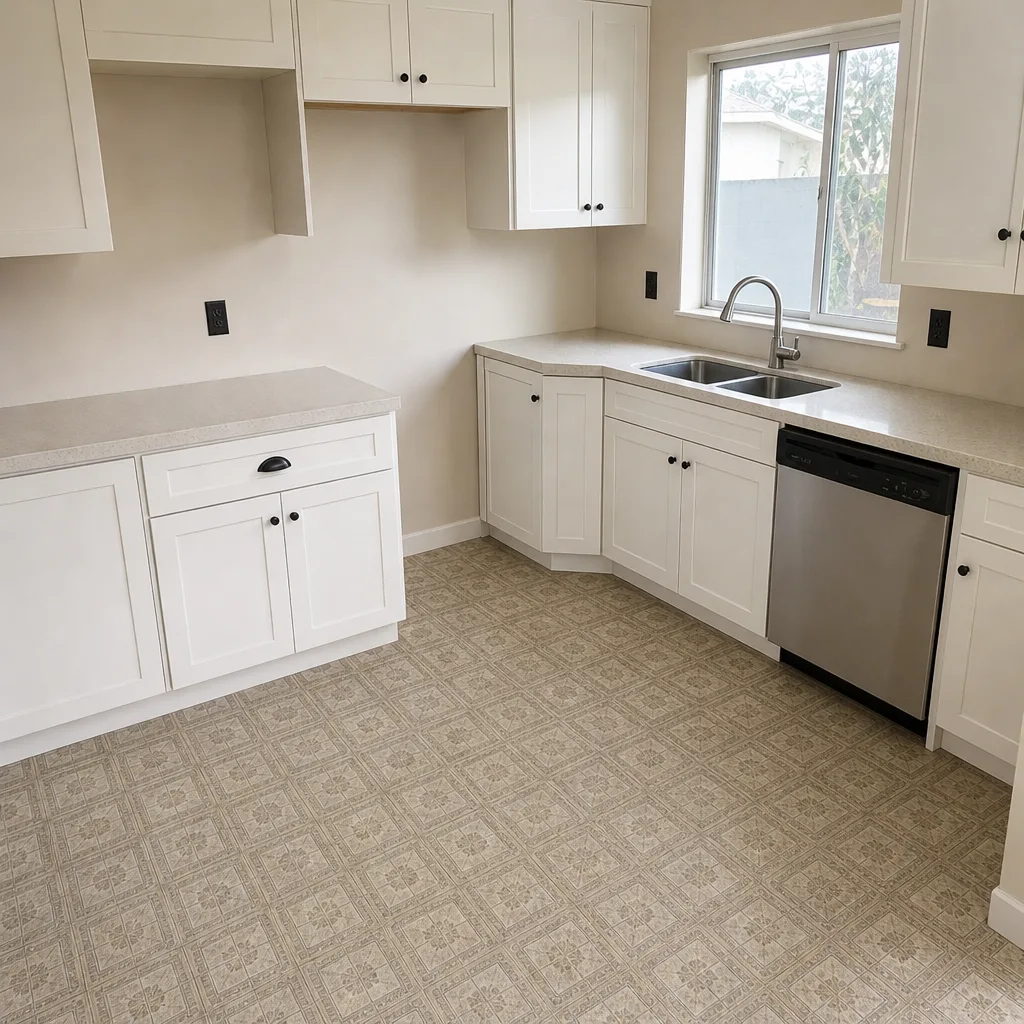 After
When to Call a Professional
Call a professional the moment the scope involves moving plumbing, electrical, gas, or load-bearing walls. Those aren’t cosmetic decisions. They require permits, inspections, and licensed trades, and getting them wrong in a Mission Viejo home costs far more to fix than to do right. If you’re unsure whether your kitchen needs a permit, a walkthrough settles it in an hour. Bradford Remodeling Co Mission Viejo offers free estimates in Mission Viejo – call (833) 734-2429. You’ll get a written price before any work starts, a sequenced schedule as part of that document, and a live person on the phone when you call. Our technicians have up to 22 years of experience, and every project closes with the 365-Day Done Right Promise in writing. Start at the Bradford Remodeling Co Mission Viejo home page for our full scope.
Frequently Asked Questions
A kitchen remodel in Mission Viejo typically takes 6 to 12 weeks of active construction, or 3 to 5 months from demo to walkthrough once cabinet and countertop lead times and inspections are factored in. Plan against the ceiling, not the floor. Call (833) 734-2429 for a free estimate with a written, sequenced schedule included.
The active construction timeline shouldn’t change if the schedule was written and sequenced before demo day. What changes it is unpermitted surprises found after demo, homeowner selections made late, or a contractor who never scheduled the trades in the first place. A written schedule with named delay-ownership clauses keeps everyone accountable. Ask for it before you sign.
Yes. Permits are pulled before demo, not after, and every required inspection is scheduled against the written timeline. Failed inspections are a contractor-owned delay, not a homeowner cost. Call (833) 734-2429 and we’ll walk you through which inspections your specific scope requires.
They run long because the estimate was written without a schedule, and cabinet and countertop lead times were never sequenced against the trade calendar. Labor is rarely the bottleneck. A written schedule that shows order dates, delivery windows, and inspection holds side by side is what closes the gap between the quote and the actual finish date.
Custom cabinets, at 8 to 12 weeks, and sourced natural stone countertops are the longest lead-time items. Semi-custom cabinets from KraftMaid or Wellborn typically run 4 to 8 weeks, and quartz fabrication from Cambria or Caesarstone runs 5 to 10 days after template. Those lead times set the floor on your total schedule, so lock them in writing before demo.
It’s a written guarantee on every completed Bradford Remodeling project: if the work fails within a full year of completion – a cabinet that pulls out, a plumbing connection that leaks, a finish that doesn’t hold – we return and correct it at no charge. You receive it in writing at closeout, not as a verbal assurance. Call (833) 734-2429 to schedule your free estimate.
The Bottom Line
A kitchen remodel takes 6 to 12 weeks of active construction and 3 to 5 months from demo to walkthrough. The stretch comes from unwritten schedules, late cabinet orders, unsequenced inspections, and homeowner delays owned by nobody. Treat the timeline as a contract document: hard phase durations, cabinet and countertop lead times locked in before demo, inspections scheduled up front, and delay ownership clauses that name who pays for each slip. Do that and your project finishes on the calendar, not the excuse. Bradford Remodeling Co Mission Viejo puts every price and every guarantee in writing because a plan you can’t hold anyone to isn’t a plan.
Written by the team at Bradford Remodeling Co Mission Viejo.