Last updated November 17, 2026








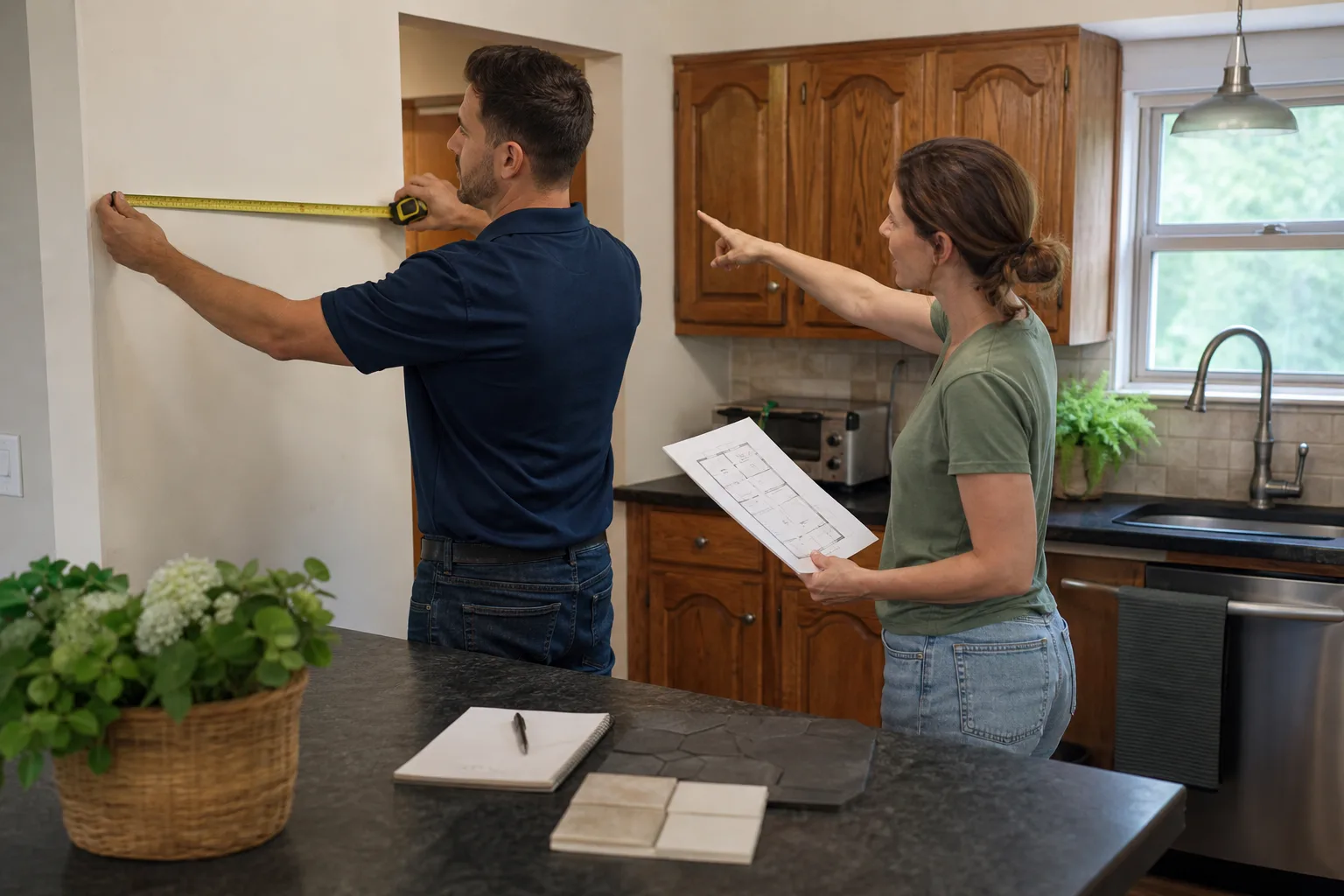
Free written scope consultation - allowances, timeline, and change-order rules on paper before a single trade is scheduled
How to Hire a Construction Contractor in Mission Viejo: A Step-by-Step Guide
A contractor with 200 five-star reviews and no written scope of work can still leave you with an unfinished kitchen and a lien on your title. That’s not a scare tactic – it’s the exact situation we’ve watched play out in Mission Viejo when homeowners vet a crew on personality and price instead of paperwork. The standard advice to “get three bids and check reviews” misses the two things that actually protect your money: a scope specific enough to hold up in a dispute, and guarantee terms written down before a nail goes in. This guide walks through the vetting sequence we think every Mission Viejo homeowner should run – license check, document set, bid math, and a written question list – so you know what you’re signing before the first check clears.
Quick Answer
To hire a construction contractor in Mission Viejo, verify the contractor’s license status through the California State License Board (CSLB), confirm the classification matches your project type, and require five documents before signing anything: a written scope of work, a payment schedule tied to milestones, a materials spec sheet, a lien waiver policy, and written warranty terms. The lowest bid usually costs more because it leaves scope out and recovers the difference through change orders – so compare bids on line-item detail, not the bottom number.
Styles & brands we work with
- Kitchen remodeling
- Bathroom remodeling
- Home additions & ADU
- Roofing
- Windows & doors
- Driveway & pavers
- Fence
Table of Contents
- Step 1: Verify the Contractor’s License Through the CSLB
- Step 2: The Five Documents You Need Before Signing
- Step 3: Why the Lowest Bid Structurally Costs More
- Step 4: Red Flags in Contractor Language
- Step 5: The Written Question Set for Contractor Interviews
- Mission Viejo-Specific Considerations: Climate, Code, and Neighborhoods
- Step 6: What “Squared Away” Looks Like at Close-Out
Step 1: Verify the Contractor’s License Through the CSLB
The CSLB runs a free public license lookup at cslb.ca.gov, and it takes about 90 seconds. Pull it before you call anyone back. What you’re checking is the license status, the expiration date, whether there’s a bond on file, and – this is the part most homeowners skip – the classification code. A license that says “Active” isn’t the same as a license that covers your job.
Here’s what the classifications actually mean for Mission Viejo projects:
- Class A – General Engineering: Covers fixed works like roads, dams, and sewage plants. Rarely what you need for a home remodel.
- Class B – General Building: The classification for residential remodels, additions, and most whole-home work. If your job involves framing, structural changes, or multiple trades under one contract, this is the one to look for.
- Class C-XX – Specialty: Trades like C-36 (plumbing), C-10 (electrical), C-33 (painting). A specialty contractor can only work within their trade. If someone with a C-39 (roofing) license bids your kitchen remodel, that’s a problem.
Two more things to confirm on the CSLB record. First, that the license shows no disciplinary actions in the past several years – the record lists formal complaints and citations. Second, that the name on the license matches the name on the contract. A common maneuver is for a salesperson to present a bid under one entity and hand you a contract with another. In our experience running jobs across Mission Viejo, that mismatch is the single most reliable predictor of a payment dispute later.
Workers’ compensation coverage is also on the CSLB record if the contractor has employees. If the license shows exempt, ask directly whether the crew on your job will be employees or subcontractors. Both can be fine; what matters is that everyone on site is covered. If someone gets hurt on your property and isn’t covered, that can come back to you.
Step 2: The Five Documents You Need Before Signing
You don’t need a good feeling about the contractor. You need five documents in your hand before you sign. If any one is missing, you’re not ready – regardless of how good the references sound. Here’s the set:
- Scope of work: A room-by-room, line-item description of what will be built, removed, and left alone. “Remodel kitchen” is not a scope. “Remove existing 30-inch base cabinets along west wall, install KraftMaid maple shaker base cabinets per spec sheet page 3” is a scope. The difference is what holds up when a dispute happens.
- Payment schedule: Tied to milestones, not to calendar dates. California limits upfront deposits on home improvement contracts to 10% of the contract price or $1,000, whichever is less. If someone asks for 50% down, walk. A normal schedule might be 10% at signing, 25% at materials delivery, 30% at rough-in completion, and the balance at final walkthrough.
- Materials spec sheet: Brand, model, and finish for every specified item. This is where you catch substitutions later. If the spec says “quartz countertop” and nothing else, you don’t have a spec – you have an idea. The brands we work with – KraftMaid, Wellborn, Cambria, Caesarstone, Kohler, Moen, GAF, James Hardie, Therma-Tru – all publish manufacturer specs and warranty terms, so every line is traceable. Ask your contractor to show you the manufacturer cut sheet for each major item.
- Lien waiver policy: A written policy that says the contractor will collect conditional lien waivers from every subcontractor and supplier as payments are made, and provide them to you. This is what protects your title. Without it, a subcontractor you never hired can file a mechanic’s lien on your house if the contractor doesn’t pay them. In California, the contractor must give you a “Notice to Owner” and a “Mechanics Lien Warning” before work starts – if you don’t see these, ask why.
- Written warranty terms: Not a verbal “we stand behind our work.” Written terms that state what’s covered, what isn’t, how long the coverage lasts, and how to file a claim. Our 365-Day Done Right Promise is a full-year written guarantee on every completed project: if the work fails inside that window, we come back and correct it at no charge. That’s the standard to hold any contractor to – a year, in writing, with a specified return process.
The General Contractor in Mission Viejo page covers how we structure those five documents on a typical job, if you want to see the format in detail. Our Bradford Remodeling Co Mission Viejo home page also lays out The Garrison Standard – the framework behind every written price and every guarantee we issue.
Step 3: Why the Lowest Bid Structurally Costs More
The lowest bid is usually low for a specific structural reason: it excludes scope. When three bids come in at $42,000, $58,000, and $61,000 for what looks like the same kitchen, they’re not the same kitchen. The $42,000 bid has left things out – often things you can’t see on the bid page.
Here’s the pattern we see most often on Mission Viejo jobs: a bid that lists “demo, cabinets, countertops, install” but doesn’t mention underlayment replacement, soffit repair, or electrical rough-in for the new appliance layout. Those aren’t optional line items – they’re work that has to happen. When they show up mid-project as change orders, the price climbs past the middle bid, and you’re too deep in to switch contractors.
Consider it this way. A typical kitchen remodel in Mission Viejo comes in with a materials-and-labor range depending on size, cabinet grade, and finish level. If a bid sits 25-30% below the others, the math is telling you the scope is missing something. Here’s how to compare bids to catch it:
- Match line items side by side. Build a spreadsheet. Every bid gets its own column. Flag any item that appears in one bid and not another – that gap is a future change order.
- Look for allowances. An “allowance” is a placeholder dollar amount for a material not yet chosen. A low allowance on tile, cabinets, or fixtures means you’ll pay the difference later. Ask for a realistic allowance, not the lowball.
- Ask what’s excluded. Every bid should have an explicit exclusions section. If a bid has no exclusions, either the contractor hasn’t thought it through or they’re hiding something. Either one is a problem.
- Request a written change order policy. What’s the markup on a change order? Is there a minimum change order charge? Get it in writing before you sign, because you’ll almost certainly have at least one change.
- Watch the permit line. A low bid often doesn’t include permits. In Mission Viejo, permits for structural, electrical, plumbing, and mechanical work go through the city’s building division, and the cost depends on scope. If the bid is silent on permits, ask directly: “Are permits included, and who pulls them?”
The math is simple. Line-item compare, don’t bottom-line compare. A bid with a written scope and honest allowances will beat a low bid on final cost nine times out of ten, because the low bid doesn’t stay low.
Step 4: Red Flags in Contractor Language
Contractor language gives away a lot if you know what to listen for. These are the specific phrases – heard in bids, contracts, and kitchen-table sales pitches – that we’d treat as a warning. We’re not naming contractors; we’re naming patterns.
- “We’ll work with your budget.” Translation: the price will move. A written price comes before work begins, not after. When a bid is a range or a verbal figure, expect it to climb.
- “We don’t do written contracts, just a handshake.” In California, home improvement contracts over $500 must be in writing, and the law spells out required terms. A contractor who skips the contract is either unfamiliar with the rules or choosing not to follow them. Neither is a crew you want in your house.
- “The price is good if you sign today.” Urgency tactics exist to prevent you from doing exactly what this guide recommends: comparing line items. There’s no scenario where a normal remodel quote expires by end of day. Bradford operates with a disciplined, no-pressure character – no countdowns, no “only 2 slots left” – because a written price should hold whether you decide this week or next.
- “Permits aren’t needed for that.” Sometimes true, sometimes not. In Mission Viejo, if the work touches structure, electrical panels, plumbing rough-in, or mechanical systems, assume a permit is required until the building division says otherwise. Getting a straight answer on permits is a quick tell on how the contractor operates.
- “Our insurance covers everything.” Vague. Ask for a certificate of insurance showing general liability and, if they have employees, workers’ comp. California requires contractors to carry both or to disclose an exemption. “Bonded and insured” is a good phrase to hear; a certificate is what confirms it.
- “We’ll handle the lien later.” There is no “later” with mechanics liens. Get a written lien waiver policy in the contract, before work starts.
- “The change order is just markup – it’s standard.” Some markup on changes is normal. A 30% markup on a change order isn’t standard; it’s padding. Get the change order policy in writing before signing.
One more: the contractor who talks about how busy they are as a signal of quality. Busy can be a good sign. But if you can’t get a written scope and a written schedule out of them, “busy” is a warning about how your job will be treated once it starts.
Step 5: The Written Question Set for Contractor Interviews
Interviews are where most homeowners waste their leverage. They ask “how long have you been doing this” and “can you send references,” and the contractor gives a smooth answer. Instead, bring a written question set, ask for written answers, and evaluate the paperwork – not the personality. Here’s the set we’d use:
- What is the license number, classification, and expiration date? Write it down. Cross-check it on CSLB when you get home.
- Who is the qualifier for the license? On the CSLB record, one person is named the qualifier. If they aren’t the person sitting across from you, ask how the qualifier is involved in your job.
- What is the written scope of work you’d propose, line by line? If they can’t produce one on request, that’s your answer. Ask for a sample from a recent job.
- What is your payment schedule, and what are the milestone trigger points? Compare against the 10%/$1,000 deposit cap. If they’re asking more upfront, ask why.
- What’s your change order policy and markup? Get it in writing.
- What is your written warranty, and for how long? A year is a reasonable bar. Ask what “fails” means and how a claim is filed.
- Who pulls the permits, and what’s the permit cost line on the bid? Get the answer in writing.
- Who will be on my job site, and are they background-checked? Our technicians are background-checked and uniformed on every job, so you know who’s walking through your door before the crew arrives. Any reputable contractor should tell you the same about theirs.
- Can I see the certificates of insurance and the lien waiver policy? Not later – now, with the bid.
- Can I see two or three recent references and a few photos from those same jobs? Call them. Ask specifically what happened when a problem came up, not whether they were satisfied.
- What does your written schedule look like, and what happens if the schedule slips? A written schedule beats a verbal promise every time.
- Have you completed work in Mission Viejo before, and are you familiar with the city’s permit process? Local knowledge shows up in how they answer.
- What’s the closest recent project you completed that looks like mine? Same size, same scope, same vintage of home.
- What’s your close-out process? Clean site, signed warranty, final walkthrough, and documented scope – all delivered in your hand.
Send the question set by email before the meeting. Any contractor who answers in writing on their own time is telling you something useful about how they’ll handle a change order or a failed fitting in month seven. A contractor who wants to answer only verbally is telling you something too.
Mission Viejo-Specific Considerations: Climate, Code, and Neighborhoods
Mission Viejo is not a generic Southern California build environment. The city sits on rolling hills inland of the coast, and that shows up in real ways on remodel jobs. Afternoon winds through the canyons dry out exterior wood and seals; sun exposure on south- and west-facing walls degrades paint and caulk years faster than the same wall in a coastal town. Wildfire-adjacent neighborhoods in the hills above Lake Mission Viejo often need Class A roofing assemblies and ember-resistant venting – GAF and CertainTeed both publish Class A-rated products that fit those specs. If you’re re-roofing, ask for the manufacturer spec sheet, not just “we use fire-rated shingles.”
The housing stock varies by neighborhood and era, which changes what your scope needs to cover. Homes in the older central areas near La Paz Road often have original plumbing rough-in, cast iron drain lines, and single-pane windows that new codes affect if you’re replacing them. Homes in newer neighborhoods built in the 1980s and 1990s often have galvanized fittings past their service life and stucco exteriors that need careful flashing when you cut in a new door or window. In our experience on Mission Viejo jobs, what looks like a “cabinet swap” in a 1970s kitchen often turns into a substrate repair job once the old cabinets come off – a detail the lowest bid usually skips.
Mission Viejo enforces permitting through the city’s building division, and California’s Title 24 energy code applies to most exterior and HVAC work. That means insulation values, window U-factors, and duct sealing requirements all factor into the scope. Ask your contractor for the Title 24 documentation as part of the bid package. It’s a legitimate cost; on a legit bid, it’s itemized. On a low bid, it’s missing, and the gap comes back later.
Neighborhood context also matters for material choices. West-facing walls in homes around Lake Mission Viejo take a lot of heat load; the paint and caulk spec, plus the roof underlayment, need to match that exposure. Homes on the eastern slopes take more wind-driven rain in winter storms, which is where flashing failures show up most often. If your contractor’s scope doesn’t mention the exposure your house actually sees, they haven’t looked at your house.
Our Kitchen Remodeling in Mission Viejo and Bathroom Remodeling in Mission Viejo pages walk through how those two rooms handle local conditions in detail. Both pages also explain what the written price and the 365-Day Done Right Promise cover on those specific scopes.
Step 6: What “Squared Away” Looks Like at Close-Out
Here’s the part that rarely gets covered in hiring guides: how a contractor closes out a job tells you as much as how they started. A disciplined close-out has a specific shape. If you don’t see it, the guarantee you were promised at signing may not mean what you thought.
- Clean site. Materials hauled away, floors protected until the last day, no debris in the yard, no hardware missing. This is a discipline signal, not a courtesy.
- Documented scope completed. Walk the bid line by line. Every line is signed off as complete or noted as an approved change. Nothing is left as a verbal agreement to “come back for it.”
- Final walkthrough with punch list. A punch list is a written list of the small remaining items you both agree need fixing. Every completed project should end with one, and every item on it should be cleared in writing.
- Signed warranty in your hand. Not a brochure, not a promise to email it later – a signed document that states coverage length, what’s covered, what’s not, and how to file a claim. Ours is a full year: the 365-Day Done Right Promise means if the work fails inside that window, we make it right at no charge. That’s written language, on paper, not a conversation.
- Permit sign-off. If permits were pulled, the project should close with the inspection passed and documented. Ask for the final inspection sign-off as a close-out document, not a promise.
- Lien releases collected. The contractor provides conditional lien waivers from every sub and supplier, matching the final payments made.
- As-built documentation and warranty packets for materials. Manufacturer warranties for the GAF or CertainTeed roofing, the Therma-Tru doors, the Kohler and Moen fixtures – all delivered to you, so future service is possible without tracking down the contractor’s file.
If a contractor can’t articulate that close-out process when you ask about it during the interview, that’s a meaningful answer. Close-out is where a written guarantee gets tested. The 365-Day Done Right Promise at Bradford isn’t a marketing line – it’s the written document you hold on day 366 with a phone number and a claim process on it.
Common Mistakes to Avoid
- Comparing bids on the bottom number. Line-item compare every bid, or you’ll end up in the change order spiral the low bid was designed to create.
- Skipping the CSLB check because someone had good references. References are useful, but the license record is the only public, verifiable source on classification, bond, and disciplinary history. Ninety seconds on cslb.ca.gov beats a glowing neighbor review.
- Trusting a verbal guarantee. A guarantee that isn’t in writing, with a specified duration and a claim process, isn’t a guarantee. It’s an aspiration.
- Handing over a deposit beyond the legal cap. California limits home improvement deposits to 10% of contract price or $1,000, whichever is less. Any request for more should be treated as a stop.
- Not asking who’s on the job site. Background-checked, uniformed technicians are a baseline. If you can’t confirm who’s showing up – and that they’re covered by insurance – you’re carrying the risk.
- Assuming Mission Viejo permits don’t apply to your scope. Structural, electrical, plumbing, and mechanical work usually need permits. Ask for the permit line in the bid and get a straight answer before signing.
- Treating a verbal schedule as a commitment. A written schedule with milestone dates and a defined process for slippage is what holds. Verbal schedules disappear at the first delay.
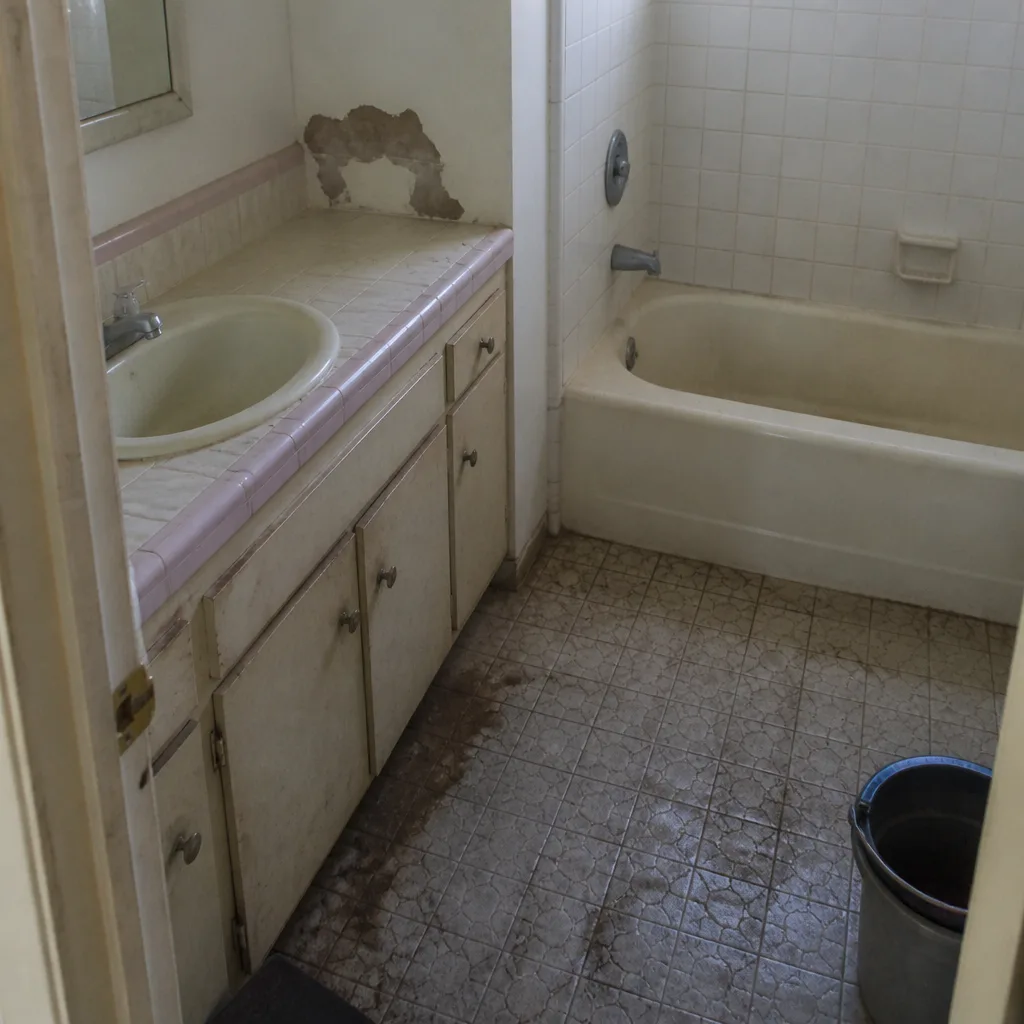
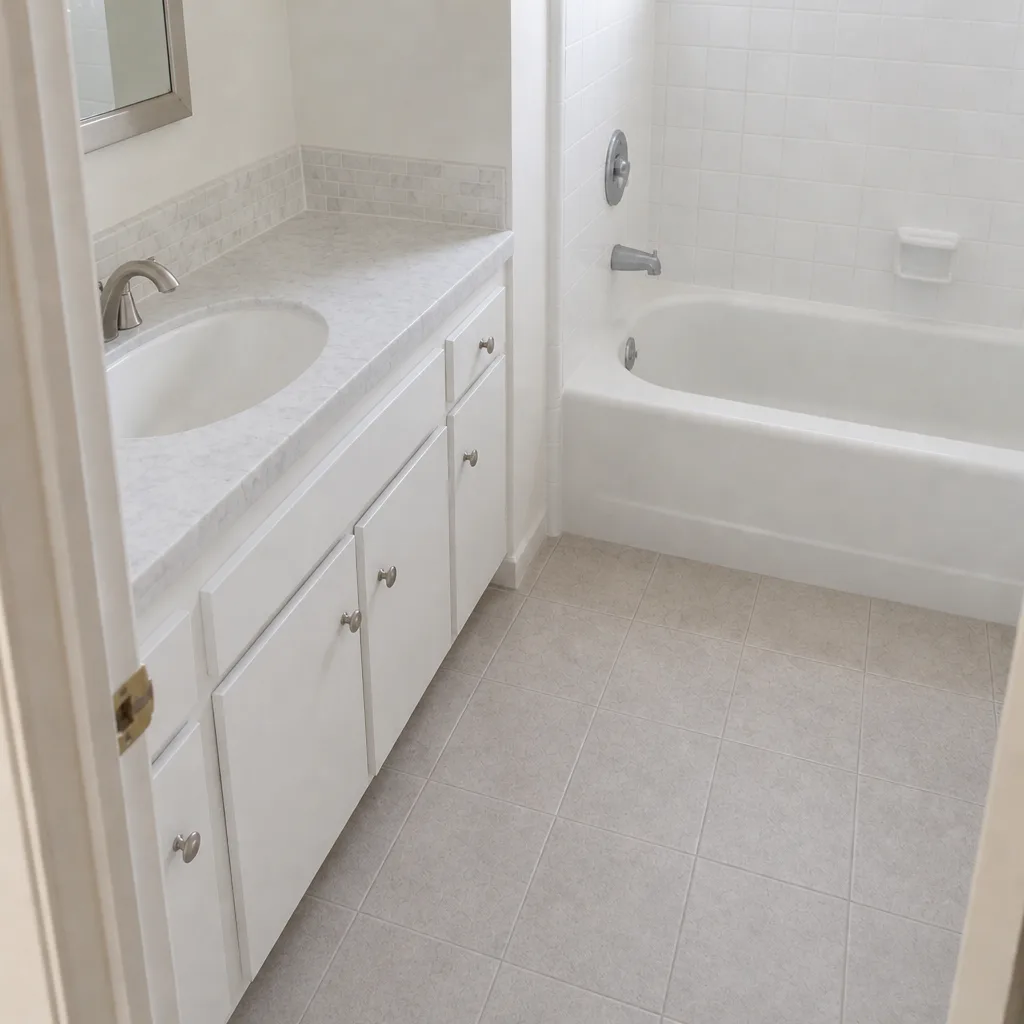
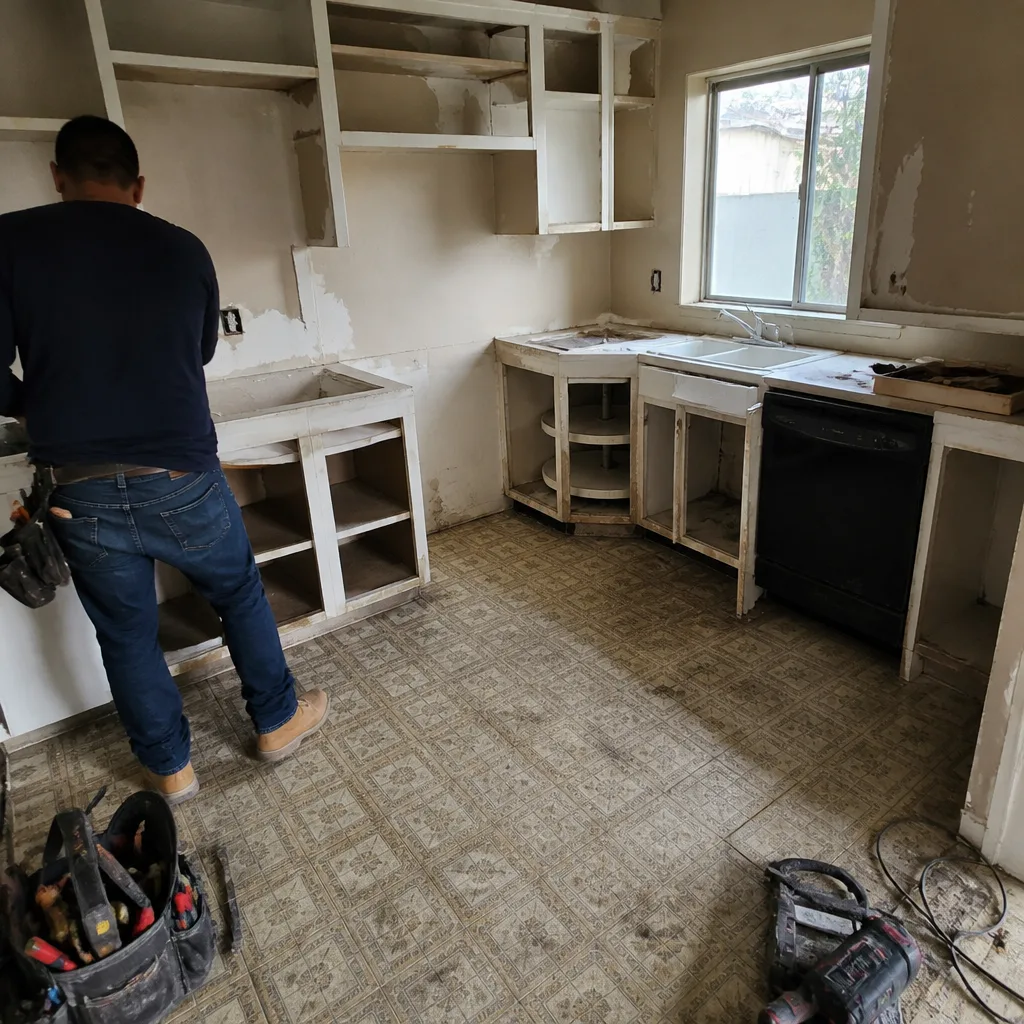
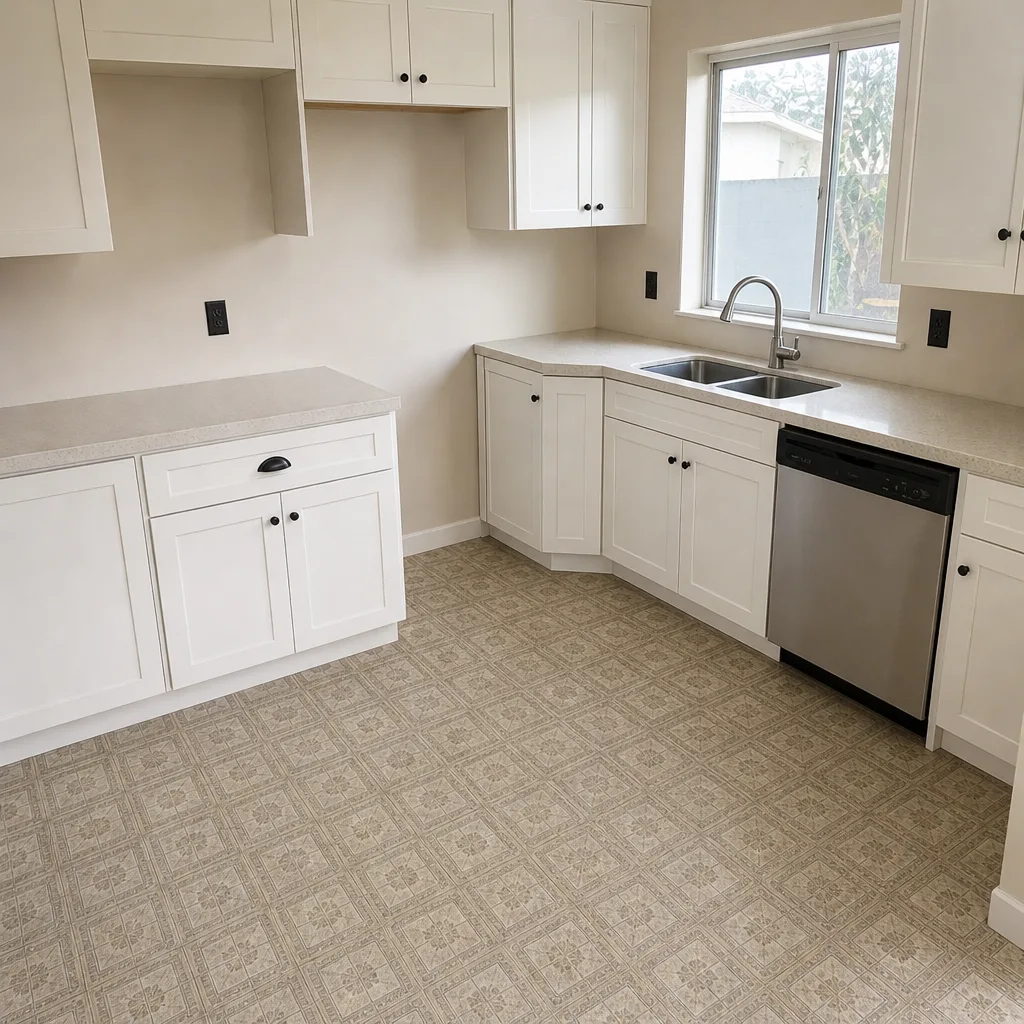
See the difference
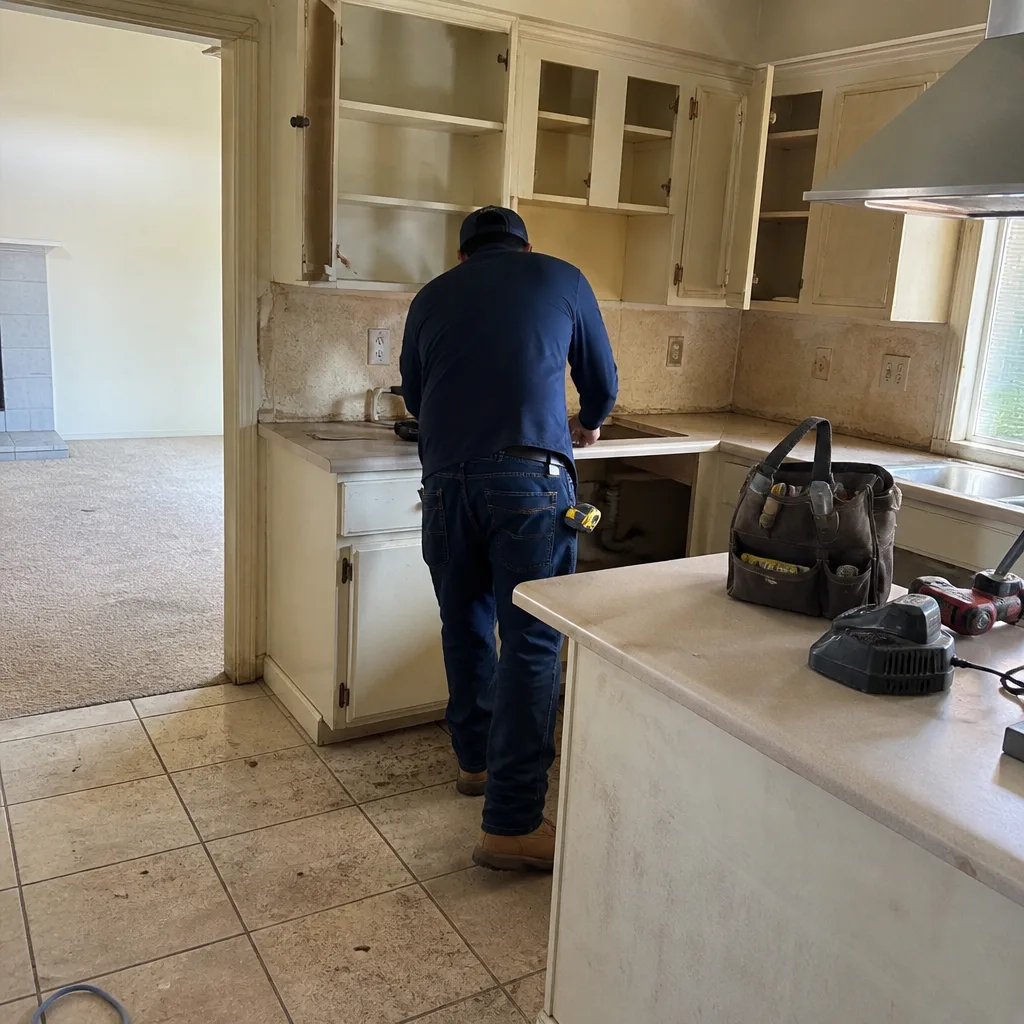 Before
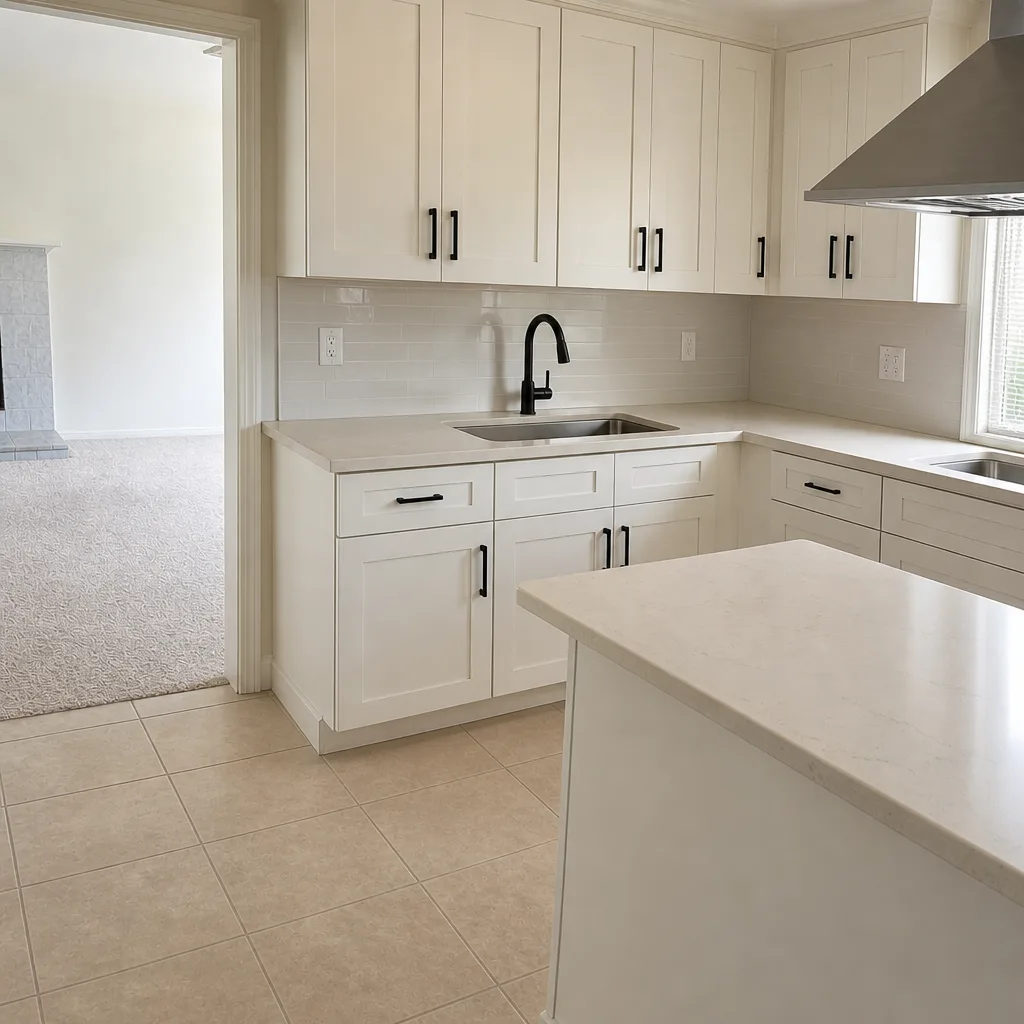 After
 Before
 After
 Before
 After
When to Call a Professional
Most of what we’ve covered above presumes you’ve decided to hire. But some households are still deciding, and a good rule of thumb is this: if the work touches structure, electrical panels, gas lines, plumbing rough-in, or roofing at height, call a licensed professional. These aren’t DIY-friendly categories, and in Mission Viejo the permitting and inspection process expects licensed involvement anyway. The five-document discipline above applies to every one of them.
For kitchen and whole-home work, in most cases the call is worth making earlier than homeowners do. A written estimate clarifies scope, surfaces the questions you haven’t thought to ask, and gives you a real number to compare against other bids. Bradford Remodeling Co Mission Viejo offers free estimates in Mission Viejo – call (833) 734-2429 to schedule one. A live person answers the phone any time, day or night, so you’re not leaving a message in a queue.
Frequently Asked Questions
A Mission Viejo kitchen remodel typically falls in a mid-five-figure range for a full gut with cabinet replacement, countertop changes, and updated finishes – exact pricing depends on square footage, cabinet grade, and whether rough-in work is involved. Smaller refresh projects (cabinet re-facing, countertop swap, lighting) sit meaningfully below that. Call (833) 734-2429 for a written, line-item estimate on your kitchen – estimates are free, and the price is written before any work begins.
Yes, in most cases – structural, electrical, plumbing, and mechanical work almost always require permits through the City of Mission Viejo building division, and Title 24 energy code applies to most exterior and HVAC work. Surface-level work like painting or replacing like-for-like finishes usually doesn’t. Ask the contractor to put the permit line in the bid in writing, and to identify who pulls them. Call (833) 734-2429 to get a straight answer on your specific scope.
Not if the scope and materials are written down and the contractor is disciplined about change orders. With Bradford, the price is written before any work starts – always, non-negotiable – so the number you agreed to is the number on the invoice, unless you and the contractor both sign off on a written change order for work outside the original scope. Ask any contractor for their change order policy in writing before you sign. For an exact quote on your project, call (833) 734-2429 – estimates are free.
The 365-Day Done Right Promise is a full-year written guarantee on every completed project. If the work fails within the 12-month window after completion – a fitting leaks, a finish fails, something the crew installed doesn’t hold – we come back and correct it at no charge. It’s a written document, delivered at close-out, with a specified return process. Ask any contractor you’re considering for their written warranty terms and compare the length and the claim process side by side. Call (833) 734-2429 for a free estimate and to review the guarantee language in detail.
Yes – for any scope that requires permitting through the City of Mission Viejo, we pull the permits and pass final inspection as part of the project, and the permit line is itemized in the written bid so you can see exactly what you’re paying for. Final inspection sign-off is delivered as a close-out document. Call (833) 734-2429 to schedule a free estimate and we’ll walk through the permit requirements for your project.
Whole-home remodels in Mission Viejo typically run several months of active construction, with the total timeline depending on square footage, number of rooms touched, structural scope, and how quickly finish selections are made. A written schedule with milestone dates is part of every estimate we issue, and specific projects vary enough that scheduling without a scope review would be guesswork. Call (833) 734-2429 to schedule a free estimate and get a written timeline tied to your actual scope.
The Bottom Line
Hiring a contractor in Mission Viejo comes down to paperwork, not personality. Pull the CSLB record, confirm the classification matches your project. Require the five documents – written scope, milestone payment schedule, materials spec sheet, lien waiver policy, and written warranty – before signing anything. Compare bids line by line, not at the bottom, because the lowest bid is usually lowest by leaving scope out. Run the written question set, and don’t hand over a check until you’re satisfied with the paperwork. That’s the sequence that protects your money and your title, and it’s the same sequence we hold ourselves to on every Bradford job.
Written by the team at Bradford Remodeling Co Mission Viejo.
Ready for a written price on your Mission Viejo project? Call (833) 734-2429 to schedule your free estimate. Bradford Remodeling Co Mission Viejo puts every price in writing before any work starts, backs every completed project with the 365-Day Done Right Promise, and answers the phone with a live person any time, day or night. Our technicians have up to 22 years of experience, and every project comes with a written scope, a written payment schedule, and a written guarantee in your hand at close-out. Part of the Garrison Partners family since 2004, held to The Garrison Standard on every job.