Last updated November 17, 2026


Free written scope consultation - allowances, timeline, and change-order rules on paper before a single trade is scheduled
How Long Does Home Remodeling Take? Timelines and What to Expect
A kitchen that involves 10 days of actual hammer-and-nail work can take 10 weeks from the day you sign to the day you get your final inspection card. The gap is rarely the construction. It’s the permit desk, the cabinet factory, and the inspection calendar, and most bids only quote you the 10 days. We’ve watched homeowners in Mission Viejo plan a summer remodel around a number a contractor gave them off the top of his head, then lose two months to a cabinet lead time nobody mentioned. This guide breaks down every phase with honest day counts, explains which materials are running long right now, and shows you what a written schedule should actually contain.
Quick Answer
Most home remodels take 6 to 16 weeks of active construction, but the full project timeline from contract to final inspection usually runs 3 to 7 months once you add design, permitting, material lead times, and inspection scheduling. A bathroom can finish in 3 to 5 weeks of work; a full kitchen typically runs 6 to 10 weeks; whole-home remodels routinely stretch to 4 to 8 months or longer. The single biggest variable is not labor speed, it’s how early the long-lead materials get ordered.
Styles & brands we work with
- Kitchen remodeling
- Bathroom remodeling
- Home additions & ADU
- Roofing
- Windows & doors
- Driveway & pavers
- Fence
Table of Contents
- The Six Phases of a Remodel (With Day Counts)
- Permit Processing Times in Orange County
- Material Lead Times You Need to Plan Around
- How Sequencing Decisions Change a 6-Week Job Into a 12-Week Job
- What a Written Project Schedule Should Include
- Mission Viejo Climate and Site Factors That Affect Timing
- Common Mistakes to Avoid
The Six Phases of a Remodel (With Day Counts)
Every remodel follows the same six-phase arc. The day counts below are ranges we use when building schedules for projects in Mission Viejo and the surrounding south Orange County area. The ranges are wide because a 90-square-foot hall bath and a 350-square-foot kitchen with a load-bearing wall removal are not the same animal.
- Design and selections (7 to 30 days). Final drawings, finish selections, and signed change orders. The bottleneck here is almost always the homeowner’s decision pace, not the designer’s. Cabinets, tile, and fixtures need to be locked before anything goes to the permit desk.
- Permit submission and review (10 to 45 days). Depends on scope and jurisdiction. A cosmetic refresh may not need a permit at all; structural work, electrical panel upgrades, and plumbing relocations do.
- Material procurement (14 to 120 days). This runs parallel to permitting if you’re organized. Custom cabinetry is the big one. More on this below.
- Rough work (7 to 21 days). Demolition, framing, rough plumbing, rough electrical, and HVAC rough-in. This is the phase where inspection #1 usually lands.
- Finish work (14 to 40 days). Drywall, tile, cabinets, countertops, fixtures, paint, trim. The most visible phase and the one most homeowners wrongly assume is the whole job.
- Final inspection and punch list (3 to 14 days). Final inspection scheduling alone can eat a week if your contractor isn’t calling the day the work is ready.
Add those ranges up and you get a project that takes 55 to 170 days of calendar time depending on how the phases overlap. A well-run job overlaps them aggressively: permits and materials ordered simultaneously, rough inspection booked while finish materials are still arriving. A poorly run job runs them end to end and takes twice as long.
Permit Processing Times in Orange County
Mission Viejo is a contract city with its own building department, and processing times move with the volume at the counter. Over-the-counter permits for straightforward work like a water heater swap or a like-for-like fixture replacement can clear in a day. Full plan-check reviews for a kitchen with structural changes or a whole-home remodel routinely run 4 to 8 weeks in this part of Orange County, and that window can stretch during spring and early summer when permit volume climbs.
Here’s what actually moves a permit faster:
- Submit complete plans the first time. The single biggest cause of a 6-week permit review is a plan set that gets kicked back for missing engineering, wrong setback dimensions, or an incomplete Title 24 energy compliance form. Every resubmittal restarts the clock.
- Ask about expedited review. Many Orange County jurisdictions including Mission Viejo offer an expedited plan-check option for an additional fee. It’s not advertised everywhere, so ask at the counter or check the city’s building department page directly. Fees vary; we’ve seen them run in the low hundreds to a few thousand depending on valuation.
- Pull permits before you demo. Starting demo on a permit-required project before the permit issues is the fastest way to a stop-work order and a red-tag on your file. That can add weeks of re-inspection and paperwork to a timeline you already set.
- Use a contractor who pulls permits as standard. Some bids are cheaper because the contractor plans to skip the permit. When you go to sell and the unpermitted work surfaces, you’ll pay for it twice. A General Contractor in Mission Viejo who pulls permits and passes inspections is not the expensive bid, it’s the only bid that protects your resale value.
Material Lead Times You Need to Plan Around
Nobody puts a material lead time in the contract, and that’s how a 6-week kitchen becomes a 14-week kitchen. This is the part of the schedule most homeowners never see until it bites them.
- Custom cabinetry: 8 to 16 weeks. Semi-custom runs 6 to 10 weeks. Stock cabinet lines that are actually in a regional warehouse can ship in a week or two, but that’s the exception, not the default. We work with KraftMaid and Wellborn lines specifically because the specs and lead times are traceable: you know what’s coming and when.
- Windows and exterior doors: 6 to 14 weeks. Anything non-standard goes longer. Interior doors in standard sizes move fast; the exterior stuff, especially custom sizes and specific glass packages, is the slow part.
- Specialty tile: 2 to 8 weeks. In-stock field tile is quick. Imported handmade tile, mosaics, or a pattern that has to be milled to order can run 6 to 8 weeks and won’t ship faster no matter how much you push.
- Countertops: 1 to 3 weeks after template. Cambria and Caesarstone quartz slabs are usually in regional inventory, but the fabrication and installation slot itself is a scheduled item. You can’t pour concrete faster; you can’t fabricate quartz faster either.
The rule is simple: order long-lead items the day the permit is submitted, not the day the permit issues. A well-organized kitchen remodel in Mission Viejo can have cabinets in the driveway the same week the permit clears if the contractor ordered early, and that alone saves 6 to 8 weeks of total project time.
How Sequencing Decisions Change a 6-Week Job Into a 12-Week Job
Two contractors with identical scope, identical budget, and identical crews can deliver in 6 weeks or 12 weeks depending on decisions that never show up in the bid. Sequencing is the hidden variable. In our experience running remodels in Mission Viejo and Orange County, the following sequencing calls are where the real time gets saved or lost:
- Ordering long-lead materials at permit submission instead of after permit issue. Saves 6 to 10 weeks on kitchens with custom cabinetry.
- Scheduling rough inspections the day rough work is complete, not the day the crew has a gap. Saves 3 to 10 days per inspection window.
- Running plumbing and electrical rough-in simultaneously with separate trades instead of sequentially. Saves 3 to 7 days on medium projects.
- Choosing materials with predictable lead times over materials with unknown lead times. A cabinet line with documented lead times versus an unverified import saves unpredictability, and unpredictability is where schedules die.
- Doing drywall and tile work in parallel on separate rooms where possible. Saves 2 to 5 days on multi-room projects.
- Prepunch list before the final inspection so the inspector doesn’t flag cosmetic items. Saves 3 to 10 days on the close-out.
None of those decisions show up on a bid sheet. All of them show up on the calendar. That’s why a written project schedule is worth more than the difference between a $35,000 kitchen and a $37,000 kitchen. The $2,000 more expensive bid that finishes 3 weeks earlier costs you less in carrying costs, hotel nights, and stress.
What a Written Project Schedule Should Include
A schedule is a commitment document. Not a printout of a Gantt chart, not a bar graph on a PDF the contractor never references again. A real written schedule names dates, not weeks, and shows the dependencies. Here’s what to look for:
- Named start and completion dates for each phase, not just a range. “Rough framing March 4 through March 8” is a schedule. “Framing will happen in early spring” is not.
- A permit milestone with the submission date and the anticipated issuance date. If those two dates don’t show up on the schedule, the contractor is hiding the permit risk from you.
- Material order dates and expected delivery dates for every long-lead item. This is where 90% of schedule overruns show up before they happen.
- Named inspection dates or windows. Rough inspection, final inspection, and any specialty inspections (structural, electrical, gas) should be scheduled with a window.
- Explicit listed dependencies. The schedule should show, for example, that the countertop template depends on cabinet installation, and cabinet installation depends on cabinet delivery. Dependencies are what make a schedule a real plan instead of a wish list.
- Written protocols for changes. Any change order that moves the completion date needs to show the new date in writing, not in a conversation.
If a contractor won’t put a schedule in writing, ask three questions:
- What’s the permit submission date, and have you submitted plans to Mission Viejo’s building department or is that still pending?
- What’s the longest-lead item on this project, what’s the quoted lead time, and what’s the order date?
- When will the rough inspection and final inspection be scheduled, and who’s responsible for scheduling them?
If any of those questions slow down the conversation, that’s your signal. “It depends” is not a schedule. Every project has variance; a contractor who has done this in Mission Viejo tends to know where it lands.
At Bradford Remodeling Co Mission Viejo, every project begins with a written price before any work starts and a schedule that shows the phases, the milestones, and the material order dates. That schedule is backed by The Garrison Standard, which is the framework every job follows: written price, written schedule, written guarantee. The Bradford Remodeling Co Mission Viejo home page shows the full scope of what we take on across general contracting, kitchens, and whole-home work. If your project is primarily a kitchen, Kitchen Remodeling in Mission Viejo covers the scope-specific details; if it’s a bath, Bathroom Remodeling in Mission Viejo lays out the same framework for smaller scope.
Mission Viejo Climate and Site Factors That Affect Timing
Mission Viejo sits in south Orange County with a Mediterranean climate: mild wet winters, dry hot summers, and microclimatic variation between neighborhoods at elevation and those closer to the coast. That climate shapes a remodel timeline more than most homeowners expect.
Exterior work – stucco, paint, roofing, and hardscape – moves slowest in the rainy months, roughly December through March in most years. Stucco patching won’t cure properly when it’s cold and damp, and roof work risks intrusion if the crew has to fight weather at the end of the day. Interior work is largely climate-insensitive because the house is dried in, but air conditioning load in July and August means crews in attic spaces and crawlspaces have to work shorter shifts. We schedule attic-heavy work – HVAC ducting, electrical, insulation, and soffit vents – for the shoulder seasons when possible.
Lot grading and drainage matter too. Mission Viejo has a lot of slope-side properties, and a remodel that changes the footprint or adds a patio will likely trigger drainage review. If your contractor hasn’t walked the lot and asked about where water goes during a winter storm, they haven’t finished planning. We’ve seen more than one patio project where the design ignored the slope, the first rain backed water toward the house, and the entire job had to be redone the next dry season. That’s a year, not a week.
Trees are a smaller factor but a real one. Protected oak trees on some Mission Viejo lots can affect where equipment routes and how deep foundations go. A quick arborist read before the permit submission avoids the surprise of a plan-check hold for a tree review.
Common Mistakes to Avoid
- Accepting a bid that quotes only construction days. If a contractor quotes “6 weeks” without mentioning permits, material lead times, and inspections, they’re quoting the easiest phase and hiding the rest. Ask for the full calendar.
- Ordering cabinets after the permit issues. Every week the cabinet order sits waiting on the permit is a week added to your calendar. Order long-lead items at permit submission.
- Choosing the most beautiful tile without checking lead time. A hand-made tile that ships in 8 weeks will not arrive in 2 no matter how much the showroom wants the sale. Verify the ship date in writing.
- Starting demo before the permit issues. Stop-work orders in Mission Viejo can shut a project for weeks while the file is sorted. Wait for the card.
- Skipping the drainage review on a sloped lot. One winter rain undoes a summer of patio work. Get grading checked before the design closes.
- Not walking the punch list before the final inspection. Cosmetic flags from an inspector cost you a return visit, sometimes 3 to 10 days. Sweep the job first.
- Settling for a verbal schedule. “We’ll be there in a few weeks” is not a schedule. Written dates are.
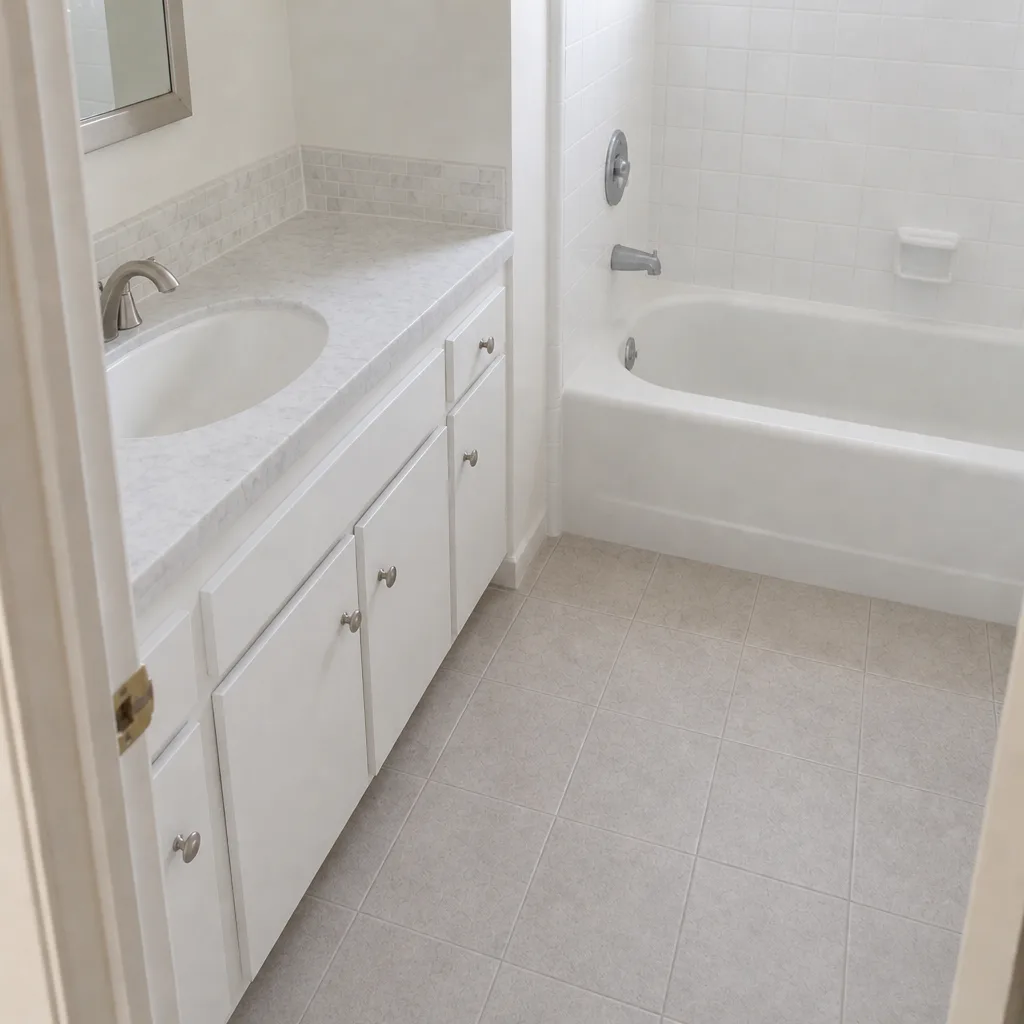
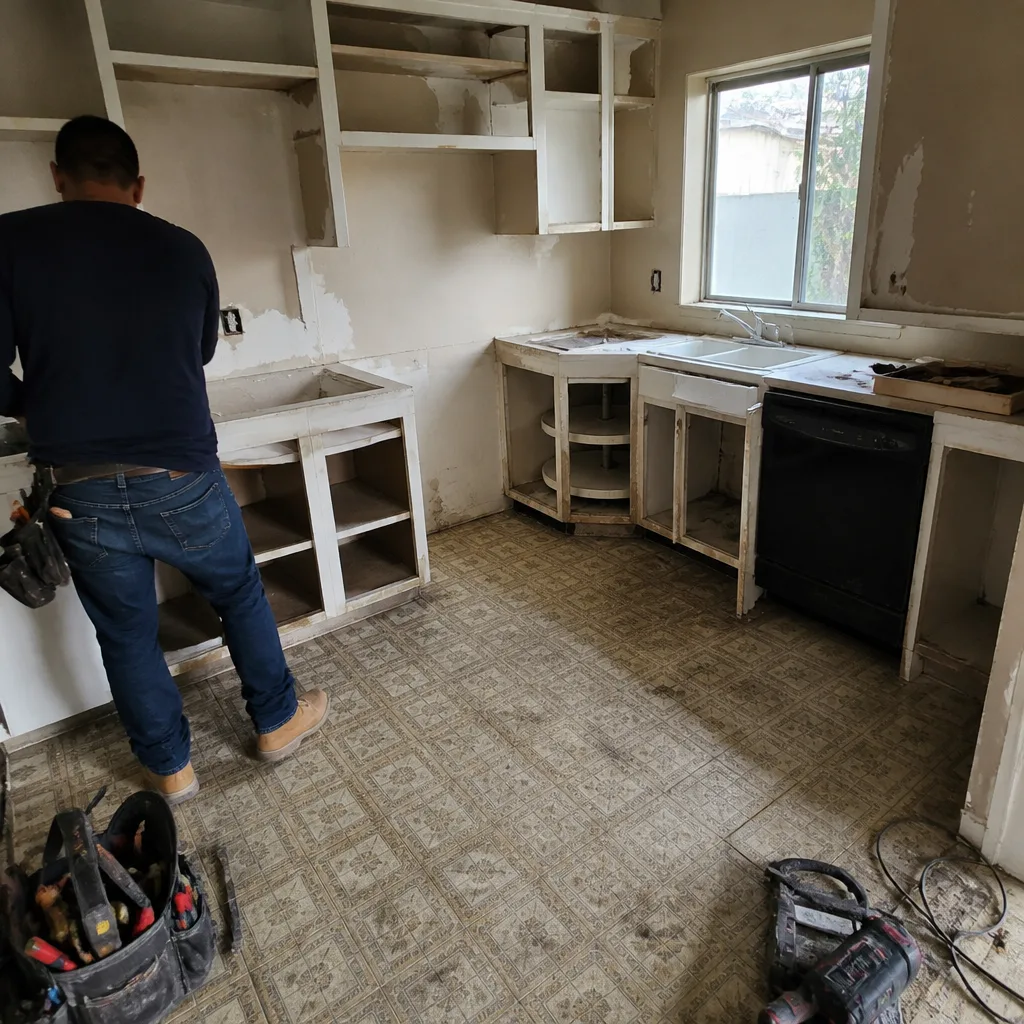
See the difference
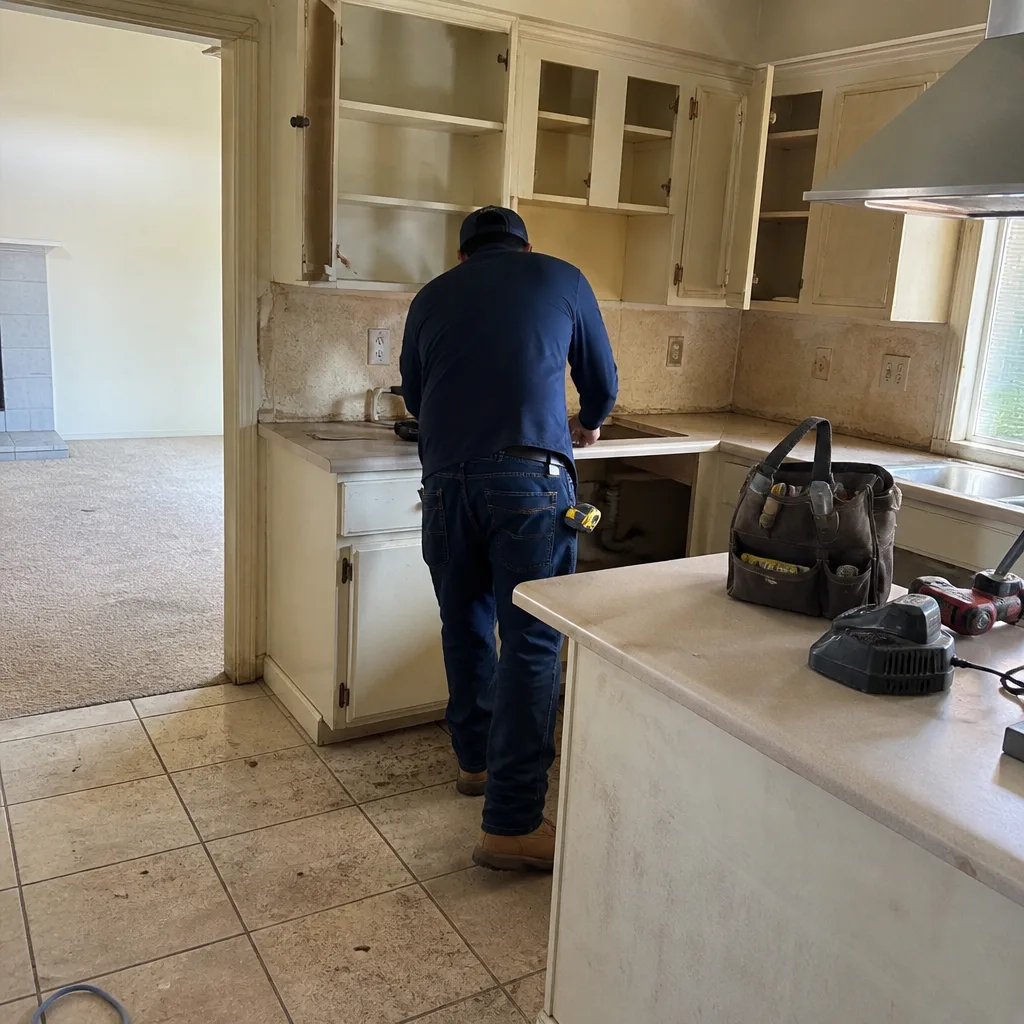 Before
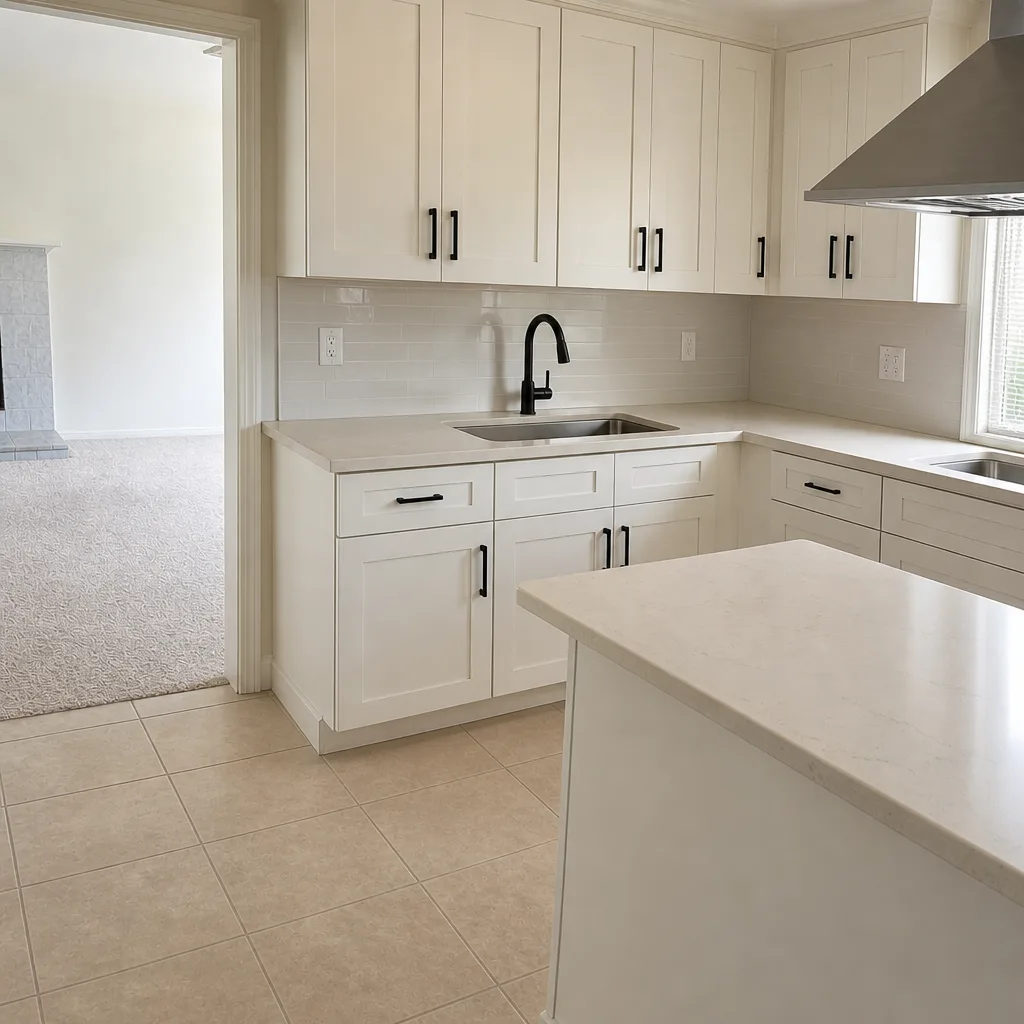 After
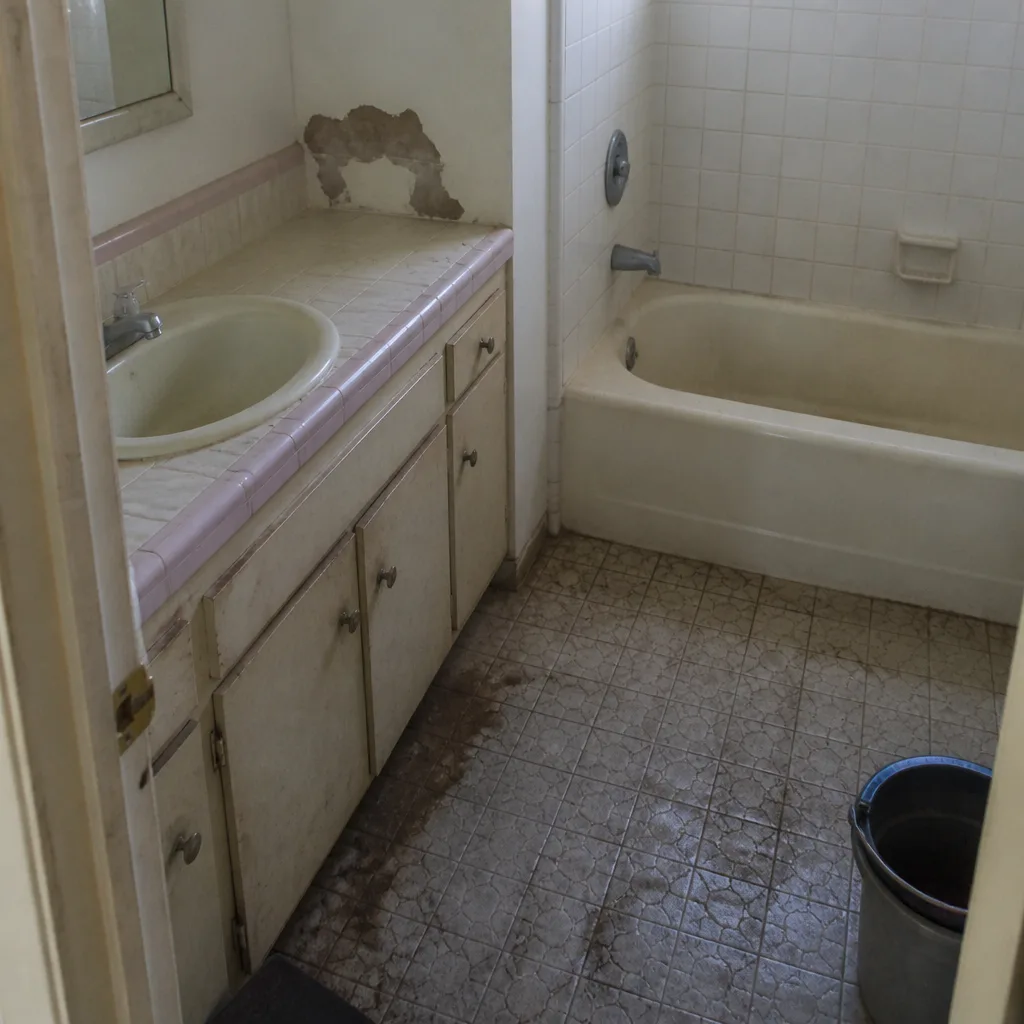 Before
 After
 Before
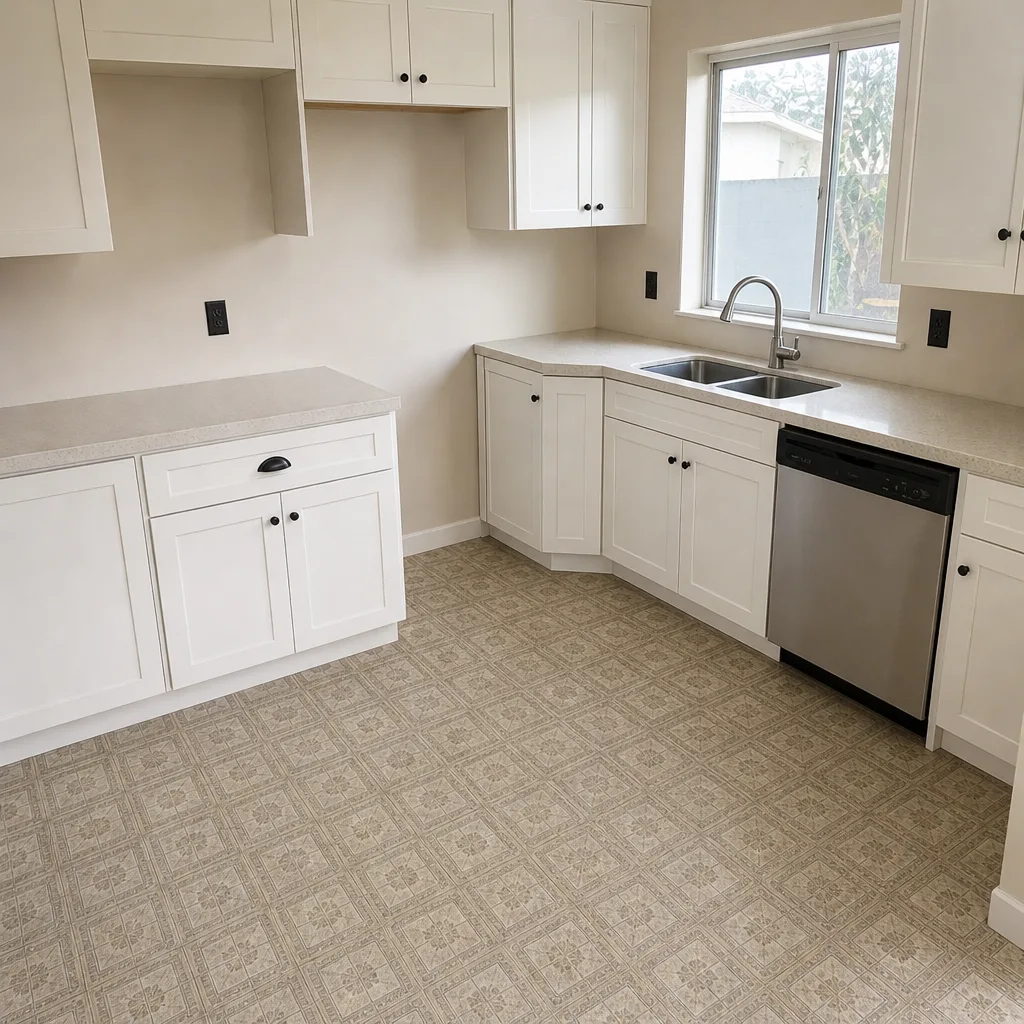 After
When to Call a Professional
If your remodel involves moving walls, upgrading an electrical panel, relocating plumbing, cutting new openings, or any change to the footprint, you’re past the point where a weekend crew is a safe plan. Those scopes touch the structural system, the gas and electrical systems, and the building envelope, and each one requires a permit, an inspection, and a licensed trade. If the schedule you’ve been handed skips the permit, the inspection, or the material order dates, the plan isn’t real. If your bathroom has old galvanized plumbing behind the wall or your kitchen panel is at capacity, that needs to be diagnosed before the design closes – not after the cabinets arrive. Bradford Remodeling Co Mission Viejo offers free estimates in Mission Viejo and the surrounding south Orange County area. Call (833) 734-2429 to schedule yours. Every estimate comes with a written price before any work starts and a schedule that shows the phases, the permit timeline, and the material order dates.
Frequently Asked Questions

A typical Mission Viejo kitchen remodel takes 6 to 10 weeks of construction and 3 to 5 months from contract to final inspection once you add permit review, cabinet lead time, and inspection scheduling. The single biggest determinant is cabinet lead time: custom cabinetry runs 8 to 16 weeks and needs to be ordered at permit submission, not after the permit issues. Bathroom projects run shorter, 3 to 5 weeks of construction and roughly 6 to 12 weeks end to end. Call (833) 734-2429 for an exact schedule for your project – estimates are free.
Because bids typically quote only the construction days, not the permit review, material lead times, or inspection scheduling that bracket the construction. A contractor can write “10 days” on a bid and be telling you the truth about the active work while hiding the 6 to 8 weeks of calendar time around it. Ask for a written schedule with phase dates before you sign anything. The Garrison Standard requires a written schedule with every project, and the 365-Day Done Right Promise covers the completed work for a full year after close.
Custom cabinetry (8 to 16 weeks), custom exterior windows and doors (6 to 14 weeks), and imported specialty tile (2 to 8 weeks) are the reliable long-lead categories. Semi-custom cabinetry runs 6 to 10 weeks, and stock cabinetry lines can ship faster but usually don’t have the exact configuration you specified. Countertops templated and fabricated from Cambria, Caesarstone, or similar quartz typically run 1 to 3 weeks after template. Plan cabinet and window orders at the permit submission date, not the day the permit clears.
Yes, expedited plan-check review is offered by many Orange County jurisdictions including Mission Viejo for an additional fee. Call the city’s building department directly and ask about the expedited review option, the current fee schedule, and whether your project scope qualifies. Expedited review can shave 2 to 4 weeks off a standard review, but only if your plan set is complete on the first submission – a resubmittal restarts the review clock regardless of the expedite fee.
Not when the price is in writing and the scope is documented. Bradford’s written price covers the defined scope, and change orders only apply when the homeowner requests an addition or a concealed condition surfaces that could not have been reasonably anticipated (for example, a wall that turns out to be load-bearing when the drawings showed it wasn’t). Even then, the change order is a written number before the added work begins – no numbers that move at the door. Call (833) 734-2429 for a written price on your project – estimates are free.
Yes. Permits are pulled for every Mission Viejo project that requires them, and inspections are passed before the project closes. This is not optional and it’s not negotiable – unpermitted work surfaces at resale and costs more to correct than it would have cost to permit correctly the first time. Every completed project carries the 365-Day Done Right Promise, which means if the work fails within the guarantee period we return and correct it at no charge. Call (833) 734-2429 to schedule a free estimate.
The Bottom Line
Remodel timelines almost never fall apart in the construction phase. They fall apart in permitting, material lead times, and inspection scheduling – the three phases most bids leave out. A kitchen that shows 10 construction days on the bid is a 10-week kitchen once you count the full calendar, and the contractor who puts the whole calendar in writing is the one who finishes on time. Get the scheduled phase dates, the permit submission date, and the material order dates in writing before you sign. If your schedule doesn’t have them, it isn’t a schedule yet.
Written by the team at Bradford Remodeling Co Mission Viejo.