Last updated November 17, 2026

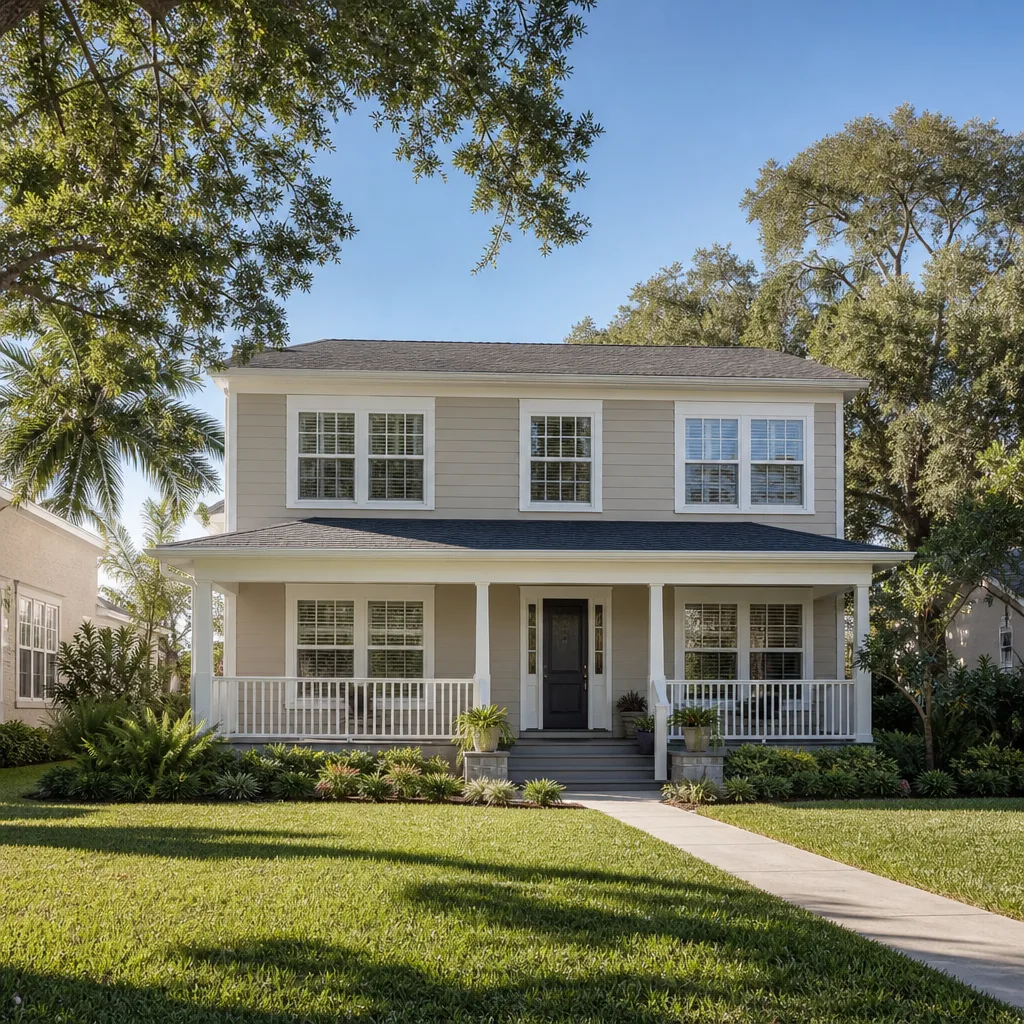
Free written scope consultation - allowances, timeline, and change-order rules on paper before a single trade is scheduled
The Complete Kitchen Remodeling Guide for Mission Viejo Homeowners
The average Mission Viejo home sold in 2024 at a price point where a mid-range kitchen remodel recoups roughly 67 cents on the dollar at resale – but the specific upgrades that drive that number are not the ones most showrooms push. Walk into any kitchen design center in South Orange County and you’ll be walked past the lighting and cabinetry aisles straight to the pro-style range wall, because appliance brands carry the highest margin and the thinnest resale return. The upgrades that actually move a Mission Viejo appraisal are quieter: layout, ventilation, and countertop material. This guide covers the three variables most remodeling guides skip – the city’s HOA review process when a venting change touches the exterior wall, Orange County’s rough-in inspection sequence and how it controls your timeline, and the resale math specific to this zip code’s price band. If you’ve been comparing contractors and getting vague answers, this is the page that gives you the real ones.
Quick Answer
A kitchen remodel in Mission Viejo typically runs $45,000 to $95,000 for a full gut renovation of a 1970s to 1990s tract home, with mid-range projects landing near $62,000 and premium projects above $110,000. Permits are required for any layout change, electrical, plumbing, or mechanical work, and the rough-in inspection – the county’s check of framing, wiring, and piping before drywall goes up – is the single biggest schedule driver in the whole job. Choose layout, ventilation, and countertop material first; those are the high-return categories in Mission Viejo’s resale market.
Styles & brands we work with
- Kitchen remodeling
- Bathroom remodeling
- Home additions & ADU
- Roofing
- Windows & doors
- Driveway & pavers
- Fence
Table of Contents
- Mission Viejo Kitchen Permits and the HOA Venting Rule
- Which Kitchen Upgrades Actually Return Value in Mission Viejo
- Structural Realities of Mission Viejo Tract Homes, 1970s to 1990s
- What a Written Kitchen Remodel Contract Must Specify
- How the Rough-In Inspection Controls Your Timeline
- Building a Realistic Mission Viejo Kitchen Budget
- A Realistic Week-by-Week Remodel Timeline
- What “Squared Away” Looks Like at Job Close
Mission Viejo Kitchen Permits and the HOA Venting Rule
Mission Viejo is a planned community, and that changes the permit conversation. Most homes sit inside a homeowners association, which means any change that alters the exterior appearance of the house – including a new or relocated range hood vent, a changed exterior wall penetration, or a different vent termination on the roof or sidewall – can trigger a separate architectural review on top of the city permit. The city of Mission Viejo issues the building permit. The HOA issues the approval for what the street and your neighbors see. They are two different processes, and skipping the second one after the first is approved is one of the most common and most expensive mistakes we see.
Here’s how the sequence usually runs:
- Scope review. Confirm whether your project moves a wall, adds or relocates a vent, changes a window, or alters plumbing locations. Any of these sets the permit path.
- HOA architectural request. Submit the vent termination detail, exterior wall penetration, and any visible exterior change to the association’s architectural committee. Review times vary by association, and some meet only monthly.
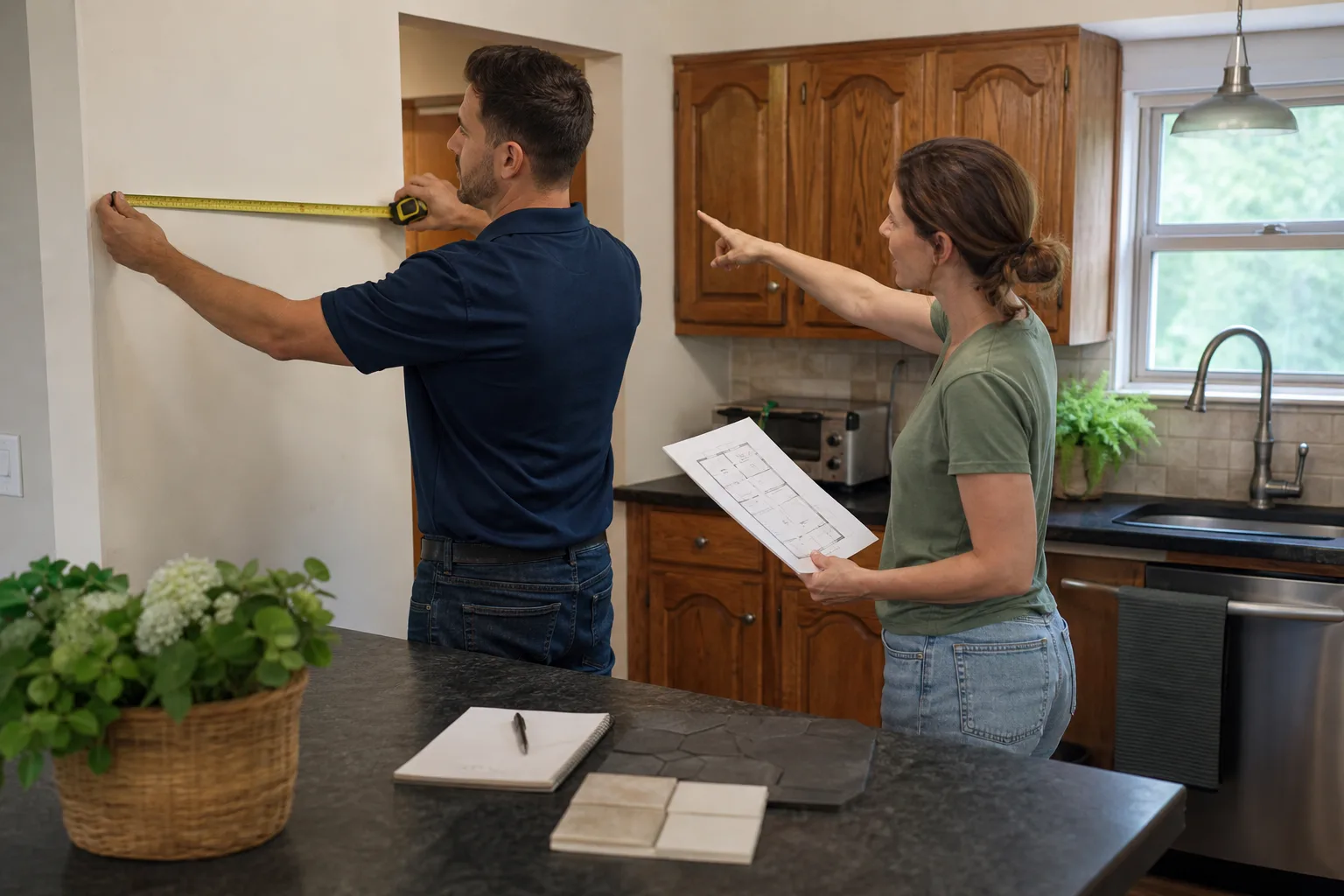
- City building permit. Submit plans for layout, electrical, plumbing, and mechanical work. Kitchen remodels that relocate a sink, range, or hood require plans; cosmetic swaps like cabinet fronts and paint typically do not.
- Rough-in inspection. The county or city inspector verifies framing, wiring, and piping before insulation and drywall. More on this below.
- Final inspection and sign-off. The permit closes only when the inspector signs off on the finished work.
The practical takeaway: get the HOA question answered before you buy the hood. We’ve watched homeowners purchase a 900 CFM insert only to learn their association won’t approve the exterior termination it requires. Our General Contractor in Mission Viejo team handles both sides of this review because a permit that passes the city but fails the association is not a closed permit.
Which Kitchen Upgrades Actually Return Value in Mission Viejo
Not every dollar you spend comes back. In South Orange County’s resale market, kitchen upgrades sort into three categories by return, and the ranking is remarkably consistent across Mission Viejo’s price band.
High-return: layout, ventilation, countertop material
- Layout. Opening a closed-off kitchen to the family room, fixing the work triangle, adding usable island seating. Buyers pay for light and flow, and this is where most of the 67-cent recovery is earned.
- Ventilation. A properly sized, ducted hood vented to the exterior. This is a functional upgrade, not a cosmetic one, and it shows in inspection and appraisal.
- Countertop material. Quartz and natural stone over laminate. We work with Cambria and Caesarstone slabs because their manufacturer specs and warranties are documented and traceable – and a documented spec is what makes a countertop an investment rather than a preference.
Moderate-return: cabinet refacing vs. replacement
Cabinet replacement returns less than most homeowners expect on its own; refacing returns a smaller dollar amount but a higher percentage. The honest answer depends on the boxes. If your 1980s cabinet boxes are solid and the doors are dated, refacing with a documented door line such as KraftMaid or Wellborn recovers well. If the boxes are water-damaged or the layout is wrong, replacement is the better call. The showroom won’t tell you this because refacing sells less.
Low-return: appliance brands
Appliance brands are the weakest resale dollar in the kitchen. A buyer will notice a functional range. They will not pay a premium for a badge. Spend on the vent and the layout before you spend on the range wall – that’s the honest order. When you’re ready to plan the rest of the house, our Bathroom Remodeling in Mission Viejo page covers how kitchen and bath budgets interact when both are on the same schedule.
Structural Realities of Mission Viejo Tract Homes, 1970s to 1990s
Mission Viejo’s housing stock spans roughly two decades of tract construction, and each era carries its own surprises. Knowing yours before demo day saves weeks and thousands.
Load-bearing peninsula walls. Many 1970s and early 1980s floor plans put a peninsula wall between the kitchen and the family room that looks cosmetic and isn’t. If it carries the roof or second-floor load, opening it requires a beam and engineering. The removal of a non-bearing wall is a weekend of framing. The removal of a bearing wall is a structural line item. The two are quoted very differently, so this determination comes before the contract, not after.
Galvanized plumbing. Homes from the 1970s often still carry galvanized steel supply lines. They rust from the inside out and restrict flow long before they leak. If the kitchen rough-in exposes them, replacing the runs is worth budgeting for while the walls are open.
Aluminum wiring. Some units built in the late 1960s through the mid-1970s used aluminum branch-circuit wiring. It’s workable but requires correct connectors and, often, a pigtail to copper at every device. This is an electrical safety item, not a cosmetic one – it needs a licensed electrician and its own inspection, and we won’t sign off on a kitchen that leaves it unresolved.
These three checks are the difference between a bid that holds and a bid that grows. Our Kitchen Remodeling in Mission Viejo team opens access and photographs each of these before quoting – because the number should be written once, before the first tool comes out.
What a Written Kitchen Remodel Contract Must Specify
The written price is the whole point. But a price without a spec is a number that can move, and the spec items that matter most are the ones a generic contract skips. Here is what a kitchen contract in Mission Viejo should pin down in writing before work begins:
- Cabinet species and grade. Not “maple cabinets” but the species, door style, box construction, and finish line. KraftMaid and Wellborn both publish spec sheets; the contract should name the line, not just the wood.
- Countertop slab lot number. Quartz and natural stone vary batch to batch. Recording the lot number means the slab you approved is the slab installed – no color surprise after the template.
- Appliance model numbers. Every appliance, by model number, so there’s no substitution at delivery.
- Grout joint width. Sounds small. It decides how the backsplash reads and how it holds up. State it.
- Exterior venting and HOA approval. Name the vent location and confirm the HOA decision is documented.
- The written guarantee. What is covered, for how long, and what triggers a return visit.
Bradford Remodeling operates under Bradford Remodeling Co Mission Viejo home and The Garrison Standard, which puts every price and every guarantee in writing before a single tool comes out. The 365-Day Done Right Promise is the written guarantee: if the work fails inside one year, we come back and correct it at no charge. No numbers that move at the door.
How the Rough-In Inspection Controls Your Timeline
Ask any contractor what drives a kitchen schedule and most will say cabinetry lead time. In our experience the rough-in inspection is the real gatekeeper – the point where the inspector verifies framing, electrical, plumbing, and mechanical before the walls close. Fail it, and the whole job waits. Pass it clean, and the second half of the project runs on autopilot.
Here’s what the inspection hold actually does, and how homeowners turn it into useful time rather than dead time:
- Framing check. The inspector confirms any structural change is built to plan and properly supported.
- Electrical rough-in. Boxes, wiring, and panel work are verified before drywall. Aluminum wiring remediation, if present, is confirmed here.
- Plumbing rough-in. Supply and drain lines are pressure-tested and slope-checked. If galvanized lines are being replaced, this is the inspection that covers it.
- Mechanical rough-in. Range hood ducting and vent terminations are checked against plan and against the approved exterior detail.
- Sign-off, then insulation and drywall. Nothing gets covered until the inspector signs.
What to do during the hold period: confirm countertop template timing against the slab lot, lock in appliance delivery against model numbers, and get the cabinet order confirmed. The inspection window is the natural moment to verify all three – it’s when the long-lead items need to be final anyway. A disciplined contractor schedules the inspection the moment framing opens up, not when it’s convenient.
Building a Realistic Mission Viejo Kitchen Budget
Below is a line-item range for a mid-range kitchen remodel in Mission Viejo. These are real ranges, not “call for a quote” placeholder figures. Premium finishes push the top of the range; keeping the layout and cabinet boxes pulls everything down.
- Demo and haul-away: $2,500 to $5,000
- Permits and HOA review: $800 to $2,500
- Rough-in (electrical, plumbing, mechanical): $6,000 to $14,000
- Cabinetry (replacement): $12,000 to $28,000
- Cabinet refacing (alternative): $5,000 to $11,000
- Countertops (quartz or natural stone): $5,000 to $12,000
- Backsplash and tile: $1,500 to $4,500
- Flooring: $2,500 to $7,000
- Ventilation and range hood: $1,200 to $4,000
- Appliances: $4,000 to $14,000
- Lighting and finishes: $1,500 to $4,000
Add a structural line if a peninsula wall turns out to be load-bearing, and an electrical line if aluminum wiring requires remediation. Both are knowable before the contract – which is why we open access and inspect first. Every price we quote is written before work starts, and the guarantee that backs it is written too. That’s the discipline behind the number.
A Realistic Week-by-Week Remodel Timeline
A full kitchen remodel in Mission Viejo runs eight to twelve weeks when the inspection passes clean. Here’s the honest shape of it:
- Weeks 1 to 2: Finalize written spec and contract. Submit HOA architectural request if the exterior changes. Submit city permit. Order long-lead cabinets.
- Weeks 3 to 4: Demo, haul-away, and access opening. Photograph the plumbing, wiring, and framing behind the walls.
- Weeks 4 to 6: Framing, structural work if needed, and rough-in for electrical, plumbing, and mechanical.
- Week 6: Rough-in inspection. Nothing moves past this point until it signs off.
- Weeks 7 to 8: Insulation, drywall, tape, texture, and paint.
- Weeks 8 to 10: Cabinet install, countertop template, and countertop fabrication.
- Weeks 10 to 12: Countertop install, backsplash, appliance install, lighting, final inspection, and close.
The cabinet order is the reason we push the spec to the front. Cabinetry lead time is the longest single item, and it overlaps with permit processing – a delay in one delays the other.
What “Squared Away” Looks Like at Job Close
A finished kitchen is not the same as a closed job. At close, we hand the homeowner three things in writing: the final documented scope as built, the signed 365-Day Done Right Promise, and the permit sign-off confirming the job closed legally. The site is clean, the punches are done, and the guarantee is in hand. That’s The Garrison Standard – the framework that runs every Bradford Remodeling project. We’re a member of the Garrison Partners family, independently owned and operated, and we hold to it on every job. Background-checked, uniformed technicians arrive on schedule, and a live person answers the phone if anything needs attention after the final walkthrough.
Common Mistakes to Avoid
- Buying the hood before the HOA approves the vent. A relocated or enlarged exterior vent termination can require association architectural review. Confirm approval before the appliance is ordered.
- Assuming the peninsula wall is cosmetic. In Mission Viejo’s 1970s and 1980s tract homes, many peninsula walls carry structural load. Verify before signing a demo contract, not after.
- Leaving galvanized plumbing in the wall. Reopening finished walls later costs far more than replacing the runs during rough-in. Budget for it while the walls are open.
- Accepting “maple cabinets” as a spec. Species and grade are two different things. A line item that names the wood but not the construction is a number that can move.
- Skipping the countertop slab lot number. Without it, a batch color variation is very hard to dispute at install.
- Treating the rough-in inspection as paperwork. It’s the schedule gatekeeper. If the contractor isn’t scheduling it the moment framing opens up, the timeline is already slipping.
- Spending on appliance brands before layout and ventilation. The lowest-return category in a Mission Viejo resale is the one most showrooms push first.
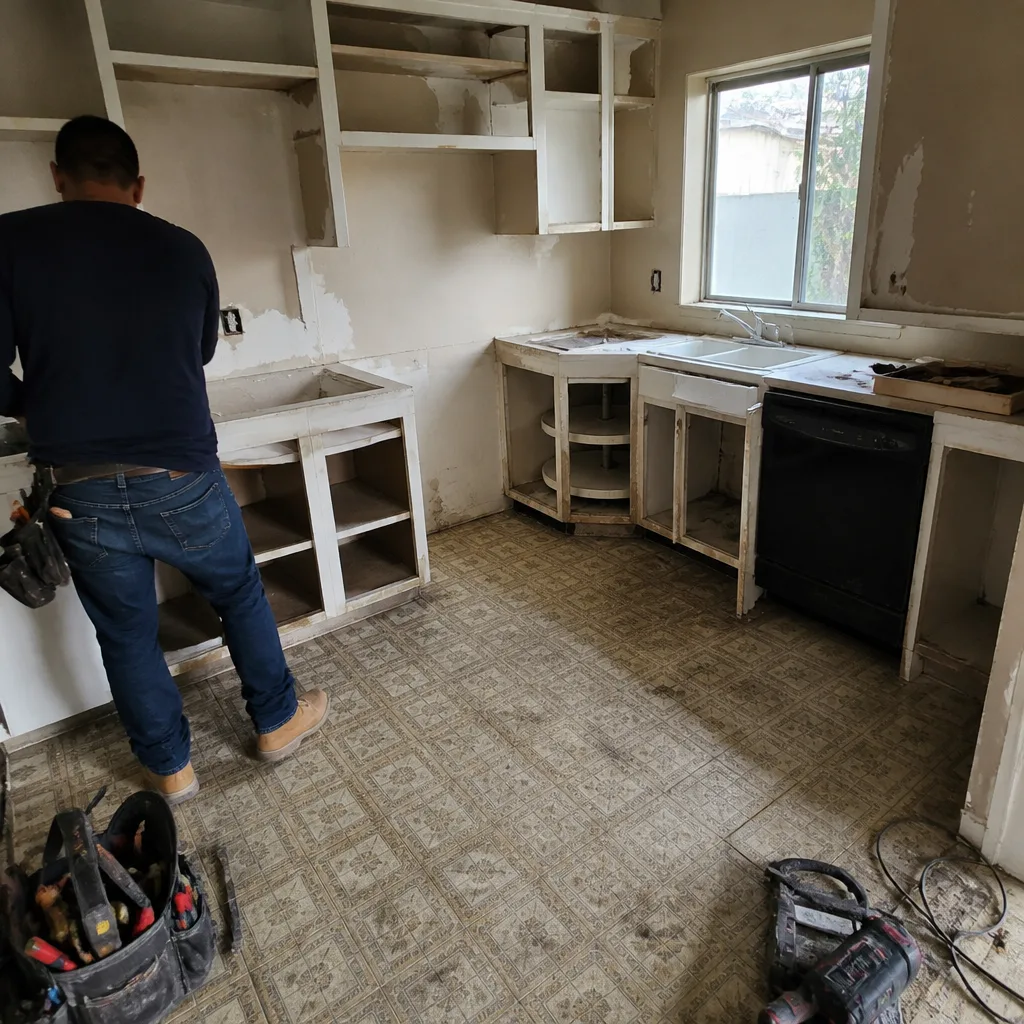
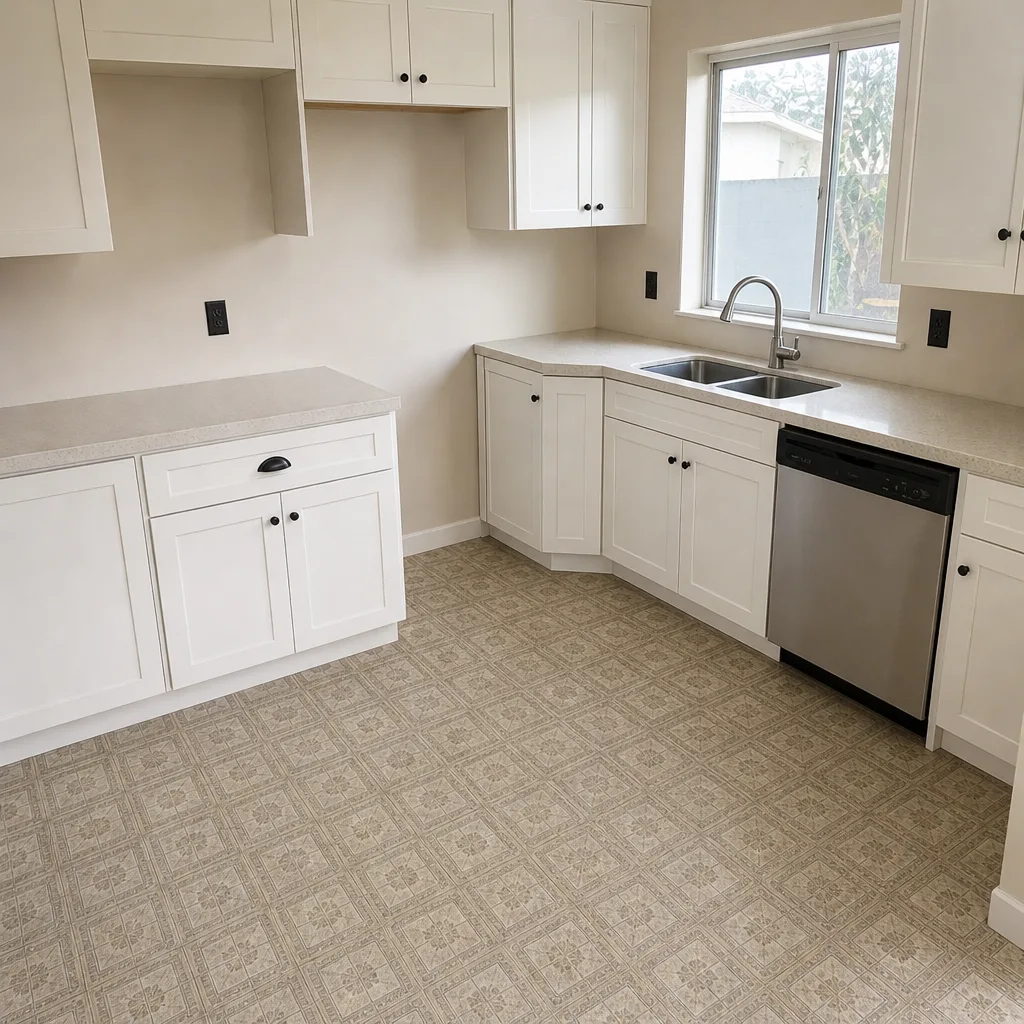
See the difference
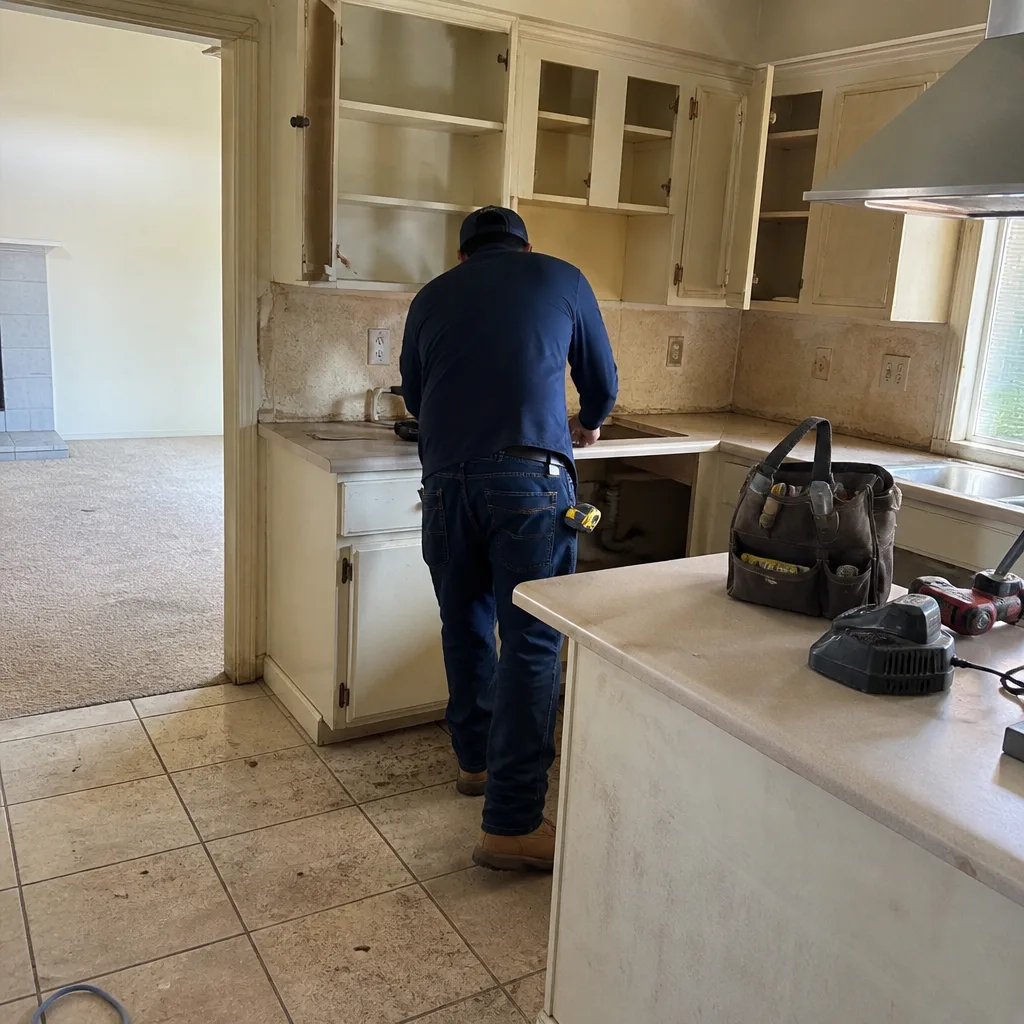 Before
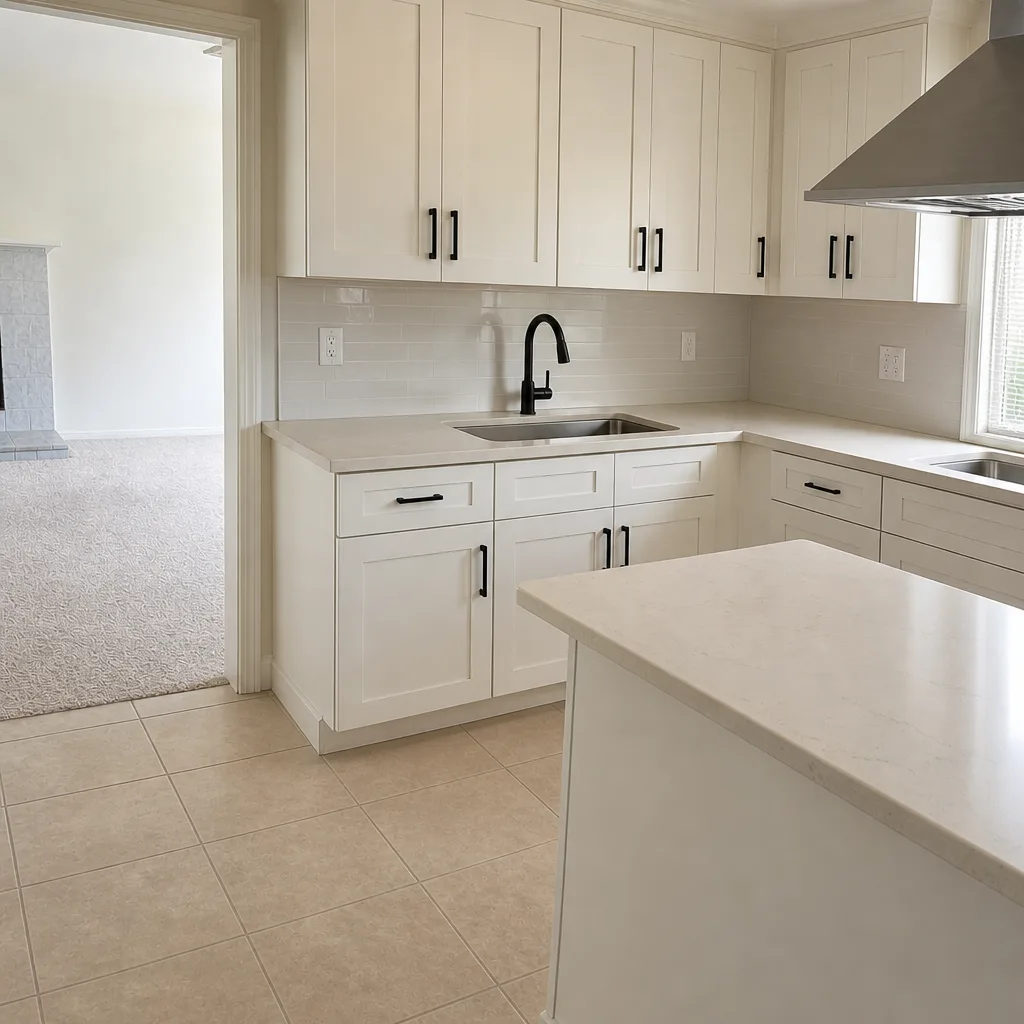 After
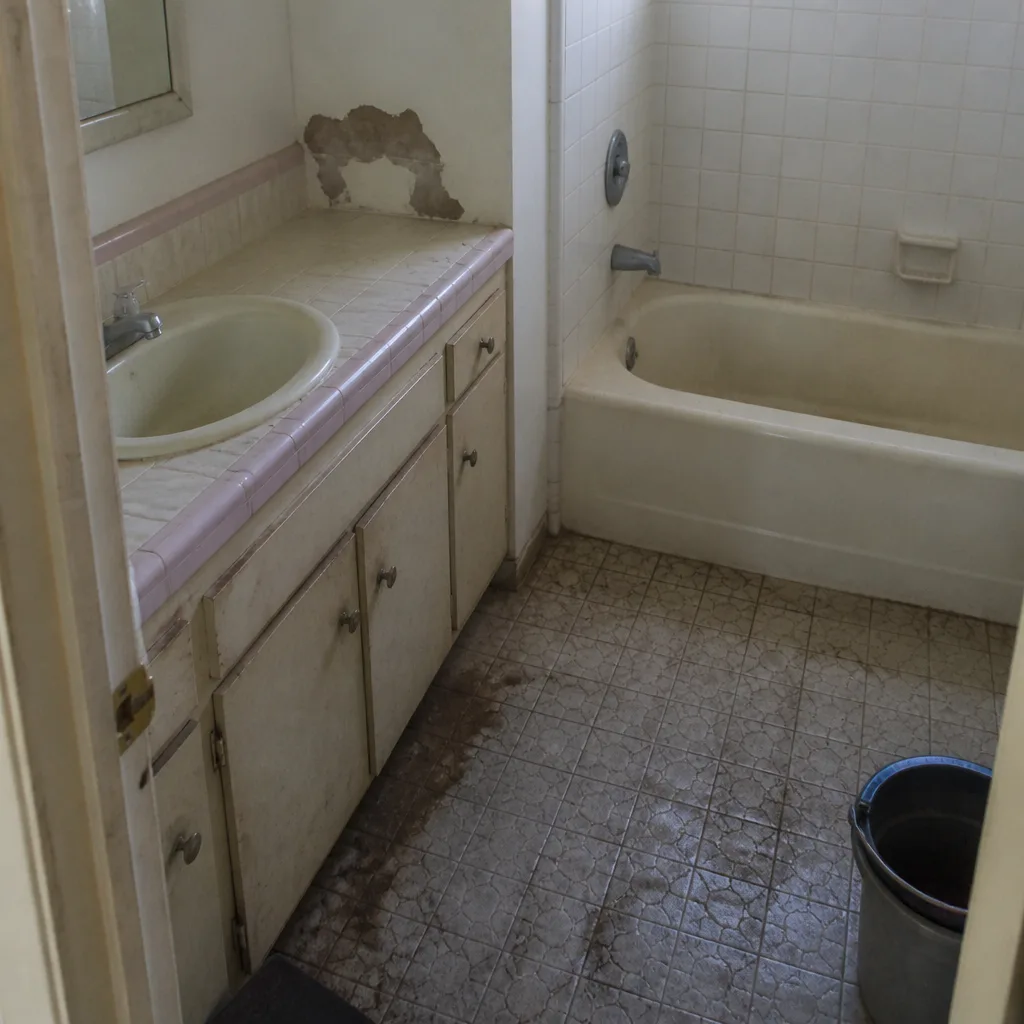 Before
 After
 Before
 After
When to Call a Professional
Call a licensed contractor when your project touches structure, electrical, plumbing, mechanical, or the exterior envelope – which is most real kitchen remodels. Specific moments: when you’re considering removing a peninsula or any wall you can’t confirm is non-bearing; when aluminum wiring or galvanized plumbing is present; when a venting change touches the exterior wall and an HOA review applies; and when a permit will be required (which is any layout, electrical, plumbing, or mechanical change). Bradford Remodeling Co Mission Viejo offers free estimates in Mission Viejo – call (833) 734-2429. We open access, inspect the three structural risks, and write the price and the guarantee before work begins.
Frequently Asked Questions

A full gut kitchen remodel in Mission Viejo typically costs $45,000 to $95,000 for a 1970s to 1990s tract home, with mid-range projects near $62,000 and premium projects above $110,000. The written price is fixed before work begins, and the guarantee is written too. Call (833) 734-2429 for a free estimate – estimates are free.
Yes – any layout change, electrical, plumbing, or mechanical work requires a city building permit, and any change to the exterior appearance (including venting changes) may also require HOA architectural approval. The two processes are separate, and both need to close before the job is done.
Often, yes. A new or relocated exterior vent termination changes the outside of the house, which can trigger the association’s architectural review. Get the association’s answer before ordering the hood, because the appliance choice depends on the approved termination.
No. Many 1970s and 1980s Mission Viejo tract homes put load-bearing peninsula walls in that location. Whether it can come out depends on whether it carries load, which only an on-site inspection can confirm. Structural removal is a different line item from non-bearing removal.
A full kitchen typically takes eight to twelve weeks, with the rough-in inspection as the main schedule gatekeeper. Cabinetry lead time and HOA review run in parallel and can extend the front end. Call (833) 734-2429 to get a written schedule with the written price.
Every completed Bradford Remodeling project carries a full one-year written guarantee: if the work fails inside that window, we come back and correct it at no charge. The scope of the guarantee is stated in writing at job close, alongside the documented as-built scope and the permit sign-off. Call (833) 734-2429 for details on your project.
The Bottom Line
A Mission Viejo kitchen remodel rewards discipline more than it rewards spending. Spend on layout, ventilation, and countertop material; treat cabinet replacement and refacing as a considered trade; and keep appliance badges at the bottom of the priority list. Resolve the HOA venting question before you buy the hood, verify the structural risks before you sign the demo contract, and treat the rough-in inspection as the schedule gatekeeper it is. And get everything in writing – cabinet species and grade, slab lot number, appliance model numbers, grout joint width, the written price, and the 365-Day Done Right Promise. That’s what squared away looks like.
Ready to Price Your Mission Viejo Kitchen?

If you’re planning a kitchen remodel and want a number you can plan around instead of a range that grows, call (833) 734-2429 to schedule your free estimate. We’ll open access, inspect the structural and inspection realities of your specific home, and write your price and your guarantee before a single tool comes out. A live person answers the phone, and every completed project carries the 365-Day Done Right Promise.
Written by the team at Bradford Remodeling Co Mission Viejo.