Last updated November 17, 2026

Free written scope consultation - allowances, timeline, and change-order rules on paper before a single trade is scheduled
Construction Cost Breakdown: The Mission Viejo Homeowner’s Reference for 2026
Most remodeling cost guides quote a national average kitchen remodel at roughly $27,000. In Mission Viejo, the real floor for a licensed, permitted, HOA-compliant kitchen with mid-grade materials sits closer to $52,000. That gap of $25,000 isn’t padding or contractor greed. It’s Orange County labor rates, Title 24 energy compliance, HOA material approvals, and hillside lot logistics stacked on top of each other. Understanding why that gap exists is the single most useful thing you can know before you budget a project here. This reference walks through each cost driver line by line, so the number on a bid stops being a mystery and starts being something you can check.
Quick Answer
Construction costs in Mission Viejo in 2026 run roughly 25 to 40 percent above national averages across most trades, driven by Orange County labor rates, Title 24 energy compliance, HOA material specifications, and hillside grading logistics. A mid-grade kitchen remodel here typically lands between $52,000 and $95,000, a full bathroom between $22,000 and $48,000, and whole-home remodels start near $180 per square foot. The right way to budget is to separate fixed costs from allowances before you sign anything.
Styles & brands we work with
- Kitchen remodeling
- Bathroom remodeling
- Home additions & ADU
- Roofing
- Windows & doors
- Driveway & pavers
- Fence
Table of Contents
- Why Orange County Labor Costs More Than the National Average
- Title 24 Energy Compliance: What It Actually Adds to Your Budget
- HOA Material Specifications and the Real Cost of “Approved”
- Hillside Lot Logistics: Grading, Shoring, and Access
- Line-Item Cost Ranges by Trade for Mission Viejo Projects
- How to Read a Contractor’s Bid Line by Line
- Fixed Costs vs. Allowances: Which Numbers Can Move
- Common Mistakes to Avoid
Why Orange County Labor Costs More Than the National Average
When a national cost calculator gives you a labor figure, it’s averaging crew wages from Texas, Ohio, and rural Georgia into that number. Mission Viejo sits inside one of the most expensive labor markets in the country, and every trade reflects it. Framing crews, electricians, plumbers, tile setters, and finish carpenters all bill at a premium here because the cost of living, permitting complexity, and demand from surrounding cities like Irvine, Laguna Niguel, and Rancho Santa Margarita keep the market tight.
Here’s how the premium breaks down across the trades in our experience:
- Framing: 30 to 45 percent above national average. Mission Viejo framers are in constant demand and rarely discount on small jobs.
- Electrical: 25 to 40 percent above national average. Licensed electricians in Orange County charge more because the local permit load is heavy and code enforcement is strict.
- Plumbing: 25 to 35 percent above national average. Repiping and rough-in work on older Mission Viejo housing stock runs higher because access is often complicated.
- Tile setting: 20 to 35 percent above national average. Tile is labor-intensive, and the local labor supply for skilled setters is thin.
- Finish carpentry: 30 to 50 percent above national average. Trim work, cabinetry installs, and door hanging require craftsmen who can meet California finish standards.
A $12,000 framing line on a national bid could easily be $16,800 here. Same scope, same materials, different market. That’s not a markup you can negotiate away. It’s the cost of doing business in Mission Viejo, and any contractor who quotes you national rates and then “discovers” the difference mid-project wasn’t being honest with you at signing.
Title 24 Energy Compliance: What It Actually Adds to Your Budget
California’s Title 24 energy code is the most demanding in the country, and it hits every remodel that touches the building envelope. In Mission Viejo, a kitchen remodel that opens a wall, a bathroom that replaces a window, or a whole-home project that touches insulation will all trigger Title 24 review. The cost isn’t one line item. It’s spread across insulation, glazing, HVAC equipment, and the paperwork that proves the work complies.
Here’s what Title 24 upgrades typically add on common Mission Viejo project types:
- Insulation upgrades: $1,200 to $3,800 per project when walls are opened. Attic insulation must meet R-38 minimums; wall insulation must meet R-13.
- Window replacement: $450 to $1,100 per unit for Title 24-compliant dual-pane units that meet U-factor and SHGC requirements. Mission Viejo homes built before 1990 often need full window packages when a project opens exterior walls.
- HVAC upgrades: $4,500 to $12,000 when a remodel forces system replacement. Title 24 requires high-efficiency equipment, duct sealing, and often a manual J load calculation.
- Compliance documentation: $300 to $800 for the energy compliance report and inspection coordination. This is a real cost and a legitimate line item on a bid.
Title 24 isn’t optional, and any contractor who doesn’t have it in the bid is either cutting corners or going to hand you the bill later. Ask for the Title 24 compliance report as part of the written scope. If it isn’t there, the bid isn’t complete.
HOA Material Specifications and the Real Cost of “Approved”
Large parts of Mission Viejo sit under HOA jurisdiction, and HOA architectural review boards restrict the materials you can use on exterior projects. Roofing, siding, paint color, window frames, and hardscape materials frequently require HOA approval before work begins. That approval process adds time, and the material restrictions add cost, because the cheapest option isn’t always the approved option.
Where the HOA cost hit shows up most often:
- Roofing: HOA-approved shingle profiles from GAF or Owens Corning often run $1,500 to $4,000 above commodity shingles. Some communities mandate tile, which adds $4 to $8 per square foot.
- Siding: James Hardie fiber cement is approved in most communities, but specific colors and profiles carry a premium over standard product.
- Windows: Frame color and grille patterns are almost always HOA-regulated. Matching an existing profile can cost $85 to $200 more per window than a standard replacement.
- Hardscape: Belgard pavers in HOA-approved colorways cost $14 to $28 per square foot installed, versus $9 to $16 for non-approved products.
We’ve seen homeowners pay for materials, have them rejected at the HOA review, and buy them again in an approved specification. That trap is avoidable. Get the current architectural guidelines from your HOA before you sign a contract, and make sure the bid names the exact approved products. A written price is only meaningful if the products in it are the ones you’re allowed to install.
Hillside Lot Logistics: Grading, Shoring, and Access
Mission Viejo sits on rolling terrain, and a meaningful share of its housing is built on elevated lots with sloped grades. Hillside properties add real cost to a remodeling project that flat-lot cost calculators don’t account for. Grading, shoring, and site access all carry a logistics surcharge that can add $15 to $45 per square foot on foundation and frame work.
What drives the surcharge:
- Grading: $3,500 to $14,000 depending on cut and fill volume. Sloped lots often need site prep before any construction can begin.
- Shoring: $4,000 to $18,000 when excavation is required next to an existing structure. Soils engineering reports are typical and cost $800 to $2,200.
- Access: $1,200 to $5,000 in additional cost when trucks can’t reach the work area. Material staging and hauling on steep driveways slows a crew, and that time is on the bid.
- Drainage: $2,500 to $9,000 for proper site drainage. Sloped lots shed water onto neighbors’ property if drainage isn’t handled, and Mission Viejo gets enough winter rain to make this a real issue.
We’ve seen projects on elevated lots in Mission Viejo run 20 percent higher than the same scope on a flat lot in a nearby neighborhood. If your property is on a slope, plan on that surcharge and ask your contractor to price the site work separately from the construction work so you can see exactly what the hillside is costing you.
Line-Item Cost Ranges by Trade for Mission Viejo Projects
Here are the ranges we most often see across Mission Viejo projects in 2026, separated by scope. Use these as a reference point, not a quote. A written price from a licensed contractor is the only number that actually matters.
- Kitchen remodel, mid-grade: $52,000 to $95,000. Includes KraftMaid or Wellborn cabinetry, Cambria or Caesarstone countertops, Kohler or Moen fixtures, and Title 24 compliance where applicable.
- Kitchen remodel, high-end: $95,000 to $180,000. Custom cabinetry, full tile backsplash, appliance package, structural work.
- Bathroom remodel, full: $22,000 to $48,000. Includes tile, vanity, Kohler fixtures, and plumbing rough-in adjustments.
- Bathroom remodel, primary suite: $48,000 to $85,000. Multiple showerheads, freestanding tub, custom tile work.
- Whole-home remodel: $180 to $340 per square foot. Mission Viejo homes averaging 2,000 to 2,800 square feet typically land between $360,000 and $920,000 depending on scope.
- Room addition: $260 to $420 per square foot. Hillside lots push toward the upper end.
- Exterior repaint, HOA-compliant: $4,500 to $12,000 depending on home size and prep work.
- Roof replacement, shingle: $12,000 to $28,000 for a typical Mission Viejo roofline with HOA-approved product.
If you’re comparing these numbers to what a national calculator tells you, you’ll see the gap immediately. That’s the whole point of this reference. Local pricing reflects local truth.
How to Read a Contractor’s Bid Line by Line
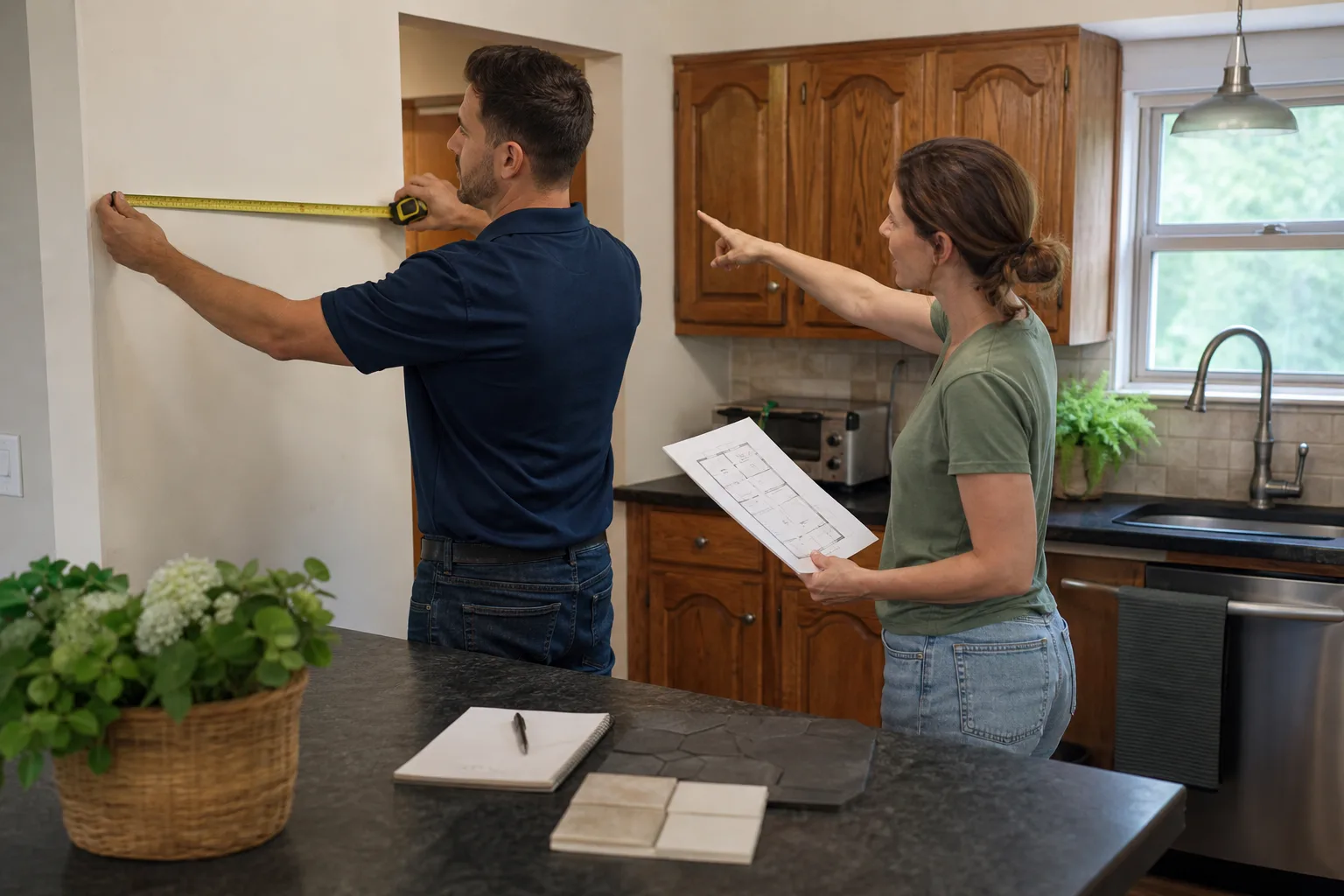
A bid is not a single number. It’s a stack of line items, and every one of them has a question attached. The homeowners who get burned are the ones who accepted a lump-sum number without reading what was inside it. Here’s how to walk through a bid so you know exactly what you’re agreeing to.
- Read the demo line first. What’s being removed, and is disposal included? “Demo” without a disposal line means you might be paying for a dumpster after you’ve already signed.
- Look for a Title 24 line. If it isn’t there on a project that touches the envelope, the bid is incomplete. Ask why.
- Separate fixed costs from allowances. A fixed cost is a number the contractor is committing to. An allowance is a placeholder that changes when you pick a product. Every allowance should have a stated dollar amount and a stated product specification.
- Check the permit line. Who pulls the permit? Who pays for the inspection? Is the permit fee inside the bid or billed separately?
- Read the material specifications. A cabinet line that says “cabinet allowance” is not the same as one that says “KraftMaid in a specific door style, specified color.” The more specific the line, the less room for a price shuffle.
- Verify the warranty language. A written guarantee is a line item on the bid. If the bid doesn’t state a guarantee period, ask where it lives.
- Compare apples to apples. If one bid names specific materials and another says “allowance,” they aren’t comparable. Price the allowances yourself and compare the fixed costs.
Bradford Remodeling Co Mission Viejo builds every bid as a written scope with fixed prices and named products, backed by Bradford Remodeling Co Mission Viejo. You see the number before work starts, and the number doesn’t move at the door.
Fixed Costs vs. Allowances: Which Numbers Can Move
Every number on a bid falls into one of two categories. Fixed costs are locked when you sign. Allowances are placeholders that move as you make selections. Understanding which is which is how you protect yourself from a surprise invoice.
- Fixed: Labor, permits, title 24 compliance, demolition, disposal, inspection, and warranty coverage. These numbers should not change during the project. If one moves, you need a signed change order with a written reason.
- Allowance: Countertops, tile, cabinetry hardware, fixtures, lighting, and appliances. These move based on your selections. Every allowance should name a specific product and a specific dollar amount so you can see where the trade-offs are.
- Contingency: 10 to 15 percent of the total project cost, set aside for conditions the contractor can’t see until demolition. Water damage behind a shower wall is the classic example. A legitimate bid names contingency openly and explains how it’s spent.
We write every scope with the fixed costs fixed and every allowance broken out by product. If a bid shows you allowances without specific products attached, ask which products the allowances are sized for. That question alone can save you $10,000 on a kitchen.
Common Mistakes to Avoid
- Using a national cost calculator to set your budget. A calculator built on Texas labor rates will undershoot your Mission Viejo project by 25 to 40 percent. Budget from local ranges or your first number will be wrong.
- Not checking HOA guidelines before signing. Buying HOA-rejected materials and then buying them again doubles that line item. Pull the architectural guidelines first.
- Accepting a lump-sum bid with no line-item detail. If you can’t see what’s inside the number, you can’t verify what’s fixed and what’s an allowance. Ask for the line items before you sign.
- Ignoring hillside site work. If your lot is sloped or elevated, the grading, shoring, and drainage costs need to be in the bid from day one. A “we’ll see” answer on site work is a red flag.
- Assuming Title 24 doesn’t apply. Any project that touches the envelope triggers it in Mission Viejo. The compliance report belongs in the bid.
- Comparing bids by total, not scope. A $52,000 bid and a $68,000 bid are not the same project. The lower one may be missing Title 24, permits, or a disposal line.
- Skipping the written warranty. A guarantee that lives only in conversation is not a guarantee. Ask for the written scope and the guarantee term before work starts.
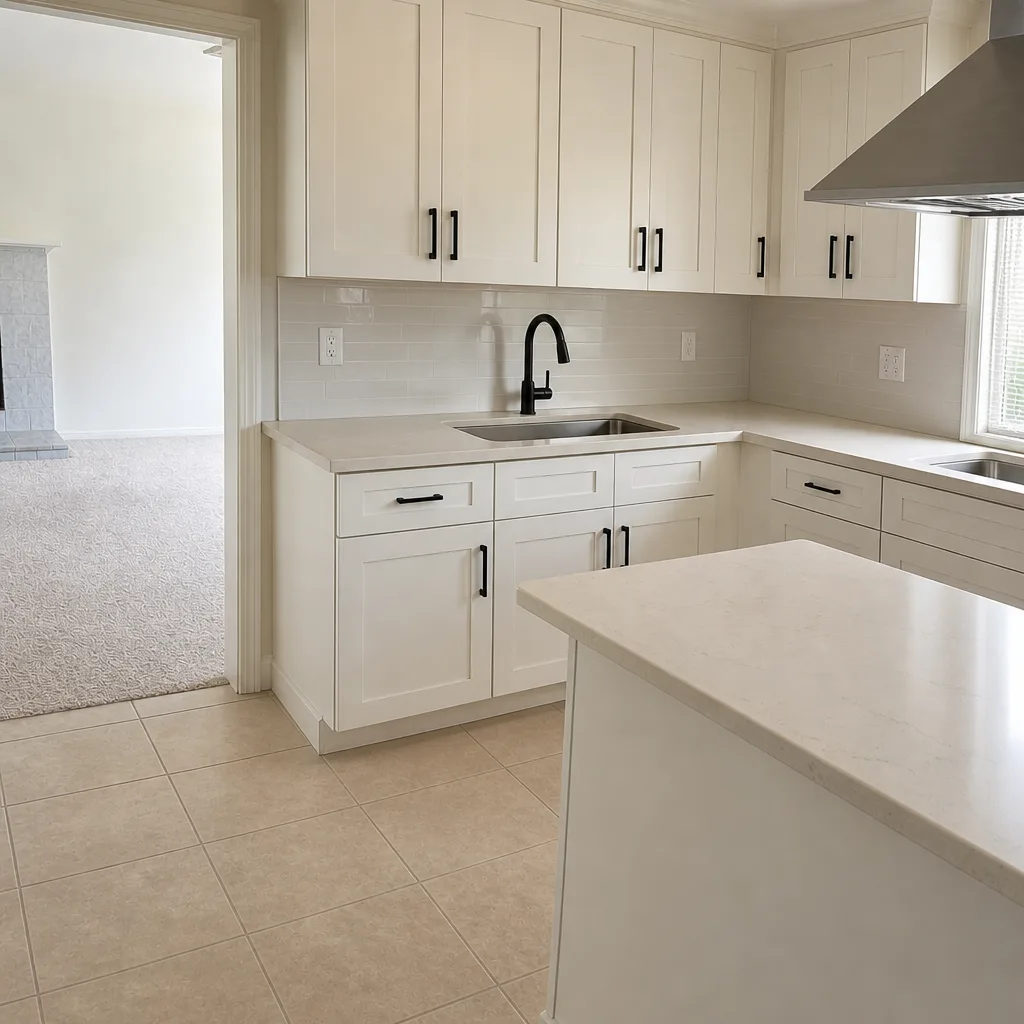
See the difference
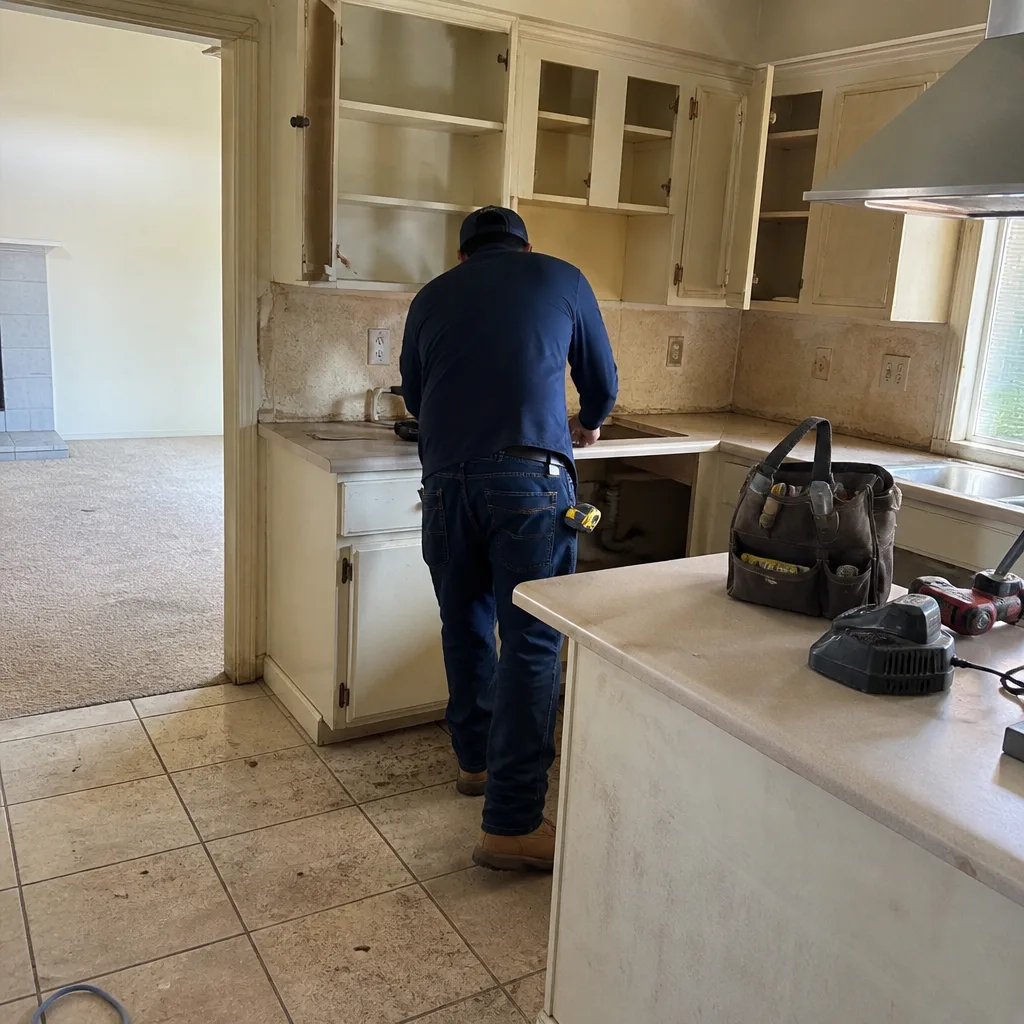 Before
 After
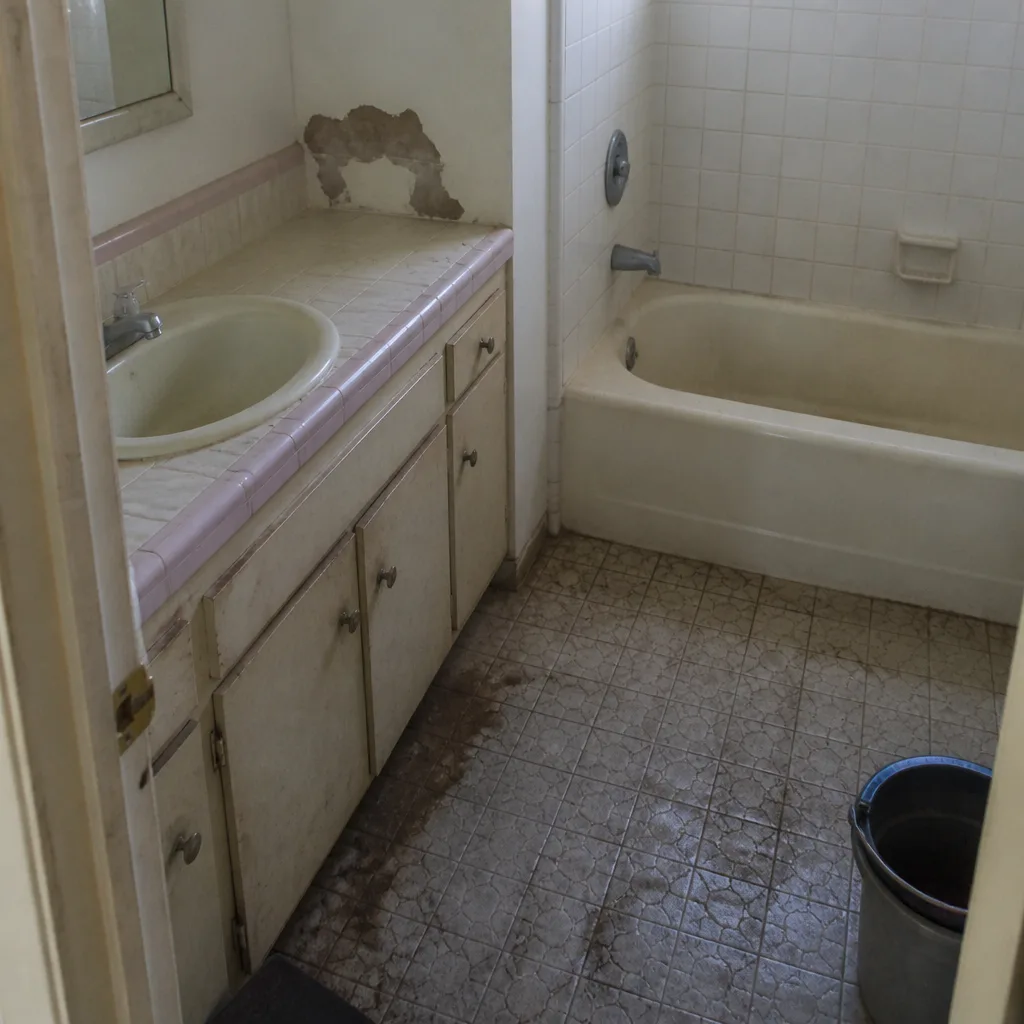 Before
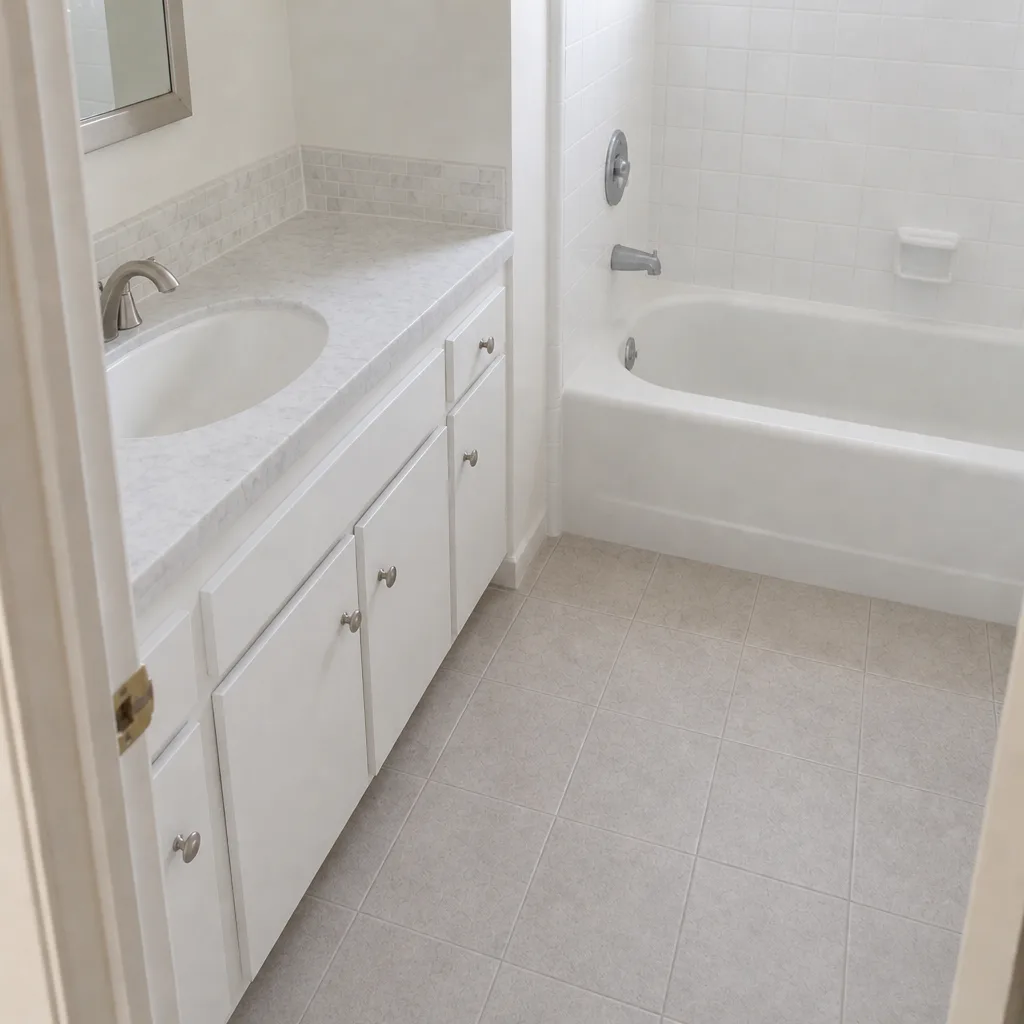 After
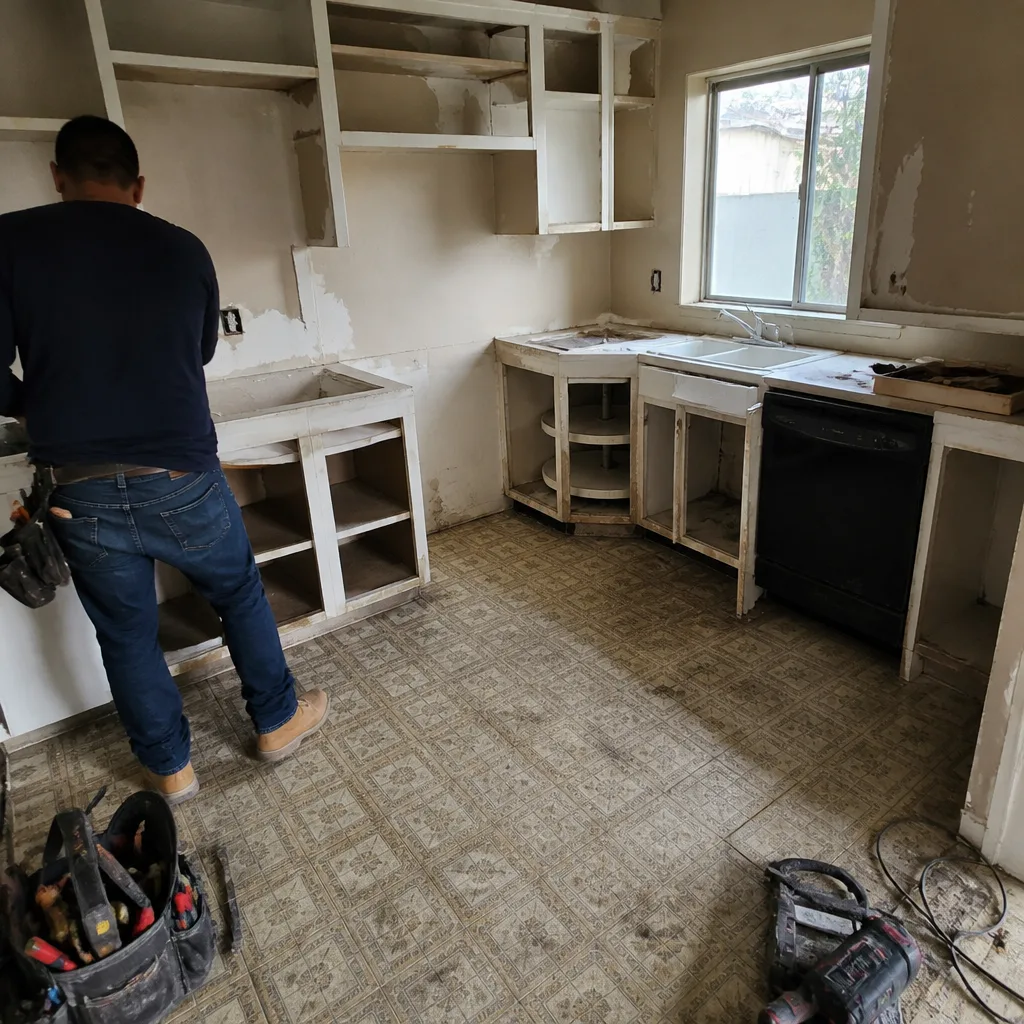 Before
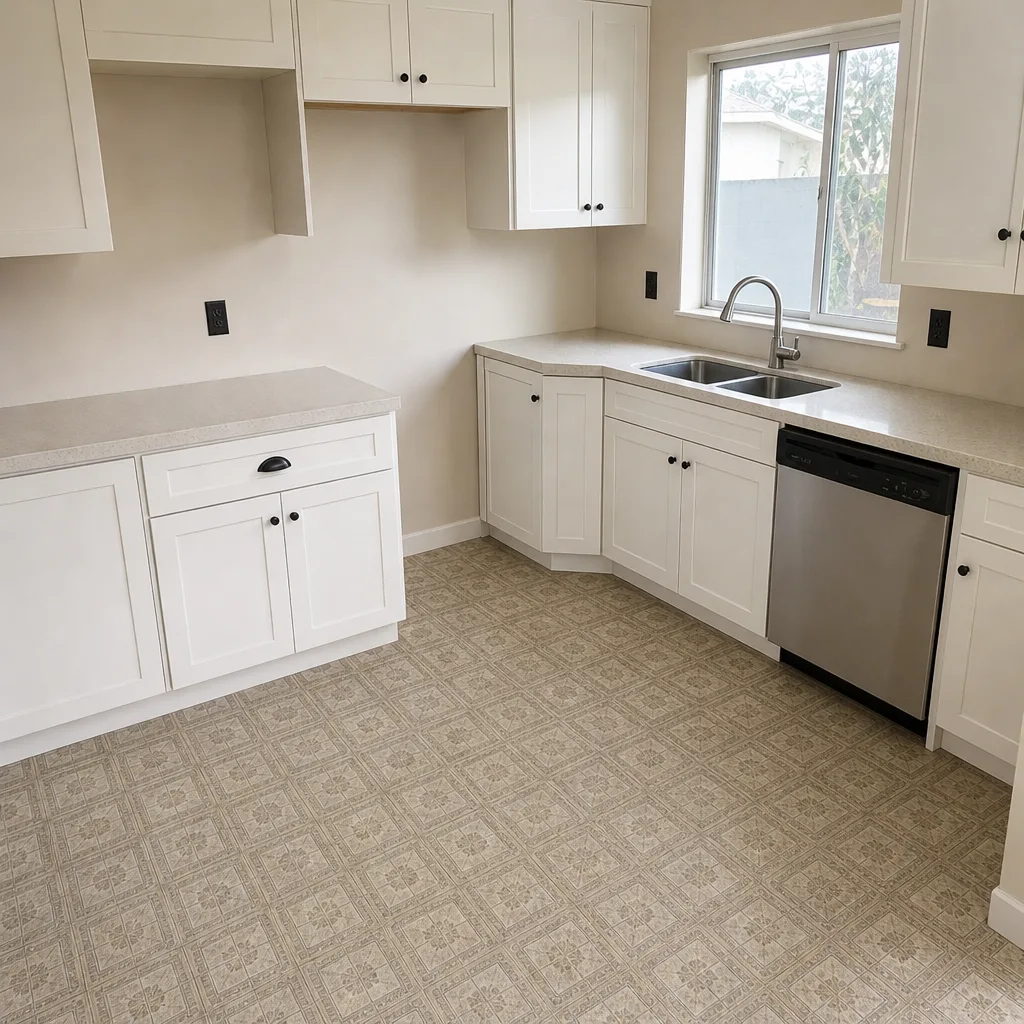 After
When to Call a Professional
Some jobs need a contractor’s signature for a straightforward reason: they touch the permit system. Anything that changes structure, moves plumbing or electrical, triggers Title 24, or requires HOA approval should not be done by a homeowner or an unlicensed handyman. That includes a wall you want removed, a bathroom you want relocated, a window swap on an exterior wall, or any kitchen project that opens the footprint. The permit and inspection chain protects you when you sell the house and protects your neighbor when you remodel a hillside lot. Bradford Remodeling Co Mission Viejo offers free estimates in Mission Viejo with written, line-item pricing before any work begins. Call (833) 734-2429 to schedule yours, and bring your HOA guidelines and your title report if you have them. The more we can see up front, the more accurate the written price will be.
Frequently Asked Questions
A mid-grade kitchen remodel in Mission Viejo typically lands between $52,000 and $95,000, and high-end projects range from $95,000 to $180,000. The floor is higher than national averages because Orange County labor, Title 24 compliance, HOA material approvals, and hillside logistics all add cost. Call (833) 734-2429 for a written, line-item estimate on your specific kitchen – estimates are free.
Mission Viejo remodeling runs 25 to 40 percent above national averages because of four stacked cost drivers: Orange County labor rates, Title 24 energy compliance, HOA material specifications, and hillside lot logistics. Each one adds real dollars to the bid. None of them are negotiable. Any contract that omits them will price higher later.
Title 24 applies to any Mission Viejo remodel that touches the building envelope, including window replacement, insulation work, and HVAC changes. Plan on $1,200 to $12,000 in compliance costs depending on scope. The compliance report should be a named line item on any bid, not an “included” footnote.
Fixed costs are labor, permits, Title 24 compliance, demolition, disposal, and warranty coverage; allowances are materials you haven’t selected yet. Every allowance on a well-written bid names a specific product and dollar amount. If an allowance doesn’t name a product, ask for the specification before you sign. Call (833) 734-2429 for a bid that separates the two clearly – estimates are free.
Most Mission Viejo communities require HOA architectural review for roofing, siding, paint, windows, and hardscape. Approval adds both time and material cost, because the approved option often carries a premium over the standard option. Pull your HOA guidelines before signing any contract and match the bid to the approved specification.
A whole-home remodel in Mission Viejo typically runs 5 to 9 months, with hillside lots and HOA approvals pushing toward the longer end. Kitchen-only projects run 8 to 14 weeks and bathrooms 4 to 8 weeks. The bid should state a schedule range, not a promise, because site conditions drive the real timeline. Call (833) 734-2429 to talk through your project scope and get a written schedule estimate.
The Bottom Line
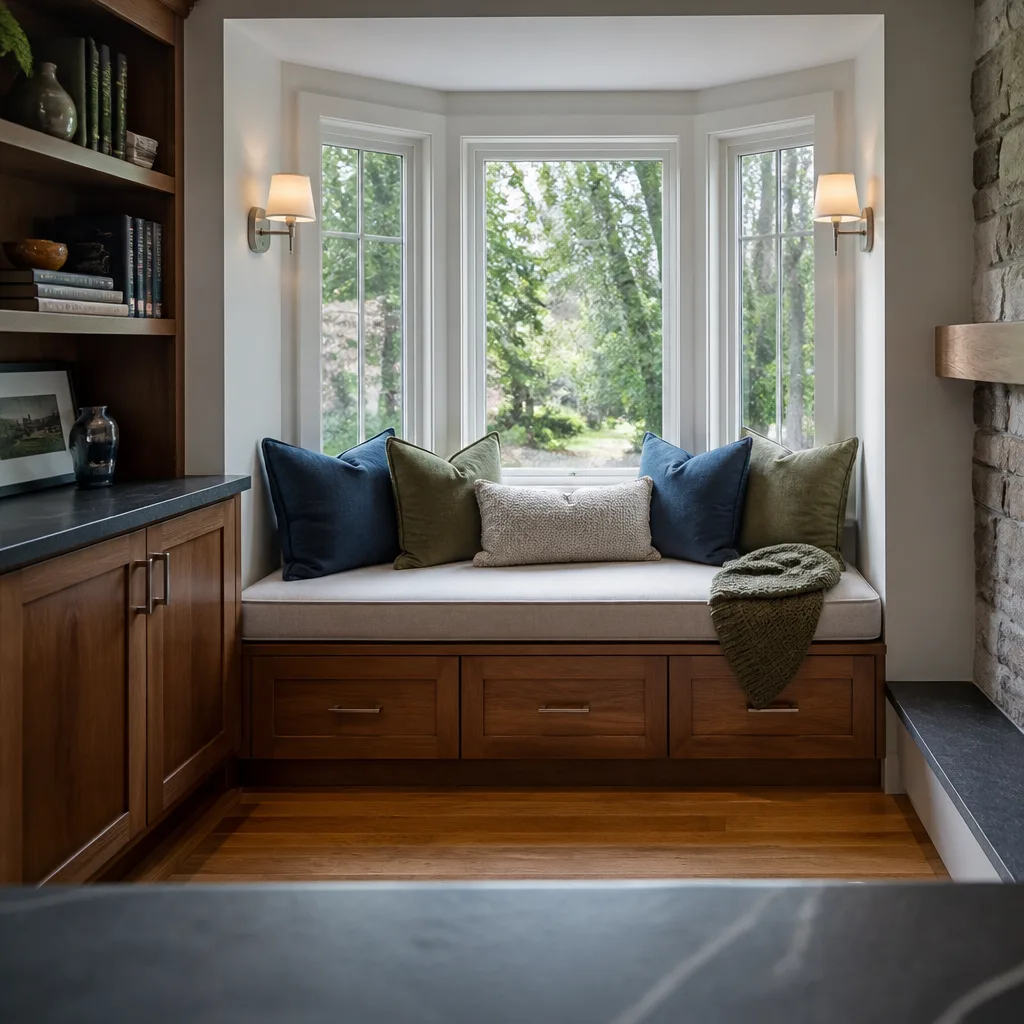
The cost gap between national averages and Mission Viejo reality is not padding. It’s labor rates, Title 24 compliance, HOA material constraints, and hillside logistics, all of which are real, documented, and local. Budget from the local ranges in this guide, not from a calculator built on data from cheaper markets. Read every bid line by line, separate fixed costs from allowances, and put the warranty term in writing before you sign. That’s how a project stays squared away from the first phone call to the final walkthrough. For a written price on your Mission Viejo project, call (833) 734-2429. Estimates are free, and the price you see is the price you agree to.
Written by the team at Bradford Remodeling Co Mission Viejo.