Last updated November 17, 2026



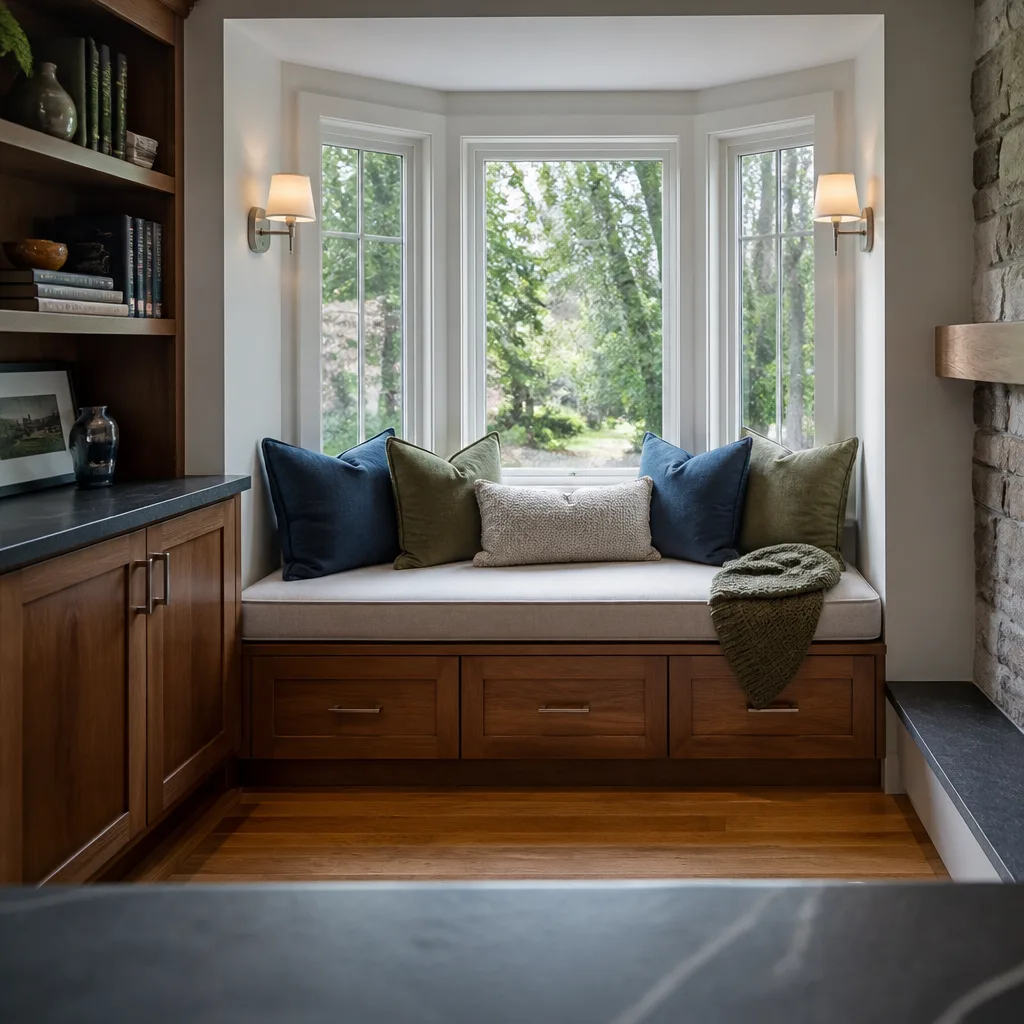


Free written scope consultation - allowances, timeline, and change-order rules on paper before a single trade is scheduled
How Long Does General Contractor Take? Timelines and What to Expect
Orange County Building & Safety’s current over-the-counter approval for a standard kitchen remodel runs 10 to 15 business days, and most contractor timelines you’ll be handed don’t show that window anywhere on the schedule. That gap is where “six-week” projects quietly turn into eleven-week projects. The build itself is rarely the bottleneck. Permits, sub lead times, and material procurement are what move your completion date, and they’re all set before the first tool comes out. This guide gives Mission Viejo homeowners a realistic pre-construction calendar, phase-by-phase timelines for the four most common remodel types, and a straight answer on how to read a schedule for padding versus real float.
Quick Answer
A general contractor takes 3 to 5 weeks for a bathroom, 6 to 10 weeks for a standard kitchen, 10 to 16 weeks for a whole-home renovation, and 16 to 24 weeks for a structural addition – measured from permit issuance, not from the day you sign. Add 3 to 6 weeks of pre-construction for plan development and permit review in Mission Viejo. The single biggest variable isn’t labor speed: it’s when permits clear and when your cabinetry, windows, and fixtures land on site.
Styles & brands we work with
- Kitchen remodeling
- Bathroom remodeling
- Home additions & ADU
- Roofing
- Windows & doors
- Driveway & pavers
- Fence
Table of Contents
- Why the Clock Starts Before Demolition
- Phase-by-Phase Timelines for Four Common Remodel Types
- How Permit Issuance Controls Your Critical Path
- Current Lead Times for the Materials That Delay Remodels
- How to Read a Contractor’s Schedule: Padding Versus Real Float
- The Inspection Sequence You Can’t Compress
- What a Written Schedule Guarantee Should Actually Say
- Common Mistakes to Avoid
Why the Clock Starts Before Demolition
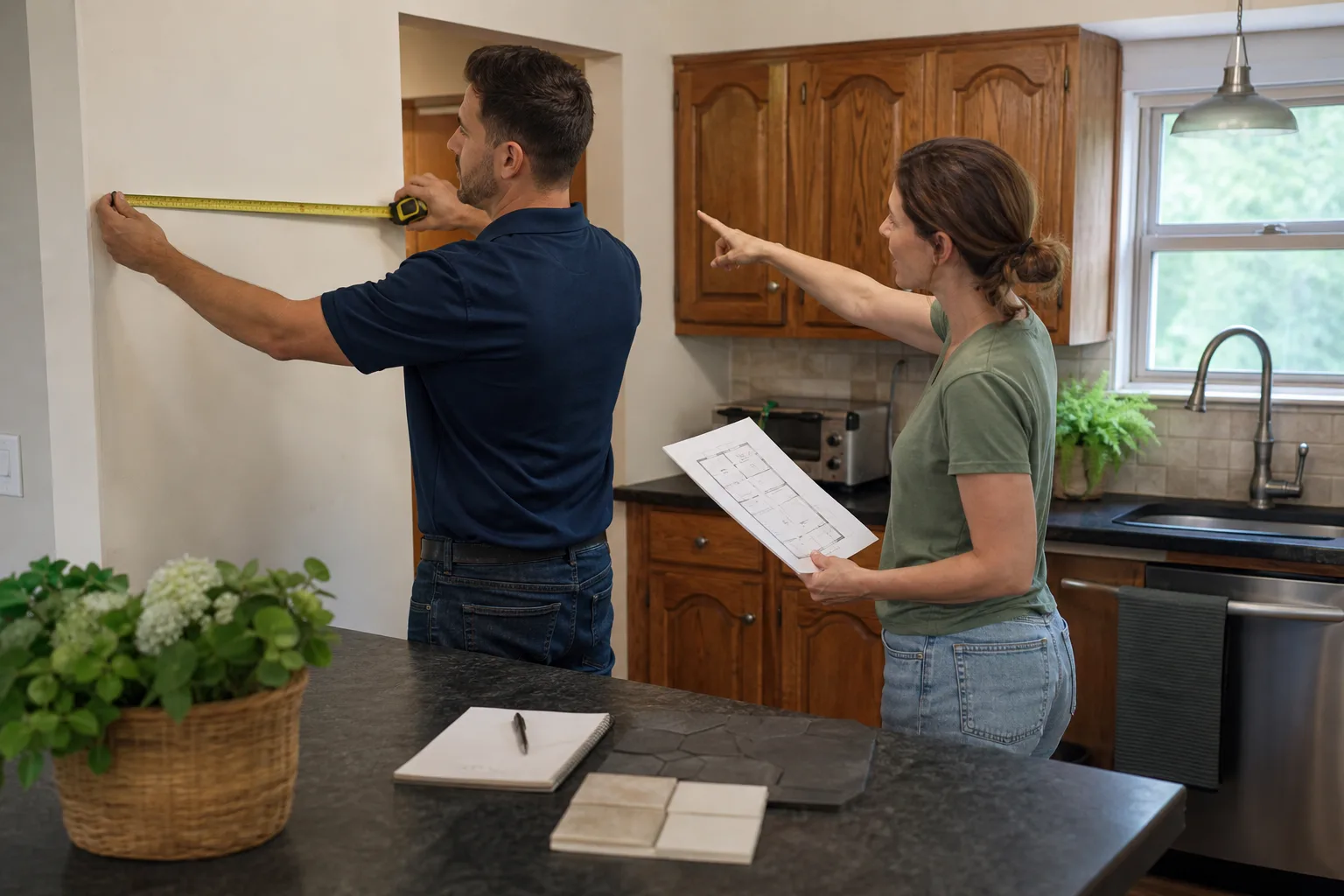
The date homeowners remember is the day a dumpster shows up. The date that actually determines when you get your kitchen back is the day the plans went to the city. In our experience across Mission Viejo, roughly 40 percent of a project’s total calendar is spent before anyone touches a wall – site measurement, design, engineering, permit submittal, plan check, and material ordering. Homeowners who treat that stretch as “waiting” instead of “building” are the ones who end up with a schedule that slips in week five because the cabinets were never ordered.
Mission Viejo sits in a code environment where this matters more than in some neighboring cities. Orange County Building & Safety handles plan check for unincorporated areas, while the city issues its own permits for addresses inside Mission Viejo proper. Whether a project needs structural engineering (a wall removal, a beam, an addition) or can go over-the-counter (cosmetic kitchen or bath) changes the review path and the calendar by weeks. Getting that call right at submittal is the first place a schedule is won or lost.
Here’s the honest sequence:
- Design and measurements: 1 to 3 weeks. Drawings, elevations, and a real field measure of existing conditions.
- Engineering (if structural): 1 to 2 weeks. Beams, headers, and load paths get stamped before the city will look at them.
- Permit submittal and plan check: 10 to 15 business days over-the-counter, 4 to 8 weeks for a full plan check on structural work.
- Material ordering: kicks off the moment plans are approved and, on long-lead items, sometimes before.
If you’re still narrowing down what kind of project you’re planning, our Bradford Remodeling Co Mission Viejo home page breaks out how we scope work before any number goes on paper. That scoping conversation is where a realistic calendar starts.
Phase-by-Phase Timelines for Four Common Remodel Types
These ranges assume a clear scope, permits in hand, and materials on site when the crew is. Every one of them is measured from permit issuance forward, with pre-construction added on top.
Bathroom Remodel – 3 to 5 weeks
- Demo and rough-in: 3 to 5 days. Tear-out, plumbing rough, electrical rough.
- Rough inspection: 1 to 3 business days for scheduling and sign-off.
- Waterproofing and tile: 7 to 10 days, with cure time between coats.
- Fixtures, cabinetry, finishes: 5 to 8 days.
- Final inspection and punch list: 2 to 4 days.
Standard Kitchen Remodel – 6 to 10 weeks
Mission Viejo homes built in the 1970s and 1980s often carry original galvanized plumbing and single-gang electrical that have to be corrected once the walls are open. That correction is not optional, and it adds 3 to 7 days to the rough phase. Kitchen Remodeling in Mission Viejo projects we scope routinely build that allowance into the calendar up front rather than discovering it mid-demolition.
Whole-Home Renovation – 10 to 16 weeks
Whole-home work runs multiple rooms in sequence, and sequencing is everything. When you’re reworking the entire footprint, one room’s rough-in waits on the previous room’s drywall. Moving out during this phase is not required, but it typically shortens the calendar by a week or two because crews aren’t working around furniture and occupied rooms.
Structural Addition – 16 to 24 weeks
Additions carry the longest pre-construction window (full plan check, structural engineering) and the most inspection gates. Foundation, framing, rough-in, insulation, and final each require a separate sign-off. A General Contractor in Mission Viejo should be able to walk you through each gate before you sign, and if they can’t name the inspections, that’s your first warning.
How Permit Issuance Controls Your Critical Path
The permit is the gate. Nothing on the build schedule can start before it swings open, and every day it sits in review pushes the entire calendar back day-for-day. Orange County Building & Safety’s current over-the-counter approval window for a standard kitchen remodel is 10 to 15 business days. A structural plan check is longer – 4 to 8 weeks is common – and corrections can add another 1 to 3 weeks if the plan checker kicks the drawings back.
What actually delays permits, in order of frequency we see:
- Incomplete drawings. No elevations, no dimensions, no existing-conditions measure. The reviewer can’t approve what isn’t documented.
- Missing engineering. Any wall removal or beam needs a stamp. Submitting without it means a correction cycle before review even starts.
- Address jurisdiction confusion. A Mission Viejo address inside the city limits doesn’t route to the same office as an unincorporated-area address a mile away. Wrong submittal is a cold restart.
- Correction cycles. Each round of corrections is another 5 to 15 business days, depending on the backlog.
The takeaway for planning: assume permits will take longer than the contractor’s optimistic number, and build a real float into the calendar. A schedule that shows “permit: 2 weeks” for a structural project is not a schedule – it’s a wish. And when the permit’s in hand, the schedule has something real to run on.
Current Lead Times for the Materials That Delay Remodels
Materials are the second upstream bottleneck. Even a perfectly scheduled project can stall for weeks if a single item is back-ordered. Here are the lead times we plan around for the categories most likely to slip a Mission Viejo remodel:
- Custom cabinetry: 6 to 12 weeks from order to delivery. KraftMaid and Wellborn semi-custom lines commonly land in the 8 to 10 week range. This is the single most common reason a kitchen calendar slips.
- Windows: 6 to 10 weeks. Premium vinyl and fiberglass manufactures like PGT and CGI typically quote in this window, and long-lead specialty sizes run longer. Order windows before demolition, not during framing.
- Plumbing fixtures: 2 to 5 weeks for standard Kohler and Moen models, 6 to 10 weeks for specialty finishes, vessel sinks, or freestanding tubs with a specific drain spec.
- Engineered lumber: 2 to 4 weeks for standard beams and joists, 4 to 6 weeks for engineered-to-spec products with a custom span. Order only after engineering is approved, so the size is final.
- Countertops: 3 to 6 weeks for fabricated quartz, and templating can’t happen until cabinets are set. Cambria and Caesarstone slabs have their own fabrication queue on top of fabrication time.
Here’s the practical rule: order every long-lead item the day permits are approved, and hold the schedule against delivery dates, not against “we’ll figure it out.” If a contractor tells you cabinetry lead time doesn’t matter, that’s the sound of a schedule about to slip. Working with a documented brand roster – the kind of catalog where KraftMaid, Wellborn, Cambria, and Kohler have known lead times – means the calendar can be built against real numbers, not guesses.
How to Read a Contractor’s Schedule: Padding Versus Real Float
A schedule with no float is a schedule that will slip. Float is the slack built into a calendar – the buffer days that absorb a delayed inspection or a late fixture delivery without pushing the final completion date. A contractor who hands you a schedule with zero float is either inexperienced or planning to come back to you in week six and explain the delay. Neither is good.
How to tell padding from real float:
- Padding is “cure time: 5 days” on a 1-day cure, or “electrical rough: 4 days” on half a day’s work. It’s not dishonest; it’s assumed lost time.
- Real float is a milestone with a date and a backup plan. “Rough inspection scheduled Day 18; if re-inspection needed, it lands Day 21 and the project stays on track.”
- Milestone dates tie to deliverables you can verify: demo complete, roughs passed, cabinets delivered, drywall closed, final inspection signed off.
- Dependency lines matter more than look-pretty Gantt bars. Does the schedule show what waits on what? If countertop templating isn’t shown as dependent on cabinet install, the sequence is fiction.
Ask your contractor to walk you through their schedule line by line. Point at any task with no dependencies and ask why. Point at the milestone the float sits on. When the schedule is real, the answers come easily. When it’s a template, they don’t. And when a written schedule guarantee exists, the schedule is what both parties hold each other to.
The Inspection Sequence You Can’t Compress
The critical path in any permit-driven remodel runs through inspections, and the order is non-negotiable. Rough-in inspections must pass before drywall closes the walls. That sequence is enforced by the building department, not by your contractor, and no amount of crew efficiency gets around it. Skip a rough inspection and you’ll be opening walls again, which is far slower than the original schedule.
The standard sequence for a kitchen or bath:
- Demo and rough framing: verify any structural modifications before walls close.
- Plumbing rough inspection: water supply, waste, and venting signed off.
- Electrical rough inspection: circuits, boxes, and grounding signed off.
- Mechanical/HVAC rough (if applicable): duct runs and exhaust verified.
- Framing/building inspection: structural elements confirmed before insulation.
- Insulation inspection: confirmed before drywall.
- Drywall and finish: walls close only after all roughs pass.
- Final inspection: after all finishes, fixtures, and systems are installed and tested.
Each gate typically takes 1 to 3 business days for scheduling and sign-off, and any rejection resets that gate. That’s why an experienced Mission Viejo contractor schedules inspections in advance and builds re-inspection windows into the calendar. If you’re remodeling a bathroom, our Bathroom Remodeling in Mission Viejo page walks through what the rough and final gates look like in practice.
What a Written Schedule Guarantee Should Actually Say
Most contractors won’t put a schedule guarantee in writing. The ones who will are worth looking at carefully, because the language of the guarantee tells you whether they’ve thought about delay or just want a marketing line. A schedule guarantee should contain three things, at minimum.
1. Specific milestone dates
“Completion by [date]” is not a milestone. The guarantee should name the deliverables: demolition complete by a specific date, rough inspections passed by a specific date, substantial completion by a specific date. Every milestone should be auditable – a document, an inspection sign-off, a delivery receipt.
2. Defined excusable delays
Every honest schedule has an excusable-delay clause, and you should read it before you sign. Legitimate excusables include weather that prevents exterior work, permit review backlogs outside the contractor’s control, owner-directed change orders, and documented material back-orders from the manufacturer. Illegitimate excusables include “we got busy on other jobs,” “the crew had a scheduling conflict,” and “we miscounted the cabinet lead time.” A guarantee that excuses everything is a guarantee of nothing.
3. A remedy the contractor owes you
What happens if they miss a milestone without an excusable reason? A real guarantee names a remedy, whether that’s a credit against the contract, a completion priority, or a written plan for what the contractor will do to recover the calendar. Bradford Remodeling writes a written price before any work begins – non-negotiable, on every project – and stands behind completed work with the 365-Day Done Right Promise. If the work fails within the 365-day window, we return and correct it at no charge. That’s the standard every part of our schedule guarantee is held to.
Common Mistakes to Avoid
- Starting the calendar at the day of demolition. The honest clock starts the day plans are submitted. If you’re measuring from demo day, your schedule is already slipping before the first crew member arrives.
- Ordering cabinets after demolition. A custom cabinet order at demo time is 6 to 10 weeks you didn’t plan for. Order on permit approval, not on day one of the build.
- Treating inspection gates as flexible. Rough-in inspections must pass before drywall closes. A contractor who suggests you close walls “for now” and inspect later is asking you to accept a correction cycle later.
- Accepting a schedule with no float. The right number of buffer days for a Mission Viejo kitchen remodel is 5 to 10, spread across the rough, cabinetry, and countertop phases. Zero float is a red flag.
- Forgetting the Mission Viejo late-spring marine layer. Exterior work – stucco, paint, hardscape cure – can lose a day or two to morning moisture in April and May. Builders who plan exterior work without that reality in the calendar end up pushing interior finishes.
- Skipping the written schedule guarantee. Verbal timelines have no remedy. If it isn’t in the contract, it doesn’t exist when the milestone slips.
- Not building a written price into day one. A price that moves at the door is the same disease as a schedule that moves at the door. Both mean the contractor planned to negotiate after you were committed. A written price before any work starts is non-negotiable for us, and it should be for you too.
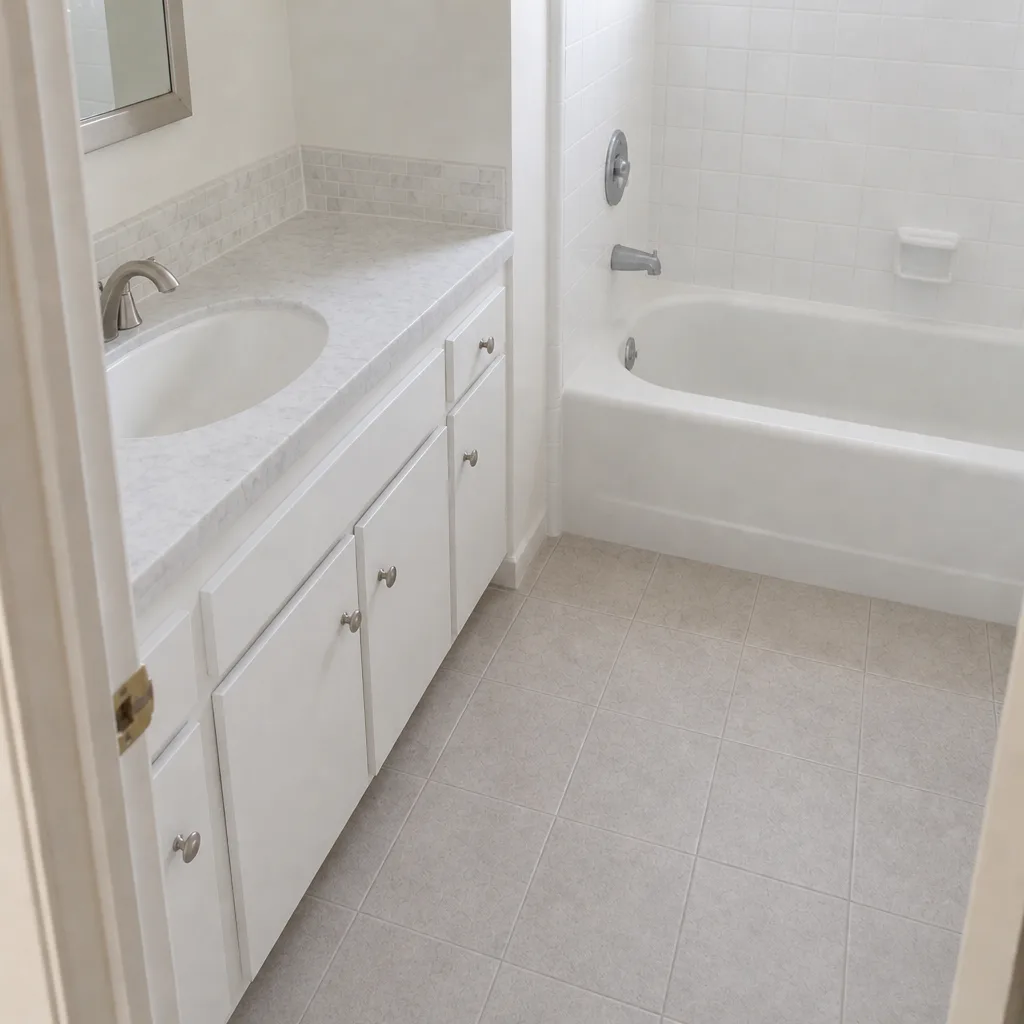
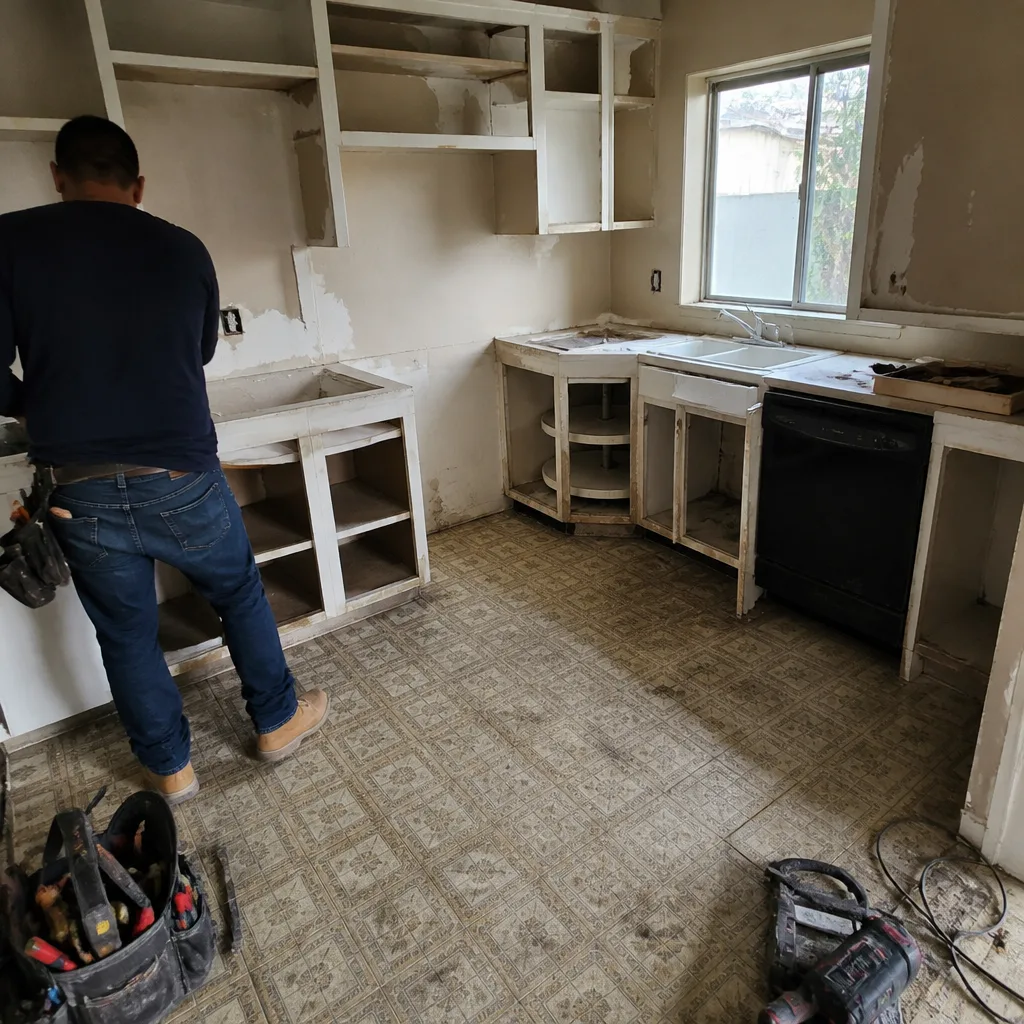
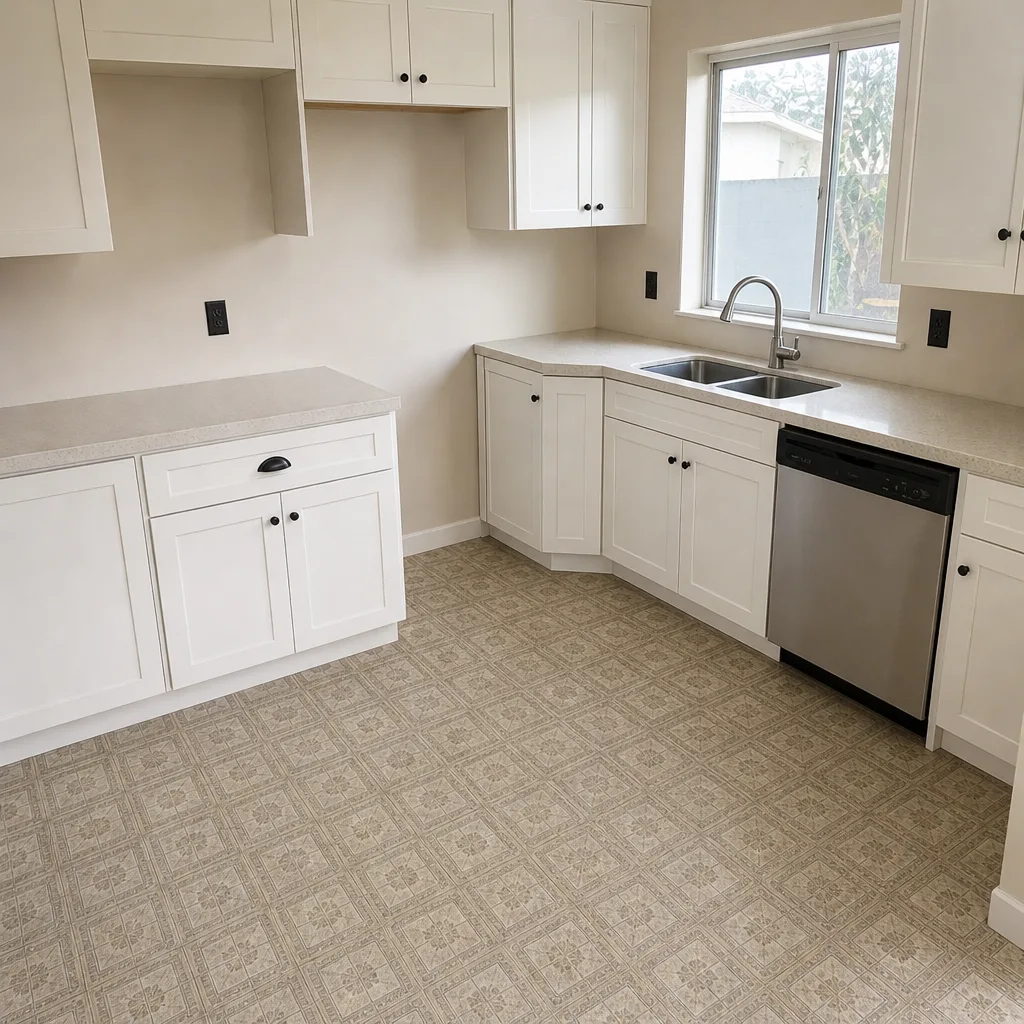
See the difference
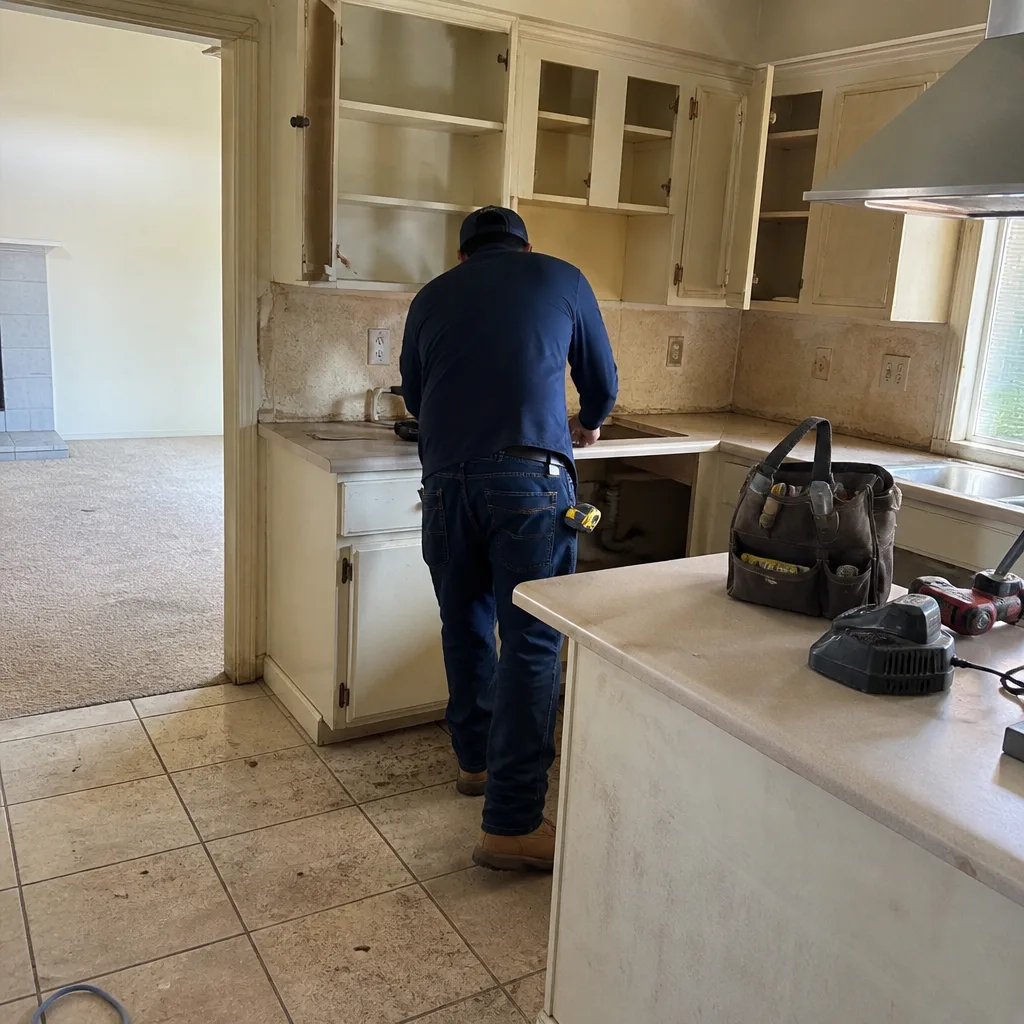 Before
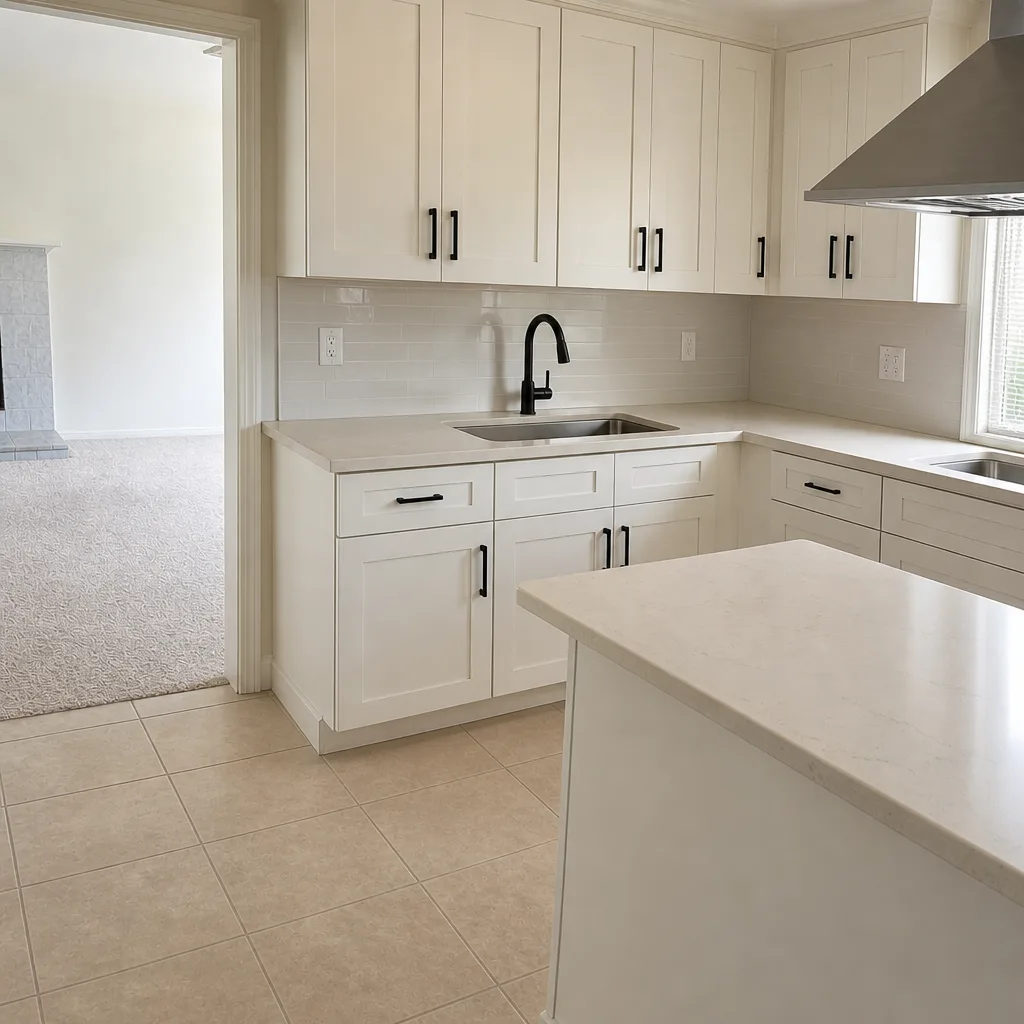 After
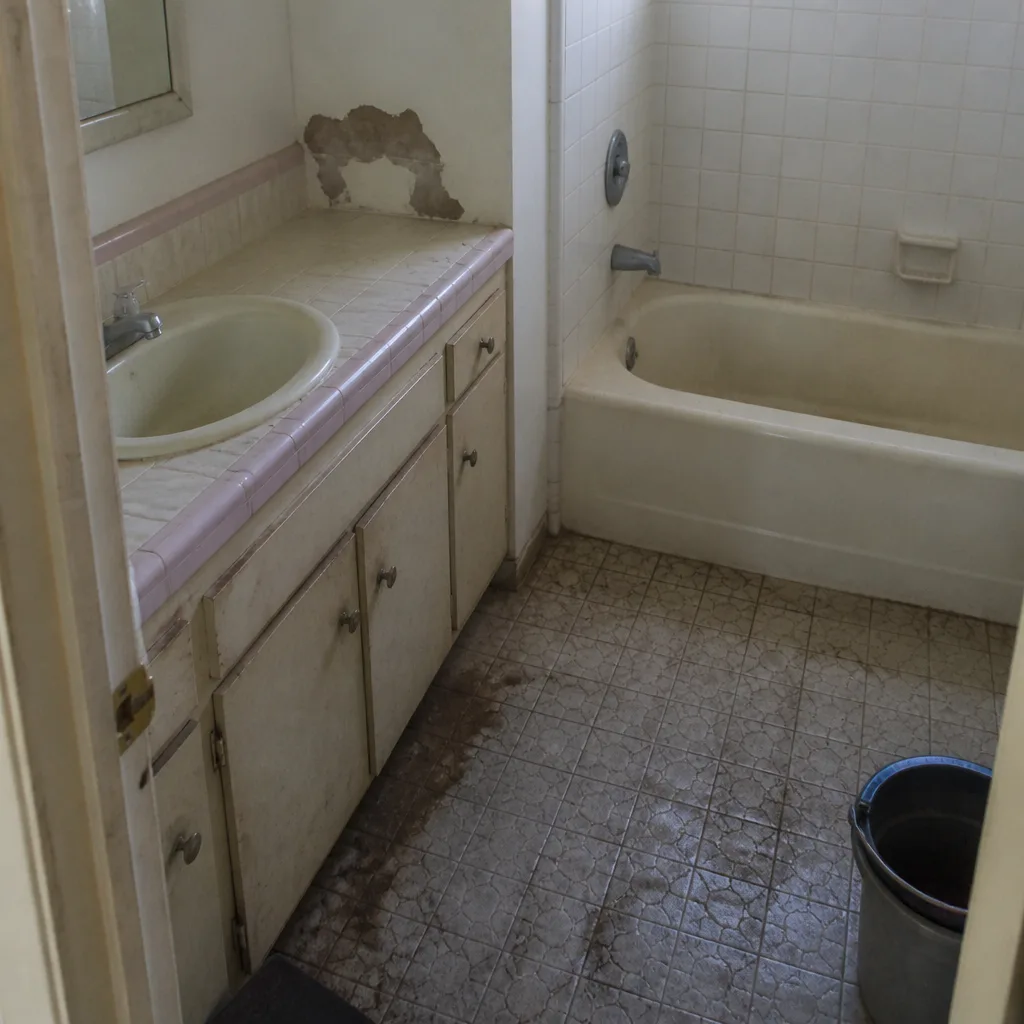 Before
 After
 Before
 After
When to Call a Professional

Call a professional when the project involves any of the following: moving or removing a wall, adding square footage, changing plumbing or electrical layout, installing new cabinetry, or when the drawings you have don’t give you enough to pull a permit. Any one of those puts the project on the wrong side of “do it yourself” and onto a schedule that needs a general contractor to run. A licensed professional handles the pre-construction calendar, the permit submittal, the material orders, the inspection sequencing, and the written guarantee – none of which a homeowner can do alone without adding weeks to the calendar.
Bradford Remodeling Co Mission Viejo offers free estimates in Mission Viejo and walks every homeowner through the pre-construction timeline before a single number is signed. Call (833) 734-2429 to schedule yours.
Frequently Asked Questions
A standard Mission Viejo kitchen remodel takes 6 to 10 weeks from permit issuance, plus 3 to 6 weeks of pre-construction for design and plan check. The build itself typically runs 4 to 6 weeks once materials are on site. The variable that moves the calendar most is custom cabinetry lead time, which can run 6 to 12 weeks from order to delivery. Call (833) 734-2429 for a free estimate with a written schedule attached.
Yes, and any contractor who tells you otherwise is guessing until walls are open. Mission Viejo homes built in the 1970s and 1980s often carry galvanized plumbing and undersized electrical that need correction once exposed. A realistic schedule builds 3 to 7 days of discovery contingency into the rough phase. A written scope protects you from a surprise invoice on the back end. Call (833) 734-2429 to get a written estimate with that contingency built in.
Yes, for anything beyond cosmetic tile and paint. Moving plumbing, adding electrical, changing the layout, or altering framing all require a permit through the city or Orange County Building & Safety, depending on the address. Over-the-counter approval for a straightforward bath remodel currently runs 10 to 15 business days. Permit delays push the entire calendar day-for-day, so submit early. Call (833) 734-2429 to talk through what your project needs.
A bathroom remodel runs roughly $18,000 to $45,000, a standard kitchen $45,000 to $95,000, and a whole-home renovation $120,000 to $300,000+ depending on scope and finishes. Those ranges assume a written scope with documented materials. What moves the number most is cabinetry, countertops, and fixture packages. A written price before any work starts is non-negotiable for us, and it’s what turns a range into a real number. Call (833) 734-2429 for a free estimate.
Not if the scope is written and signed before demolition. Change orders for owner-directed scope changes are legitimate; surprise invoices are not. That’s why every Bradford project gets a written price before the first tool comes out – non-negotiable, no exceptions. If a discovery changes the scope, you see it in writing before it lands on the invoice. Call (833) 734-2429 to get your estimate on paper.
Three things: specific milestone dates you can verify, a written definition of what counts as an excusable delay, and a named remedy the contractor owes you if a milestone slips without excuse. A schedule with no float will slip. A schedule with no milestone dates is a marketing timeline. And a schedule with no remedy behind it gives you nothing to hold the contractor to. Every Bradford project carries the 365-Day Done Right Promise – if the work fails within that window, we return and correct it at no charge. Call (833) 734-2429 for a free estimate you can hold us to.
The Bottom Line

Remodel timelines don’t slip because crews are slow. They slip because permits sit in review, custom cabinetry arrives late, and inspections reject a rough the crew thought would pass. Plan for 3 to 6 weeks of pre-construction before the build clock starts, order long-lead materials at permit approval, build real float into the schedule, and demand a written schedule guarantee with milestone dates and a named remedy. Every project Bradford Remodeling Co Mission Viejo runs gets a written price before any work begins, and every completed project carries the 365-Day Done Right Promise – if the work fails within that window, we return and correct it at no charge. That’s the standard, in writing, before a single tool comes out. Call (833) 734-2429 to schedule your free estimate in Mission Viejo.
Written by the team at Bradford Remodeling Co Mission Viejo.