Last updated November 17, 2026





Free written scope consultation - allowances, timeline, and change-order rules on paper before a single trade is scheduled
The Complete General Contractor Guide for Mission Viejo Homeowners
Orange County Building & Safety issued well over 1,200 stop-work orders in a recent twelve-month window, and the pattern behind most of them was the same: a homeowner believed the contractor had pulled the permit. The crew was on the roof or the slab was poured before anyone checked. Mission Viejo sits on ground where a stop-work order is expensive to unwind, and the HOA layer makes it worse. This guide covers what other “how to hire a GC” articles skip for Mission Viejo: license verification that actually means something, architectural review that comes before permits, Saddleback Valley clay, and a written scope you can hold a crew to.
Quick Answer
Hire a general contractor in Mission Viejo by verifying an active CSLB license with the right classification (B for most whole-home and structural work, C-10 for electrical, C-36 for plumbing), confirming HOA architectural approval before Orange County permits are filed, and refusing to sign anything without a line-item written scope, a payment schedule tied to inspection milestones, and a stated warranty. Permit timelines in Mission Viejo typically run two to six weeks for kitchen and bath work and longer for structural additions, and the homeowner is responsible for knowing where that permit stands.
Styles & brands we work with
- Kitchen remodeling
- Bathroom remodeling
- Home additions & ADU
- Roofing
- Windows & doors
- Driveway & pavers
- Fence
Table of Contents
- How do you verify a contractor’s license, and what do the classifications mean?
- Why does Mission Viejo HOA architectural review come before permits?
- What does Saddleback Valley clay soil mean for your foundation?
- What belongs in a Garrison-style written scope document?
- How long do Orange County permits take, and how do you track yours?
- How do you choose between a general contractor and a specialty trade?
- What should a Mission Viejo remodel budget actually include?
- Common mistakes to avoid
How do you verify a contractor’s license, and what do the classifications mean?
A California contractor’s license is public record, and you can pull it yourself in about two minutes on the Contractors State License Board site. Look up the license number the contractor gave you, then check four things on that page: the status is “Active,” the expiration date is in the future, the classification matches your project, and there is a workers’ compensation policy on file. A license that lapsed three months ago still shows up in a Google search and on a business card. Only the CSLB record tells you the truth.
The classification matters as much as the status. A license with the wrong class can’t legally take your job, and insurers treat it that way after a claim.
- Class B (General Building Contractor): the license most whole-home remodels and room additions in Mission Viejo require. It allows a GC to take a project involving two or more unrelated trades, which is what a kitchen gut or a room addition actually is.
- Class C-10 (Electrical): required for panel upgrades, new circuits, and anything past a like-for-like fixture swap. Since most Mission Viejo homes built in the 1970s and 1980s still run a 100-amp panel, a kitchen remodel that adds a double wall oven and an induction range usually triggers a service upgrade and a C-10 sub.
- Class C-36 (Plumbing): covers drain and supply work, water heater replacements, and repipes.
- Class C-33 (Painting), C-54 (Tile), C-39 (Roofing): specialty licenses. A Class B GC can subcontract to these, but the subcontractor still needs their own active license.
- A or B-2: rarely relevant to a homeowner. If you see an A-license general engineering contractor pitching your kitchen, ask why.
For a fuller walk-through of how the classification system maps to actual project types, our page on general contractor services in Mission Viejo breaks it down by scope.
Why does Mission Viejo HOA architectural review come before permits?
Most of Mission Viejo’s planned communities and master associations run an architectural review committee, and that committee meets on a schedule, not on your schedule. If you file for an Orange County permit first and the HOA later rejects the design, you either amend the permit or eat the fee. We’ve watched homeowners lose six weeks this way on a patio cover that never should have been submitted out of order.
The sequence that works:
- Pull your CC&Rs. Every Mission Viejo HOA publishes its architectural rules. Find the sections on exterior alterations, setbacks, and materials. The rules usually name approved roof materials, fence heights, and paint palettes.
- Submit the ARC package before design is finalized. Most packages need a site plan, elevation drawings, material samples, and a color board. Cambria and Caesarstone samples help here because the committee wants to see the actual finish, not a photo of one.
- Attend the meeting. Many Mission Viejo committees allow the homeowner or the contractor to present. Showing up in person catches questions that would otherwise come back as a written denial two weeks later.
- Get the approval in writing. A verbal “looks fine” from a board member is not approval. Keep the stamped letter in your project file.
- File the permit with the HOA letter attached. Orange County plan reviewers sometimes want to see that the local land-use layer has signed off, especially on additions and second stories.
Which projects trigger review? Exterior paint colors, roof replacements, window changes, patio covers, fences, room additions, pool equipment enclosures, and any hardscaping visible from the street. Interior-only work like a kitchen remodel in Mission Viejo generally does not, with one common exception: adding a window or changing an exterior door.
What does Saddleback Valley clay soil mean for your foundation?
Saddleback Valley sits on expansive clay, and expansive clay moves with moisture. In wet winters the clay swells; in dry summers it shrinks. That cycle is why a lot of Mission Viejo homes built in the 1970s show hairline cracks in the drywall above door headers, sticking windows on the south side, and slab corners that lift a quarter inch. None of these always means a foundation problem. All of them mean the soil report matters more here than a generic contractor will tell you.
Ask your GC these four questions before signing on anything structural:
- Did you read a soil report, or are you guessing? For an addition, a grading plan, or a retaining wall over four feet, a geotechnical report from a licensed soil engineer is standard. For a footing replacement on a 1972 ranch, the engineer may only need a site visit. Either way, it should be documented.
- How are you handling drainage? Clay soil doesn’t percolate. If your lot sheds water toward the house, the foundation is being asked to handle what the yard should. Grading that moves water away from the footing is often part of the fix, not separate from it.
- Will the footings be sized for expansive soil? That may mean deeper piers, a wider footing, or a moisture barrier. Get the specification in writing.
- What’s the roof load? Clay tile is common in Mission Viejo, and tile weighs far more than shingle. If the project touches framing, the GC should be able to tell you the live and dead load numbers, not wave at the ceiling.
Prefabricated options like Mighty Buildings and Plant Prefab exist and can sidestep some site soil work, but only if the lot meets the manufacturer’s grading spec. Ask the vendor for that spec in writing before you assume it applies to your site.
What belongs in a Garrison-style written scope document?
A written price before any work starts is not a courtesy. It is the entire contract, and everything else is commentary. A Garrison Standard scope is non-negotiable, included on every project, and built so nothing appears at the door that wasn’t in the document. Here is what a scope worth signing actually contains.
- Line-item materials with brand and model. Not “premium cabinets” but KraftMaid or Wellborn, with the door style, finish, and box construction named. Not “quartz counters” but Cambria or Caesarstone with the specific color. Kohler or Moen fixtures by model number. GAF or James Hardie exterior products by system. Therma-Tru doors by line. Belgard hardscape by paver designation. Every brand carries a manufacturer spec sheet and a warranty you can trace.
- Subcontractor names and license numbers. The GC may bring in a C-10 electrician or a C-36 plumber. You should know who they are and be able to verify each on the CSLB site before they touch your panel or your drains.
- Payment schedule tied to inspection milestones. Never a big deposit up front. A standard structure is a modest mobilization payment, then draws released after rough framing inspection, rough electrical and plumbing inspection, insulation, drywall, and final. The last draw holds until the final inspection passes.
- Permit responsibility. Who pulls it, who pays for it, and who meets the inspector. The answer needs to be one name.
- Guarantee language in plain English. The 365-Day Done Right Promise is a written guarantee on every completed project: if the work fails inside that window, we return and correct it at no charge. That sentence needs to be in the document you sign, not in a brochure.
- Clean-site and close-out terms. Debris haul-off, final walk-through, and who keeps the as-built drawings and warranty documents. Squared away at job close means a clean site, a documented scope, and a signed written guarantee in the homeowner’s hand.
How long do Orange County permits take, and how do you track yours?
Permit timelines in Mission Viejo depend on project type, and the variance is real. A permit for a like-for-like water heater or an HVAC changeout can clear in a few business days. A bathroom remodel sits in the two-to-four-week range for plan review. A kitchen with a wall removal and a panel upgrade runs three to six weeks, because it needs structural and electrical review. A room addition or second story goes longer and usually pulls in a grading review and a soils review on top.
Tracking your own permit is not the contractor’s private business. Orange County publishes status through its online permit portal, and a search by address shows where the application sits: intake, plan review, corrections issued, approved, permit issued, inspections active, final. Anything stuck in “corrections issued” needs a phone call, because the plan reviewer has already asked a question and the clock is stopped until someone answers it.
Three habits keep you out of the dark:
- Get the permit number in writing the day it is filed, and check the portal yourself every two weeks. A number that hasn’t appeared in three weeks doesn’t exist.
- Ask for a copy of every correction notice. Reviewers often flag things a good GC will handle without a change order, and the difference between those is a line-item.
- Confirm the inspection is actually scheduled before the crew moves to the next phase. Drywall going up over uninspected rough-in is one of the most expensive mistakes in the trade.
How do you choose between a general contractor and a specialty trade?
A specialty trade is right when the work is single-trade and simple: a new roof from a C-39, a repipe from a C-36, an electrical panel swap from a C-10. A general contractor is the right call when the work crosses trades, which is most renovation. A bathroom remodel in Mission Viejo routinely involves demolition, framing, plumbing rough-in, electrical, tile, waterproofing, and finish carpentry, and that is seven trades minimum. Hiring seven specialists yourself means seven schedules, seven invoices, and seven people to call when the floor is uneven and everyone blames the guy who went before.
The middle ground: hire a GC and let them bring the trades, but insist on named subcontractors with license numbers in the written scope. You get the single point of responsibility without giving up the right to verify who’s on the job.
What should a Mission Viejo remodel budget actually include?
Budgets that fail usually fail because they cover the visible build and nothing else. The invisible line items are what push a $60,000 kitchen to $80,000 after the demo. Include these from the start:
- Permit fees and plan review. County fees vary by valuation, and a flat-rate assumption is always wrong.
- HOA architectural submittal fees. Some Mission Viejo associations charge a review fee that runs into the hundreds.
- Contingency. Ten to fifteen percent on any project touching walls, plumbing, or structure. Demo reveals what the drawings can’t.
- Panel upgrade (if applicable). Older Mission Viejo homes often need this before the kitchen can run the appliances the design calls for.
- Mechanicals. HVAC, water heater, and any code-required upgrades triggered by the scope.
- Site protection, dumpsters, and final cleaning.
- Warranty terms in writing. A one-year guarantee is worth more than a verbal promise, and it should be priced in, not added later.
Common Mistakes to Avoid
- Assuming the contractor pulled the permit. Verify on the county portal yourself. Most stop-work orders in Orange County started with this assumption, and the fine lands on the property owner.
- Filing the county permit before the HOA signs off. Mission Viejo’s architectural review committees meet on their own schedule. File out of order and you can lose a month or more.
- Accepting a verbal price. A price at the door with no written scope is a number, not a contract. The written price before work starts is the only one with teeth.
- Ignoring the soil report on an addition. Saddleback Valley’s expansive clay is not the same as the soil in coastal cities. Footings sized for a sandy lot will move here.
- Paying a large deposit up front. A payment schedule tied to inspection milestones protects both sides. Front-loaded cash leaves you negotiating from a weaker position if the job stalls.
- Skipping the license check on subcontractors. The GC’s B-license does not cover the electrician’s C-10. Every sub should show up on the CSLB site with an active license.
- Treating the manufacturer warranty as the workmanship warranty. A KraftMaid cabinet warranty covers the cabinet. It says nothing about the installation. Ask for the workmanship guarantee in writing and confirm what it covers and for how long.
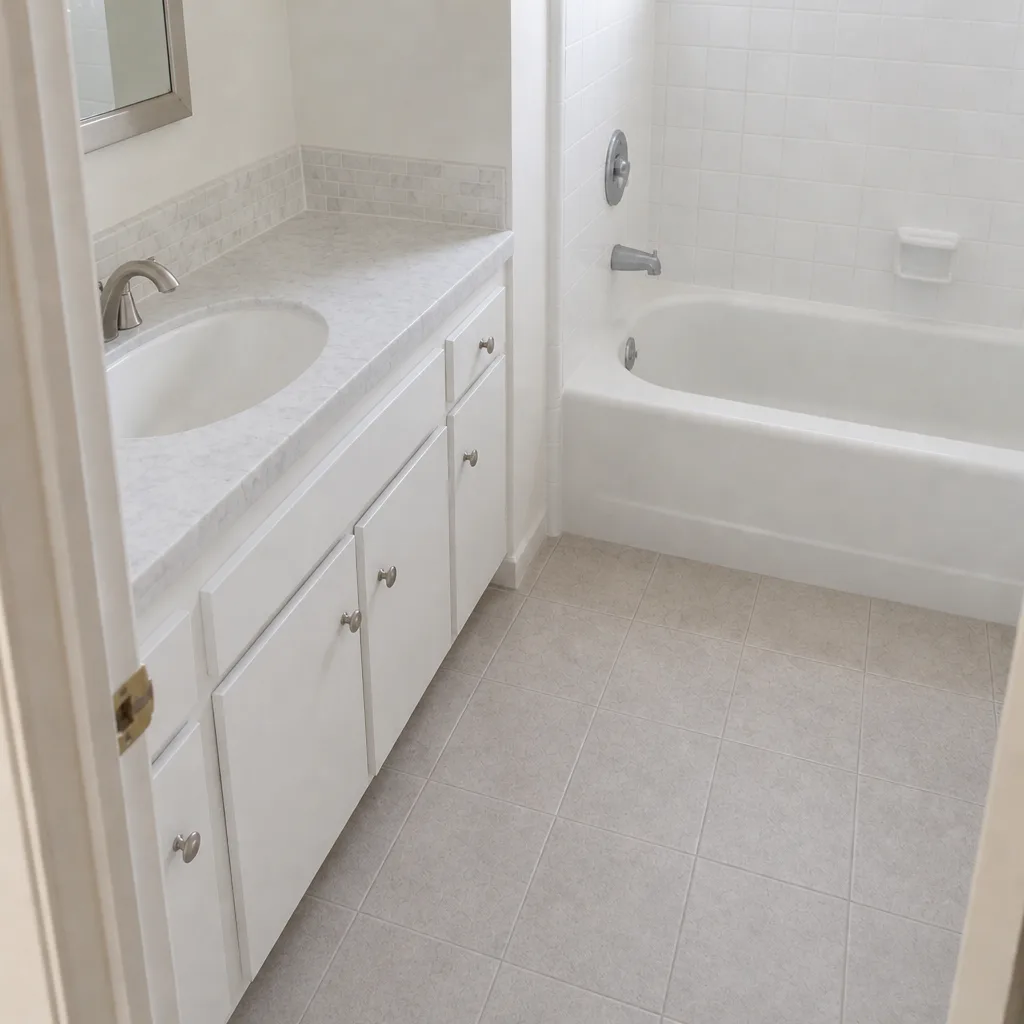
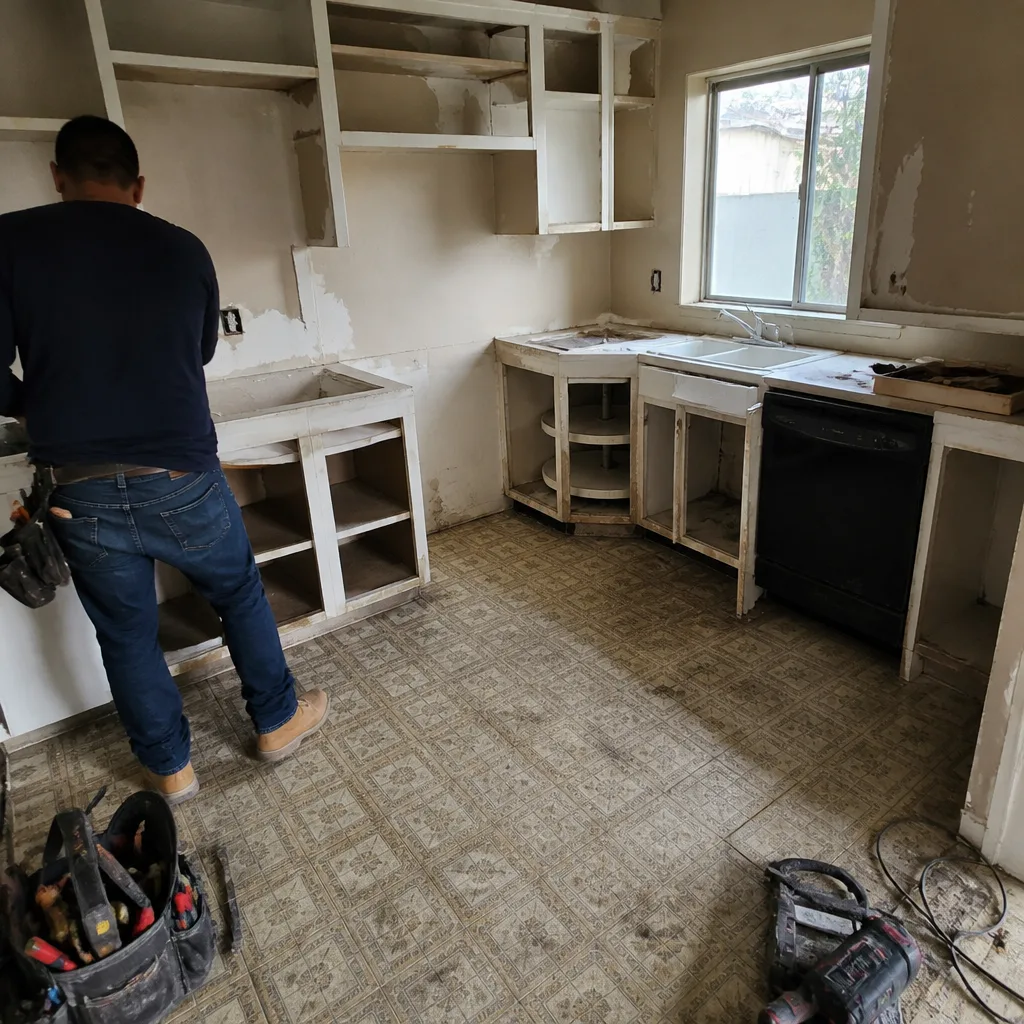
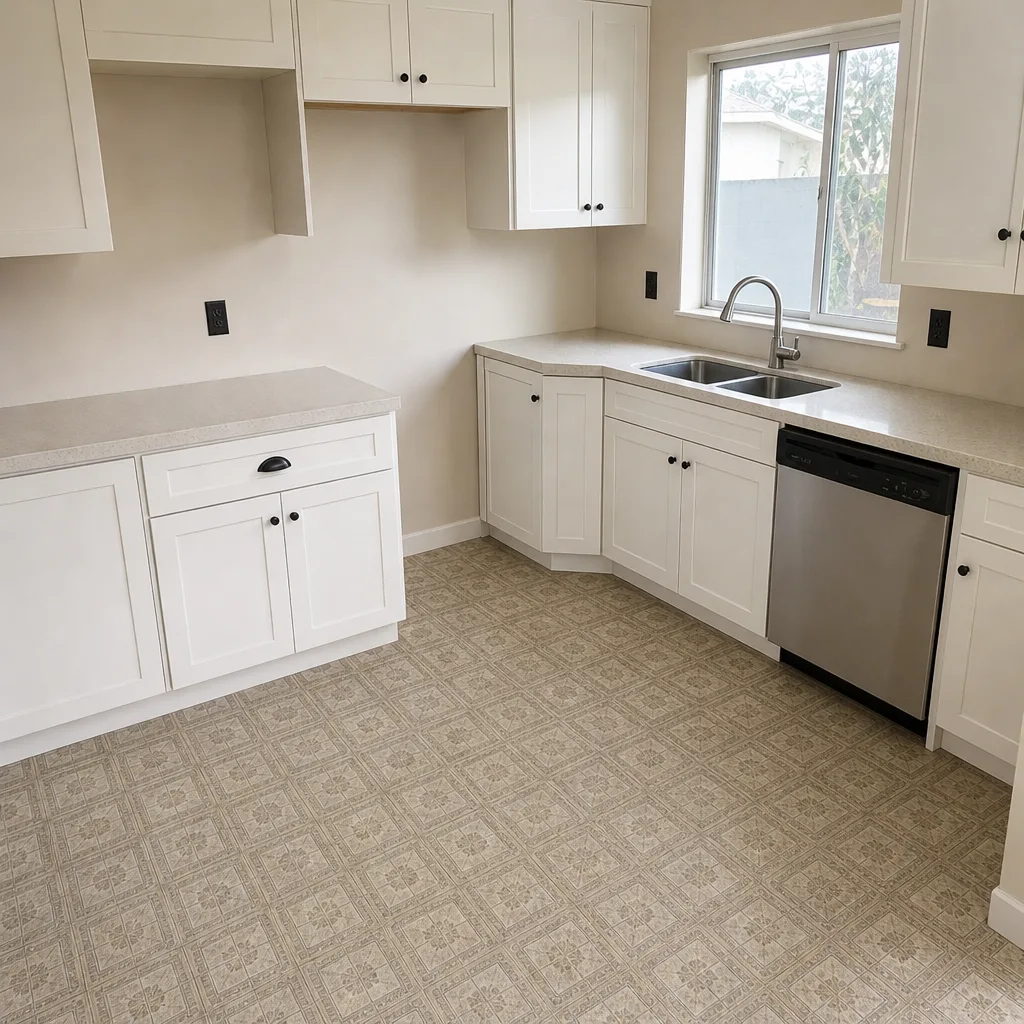
See the difference
 Before
 After
 Before
 After
 Before
 After
When to Call a Professional

Call a professional any time the work crosses a permit threshold, moves water or electricity, or touches structure. That includes removing a load-bearing wall, converting a garage, replacing a panel, replumbing a house on a slab, and any addition requiring a footing. If your Mission Viejo HOA has issued a notice about unpermitted work, that also needs a pro. Beyond that, any project where you’d be signing a contract over $15,000 should start with a written estimate and a scope review whether or not you hire the first company you call.
Bradford Remodeling Co Mission Viejo offers free estimates in Mission Viejo. Call (833) 734-2429 to schedule a walk-through, and you’ll get a written, line-item price before any work starts, backed by the 365-Day Done Right Promise.
Frequently Asked Questions
General contractors in Mission Viejo typically price work as a percentage of project cost (usually in the 15% to 25% range for a residential remodel) or quote a fixed line-item price for the full scope. A full kitchen gut runs roughly $60,000 to $120,000 depending on cabinetry brand and layout changes, a full bathroom remodel runs $20,000 to $45,000, and room additions vary widely with soil and grading work. Call (833) 734-2429 for an exact quote on your scope; estimates are free and come in writing.
Yes, in almost every case. A kitchen remodel in Mission Viejo needs a permit if you move plumbing, add or relocate electrical, remove a wall, change a window or exterior door, or upgrade the panel. Cosmetic-only work like new cabinet fronts, countertop replacement, and paint usually does not. When in doubt, call the county before demo, and confirm the permit is filed and visible on the portal before the crew starts.
The CSLB license lookup is the state’s public record of contractor status, expiration, classification, and insurance. The classification matters because a Class B license covers multi-trade projects, a C-10 covers electrical, and a C-36 covers plumbing; a contractor working outside their class is not licensed for that work. Verify the GC’s license and every subcontractor’s license, and check the workers’ compensation box.
Often, yes. Any change visible from the street, including paint, roof, windows, fences, patio covers, and additions, typically triggers architectural review. Interior-only projects usually don’t, with the exception of adding windows or changing exterior doors. Submit the HOA package before finalizing your design and get the approval letter in hand, then attach it to the county permit filing.
Permit review runs a few business days for minor mechanical work, two to four weeks for bath remodels, three to six weeks for kitchen work with structural or panel changes, and longer for additions that require soils and grading review. Track the status on the county portal by address. If it sits in “corrections issued” for more than a week, the reviewer has a question that needs answering.
Not on a written line-item scope. A written price before work starts, tied to a documented scope and a payment schedule with inspection milestones, is the whole point. Some contractors reprice at the door after demo uncovers something the scope didn’t account for. Ours doesn’t. The price is the price, and if the work fails within the 365-Day Done Right Promise window, we return and correct it at no charge. Call (833) 734-2429 to schedule your free estimate.
The Bottom Line
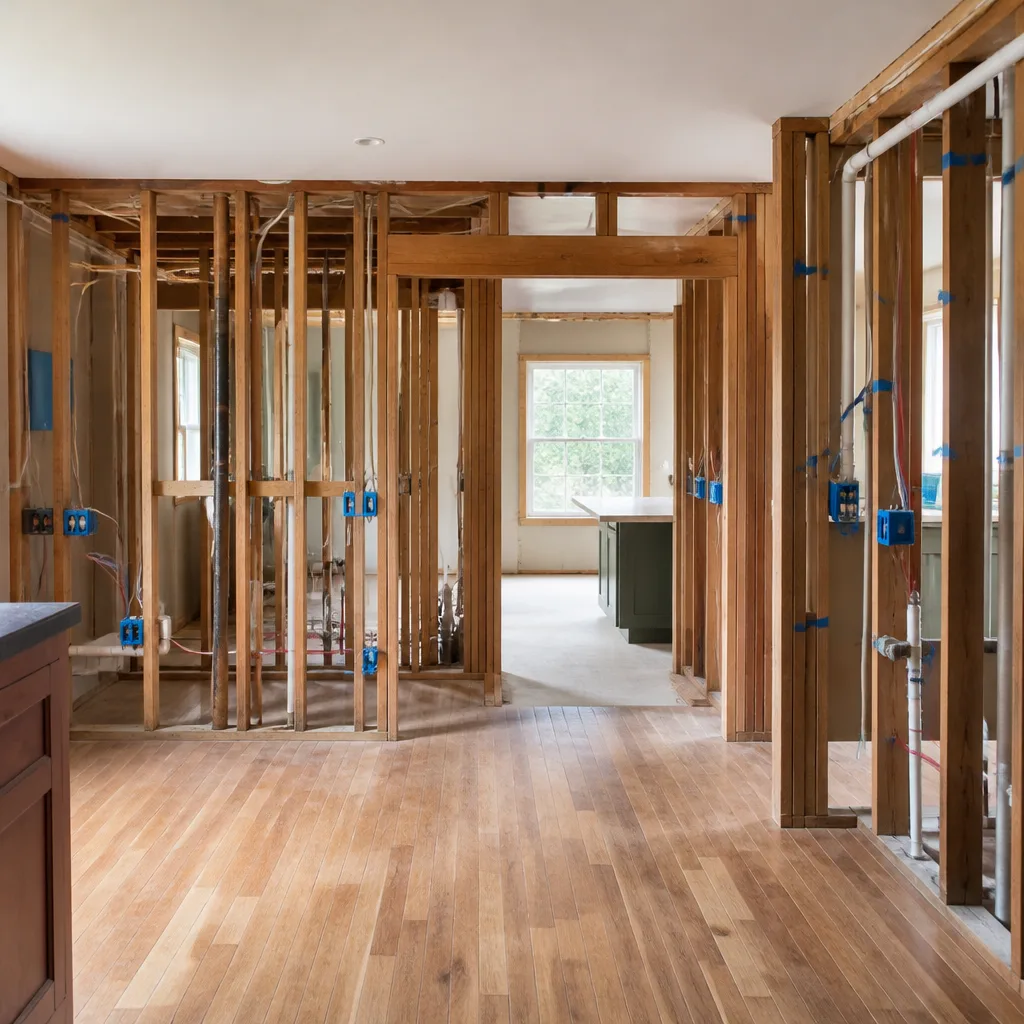
Hiring a general contractor in Mission Viejo is a checklist, not a leap of faith. Verify the CSLB license and classification yourself, get HOA architectural approval before the county filing, ask about the soil report before any structural work, and refuse to sign a scope without line-item materials, named subcontractors with license numbers, and a payment schedule tied to inspections. Ask for the workmanship guarantee in writing and confirm what it covers and for how long. The permit is your responsibility to track even when the GC files it. Done in that order, a Mission Viejo remodel ends with a clean site, a documented scope, and a signed written guarantee in your hand. That’s what squared away looks like. For a written price on your project, call (833) 734-2429 or start at the Bradford Remodeling Co Mission Viejo home page.
Written by the team at Bradford Remodeling Co Mission Viejo.