Last updated November 17, 2026






Free written scope consultation - allowances, timeline, and change-order rules on paper before a single trade is scheduled
Seasonal Construction Care for Mission Viejo: Year-Round Homeowner’s Guide
Most seasonal home-care advice is written for a Midwest climate that Mission Viejo doesn’t have. If you’ve ever followed a “fall/winter/spring/summer” checklist handed out by a national brand, you’ve probably noticed half of it doesn’t apply here and the part that does applies at the wrong time. The real risk window in Mission Viejo isn’t winter freeze or summer hail; it’s the back-to-back arrival of Santa Ana winds and the first significant rain, usually between October and December. That sequence is the worst possible one for any exterior weakness on your house. This guide reframes home care around Mission Viejo’s actual two-cycle climate calendar and the year-round UV load that quietly ages every south-facing surface.
Quick Answer
Mission Viejo runs on two construction-relevant climate cycles, not four seasons: a dry Santa Ana cycle (roughly September through November) and a marine moisture cycle (roughly December through March), with heavy year-round UV exposure in between. Exterior maintenance should be sequenced to the cycle: prep and seal before the Santa Anas, inspect and repair after the first real rain, and schedule concrete, stucco, and adhesive work around summer heat above 85°F.
Styles & brands we work with
- Kitchen remodeling
- Bathroom remodeling
- Home additions & ADU
- Roofing
- Windows & doors
- Driveway & pavers
- Fence
Table of Contents
- Mission Viejo’s Real Climate Calendar
- Santa Ana Season Prep (September – November)
- Marine Moisture Season Prep (December – March)
- The Year-Round UV Load and Which Materials Fail First
- Sequencing Paint, Sealant, and Roofing Around Wind
- The Post-Rain Inspection Protocol
- Summer Scheduling and the 85°F Threshold
- Common Mistakes to Avoid
Mission Viejo’s Real Climate Calendar
A traditional four-season maintenance guide assigns tasks to spring, summer, fall, and winter. In Mission Viejo those labels don’t map to what actually happens to a building envelope. What matters here is moisture timing and wind timing, and the two overlap in the fall.
The Santa Ana cycle is dry, hot, and windy, and it drives dust and debris into every gap and forces heat stress on exterior finishes. The marine moisture cycle brings the rain that finds whatever the Santa Anas opened up. On a Mission Viejo house, the order is what breaks things: wind season opens cracks and lifts edges, then rain season drives water into them.
- September – November (Santa Ana prep): dry, windy, high fire-risk weeks. Time to seal, caulk, and secure.
- December – March (marine moisture): rain, cooler nights, and drainage testing. Time to inspect and repair.
- April – June (shoulder): mild, stable. The best window for paint and exterior coating.
- July – August (heat block): above 85°F most afternoons. Limits concrete, stucco, and adhesive work.
We’ve seen this play out in the older tracts around Mission Viejo where stucco is decades old and caulk joints along window frames have gone brittle. A single Santa Ana week can open a hairline crack that a first storm then pressurizes with wind-driven rain. That’s the sequence most seasonal guides miss.
Santa Ana Season Prep (September – November)
Santa Ana winds in South Orange County are dry, gusty, and sustained. For a house, they’re a stress test on every exterior attachment: sealant, flashing, roof edges, and anything screwed to a wall. Prepare before the wind, not after.
- Walk the perimeter and photo-document every sealant joint. Caulk along windows, doors, and penetrations is the first thing wind attacks. If you can press a fingernail into a caulk bead and it cracks, replace it before the winds arrive.
- Clear the roof and gutters of dry debris. Santa Ana weeks are high fire-risk weeks. Dry leaf litter in gutters is a fire material and a wind-borne hazard.
- Check roof edge and fascia fasteners. Gusting wind finds any loose fascia board or lifted shingle tab. On asphalt and composite roofs alike, lifted tabs are a wind-scour risk; on James Hardie fascia, loose fasteners mean water can find the substrate.
- Tighten and reseal any exterior hardware. Railings, shutters, address plaques, and light fixtures all get hit.
If you’re planning a fall remodel, Santa Ana prep is also the right time to schedule exterior decisions. A general contractor in Mission Viejo working late in the season should already be building wind and heat into the schedule; the general contractor in Mission Viejo page walks through how we scope exterior work around the calendar. Written price before any work starts, every time.
Marine Moisture Season Prep (December – March)
The first real rain in Mission Viejo usually lands somewhere in late November or December, and it arrives after the dry winds have opened the envelope. Prep for the wet cycle is different from prep for the dry cycle – it’s about drainage, flashing, and finding water before it finds your interior.
- Test drainage before it rains. Pour a bucket of water at the base of exterior walls, at the top of slope drainage, and along the grade. Water should move away from the house, not pond against the stucco. If it ponds, regrade or add drainage before the wet weeks.
- Check window and door flashing. Flashing is the metal or membrane that sheds water at window and door heads. If you see rust streaks or staining below a window after the first rain, the flashing has failed.
- Inspect the roof from the ground. Lifted, cracked, or missing shingles should be corrected before the heaviest rain. GAF and CertainTeed shingles both carry manufacturer specs; replacements should match the assembly.
- Confirm gutters and downspouts actually discharge away from the foundation. A downspout that ends at the wall is the fastest way to saturate a foundation.
Marine moisture season is also the time of year when Mission Viejo homeowners realize a minor drip is a real leak. Water gets under stucco and doesn’t show until it reaches drywall inside.
The Year-Round UV Load and Which Materials Fail First
This is the part that most seasonal guides completely miss. Mission Viejo sits in a high-UV patch of South Orange County, and exposure is roughly constant twelve months a year. Sun damage doesn’t wait for summer; it accumulates on every south- and west-facing surface year-round.
- Exterior stain and paint: south and west faces fade and chalk roughly twice as fast as north faces. If you paint all four sides on the same schedule, your sunniest walls will be failing while your shaded walls are fine.
- Stucco: UV degrades the paint and elastomeric coating that protects the stucco itself. Bare stucco chalks and cracks, then takes on water. A coating refresh on the sun-facing sides matters more than elsewhere.
- Sealant and elastomeric caulk: UV makes caulk brittle. In full sun, caulk can fail in a few seasons; in shade it lasts far longer.
- Wood trim, doors, and garage doors: south-facing wood and Therma-Tru composite doors take the most UV. Finish them on a shorter cycle than the shaded sides.
- Roofing: the sun-facing slope ages first. On an asphalt or composite roof that’s the slope that will start to granulate and crack before the north slope shows any wear.
The correction isn’t more paint; it’s a UV-aware schedule. Repaint and reseal the sun-facing sides on the shorter cycle, and you save the shaded sides from premature re-coats. We’ve watched homeowners save significant repaint cost over a decade by splitting the exposure cycle this way.
Sequencing Paint, Sealant, and Roofing Around Wind
Coatings and wind don’t mix. A paint or sealant job that goes down during a Santa Ana week runs a real risk of adhesion failure – the dust and heat compromise the bond. Sequencing is what separates a finish that lasts from one that peels in eighteen months.
- Wait out the wind. Schedule exterior paint and sealant for the April – June shoulder or a calm week after Santa Ana season ends, when heat and dust are lower.
- Prep before paint, never after. Caulk and sealant joints are replaced first, before any finish coat goes on. Coatings bridge joints; a painted-over failing joint fails again fast.
- Match products to the surface. Stucco takes an elastomeric coating; wood trim takes a penetrating stain or a trim-grade paint; James Hardie siding takes a finish coat rated for fiber cement. The product list should be traceable to manufacturer specs and warranties, and we work from a documented roster – James Hardie, GAF, Therma-Tru and others – so the specification isn’t guesswork.
- Roofing inspection before paint, not after. A roof inspection catches lifted tabs and flashing failures first. Repainting a wall below a failing roof is wasted money.
- Weatherproof the sequence. Finish exterior repairs and reseal before the marine moisture cycle begins, so you’re not the homeowner racing the first rain.
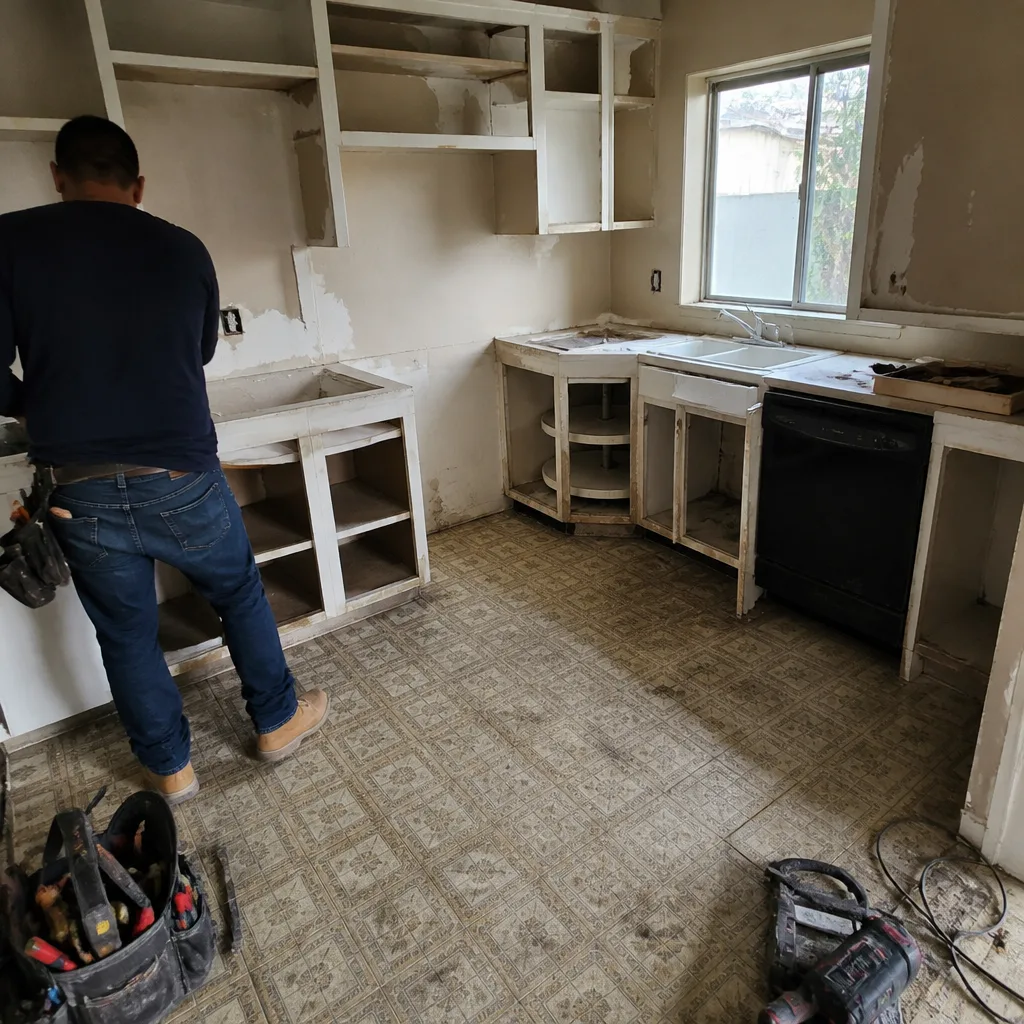
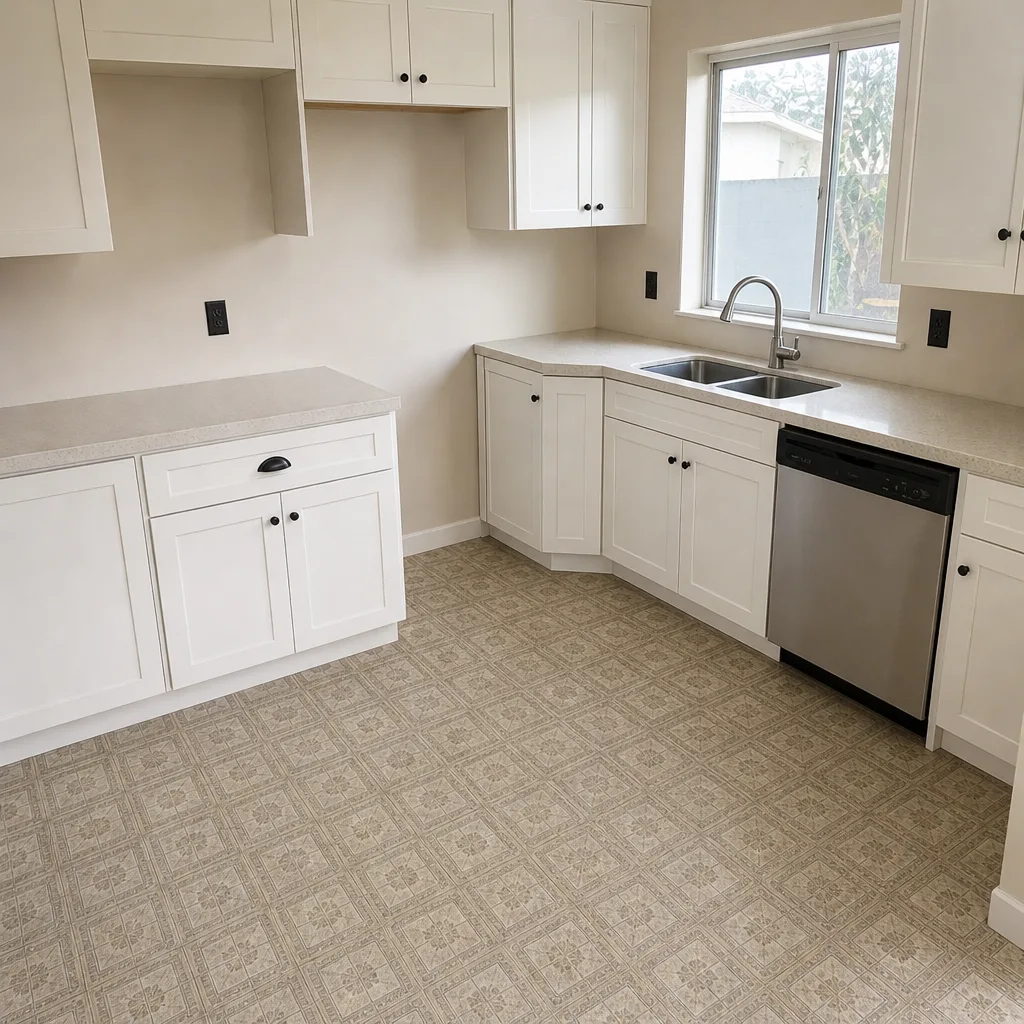
For interior work that depends on exterior integrity – like a kitchen remodeling in Mission Viejo project – the sequencing matters just as much. A kitchen on an exterior wall can’t be squared away until water intrusion is ruled out.
The Post-Rain Inspection Protocol
The first significant rain is the most useful free inspection you’ll get all year. The day after – not during the storm, when it’s unsafe – walk the house in this order.
- Stucco: look for dark or damp patches, especially under windows, at corners, and along the bottom edge above the grade. Water wicking up stucco is the earliest sign of a drainage problem.
- Foundation drainage: check that water moved away from the base of the house and didn’t pond against the stucco. Ponding water at the foundation is the highest-risk condition on a Mission Viejo home.
- Window and door flashing: look for water streaks, rust staining, or damp drywall below window and door heads. Flashing is the metal or membrane that sheds water at window and door heads. If you can trace the wet spot back to a window, the flashing has failed.
- Interior evidence: check ceilings and drywall under the roof perimeter, and along south and west facing walls. A water stain inside almost always means exterior failure above it.
- Roof edges and gutters: confirm shingles and gutter runs shed correctly and discharge away from the house.
If you spot any of these, log it with a photo and a date. When you do call for an estimate, a dated record helps the contractor quote the exact repair and puts everything in writing, which is what we do on every job – a written price before any work starts.
Summer Scheduling and the 85°F Threshold
Mission Viejo summers regularly top 85°F, and above that threshold several construction processes get fussier. If you’re scheduling exterior work in July or August, plan around the heat rather than fight it.
- Concrete cure: fresh concrete sets and cures faster in heat. In hot weather it needs to be placed earlier in the day, cured with moisture control, and not poured into direct sun on a hot slab. A contractor scheduling concrete in July should pour early, cover, and cure.
- Adhesive performance: exterior adhesives and silicone sealants have a temperature range. A sealant applied on a 95°F wall may skin before it adheres. Read the manufacturer’s spec; the good ones state a working temperature range.
- Stucco application: stucco is a wet mix that cracks if it dries too fast. Hot afternoons force earlier application, shading, and fog curing. Stucco applied at 1 p.m. in August on a sun-facing wall will not perform like stucco applied in the morning.
- Paint: surface temperature above the paint’s spec leads to adhesion failure. The right time is a mild shoulder week; the wrong time is a sunny August afternoon.
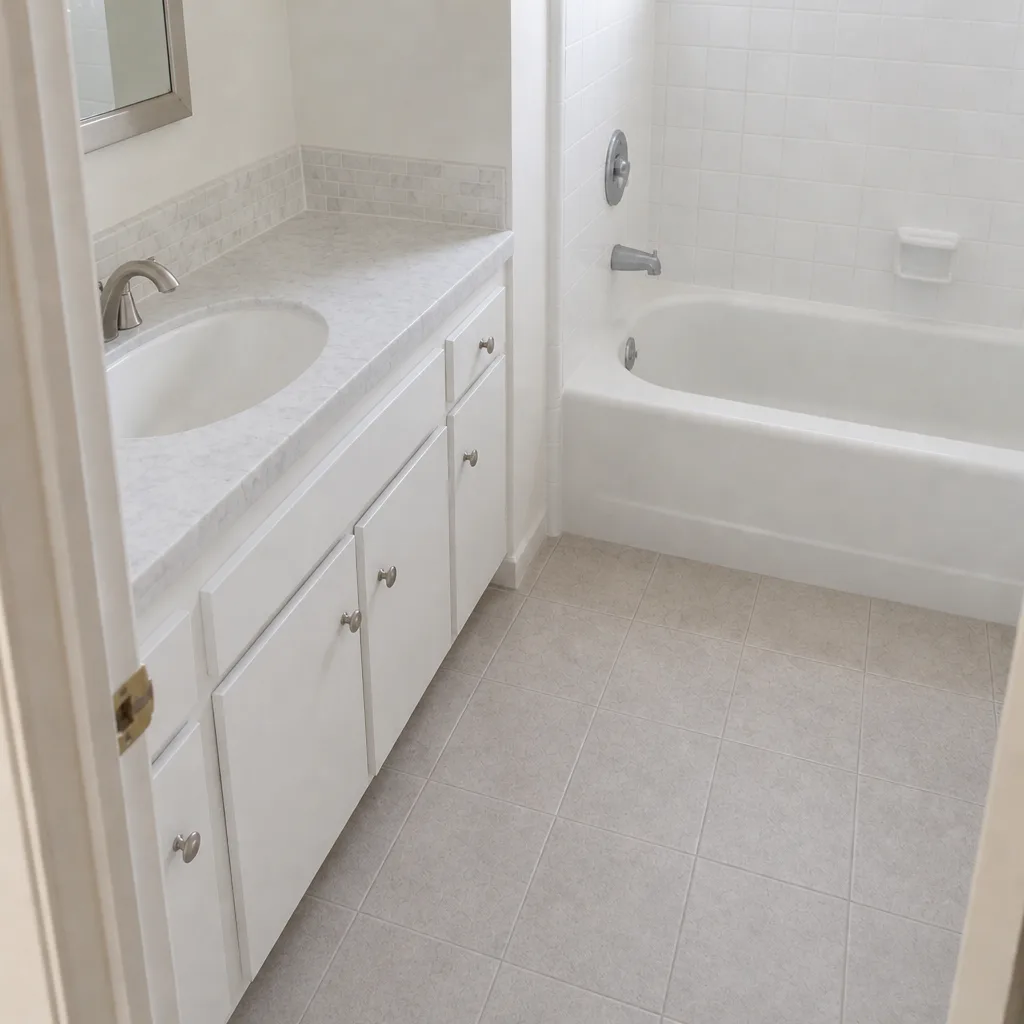
For interior remodels, summer actually helps: interiors stay conditioned, and a bathroom remodeling in Mission Viejo project is a good summer option because it doesn’t fight weather. A kitchen or bath remodel inside a Mission Viejo house can run through the hotter months without weather interruptions – just check the exterior envelope before you start.
Common Mistakes to Avoid
- Following a Midwest seasonal checklist on a Mission Viejo house. Spring/fall tasks are often mistimed here; the two-cycle calendar is what you should work from.
- Painting during a Santa Ana week. Wind and dust compromise adhesion, and the finish can peel within a season.
- Re-painting the whole house when only the sun-facing walls need it. Splitting the paint cycle by exposure saves real money and keeps the shaded walls from premature re-coats.
- Skipping the post-rain inspection. The first storm reveals exterior failures that aren’t visible in dry weather; ignore them and you’ll find interior damage months later.
- Doing roof and exterior repairs out of order. Fix the roof and flashing first, then paint. Painting below a leak wastes the paint and the labor.
- Stucco and sealant work in an August afternoon. Heat above 85°F can fail both; schedule around the heat, not the clock.
- Skipping a written price before work starts. A verbal estimate with “we’ll see” scope is where surprise invoices come from.
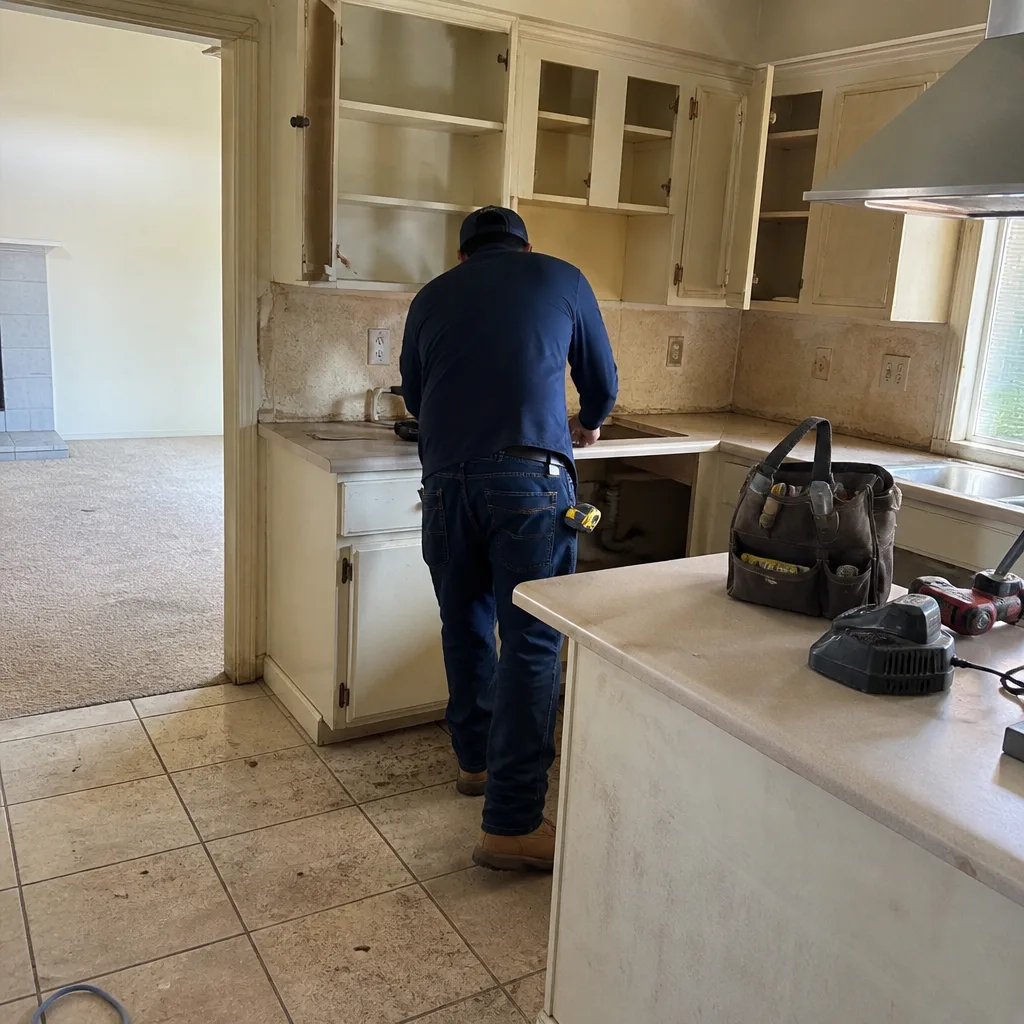
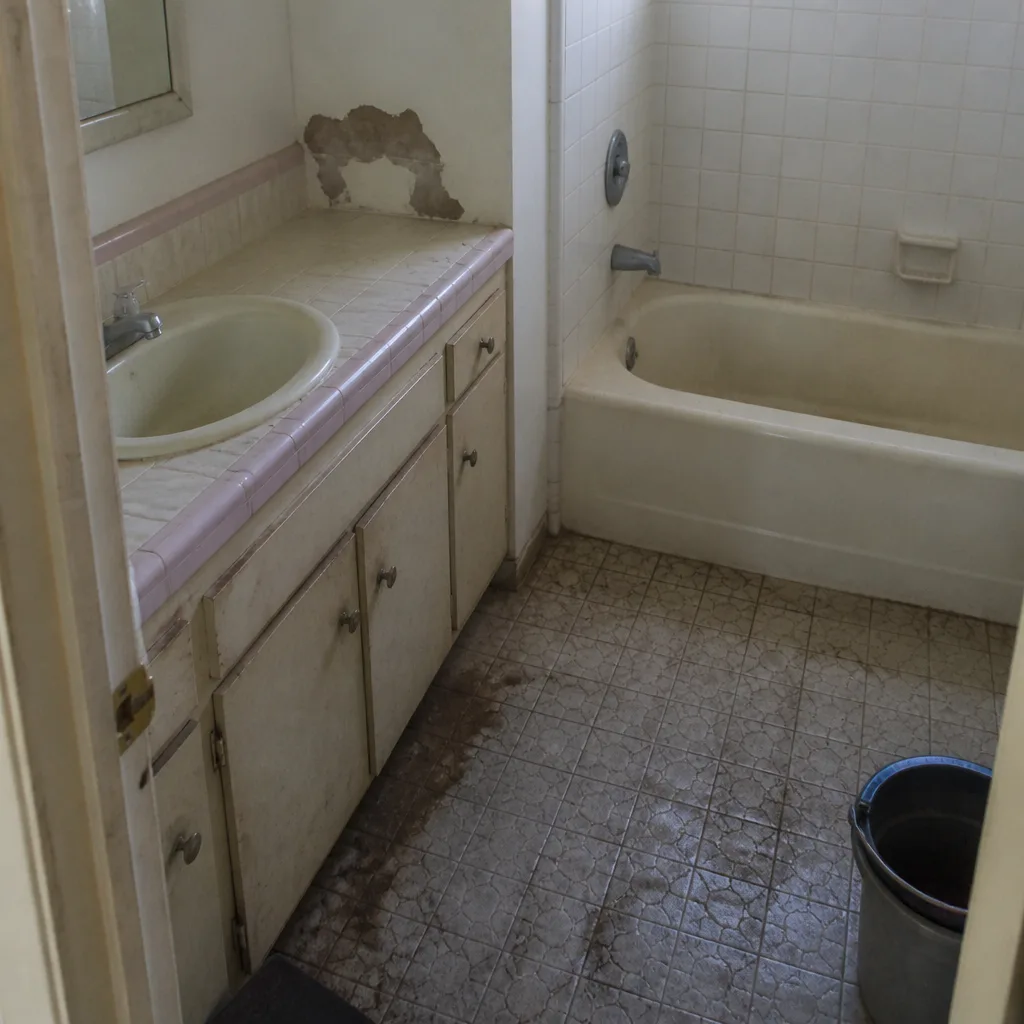
See the difference
 Before
 After
 Before
 After
 Before
 After
When to Call a Professional
Some seasonal care is a homeowner job: clearing gutters, checking drainage, replacing caulk on a ground-floor window. But some damage sits behind the surface and requires a trained eye and the right crew. Call a professional when you see stucco that is chalking, cracking, or damp after rain; when water stains appear inside a ceiling or wall; when roof shingles are lifted, missing, or granulated; when a window keeps leaking after the first storm despite a visual inspection; or when a Foundation shows ponding at the base. These are the failure points where a small repair becomes a full envelope job if left. The stakes matter because a leak behind stucco is a job for a trained professional, not a patch kit – structural moisture is where DIY carefulness ends.
Bradford Remodeling Co Mission Viejo offers free estimates in Mission Viejo – call (833) 734-2429. Every project comes with a written price before work starts and the 365-Day Done Right Promise, which means if the work fails within the guarantee period, we return and correct it at no charge. We answer the phone 24/7 with a real person.
Frequently Asked Questions

The best window is the April – June shoulder, when wind and heat are lower. Avoid painting during Santa Ana weeks (roughly September – November) and on hot August afternoons above 85°F, because adhesion fails in wind and heat. A written price before work starts should confirm the schedule for the whole job.
Reseal and caulk on a UV-aware cycle, not a fixed number of years: sun-facing walls need it sooner than shaded walls. If a caulk bead cracks under a fingernail press or stucco spots damp after rain, reseal now. Call (833) 734-2429 for an exact quote – estimates are free.
Check stucco for damp patches, foundation drainage for ponding at the base, window and door flashing for water streaks, and interior ceilings for stains. Dated photos help a contractor quote the exact repair. If anything is wet, call (833) 734-2429 – estimates are free.
Yes. Above 85°F, concrete cures faster, adhesives and sealants may skin before they adhere, and stucco can crack if it dries too fast. Schedule pours, adhesive, and stucco early in the day or in a shoulder week. Call (833) 734-2429 to plan around the heat.
Many exterior repairs and most kitchen and bath remodels require permits, and the scope determines what’s needed. A contractor should pull permits and pass inspection on the scope. Call (833) 734-2429 for a free estimate; the written quote will list permit scope.
The 365-Day Done Right Promise is our written guarantee on every completed project: if the work fails within the guarantee period, we return and correct it at no charge. It’s in writing, along with a written price before work starts. Call (833) 734-2429 to schedule your free estimate.
The Bottom Line
Mission Viejo doesn’t run on four seasons; it runs on a dry and windy cycle (Santa Ana season) and a marine moisture cycle, with year-round UV exposure on top. The order matters: prep and seal before the Santa Anas, inspect stucco, flashing, and drainage after the first real rain, schedule paint, stucco, and concrete around the April – June shoulder and the 85°F heat block, and repaint the sun-facing surfaces on a shorter cycle. Get the sequencing right and you prevent the repair. Get it wrong and the first storm finds everything the wind opened up. Every job we take comes with a written price before work starts and the 365-Day Done Right Promise; when we finish, you’ll have a clean site, documented scope, and a signed written guarantee in your hand.
Contact

If this guide raised questions about your own house, the next step is a free estimate. Bradford Remodeling Co Mission Viejo brings background-checked, uniformed technicians, documents the brands we install (KraftMaid and Wellborn cabinetry, Cambria and Caesarstone surfaces, Kohler and Moen fixtures, GAF, James Hardie, and Therma-Tru exterior products, among others), and puts every price and guarantee in writing before a single tool comes out. Call (833) 734-2429 to schedule your free estimate. For the full picture of what we do, visit the Bradford Remodeling Co Mission Viejo home.
Written by the team at Bradford Remodeling Co Mission Viejo.