Last updated November 17, 2026







Free written scope consultation - allowances, timeline, and change-order rules on paper before a single trade is scheduled
Home Remodeling Troubleshooting: Common Problems and How to Fix Them
Stopping payment to a contractor in California without following the right notice sequence can expose a homeowner to a mechanics lien even when the contractor was clearly at fault. The lien right doesn’t care who caused the problem, only whether the preliminary notice was filed and whether you paid the parties who filed it. That single fact reshapes how you should handle almost every mid-project failure. This guide is a decision sequence, not a complaint list. You’ll learn the order of operations for a cure notice, when to invoke the contract’s dispute clause, when a CSLB complaint runs in parallel, how to read a preliminary lien notice served on your Mission Viejo kitchen, and what “substantial completion” means before you withhold a dollar.
Quick Answer
When a remodel goes wrong mid-project, the correct order is: document the defect, issue a written cure notice delivered per your contract, give the contractor the contract’s stated cure window to respond, and only then escalate to a CSLB complaint or the deposit dispute process. Protect your lien position the whole time by paying subcontractors and suppliers directly or through joint check agreements. Never simply stop paying without a paper trail, because in California that can cost you more than the defect did.
Styles & brands we work with
- Kitchen remodeling
- Bathroom remodeling
- Home additions & ADU
- Roofing
- Windows & doors
- Driveway & pavers
- Fence
Table of Contents
- The Mid-Project Failure Decision Tree
- What a Preliminary Lien Notice Means for Your Project
- Hidden Defects Homeowners Miss Before Drywall Closes
- How to Write a California Cure Notice That Holds Up
- What “Substantial Completion” Means and Why It Matters
- Reading Your Dispute Resolution Clause Before You Use It
- Filing a CSLB Complaint the Right Way
- Closing Out a Troubled Project Cleanly
The Mid-Project Failure Decision Tree
Most homeowners react to a bad pour or a crooked tile field by doing one of three things in the wrong order: they stop paying, they stop the work, or they call a lawyer. All three are defensible and all three can be mishandled. Here is the sequence we walk homeowners through before anything escalates.
- Document, don’t argue. Photograph the defect with a tape measure or level in frame. Date-stamp it. Note who was on site. This is your evidence file for every later step, including a CSLB complaint.
- Check your contract’s cure and notice clauses. Most general contractor agreements in Mission Viejo specify how notice must be delivered and how many days the contractor gets to respond. That number governs your timeline, not your frustration.
- Issue a written cure notice (language in the section below) delivered in a way that creates proof: email with read receipt, or certified mail.
- Hold payment only on the disputed line item, not the whole invoice. Withholding an entire draw for a $600 defect is the single most common way homeowners hand the contractor leverage.
- Run parallel tracks if the defect is serious. A CSLB complaint and a lien-protection strategy can proceed at the same time as the cure window. They are not mutually exclusive.
If the defect involves structural framing, electrical service, or gas, stop the work on that scope and get an independent inspection before anything is covered or energized. That is not a negotiating tactic. It’s a safety call, and we treat it that way on every general contractor project in Mission Viejo.
What a Preliminary Lien Notice Means for Your Project
A preliminary notice is a document a subcontractor or supplier serves on you and the lender early in the job to preserve their right to file a mechanics lien if they don’t get paid. Receiving one is normal and is not an accusation. It is a deadline notice. If that sub or supplier goes unpaid, they can file a lien against your property regardless of whether you paid the general contractor in full.
That last sentence is the part homeowners miss. You can pay your GC every dollar on the schedule and still get a lien from a cabinet supplier who wasn’t paid downstream. The lien attaches to the property, not to the contractor’s reputation.
Your response options, in plain terms:
- Log every notice you receive with the date, the party, and the amount they cited. This is your lien watch list.
- Ask for conditional lien releases with every draw. A conditional release says the sub gets paid when the check clears; it protects you as funds move.
- Use joint check agreements for high-value suppliers. On a kitchen with KraftMaid cabinetry or a Cambria countertop order, the check is made out to both you and the supplier, or to the GC and the supplier, and requires both signatures to clear. That single step prevents most lien exposure on material-heavy jobs.
- Get unconditional releases at close-out from every party who served a preliminary notice before you make the final payment.
In our experience across Mission Viejo kitchen and whole-home projects, the homeowners who get burned by liens are almost never the ones who paid late. They’re the ones who paid in full and never collected releases.
Hidden Defects Homeowners Miss Before Drywall Closes
The most expensive remodel problems are the ones you can’t see once the wall goes up. By the time a shower leaks into the hallway or a panel trips every time the microwave runs, the cost to fix it has multiplied by a factor of five. Here’s what to inspect before close-up, and how to demand a record.
Ask your contractor for a photo record of rough-in before any wall is closed. That’s a written request in your contract or a documented email, and it’s reasonable. A disciplined crew already takes those photos. If yours resists, that tells you something.
These are the defects we see hidden most often:
- Improperly sloped shower pans. The pan must slope toward the drain at roughly a quarter inch per foot. A flat or back-sloped pan passes a quick eyeball test and fails within a year. Ask for a flood test: the pan is filled and held, then inspected by you or an independent party before tile goes down.
- Missing fire blocking. California code requires fire blocking in concealed spaces within wall assemblies, and it’s easy to skip and impossible to see later. Your photo record of framing should show it.
- Undersized electrical panels. A panel sized for the original house can’t carry a new range, a tankless water heater, and a mini-split. Ask the electrician to show you the load calculation before the panel is finalized.
- Waterproofing membrane gaps. In wet areas, the membrane must run continuously behind tile and up the wall at least to shower head height. A photo of the applied membrane before tile is your proof.
- Improper dryer and bath venting. Vented into an attic instead of outside, these create moisture problems that show up as mold a season later.
Mission Viejo’s dry summers and wet winters are hard on hidden water defects. A slow shower pan leak can sit through a dry season and bloom into visible damage the first rainy winter. That delay is why the photo record matters more than a final walkthrough.
How to Write a California Cure Notice That Holds Up
A cure notice is a written demand that the contractor correct a specific defect within a stated time. It creates a paper trail and starts a clock. A vague text message won’t do it. Here’s what it must contain, and honestly, this is the step most homeowners skip.
Your cure notice should include, in writing:
- The date of the notice and the project address.
- Your contract reference by date and the specific scope item that failed.
- A specific description of each defect, with photo references numbered to match. “The north shower pan in the guest bath back-slopes toward the door and does not drain; photo 4 shows standing water 30 minutes after a flood test.”
- The code or standard it violates, where you know it. Cite the California Residential Code section or the manufacturer’s install spec (Kohler, Moen, and most shower assemblies specify slope and membrane requirements).
- A cure deadline. Use your contract’s stated window if it has one. If it doesn’t, 10 business days for inspection and a written plan is a reasonable starting point for non-emergency defects.
- What happens if the defect isn’t cured, stated calmly: you’ll pursue the contract’s dispute resolution clause and file a CSLB complaint if needed.
- Delivery method, with proof: certified mail with return receipt or email with a read receipt. Keep both.
Deliver it in the form your contract specifies. If your contract says notice must be by certified mail to the contractor’s address of record, an email won’t create the timeline you want. Read that clause before you send anything.
What “Substantial Completion” Means and Why It Matters
Substantial completion is the legal threshold where the work is complete enough for its intended use, even though punch list items remain. In California it matters because a contractor who reaches substantial completion has enforceable payment rights, regardless of whether your kitchen outlet covers are installed or the last baseboard is caulked.
This surprises homeowners who withhold an entire final draw over a punch list. If the project is substantially complete, the withheld payment can expose you to a lien that stands up in court, even if the punch list was legitimate. The correct move is to pay the undisputed portion of the final draw and hold only the reasonable cost of correcting the outstanding items.
How to think about it:
- Substantial completion ≠ perfect. It means the space is usable for its intended purpose.
- Punch list ≠ withheld payment. Hold the amount it would cost to fix, and document why. A written estimate from another licensed contractor is a clean way to justify the number.
- Get a written punch list and a completion date. Both signed before you pay the final draw.
- Get lien releases at close. Every party who served preliminary notice signs an unconditional release before final payment clears.
Understanding this threshold before you withhold funds protects your legal position and gives you leverage to get the punch list actually done. Withholding the full final draw over caulk is the fastest way to make a small dispute bigger.
Reading Your Dispute Resolution Clause Before You Use It
Most California remodeling contracts include a dispute resolution clause. It usually specifies mediation first, sometimes binding arbitration, sometimes both. That clause governs how far your cure notice can take you and what comes next. Read it before you escalate, not after.
What to look for:
- The required first step. Many contracts require mediation before litigation. Skipping it can cost you the right to recover attorney’s fees later.
- Who pays for arbitration or mediation. The contract usually states the cost split.
- Whether the clause is binding or optional. A mandatory arbitration clause waives your right to a jury trial. That’s a significant term to know.
- Any short statute of limitations. California generally limits written contract claims, but remodeling contracts sometimes shorten the time window. Note the date.
If your contract lacks a dispute clause, you’re not stuck. You still have the cure notice, the CSLB complaint process, and the courts. But the clause, when present, is the first lever.
Filing a CSLB Complaint the Right Way
The Contractors State License Board can investigate unlicensed activity, abandonment, and code violations on licensed work. It is a real tool, but it is not a fast one. Most complaints take weeks to months to reach a field investigation, and the CSLB’s first move is often mediation between you and the contractor, not penalties.
What the CSLB needs from you:
- A clear written statement of the defect and its dollar impact.
- Your contract, with the license number visible.
- Your cure notice and any response (or silence) from the contractor.
- Photographs and a written timeline.
File the complaint as a parallel track to your cure notice, not as a replacement for it. The CSLB investigation can help, but it will not stop a lien from filing, and it will not pay your deposit back. Keep the lien strategy running on its own timeline.
If the contractor was unlicensed on a job over $500, the CSLB route is your strongest lever, and California law gives you the right to pursue the deposit through small claims without an arbitration clause blocking you. That’s a specific legal pathway we see homeowners miss.
Closing Out a Troubled Project Cleanly
Squared away at the end of a difficult job looks like this: every punch item signed off, a final walkthrough with photos matching the original scope, unconditional lien releases from every party who served a preliminary notice, a written guarantee in your hand covering the work for the stated period, and a final invoice that matches the written price you agreed to before work started.
If you’re partway through a remodel in Mission Viejo and the sequence above is not what your current project looks like, that’s the signal to act, not to hope. The cost of a bad shower pan or a lien filed against your home is larger than the cost of getting a second opinion right now. If a contractor is telling you the written price was an estimate, or your cure notice is being ignored, the right move is to get a documented second opinion from a crew that runs on a written agreement and a written guarantee.
Common Mistakes to Avoid
- Stopping all payment over one defect. Withholding the full draw for a single line item hands the contractor the leverage you were trying to create. Pay the undisputed portion and withhold only the cost of correction.
- Sending a cure notice by text. A cure notice without delivery proof won’t stand up in a mediation, a CSLB investigation, or a court. Use certified mail or email with read receipt, and match the method your contract specifies.
- Withholding final payment after substantial completion. If the space is usable, the contractor has enforceable payment rights and withholding can expose you to a valid mechanics lien. The move is to pay and hold only the punch-list cost.
- Ignoring a preliminary notice. If you don’t log it, you don’t know you owe that party. Collect conditional releases with every draw and joint checks for high-value material orders, or a supplier lien can file even though you paid your GC in full.
- Skipping the photo record before drywall. Shower pans, fire blocking, waterproofing, and electrical panel sizing all hide behind finished walls. Request photos of the rough-in before close-up, and inspect the shower pan with a flood test.
- Calling a lawyer before reading the dispute clause. If your contract requires mediation first and you skip it, you can lose your right to recover attorney’s fees later. Read the clause before you escalate past the cure notice.
- Skipping the CSLB because it feels slow. The CSLB complaint is a parallel track, not a fast solution. File it alongside your cure notice, and keep the lien strategy running on its own clock.
See the difference
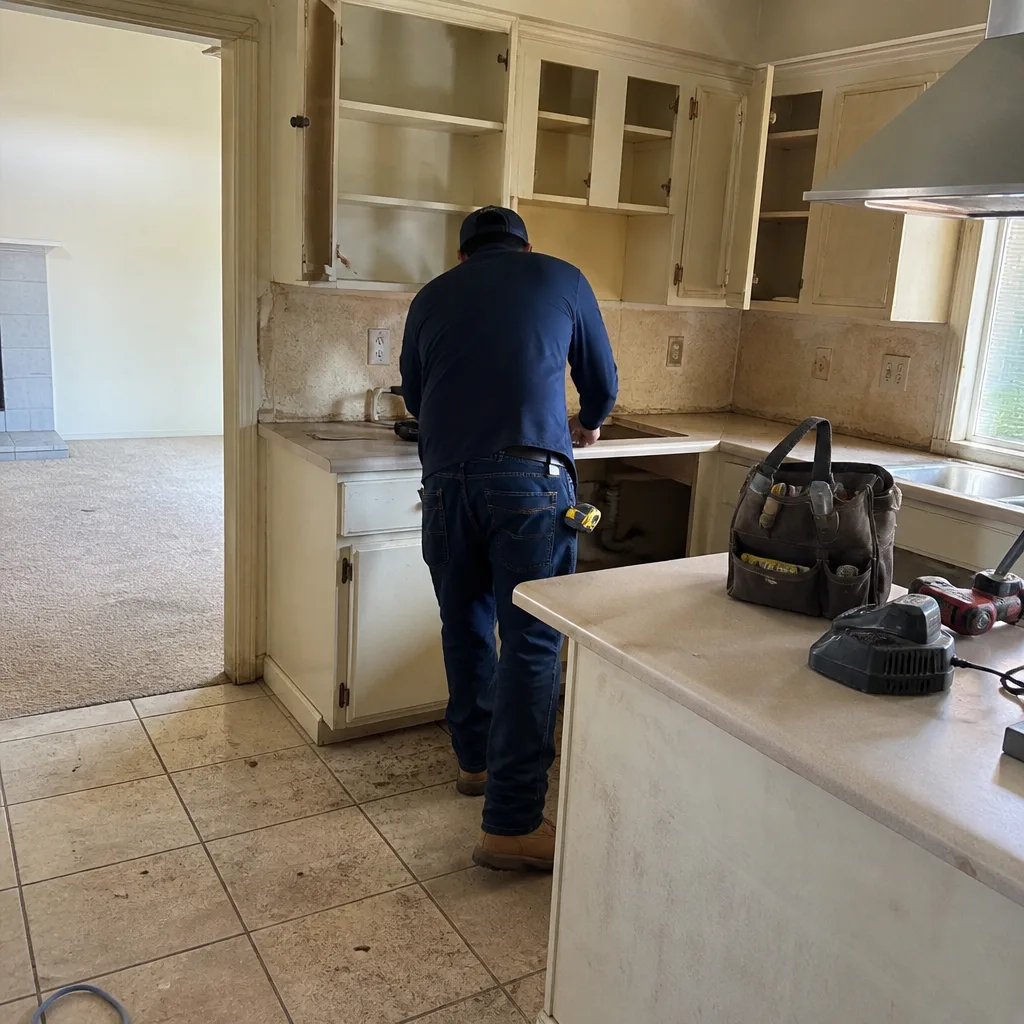 Before
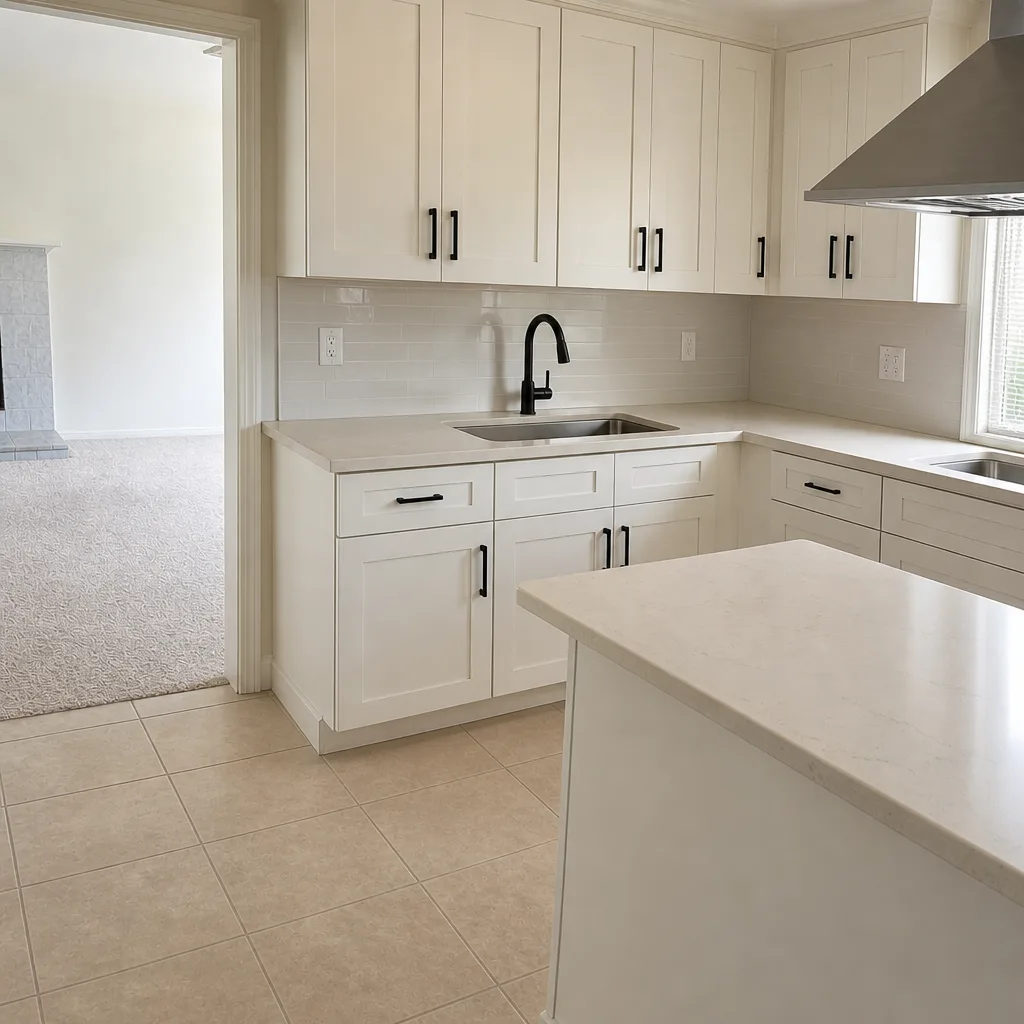 After
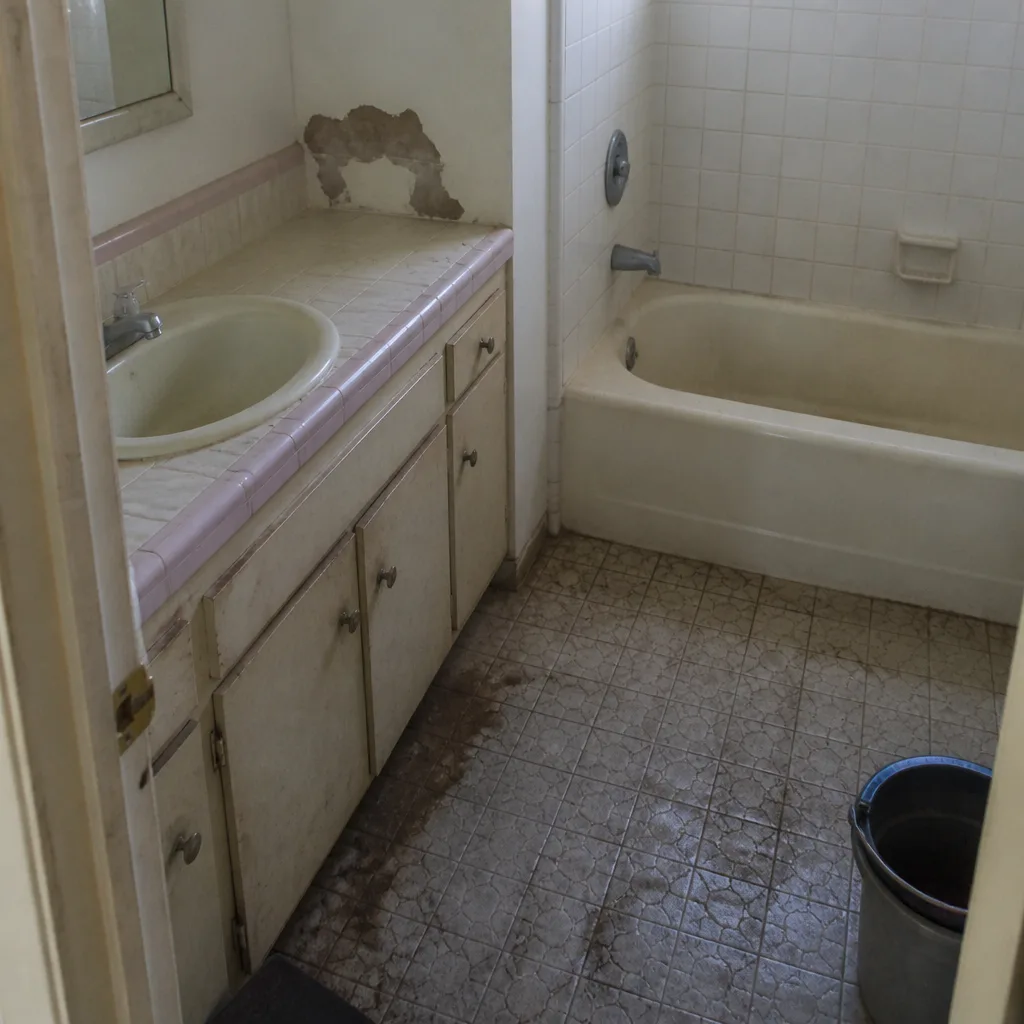 Before
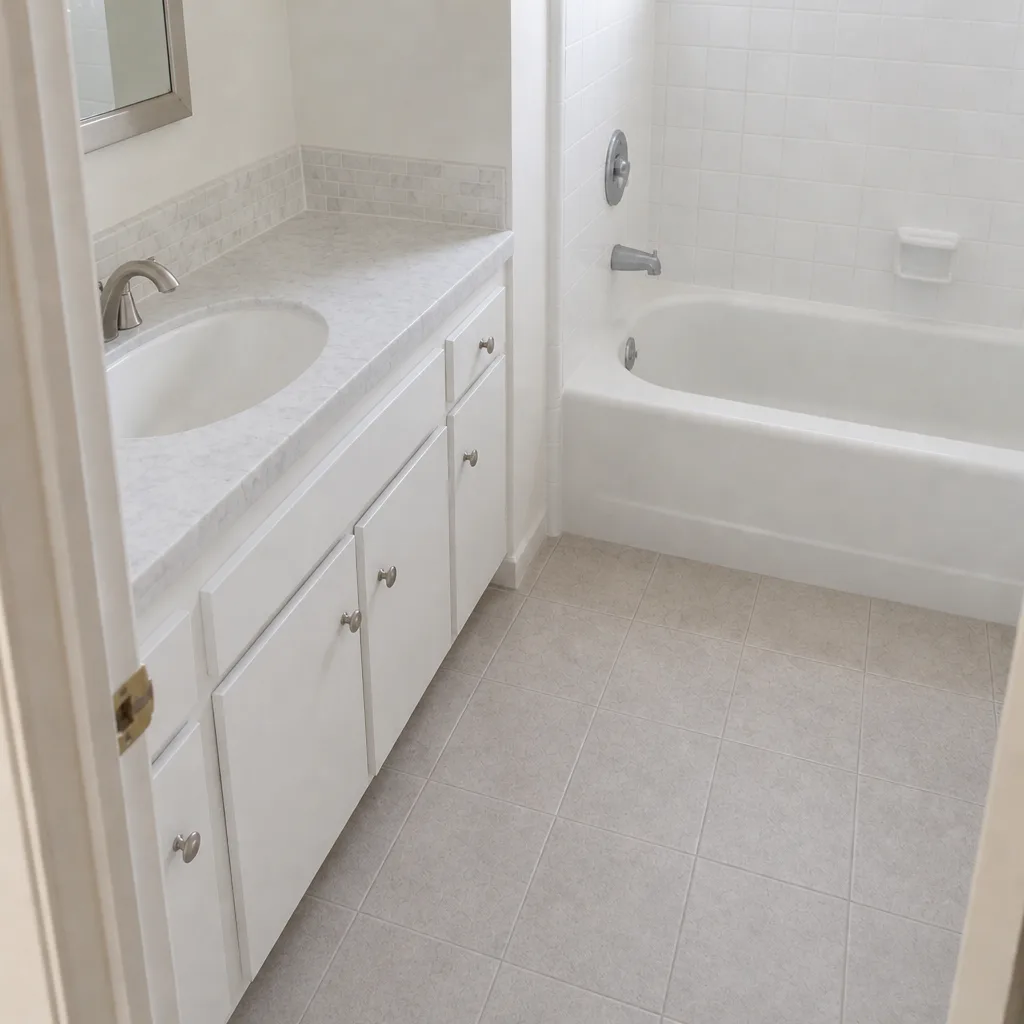 After
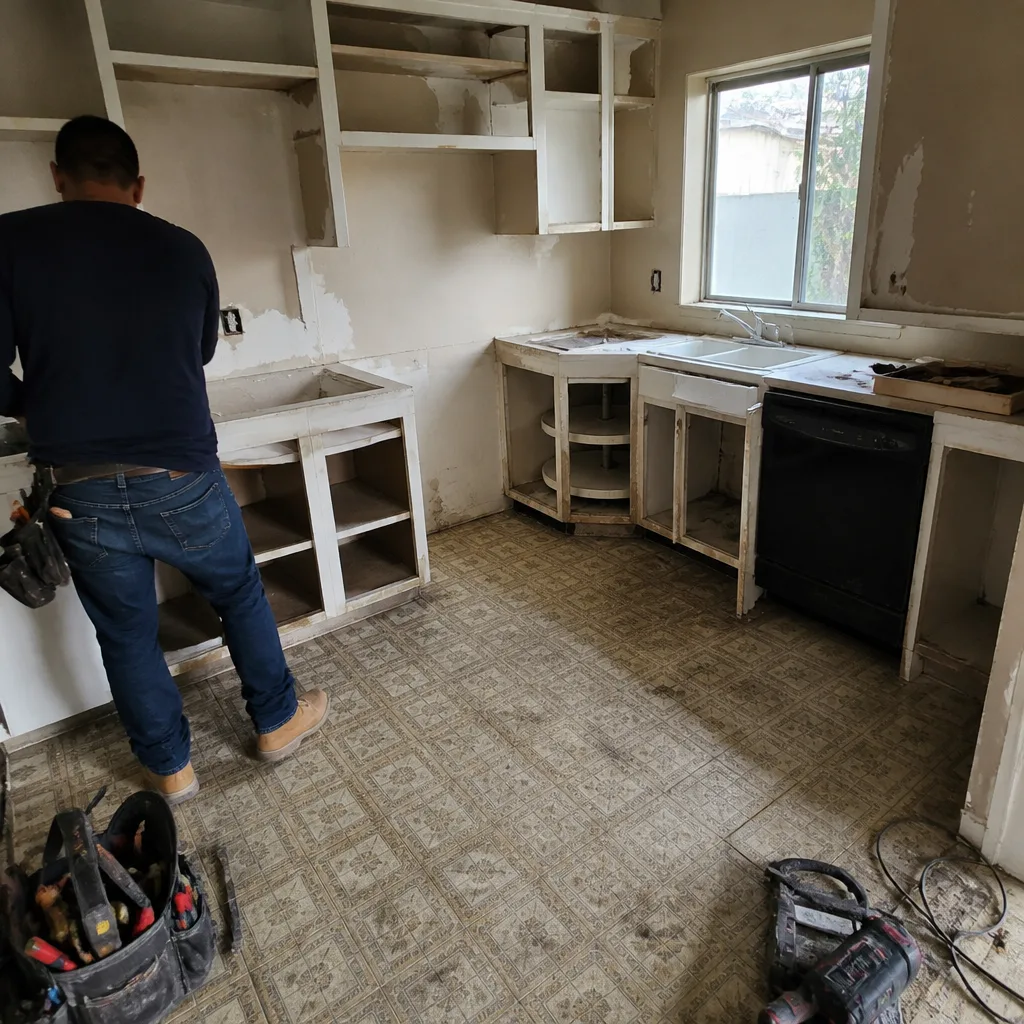 Before
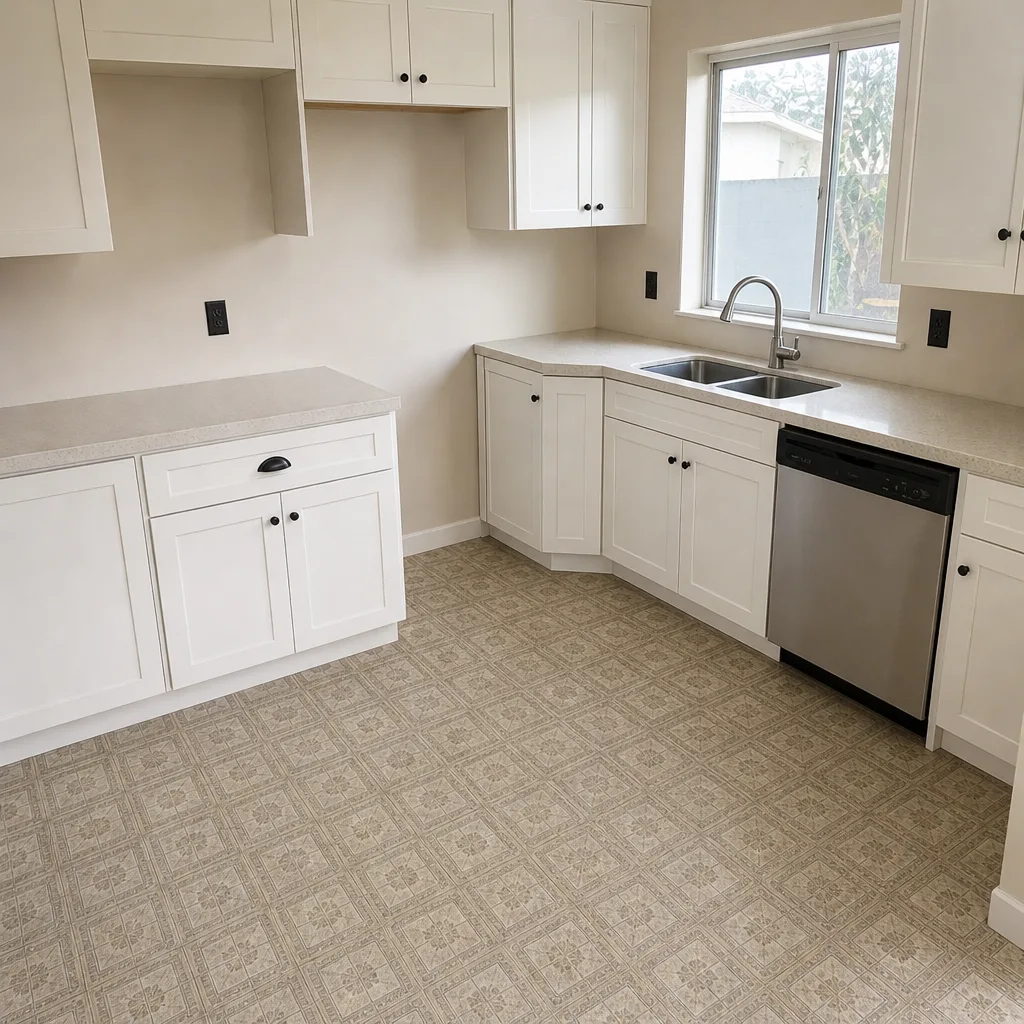 After
When to Call a Professional
A defect involving structural framing, electrical service, gas piping, or a leaking shower pan needs a licensed professional now, not a written back-and-forth. The same goes for a project where the contractor has gone silent, has missed a cure deadline, or is repricing the agreed scope mid-job. In those cases, the fast path to a clean outcome is an independent inspection and a documented second opinion. If you’re partway through a remodel in Mission Viejo and the sequence in this guide is what your project needs, we’ll look at the work and give you a straight answer. Bradford Remodeling Co Mission Viejo offers free estimates in Mission Viejo. Call (833) 734-2429. Every project starts with a written price before work begins, backed by our 365-Day Done Right Promise and crews of background-checked, uniformed technicians. A live person answers the phone around the clock.
Frequently Asked Questions

You can, but not without a paper trail. If you stop paying without issuing a written cure notice, you can expose yourself to a mechanics lien even when the defect was clearly the contractor’s fault. The correct move is to document the defect, send a cure notice in the form your contract specifies, and withhold only the reasonable cost of correcting the specific line item. Call (833) 734-2429 for a free estimate on correcting the work.
A preliminary lien notice preserves a subcontractor’s or supplier’s right to file a mechanics lien if they aren’t paid. You don’t “do” anything in response except log it, request a conditional release with the next payment, and get an unconditional release at project close. Ignoring the notice is how homeowners end up with a lien on the property even after paying the general contractor in full. Call (833) 734-2429 if you need help untangling one.
Check the shower pan slope with a flood test, confirm the waterproofing membrane runs to shower head height, verify fire blocking in concealed wall assemblies, and ask the electrician for the load calculation on any panel upgrade. Request a photo record of each before the wall is closed. Call (833) 734-2429 for a free estimate on a fix if one of these defects already got covered.
Substantial completion is the point where the work is complete enough for its intended use, even though punch list items remain. Once reached, the contractor has enforceable payment rights. If you withhold the full final draw over punch items, you can expose yourself to a valid lien. Hold only the reasonable cost of correcting the punch list, document why, and pay the rest. Call (833) 734-2429 for a free estimate on the remaining work.
Your contract’s stated cure window governs. If it doesn’t specify one, 10 business days for inspection and a written correction plan is a reasonable starting point for non-emergency defects. Emergency defects involving structural, electrical, or gas need an immediate stop on that scope, not a paper timeline. Call (833) 734-2429 for a free estimate on a second opinion.
File the CSLB complaint as a parallel track to your cure notice, not instead of it, and read your contract’s dispute resolution clause before hiring a lawyer. If your contract requires mediation first and you skip it, you can lose your right to recover attorney’s fees. The CSLB process is slow but real, and it runs alongside your lien strategy, not in place of it. Call (833) 734-2429 for a free estimate on completing the work.
The Bottom Line
When a remodel goes wrong mid-project, the sequence matters more than the severity. Document the defect, issue a written cure notice in the form your contract specifies, withhold only the disputed line item, and protect your lien position with conditional releases and joint check agreements. Understand substantial completion before you withhold any final draw. File a CSLB complaint as a parallel track, not a replacement for the cure notice. Read the dispute clause before you escalate. And before you spend a season fighting over work that was botched, get a documented second opinion. Bradford Remodeling Co Mission Viejo puts every price in writing before work starts and stands behind it with the 365-Day Done Right Promise.
Ready to get your project back on track? Call (833) 734-2429 to schedule a free estimate in Mission Viejo. A live person answers the phone day and night, and we bring a written price to the first visit.
Written by the team at Bradford Remodeling Co Mission Viejo.