Last updated November 17, 2026







Free written scope consultation - allowances, timeline, and change-order rules on paper before a single trade is scheduled
Home Remodeling Warning Signs Every Homeowner Should Know
By the time most homeowners recognize a problem contractor, demolition is already done and the framing is going up. Stopping the job then costs more than finishing it, and that’s not an accident. The warning signs that matter most don’t show up during the bid walkthrough; they show up after you’ve signed, when you’re committed and least likely to walk away. In our experience remodeling homes across Mission Viejo, the homeowners who get hurt are usually the ones who caught the obvious red flags and missed the procedural ones buried in the contract. This guide covers both, with the emphasis on the second kind.
Quick Answer
The most dangerous home remodeling warning signs are procedural, not obvious: contracts with open-ended allowances and vague language like “similar to” or “as needed,” a contractor who dodges lien waivers after each payment, and work that proceeds without required inspections. A contractor asking for full payment upfront is a red flag, but it’s also the one everyone catches. The red flags that actually cost homeowners money appear after signing, and that’s where to focus your attention.
Styles & brands we work with
- Kitchen remodeling
- Bathroom remodeling
- Home additions & ADU
- Roofing
- Windows & doors
- Driveway & pavers
- Fence
Table of Contents
- Pre-Contract Warning Signs Everyone Already Covers
- Post-Contract Warning Signs Almost No Guide Covers
- Contract Language That Signals Future Billing Disputes
- How to Read a Lien Waiver, and Why You Should Insist on One
- When a Contractor Goes Dark, and When It’s Just a Communication Gap
- Permit Red Flags and the Liability You Carry Without Them
- A Step-by-Step Process to Protect Yourself Before and After Signing
- Common Mistakes to Avoid
Pre-Contract Warning Signs Everyone Already Covers
We’ll move through these quickly because they’re the ones homeowners already know. They still catch people every week, so they’re worth a short review before we get to the part that matters.
The standard list: no written contract, a demand for large cash deposits, no license or insurance proof, pressure to sign “today,” a price with no line items, and a phone that only goes to voicemail. Those all belong on any warning signs checklist, and we won’t pretend they’re not real problems.
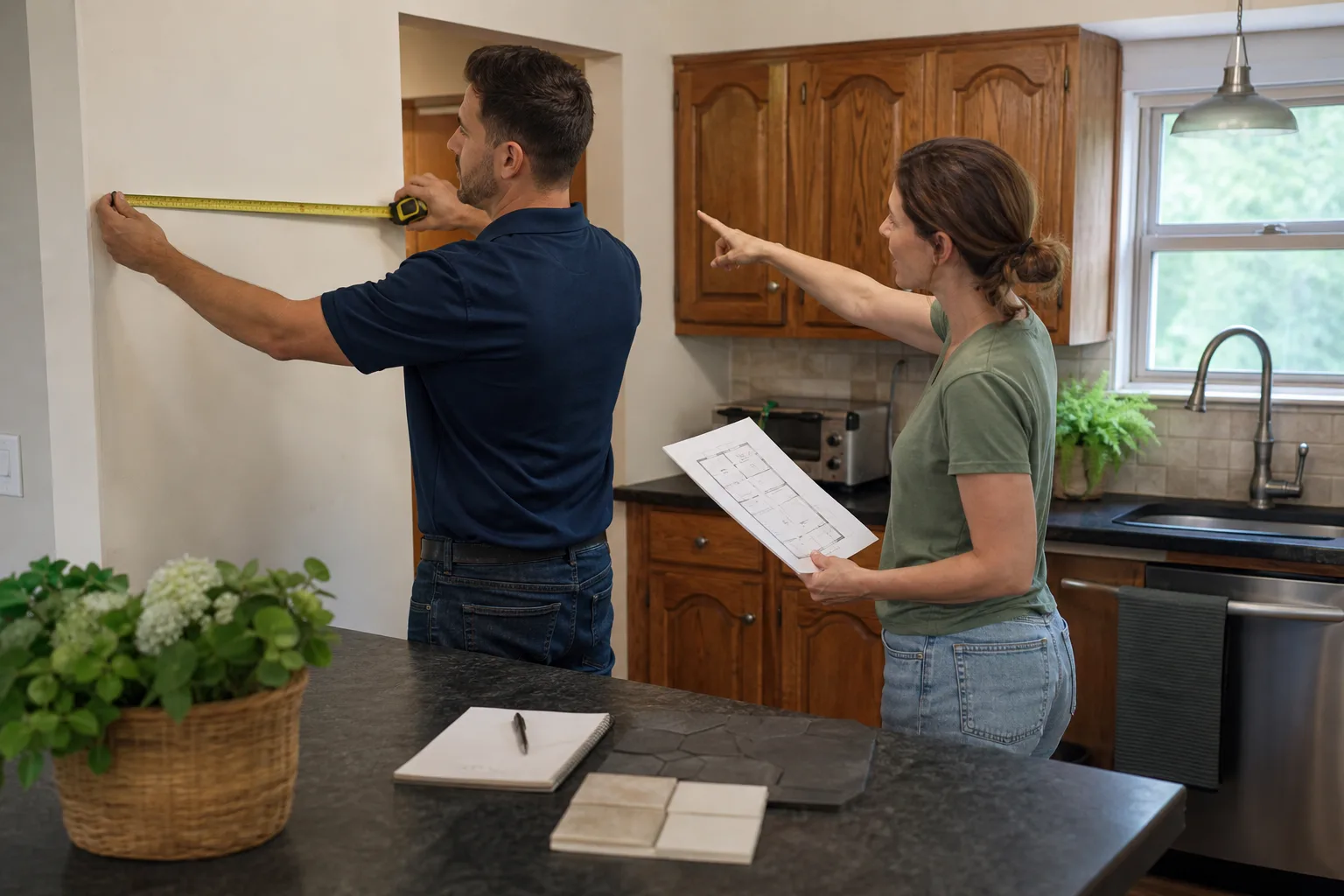
What we see more of in Mission Viejo is the softer version of these flags. A contractor who says, “We’ll work out the details as we go,” or who quotes a lump-sum number for a kitchen without breaking out cabinets, countertops, flooring and labor. That’s not necessarily a bad contractor, but it’s a contractor whose price will move once demolition begins. A written line-item price before work starts is the one control that prevents this, and it costs you nothing to insist on it.
The other pre-contract check worth doing: ask which brands the contractor installs and confirm the manufacturer specs before you sign. If your kitchen quote includes Cambria quartz, you should see a specific slab grade, edge profile, and the fabricator’s name on the paperwork. Ambiguity on a $12,000 countertop line is the kind of flexibility that favors the contractor, not you.
Post-Contract Warning Signs Almost No Guide Covers
This is where the real risk lives. Once you’ve signed and demolition starts, your leverage drops fast. The following signs appear between week one and week four, when backing out is expensive.
- The schedule stops being written down. If your contractor’s timeline only lives in their head, delays become your problem, not theirs. A written schedule with milestones is a contract term, not a courtesy.
- Change orders arrive verbally. “We need a little more on the plumbing rough-in” delivered at the door, with no paper, is how a $40,000 kitchen becomes a $52,000 kitchen. Every change order should be a signed, priced document before work proceeds.
- Subcontractors you never met appear on site. Background-checked, uniformed technicians on every job is a standard a serious contractor sets, not a favor. If neighbors knock and ask who’s working in your house, you should have the answer.
- Your contractor starts managing your money instead of the schedule. Frequent requests for early draw money, before the previous phase is complete, is a cash-flow signal, not a progress signal.
- The site stops being cleaned at end of day. A messy site is often a disciplined-job signal, not the other way around. Crews that run on process clean up because cleanup is on the schedule.
In our experience, the pattern that most consistently precedes a problem job is a contractor who starts deferring the paperwork at the exact moment the work gets expensive. The paperwork is the discipline, and when it collapses, the rest follows.
Contract Language That Signals Future Billing Disputes
Read your contract for four specific words and phrases. Each of them creates space for a future charge you didn’t budget for. Most homeowners skim past them because the total number looks right.
- Allowances. An allowance is a placeholder dollar figure for a material you haven’t chosen yet. A $3,000 lighting allowance sounds generous until you price the fixtures you actually want at $5,000, at which point the difference lands on your invoice. Ask for a realistic allowance tied to specific products, not a number the contractor picked to make the total look lower.
- “As needed.” “Electrical upgrades as needed” or “repairs as needed” gives the contractor discretion to bill for work you didn’t approve. Replace every “as needed” with a defined scope before you sign.
- “Similar to.” “Cabinet hardware similar to [photo]” gives the contractor permission to install a cheaper equivalent. “Similar to” should mean the specific product, brand and model number. In a kitchen we’ve seen this language applied to Kohler fixtures and to counters alike; the fix is always a specific brand and SKU on the contract.
- “Owner-supplied.” When you supply the tile or the fixtures yourself, the contract often removes installation responsibility from the contractor. If your owner-supplied tile chips during install, you may have no recourse. Confirm in writing what happens if the contractor damages owner-supplied material.
None of these phrases is a scam by itself. They’re standard trade language. The risk is when they’re used loosely, in a contract signed without a line-by-line read. Insist on specific product names, grades and model numbers for anything that gets installed.
How to Read a Lien Waiver, and Why You Should Insist on One
A lien waiver is a document your contractor (and every subcontractor and supplier) signs to confirm they’ve been paid for the work completed to date. It’s your proof that the money you’ve already spent is actually flowing through the job and not sitting in the contractor’s account.
Why it matters: in most states, including California, unpaid subcontractors and suppliers can record a mechanic’s lien against your property, even if you paid the general contractor in full. If the contractor doesn’t pay the plumber, the plumber can come after your house. A lien waiver, signed by the sub and the supplier, is your shield.
Ask for a conditional lien waiver with each payment (it becomes effective when the check clears) and an unconditional lien waiver once payment has cleared your bank. Insist on one for every draw, and don’t release the next draw until the previous waiver is in hand.
What it means if your contractor won’t provide one: verify their payment history on the job before paying anything further. A contractor with nothing to hide produces a waiver as routinely as they produce an invoice. A contractor who gets evasive about waivers is telling you something about how they’ve been paying their subs, and that’s a serious red flag, not a paperwork delay.
When a Contractor Goes Dark, and When It’s Just a Communication Gap
Contractors miss calls. Crews run long. Materials arrive late. A single day of silence is not a warning sign; a pattern of silence that follows a payment request is.
Here’s how we tell the two apart:
- Communication gap: the contractor is on site, the schedule is on track, and calls get returned within 24-48 hours. The work is happening even if the phone isn’t.
- Going dark: the site is quiet for multiple days, no one answers the phone for a week, the schedule has stopped updating, and the last payment was recent. That combination is a real problem, not a slow week.
In California, the homeowner has concrete options once a contractor appears to have abandoned the job. Document everything: dated photos of the site, copies of your contract, all payment records, and every text and email. Send a written notice of the issue with a deadline for response, and keep the receipt. If the work doesn’t resume, you can file a complaint with the California State License Board and pursue civil remedies. For larger jobs, consult an attorney before authorizing any further payment. A licensed contractor who intends to finish the job will respond to a written notice within days, because the license is on the line.
If you’ve been burned by a contractor who went dark and you’re trying to restart a stalled job, that’s one of the specific situations where a disciplined contractor’s process matters most. A Mission Viejo home remodeling team with a documented process can assess what was finished, what was missed, and what needs to be fixed before the job resumes.
Permit Red Flags and the Liability You Carry Without Them
When a contractor offers to skip the permit to save you money and time, they’re offloading the risk onto you, and it’s a bigger risk than most homeowners realize. In Mission Viejo and across Orange County, permitting is straightforward; a contractor who avoids it is signaling something about how they operate, not saving you a hassle.
Here’s what the homeowner’s liability actually looks like when work proceeds without proper permits or inspections:
- Resale problems. Unpermitted work often surfaces during a home inspection and can stall or kill a sale until it’s been retroactively permitted and inspected. That cost lands on you, not the contractor.
- Insurance denials. If a fire or water loss traces back to unpermitted electrical or plumbing work, your insurer can deny the claim. The contractor’s policy is not a substitute for yours.
- Code compliance costs. Retroactive permitting frequently requires opening up finished work for inspection. What would’ve been a $600 permit can turn into a $15,000 fix-and-refinish.
- No inspection record on structural or life-safety work. Framing, electrical, plumbing and gas line inspections exist for a reason. Skipping them means nobody independent confirmed the work is safe.
What healthy permit process looks like: your contractor pulls the permits in their name, posts them on site, notifies you before each inspection, and provides the signed inspection card at close. Ask for that card. If they can’t produce it, the work isn’t done.
A Step-by-Step Process to Protect Yourself Before and After Signing
These are the steps we recommend to every homeowner, from the first bid to the final walkthrough. They’re designed to catch the post-contract red flags that most guides skip.
- Get a written, line-item price. Every material, every labor line, every allowance. If the contractor resists itemizing, you already have your answer.
- Read the contract for the four trigger phrases. Allowances, “as needed,” “similar to,” “owner-supplied.” Replace each with a specific product, scope or limit before signing.
- Confirm the permit plan in writing. Who pulls the permit, which inspections are required, and when the signed inspection card will be provided.
- Set the draw schedule. Payments should follow completed work, never precede it. If your contractor wants money before a phase begins, that’s a cash-flow flag.
- Get a lien waiver with every draw. Conditional with payment, unconditional after it clears. No waiver, no next draw.
- Get every change order in writing and priced before work proceeds. A verbal change order is a future dispute.
- Confirm what the guarantee actually covers, in writing. Which items are covered, for how long, and what the return visit includes. Vague guarantees are the hardest to enforce.
- Do a documented final walkthrough. Photos, a signed punch list, and the written guarantee in your hand at close.
Notice that six of those eight steps happen after the contract is signed. That’s the point. The work to protect yourself doesn’t end at the signature, and any contractor who treats a homeowner’s checklist as a burden is telling you something before the first day.
Common Mistakes to Avoid
- Reading the contract once. Read it twice, with the four trigger phrases (allowances, “as needed,” “similar to,” “owner-supplied”) marked in pen. Most billing disputes start at a phrase the homeowner skimmed.
- Skipping the lien waiver on smaller draws. Every draw received without a signed waiver is a small opening for a subcontractor’s lien. Insist on one every time, no exceptions, even for the $2,000 mid-phase draw.
- Treating silence as nothing. A full week of silence after a payment, combined with a quiet site, is not normal. Document it in writing and set a deadline before the pattern becomes expensive.
- Letting the contractor “handle permits later.” In Mission Viejo, unpermitted work discovered during a resale can cost five figures to correct retroactively. The permit should be pulled before demolition, not after.
- Treating a low bid as a win. A bid that’s 20% below the others is either missing scope or planning to charge for it later. Compare line items, not the bottom number. A written price before work starts is the only bid you can trust at month two.
- Ignoring the site’s cleanliness at day three. A disorganized, un-cleaned site is usually a leading indicator of a disorganized job. The cleanup habit tells you how the contractor runs the schedule, the subs and the paperwork.
- Assuming the 365-Day Done Right Promise is boilerplate. Ask specifically: which items are covered, what the return visit includes, and what triggers it. A real written guarantee answers those questions in the contract, not in the sales conversation.
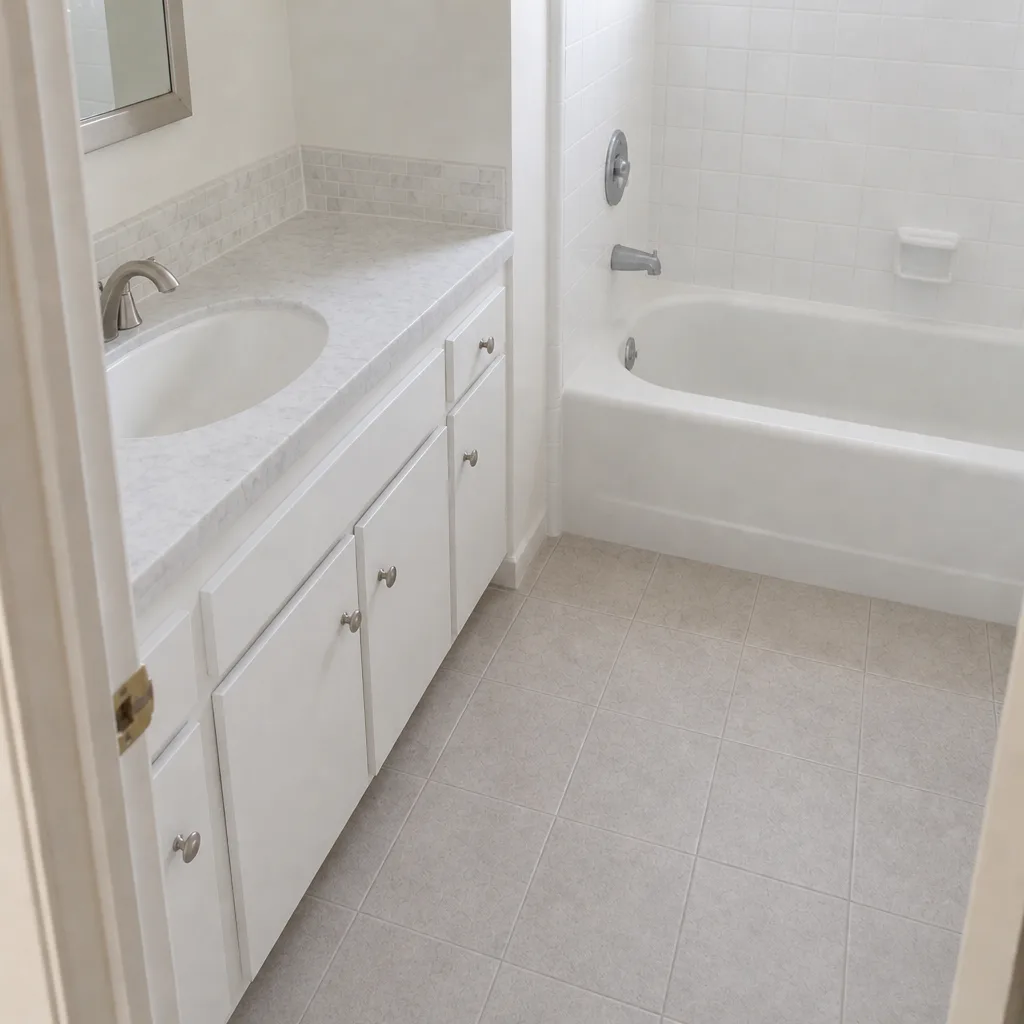
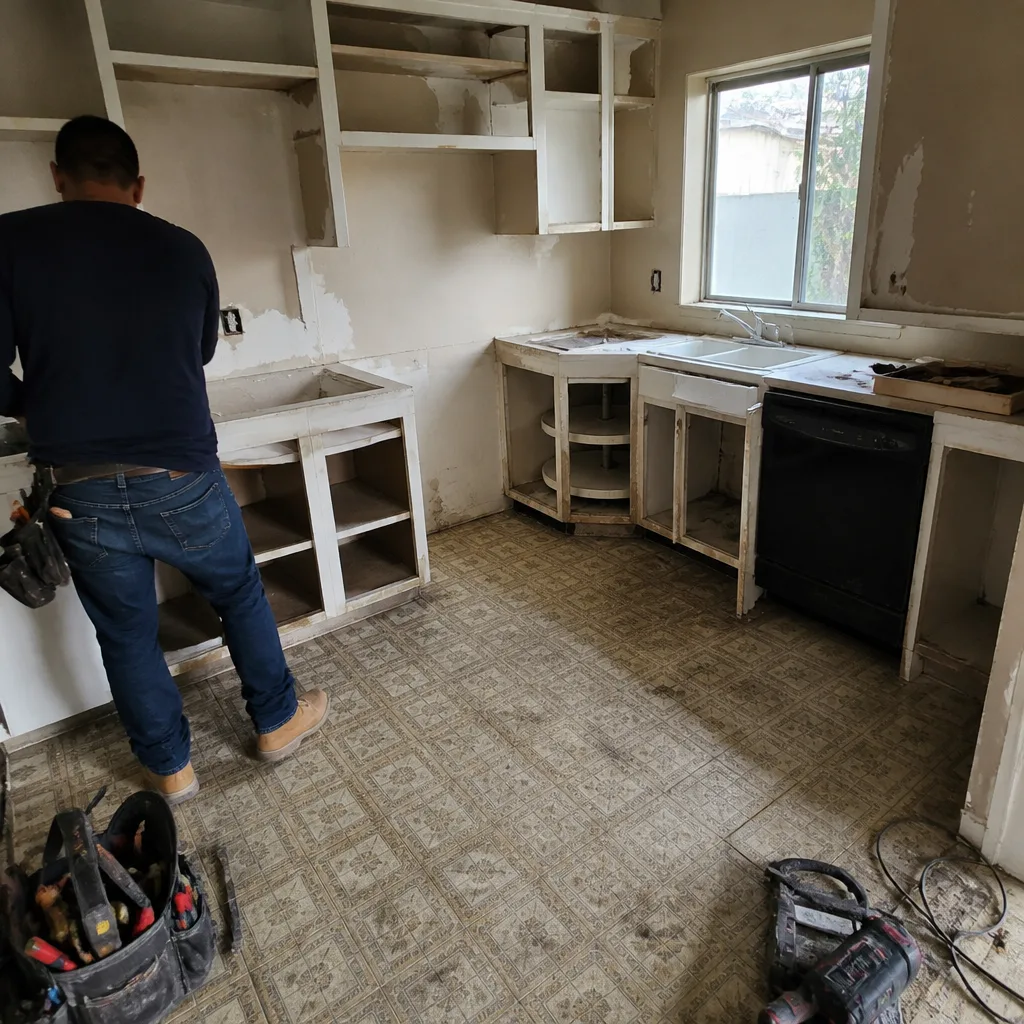
See the difference
 Before
 After
 Before
 After
 Before
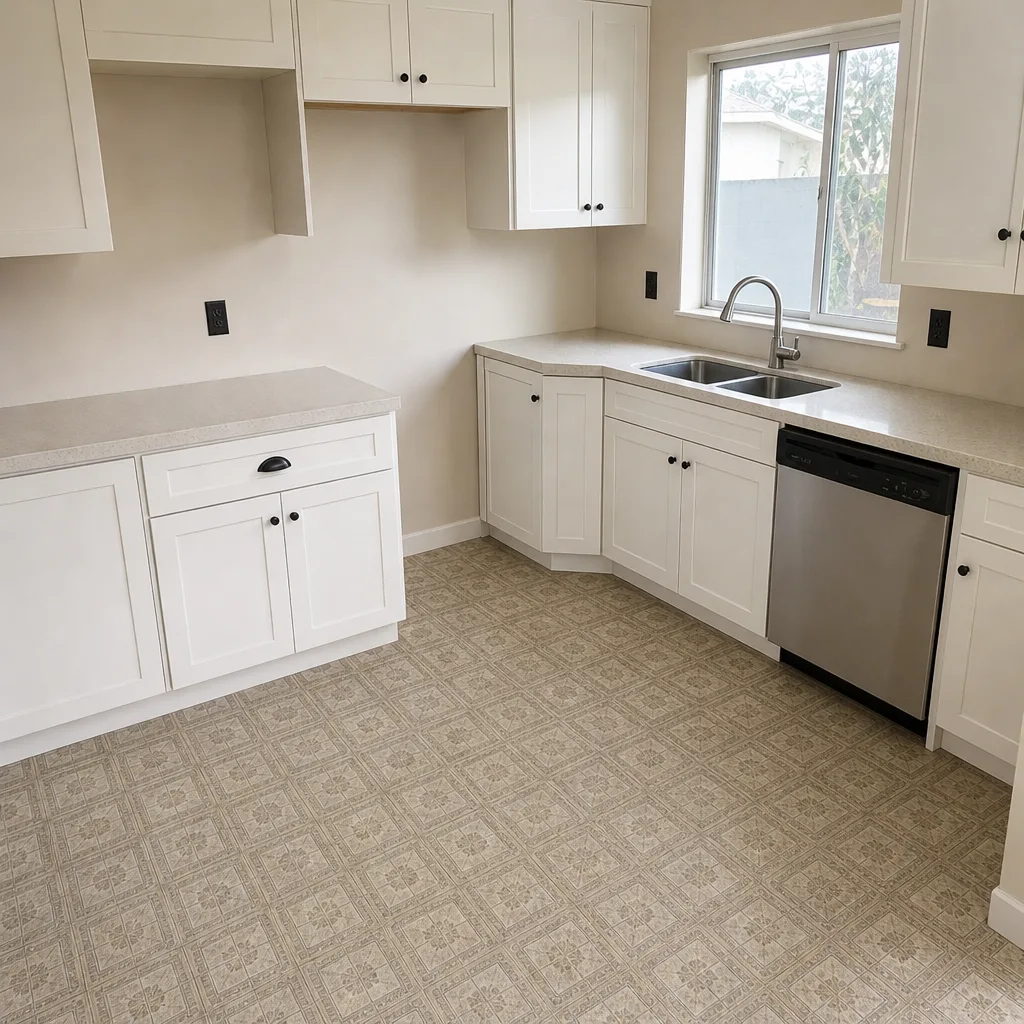 After
When to Call a Professional
If you’ve spotted the post-contract warning signs and the job is already underway, call an experienced contractor for a second opinion before you authorize the next payment. A qualified professional can walk the site, verify what’s actually been completed, spot missing or sloppy inspections, and confirm whether the line items in your contract match the work in progress. If you’re in the planning phase and want the alternative to the pattern described in this guide, our Mission Viejo general contractor page walks through how a disciplined job actually runs from the first written estimate to the final walkthrough. For bigger jobs involving kitchens or bathrooms, the respective service pages cover scope, brands and the written guarantees in more detail. Bradford Remodeling Co Mission Viejo offers free estimates in Mission Viejo, with a written price before any work starts and the 365-Day Done Right Promise on every completed job. Call (833) 734-2429 to schedule yours.
Frequently Asked Questions
Open-ended allowance language is the single biggest warning sign in most residential contracts, because it lets the total price move after you’ve signed. If the contract includes a $3,000 allowance for a $6,000 material, the difference is designed to land on your invoice at the end. Replace every allowance with a specific product and price before signing. Call (833) 734-2429 if you want a written line-item price to compare against another bid.
A contractor who won’t provide a lien waiver after payment is often indicating that they’re not paying their subcontractors or suppliers on schedule. In California, an unpaid sub can record a mechanic’s lien against your home even if you paid the general contractor in full, which is why the waiver is your proof of payment flow. If a waiver isn’t provided, request one in writing and hold the next draw until it arrives. Call (833) 734-2429 for guidance on how a proper draw schedule should be structured.
Normal gaps come with visible work in progress and a returned call within a day or two. A contractor is “going dark” when the site is quiet for multiple days, the phone is unanswered for a week, and the last draw was recent. If that’s the pattern, document the site with dated photos, send a written notice with a deadline, and if the work doesn’t resume, file a complaint with the California State License Board. Call (833) 734-2429 if you need a second opinion on a stalled job.
Yes. Permits are pulled in the contractor’s name, posted on site, and every required inspection is scheduled before the work phase covers up. A signed inspection card is provided at the close of the job. Any contractor offering to “skip the permit to save money” is transferring the liability to you, often a five-figure cost at resale. Call (833) 734-2429 for a free estimate that includes a written permit plan.
On a Bradford Remodeling Co Mission Viejo job, no. Every project receives a written price before any work starts, with line items for materials, labor and allowances, and the number doesn’t move at the door. Change orders are signed and priced before the work proceeds, and no verbal change orders are accepted. That commitment is part of The Garrison Standard. Call (833) 734-2429 to schedule your free estimate.
The 365-Day Done Right Promise is a written guarantee covering completed work for a full year after the job closes; if the work fails inside that window, the company returns and corrects it at no charge. That guarantee is signed and delivered in writing at project close, not promised verbally. It’s backed by background-checked, uniformed technicians and a documented roster of named-brand materials so nothing is left to guesswork. Call (833) 734-2429 to review the guarantee terms before you sign.
The Bottom Line

The warning signs that cost homeowners the most aren’t the obvious ones, like a contractor asking for full payment upfront. They’re the post-signature flags: allowances that balloon, change orders that arrive verbally, missing lien waivers, permits that never get pulled, and a phone that goes quiet after a recent draw. Pre-contract red flags everyone already covers; post-contract red flags are where your money is actually at risk. The fix is procedural, not trust-based. Insist on written line-item pricing, waivers with every draw, permits pulled in the contractor’s name, and a written guarantee with terms you can read. That’s what a disciplined job looks like at close, whether it’s a kitchen in Mission Viejo or a whole-home remodel.
Written by the team at Bradford Remodeling Co Mission Viejo.