Last updated November 17, 2026







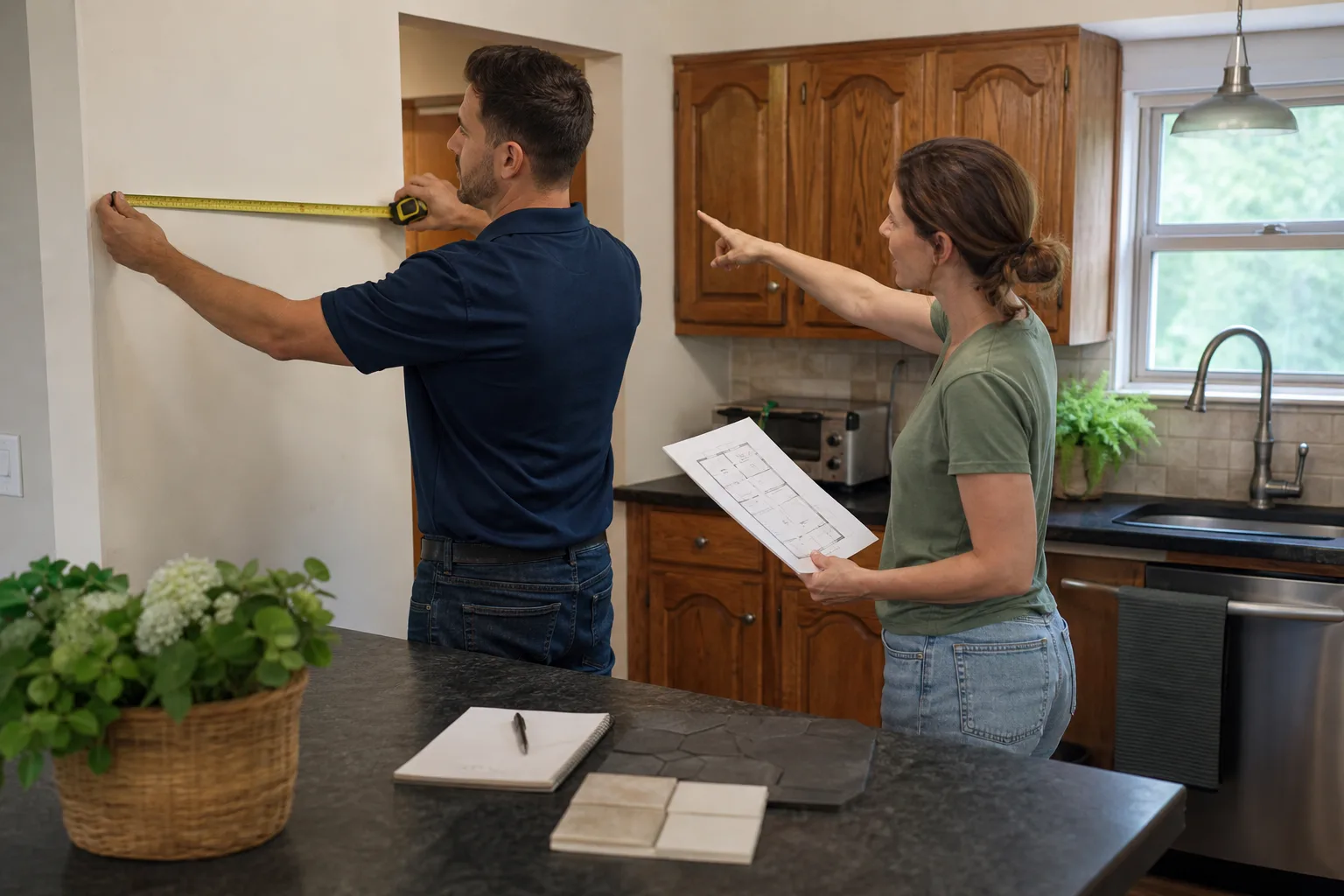
Free written scope consultation - allowances, timeline, and change-order rules on paper before a single trade is scheduled
General Contractor Troubleshooting: Common Problems and How to Fix Them
A contractor swapping your specified 3/4-inch plywood subfloor for 1/2-inch OSB saves himself roughly $400 on a typical kitchen and costs you a floor that flexes under tile within two years. That single swap explains most of what homeowners call “contractor problems.” The failure almost never starts in the framing or the tile work. It starts in the paperwork, then shows up months later in the finished room. This guide shows you how to tell a scope dispute from a workmanship defect from a materials substitution, because the fix and your leverage are different for each one. We’ve walked Mission Viejo kitchens and baths where the contract, not the carpentry, was the real problem.
Quick Answer
Most general contractor problems fall into three buckets: scope disputes (what was agreed to), workmanship defects (how it was executed), and materials substitution (what was actually installed). Identify which bucket you’re in first. A workmanship defect is covered by your written guarantee and the contractor’s obligation to correct it. A scope dispute needs your contract and change orders. A substitution needs your original bid and spec sheets. Match the problem to the right bucket before you pick up the phone, and you’ll get a resolution instead of a runaround.
Styles & brands we work with
- Kitchen remodeling
- Bathroom remodeling
- Home additions & ADU
- Roofing
- Windows & doors
- Driveway & pavers
- Fence
Table of Contents
- Scope Dispute vs. Workmanship Defect: How to Tell Them Apart
- The Paper Trail That Actually Matters
- How to Spot Materials Substitution On-Site
- What California’s CSLB Complaint Process Covers (and Doesn’t)
- Written Guarantee vs. Demand Letter: When to Use Each
- How to Reconstruct Your Records If You Don’t Have Them
- Common Mistakes to Avoid
- When to Call a Professional
Scope Dispute vs. Workmanship Defect: How to Tell Them Apart
This is the first question to answer, and most homeowners skip it. A scope dispute is an argument about what was included. A workmanship defect is an argument about how something was built. They feel similar when you’re standing in a half-finished room, but they resolve in completely different ways.
Scope disputes happen when the contract was vague or a change was made verbally. Maybe the bid said “tile backsplash” and you assumed it included the full wall. Maybe the electrician added three outlets you asked for by text, and now there’s a line item you didn’t expect. The fix lives in your contract, your change orders, and any written confirmations.
Workmanship defects happen when the scope was clear but the execution failed. Grout cracking within weeks, a door that doesn’t close square, a shower pan that pools water toward the wall instead of the drain. These are covered by the contractor’s guarantee and, in most cases, the contractor’s obligation to make it right.
Here’s a quick test to sort them:
- Was this in the signed contract or a change order? If no, it’s likely a scope dispute.
- Was the item built to the manufacturer’s spec? If no, it’s a workmanship or materials issue.
- Did it fail after installation finished? That points to workmanship, and probably triggers your written guarantee.
- Does the physical item match the brand and model on the bid? If no, it’s substitution.
In Mission Viejo, we see scope disputes most often around patio covers and exterior trim, where the homeowner and contractor had different pictures of what “match the existing finish” meant. We see workmanship defects most around shower waterproofing, which fails about two to three years after a cut-corner install. Getting the bucket right on day one saves weeks of arguing later. If you’re early enough in the process that no work has started, our General Contractor in Mission Viejo page walks through how a written scope prevents this whole category of problem.
The Paper Trail That Actually Matters
When a problem surfaces, the documents you have decide how the conversation goes. Most homeowners keep the contract and the final invoice, then discover in the middle of a dispute that those two pages don’t cover the actual question. The paper trail that matters is broader.
Keep these, and keep them in one folder (paper and digital both):
- The signed contract and every change order. Change orders are the single most-litigated document in residential remodeling. If a change was made and not written down, it effectively didn’t happen.
- The original bid with line-item pricing. This is your baseline for spotting substitutions and scope creep.
- Text and email confirmations. A text saying “yes, go ahead and add the outlet” is a change order. A contractor’s text confirming “we’ll use the KraftMaid cabinets you picked” is your spec record.
- RFIs (requests for information). If your contractor sent formal questions during the job (“do you want the backsplash to run to the ceiling or stop at the cabinet?”), the answers belong in writing and belong in your folder.
- Inspection sign-offs and permit cards. A passed inspection is a documented fact, not a verbal promise. Keep the signed card or the printed record.
- Photos with dates. Progress photos, especially of anything that gets covered up (waterproofing, framing, rough-in), are worth more than any argument later.
We build every Mission Viejo project around this assumption: if a homeowner ever needs to make a claim, the file should already answer the question. That’s what Bradford Remodeling Co Mission Viejo home is built on, and it’s why our written price comes before any work starts. A written price is the document that eliminates the most common dispute before it starts: the surprise invoice. Live-person phone coverage matters here too, because the fastest way to close a question is to get a real answer inside the same day.
How to Spot Materials Substitution On-Site
Substitution is the quietest problem in remodeling. It rarely looks wrong on install day. It shows up two, three, five years later when the cheaper product fails. The countertop that chips, the door that warps, the deck boards that fade unevenly.
Contractors sub for a few reasons. Supply chain, honest mistake, or margin. A contractor swapping a specified product for a cheaper one on a large kitchen can easily pocket $300 to $600 depending on the material category. The homeowner rarely notices because the substitute can look nearly identical at a glance.
Here’s how to catch it before the material is installed:
- Keep the original bid document with brand names and model numbers. If it says KraftMaid and Kohler, it should arrive as KraftMaid and Kohler.
- Ask for the manufacturer spec sheet and warranty document before delivery. Legitimate substitutions come with a written request and a signed approval. If it appears without either, ask why. A brand on our own documented roster, like GAF for roofing or Therma-Tru for doors, has a paper trail the manufacturer can verify.
- Check the packaging and labels on delivery day. Brand names are printed on the boxes, the panels, and the hardware. Photograph the labels before the crew opens the boxes.
- Look for the words “or equal” in the contract. That clause gives the contractor room to substitute. If your contract has it, ask for the substitution procedure in writing. If it doesn’t, a substitution is a change and requires your consent.
- Compare installed product against the spec at walkthrough. A quick phone photo of the model number label against the bid line item is all it takes.
Mission Viejo homes on hillside lots take heavier sun on the south and west faces, so cheap exterior materials fail faster here than they would in a shadier climate. We’ve watched a builder-grade composite settle and chalk inside two summers on a west-facing wall in Mission Viejo. That’s why our material roster is documented rather than flexible: KraftMaid, Wellborn, Cambria, Caesarstone, Kohler, Moen, GAF, James Hardie, Therma-Tru, Belgard. When you can name what’s going in, you can verify what showed up.
What California’s CSLB Complaint Process Covers (and Doesn’t)
The Contractors State License Board is the state agency that licenses and regulates contractors in California. It handles a real range of complaints, and it’s the right tool for some problems. It’s the wrong tool for others. Knowing the difference saves you months.
What the CSLB can address:
- Unlicensed contracting. This is the agency’s strongest enforcement area.
- Abandonment (contractor walked off the job without cause).
- Failure to complete a project or build to code.
- Fraudulent or deceptive practices, like taking a large deposit and disappearing.
- License law violations, including some contract-writing violations.
What the CSLB generally does not handle:
- Quality-of-workmanship disputes that don’t involve a code or license violation.
- Price or scope disagreements, which are contract matters.
- Small aesthetic issues or cosmetic preferences.
- Getting you paid back quickly. The agency investigates, and the process moves on its own timeline, which in our experience often runs several months from complaint to resolution.
Realistic expectation: a CSLB complaint is a serious escalation, not a quick fix. It’s the right move when the contractor is unlicensed or has abandoned the job. It’s the wrong move for a wavy tile line, which is a workmanship issue best resolved first with the contractor under the written guarantee. For Mission Viejo homeowners, code issues often circle back to current Title 24 energy requirements, which apply to any altered assembly in kitchen and bath work. That’s a real compliance area the CSLB will look at, and it’s worth knowing whether your project touched it. Our Kitchen Remodeling in Mission Viejo page covers how permits and code interact on a typical kitchen.
Written Guarantee vs. Demand Letter: When to Use Each
A written guarantee and a demand letter are different tools for different moments. The guarantee is your fast, no-friction path when the problem is a workmanship defect inside the coverage window. The demand letter is your escalation when the contractor isn’t responding or the issue is outside the guarantee’s scope.
Invoke the written guarantee when:
- The problem is a workmanship defect, not a scope dispute.
- It appeared within the guarantee period (for us, the 365-Day Done Right Promise covers every completed project for a full year).
- The contractor is reachable and hasn’t refused to correct it.
The guarantee path should take one phone call. The right response from a contractor is to schedule a return visit to inspect and correct it, at no charge. Not a debate about whether it’s covered. If a guarantee requires a fight, it wasn’t a real guarantee.
Send a demand letter when:
- The guarantee window has closed or doesn’t apply.
- The contractor has stopped communicating after a reasonable period (we’d say ten business days).
- The problem is a substantial scope or financial issue.
A demand letter is not a legal threat. It’s documentation. Keep it under a page, and include these five elements: a factual timeline of events, the specific corrective action you want, the monetary figure if any, a firm response deadline (fourteen days is standard), and a statement that further action may follow if the request isn’t met. Send it certified mail with return receipt. Contractors respond to documented letters because the letter becomes evidence if the dispute escalates. Pair it with the file you already built: contract, change orders, photos, and the guarantee document.
How to Reconstruct Your Records If You Don’t Have Them
If the job is already underway and your folder is thin, you can rebuild most of what you need. It takes three or four hours and a few phone calls, and it turns a “he said, she said” into a documented position.
- Pull bank and credit card records. Payments, deposits, and material store charges tell you the actual timeline.
- Search your phone and email for the contractor’s name. Texts, call logs, photos with timestamps, and any email thread are all recoverable. Screenshot them with the dates visible and save them to a single folder.
- Request the permit record from the city. The Mission Viejo building department can provide the permit history for your address, including who pulled the permit and inspection status.
- Contact the original sales rep or project manager directly, in writing. Ask for a copy of the contract, change orders, and the spec sheet or bid. Even if they’re slow, the request itself becomes part of your record.
- Photograph the current condition with a date stamp. Every problem area, plus a wide shot of each room. If a defect is progressing, take a fresh set every two weeks.
- Collect any delivery paperwork or packaging labels. Boxes left on site, model numbers on installed fixtures, and material receipts are strong evidence of what was actually installed.
In our experience, most homeowners are missing two things: the change orders and the original bid with model numbers. Those are the two documents that resolve the largest share of disputes in Mission Viejo, where hillside homes often have added scope (slope work, drainage, retaining) that never made it into a written change order.
Common Mistakes to Avoid
- Accepting a square verbal price. “It’ll be about $8,000” is not a price, it’s a guess with a smile. A written price before work starts is the only number that holds.
- Signing a contract with an “or equal” clause and no substitution procedure. That single clause is where most substitution disputes begin. If it’s in the contract, ask for the written approval process up front.
- Letting change orders go verbal. Every change, even a $150 one, gets a written line item and a signature. In Mission Viejo, an unwritten addition is a dispute waiting on the calendar.
- Paying the final invoice before the walkthrough. The final payment is your leverage. Hold it until the punch list is closed and the written guarantee is in your hand.
- Treating cosmetic complaints like code violations. Calling the CSLB over a wavy grout line burns months and gets nowhere. Match the complaint to the right channel.
- Skipping photos of covered work. Once drywall goes up over the shower pan waterproofing or the rough-in, you have no proof of what was actually built. Photograph before it’s covered.
- Ignoring the permit question. Unpermitted work is a title problem when you sell and a code problem when you remodel later. Ask for the permit number in writing at contract signing.
When to Call a Professional
Call a professional when the problem is a workmanship defect the original contractor won’t correct, when the scope of a fix exceeds what you can safely assess, or when the issue involves anything structural, electrical, plumbing rough-in, or outside weather barriers. Those aren’t cosmetic. A shower pan that leaks into framing, a tile floor that flexes underfoot, or a door that no longer closes square after settling all point to a bigger problem than the surface shows.
Call us when you’re past the troubleshooting stage and ready for a written path forward. Bradford Remodeling Co Mission Viejo offers free estimates in Mission Viejo. We put every price in writing before any work begins, and every completed project gets the 365-Day Done Right Promise, a full-year written guarantee with a no-charge return visit if the work fails inside the window. Our technicians have up to 22 years of experience, and our crews are background-checked and uniformed. A live person answers the phone. Call (833) 734-2429 to schedule your free estimate.
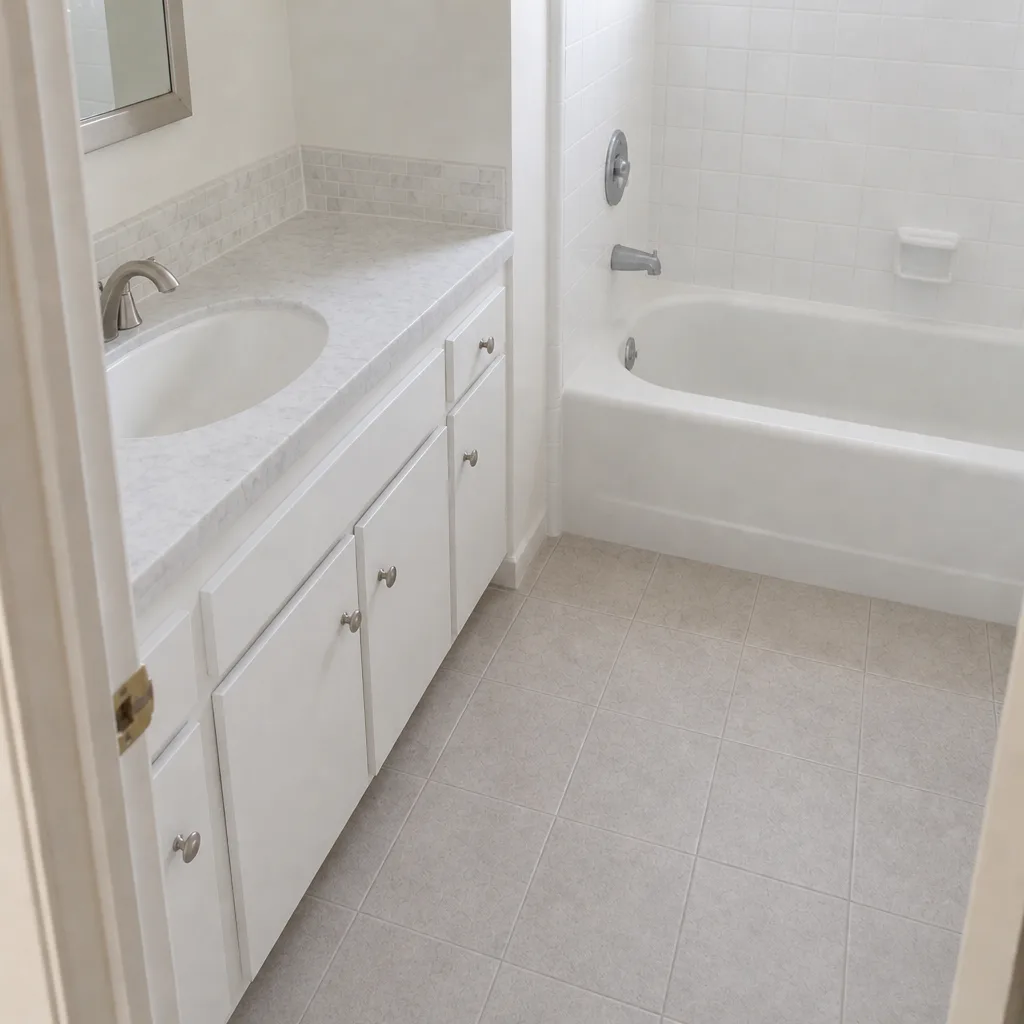
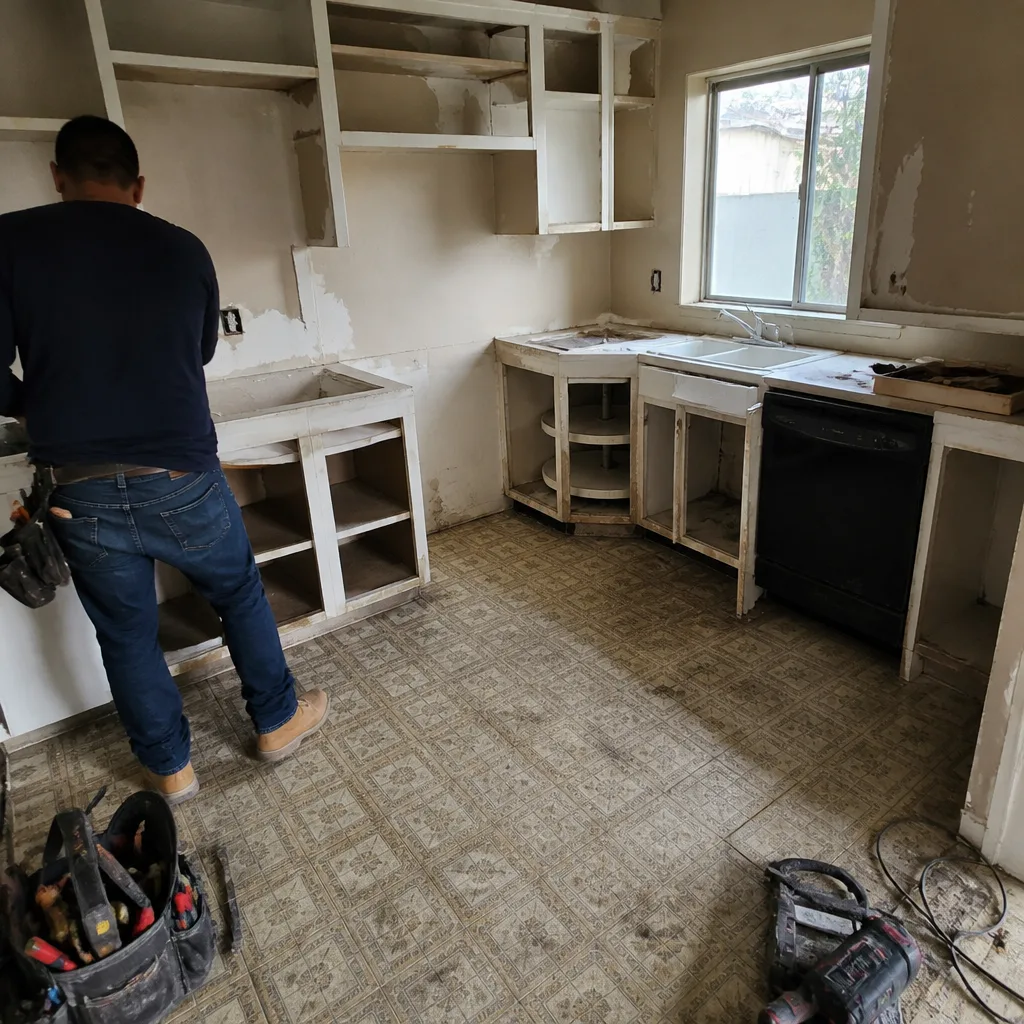
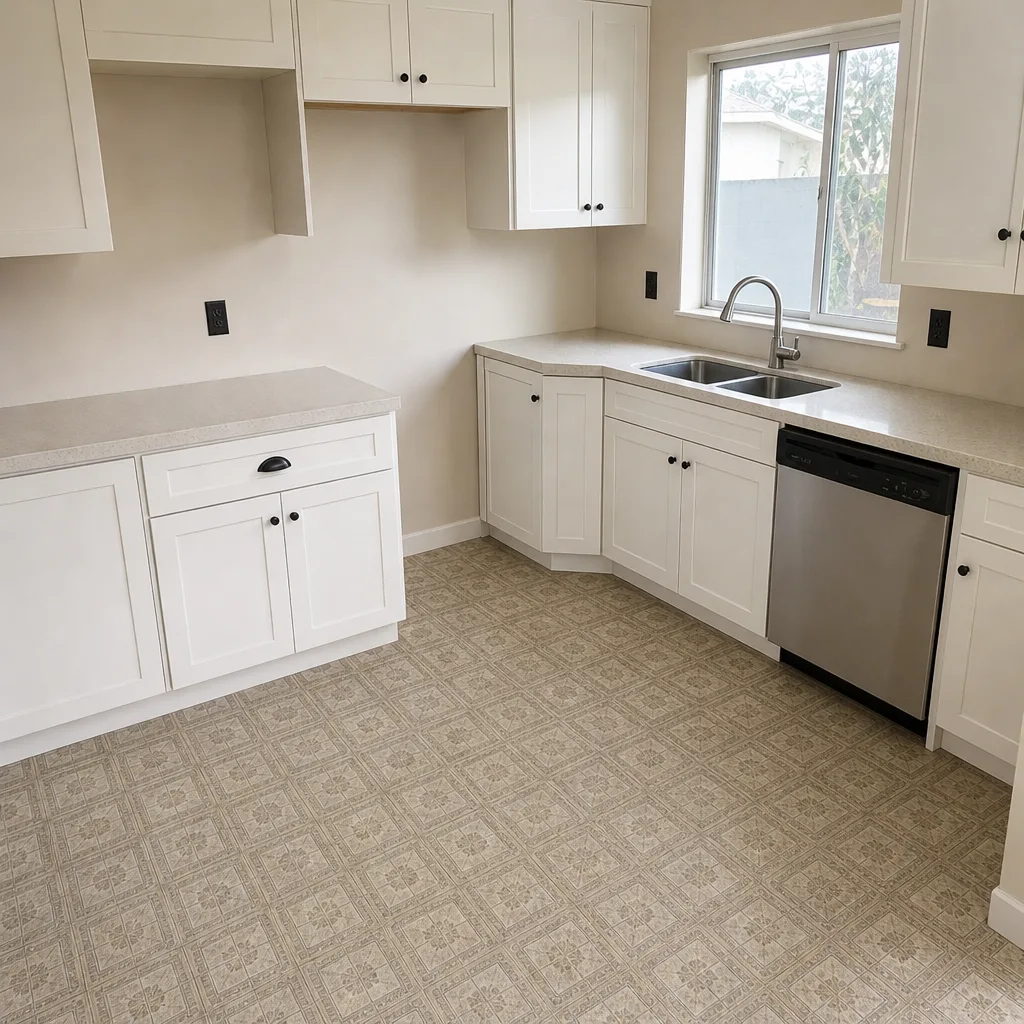
See the difference
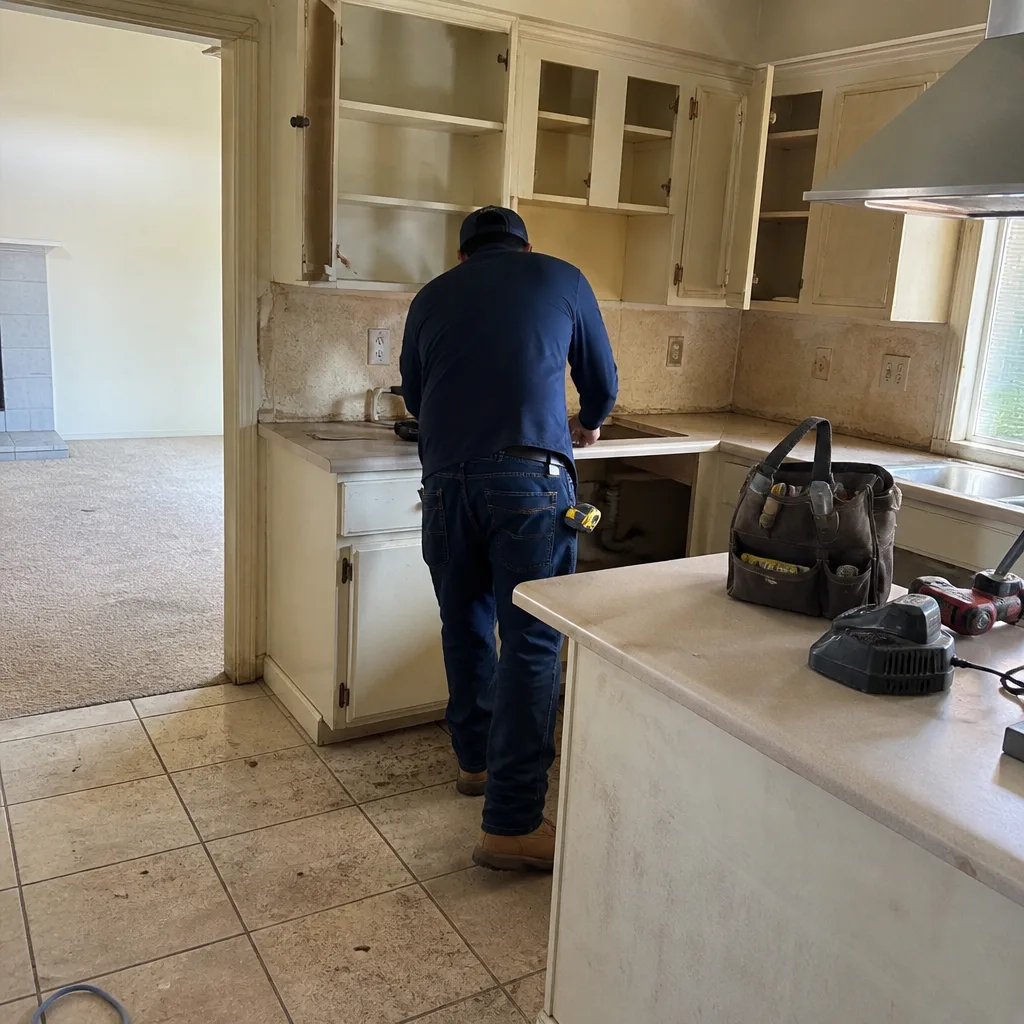 Before
 After
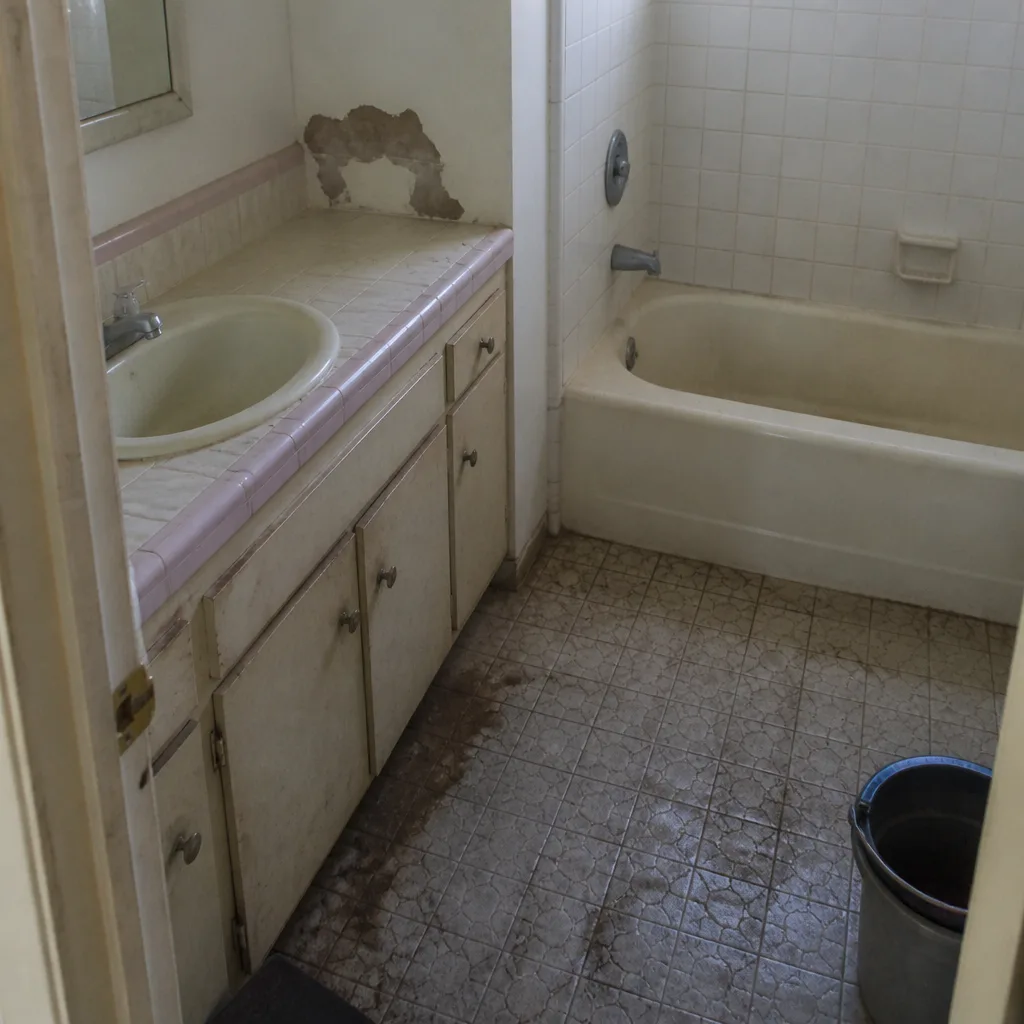 Before
 After
 Before
 After
Frequently Asked Questions

A scope dispute is a disagreement about what was included in the contract. A workmanship defect is a failure in how something was built. The first is resolved by your contract and change orders. The second is covered by the contractor’s written guarantee and requires the contractor to correct it, usually at no charge.
In our experience, a CSLB complaint typically runs several months from filing to resolution, and often longer if investigation is needed. It is not a fast remedy. It’s the right tool for unlicensed work, abandonment, or code violations. It’s a poor fit for cosmetic or scope issues, which resolve faster through the guarantee or a demand letter.
Compare the installed product’s brand and model number against the original bid document. Check the packaging labels on delivery day and photograph them. If the brand doesn’t match what was specified, ask for the written substitution approval. If there isn’t one, the substitution wasn’t authorized.
A demand letter documents your position and gives the contractor a clear deadline to respond. It doesn’t start a lawsuit, but it creates a written record that matters if the dispute escalates. Most contractors respond within the fourteen-day window. Keep the letter to one page and send it certified mail.
Most kitchen and bath remodels in Mission Viejo require permits, especially when plumbing, electrical, or structural work is involved. Permit requirements also apply to any altered wall or window assembly under current Title 24 energy rules. The permit record is public, so confirm what was pulled and what was inspected at contract signing. Our Bathroom Remodeling in Mission Viejo page covers the typical permit scope on a bath remodel.
Every completed Bradford project carries a full-year written guarantee. If the work fails within the 365-day window, we return and correct it at no charge. The guarantee covers workmanship defects. It does not cover damage from misuse, neglect, or acts of nature. The terms are written into your project documents before work begins.
The Bottom Line
Most “contractor problems” don’t start on the job site. They start in the contract, the change order that never got written, and the substitution nobody documented. Identify your problem as a scope dispute, a workmanship defect, or a materials substitution before you pick up the phone, and you’ll use the right remedy instead of the slowest one. Keep the file: contract, change orders, spec sheets, photos, inspection cards. That’s the difference between a strong position and a hard argument. In Mission Viejo, the homeowners who get problems fixed fastest are the ones who kept the paper trail from day one. If you’re past troubleshooting and ready for a written estimate, call Bradford Remodeling Co Mission Viejo at (833) 734-2429. Every price is written before any work starts, and every completed project is backed by the 365-Day Done Right Promise.
Written by the team at Bradford Remodeling Co Mission Viejo.