Last updated November 17, 2026







Free written scope consultation - allowances, timeline, and change-order rules on paper before a single trade is scheduled
Choosing the Right Construction Brand: A Buyer’s Guide for Mission Viejo
Here’s the counterintuitive part: the warranty on a building product package covers the material, not the install. It protects you against a manufacturing defect you are unlikely to ever see. It does not protect you against the more common failure, which is a product installed wrong for your home’s conditions. That gap is where a lot of Mission Viejo homeowners lose money on remodels. Brand selection without installer accountability solves the wrong problem. This guide shows you how to read what a warranty actually covers, where to find independent performance data instead of marketing claims, how Mission Viejo’s UV and thermal swings affect exterior materials, how to check HOA-approved product lists before you buy, and how to put the installer on record for performance, not just the manufacturer.
Quick Answer
Choosing the right construction brand in Mission Viejo comes down to verifying two things: whether the product’s performance is backed by independent testing data, not just a manufacturer’s claim, and whether the installer is contractually accountable if the product fails after installation. The manufacturer’s warranty usually covers material defects only. Nearly all real-world product failures trace back to installation, so the installer’s written guarantee matters more than the brand name stamped on the box.
Styles & brands we work with
- Kitchen remodeling
- Bathroom remodeling
- Home additions & ADU
- Roofing
- Windows & doors
- Driveway & pavers
- Fence
Table of Contents
- How to Read a Product Warranty for What It Actually Covers
- Manufacturer Claims vs. Independent Performance Ratings
- Mission Viejo’s Climate and Thermal Cycling: What Exterior Materials Face
- HOA-Approved Product Lists in Mission Viejo
- Installer Accountability: The Missing Variable
- How to Structure a Contract So the Installer Is on Record
- Reading Brand Rosters: What a Real Material List Looks Like
- Common Mistakes to Avoid
How to Read a Product Warranty for What It Actually Covers
Most homeowners skim the colorful first page and never reach the exclusions. That’s where the warranty stops protecting you. A manufacturer warranty typically promises to replace defective material only, not the labor to remove and reinstall it, and not any damage the failure caused.
Open any roofing shingle, window, or siding warranty and look for these standard exclusions. They appear in some form on nearly every package:
- Labor excluded. The maker replaces the product; you pay the crew to pull it off and put the new one up.
- Improper installation voids coverage. This is the big one. If the material fails because it was installed wrong, the manufacturer points to the installer.
- Consequential damage excluded. Water intrusion that ruined your drywall, cabinets, or subfloor usually isn’t covered.
- Transfer restrictions. Coverage often shrinks or ends when the home sells, or requires you to register the product within a set window.
- Prorated coverage. Many warranties cover the full amount for a short period, then a declining percentage each year.
Read those clauses and you’ll notice the guarantee is far narrower than the marketing suggests. The warranty protects the material against the factory. It leaves the actual install, and everything that goes wrong with it, on the installer’s shoulders. That’s exactly why we treat the written guarantee on workmanship as the document that matters most, and why our Bradford Remodeling Co Mission Viejo home approach pairs every brand with that written backstop. When a homeowner in Mission Viejo asks what happens if a product fails, the honest answer starts with who installed it, not who made it.
Manufacturer Claims vs. Independent Performance Ratings
A manufacturer’s spec sheet is a marketing document. It’s selected and framed to sell. The independent numbers are the ones you want. When a homeowner asks us which construction materials brands are the “best” for Mission Viejo, we point them to the test data rather than the brochure.
Independent ratings come from testing bodies that have no stake in the sale. For roofing, windows, and siding, look for these:
- ASTM standards. The American Society for Testing and Materials publishes the test methods behind most product ratings, e.g., wind uplift, water resistance, impact, and weathering.
- ICC Evaluation Service reports. The ICC-ES publishes evaluation reports that show whether a product meets building-code requirements, independent of the maker’s marketing.
- Wind and impact ratings. For windows and doors, look at the labeled design pressure (DP) and impact ratings, not the “hurricane-rated” sticker language.
- Weathering and colorfastness data. For siding and exterior coatings, third-party UV and thermal-cycling results matter more than “fade-resistant” claims.
- Energy ratings. Windows list U-factor and Solar Heat Gain Coefficient from certified testing, not from a sales presentation.
The method is simple. Take the product name, find its ASTM or ICC-ES reference, and read what the test actually measured. If the maker can’t point you to independent data, treat the claim as unverified. That standard applies whether you’re comparing Kohler fixtures for a bathroom or GAF products for a roof. Our General Contractor in Mission Viejo team walks through this same data with homeowners, because a traceable spec is what makes a brand choice defensible.
Mission Viejo’s Climate and Thermal Cycling: What Exterior Materials Face
The material that performs in Portland may not perform in Mission Viejo. Coastal-adjacent Southern California summers push exterior surfaces into high UV exposure, and the daily swing between sun and the cooler marine air of the evening drives repeated expansion and contraction. That cycle, over years, is what fails exterior products.
This is the physical reality behind what we see locally. Roofing membranes, siding joints, and window seals all take a repeated warm-cool rhythm. Materials with weak thermal-cycling data show it here as cracked caulk lines, warped siding seams, or shingles that loosen at the edges. UV exposure breaks down coatings and warps lower-grade plastics far faster than the inland desert or coastal fog zones would suggest. Mission Viejo sits in a middle band where you get strong sun and cool nights, so exterior products get worked hard.
When we specify exterior work in Mission Viejo, the climate pushes the selection in a few directions:
- Favor exterior products with documented UV and thermal-cycling results, not just a warranty on the material.
- For siding, consider James Hardie fiber-cement, whose manufacturer specs and warranties address this climate directly.
- For roofing, look at products whose independent weathering data covers the Southern California sun, not a generic national claim.
- For windows and doors, Therma-Tru and similar brands with labeled ratings are easier to hold to performance than unbranded units.
Mission Viejo homes face this swing every season, so the practical question is whether the product’s test data covers the conditions it will actually live in. Our Bathroom Remodeling in Mission Viejo and exterior work both depend on answering that for each material, and we push each product to state its performance, not its slogan.
HOA-Approved Product Lists in Mission Viejo
Mission Viejo has a large share of planned communities, and many carry HOA architectural review requirements. A product can be the best-performing material on the market and still be unapproved for your home. If you specify it and it isn’t on the list, the project stalls or gets torn out.
Here’s how to verify pre-approval status before you buy anything:
- Request the current approved-materials list from your HOA. Ask whether it’s current and dated, since lists change.
- Confirm the exact brand, model, and color, not just the material category. “Gray fiber-cement siding” isn’t approval; the specific product and finish is.
- Get the approval in writing before signing a contract. A verbal “that should be fine” won’t survive an architectural committee review.
- Check whether a non-approved product can be submitted for individual review. Some HOAs allow a variance with a submission fee and a design-review timeline.
- Build the approval time into your schedule. Architectural review cycles can add weeks, and your contractor needs to know that before the schedule is set.
What happens when the product is specified but not on the list? The work stops. Either the material gets swapped for an approved equivalent (sometimes at a higher price) or the homeowner waits out a variance review. In Mission Viejo, where HOAs are common, that headache is avoidable if the list check comes first. Our Kitchen Remodeling in Mission Viejo process treats HOA approval as a gating step, not an afterthought, so nothing gets ordered before it’s cleared.
Installer Accountability: The Missing Variable
Nearly all residential product failures originate at installation. A premium window leaks when the flashing is wrong. A good shingle fails when the ventilation isn’t right. The brand is rarely the culprit; the install is. That’s the variable most product-shopping guides leave out entirely.
Installer accountability means the person who put in the product is the one answerable for whether it performs. You establish that in two places: the contract and the written guarantee. The goal is to make sure the installer, not just the manufacturer, is on record.
What genuine installer accountability looks like in practice:
- A written guarantee on the work itself. We back every completed project with the 365-Day Done Right Promise: if the work fails inside that window, we come back and correct it at no charge.
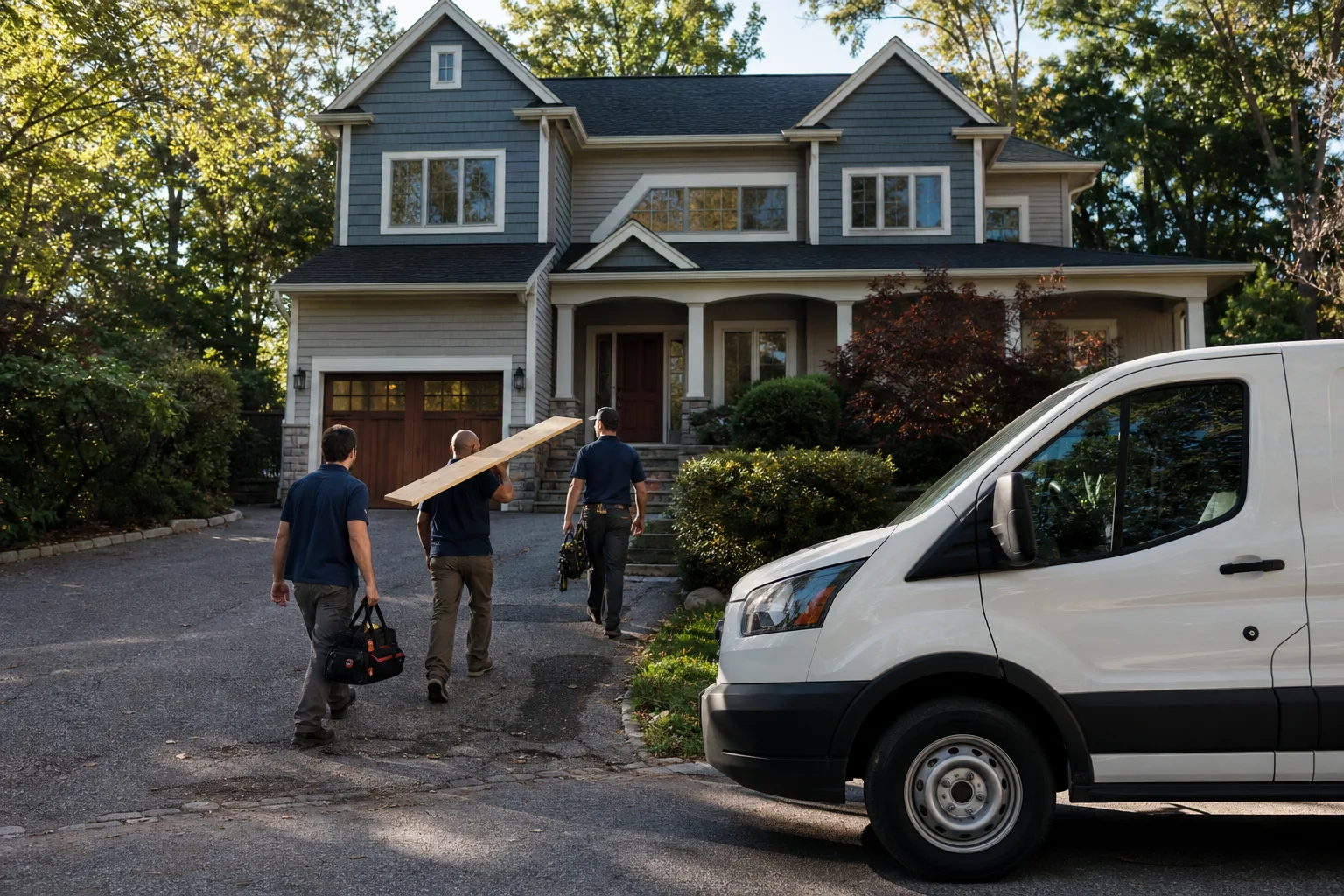
- Background-checked, uniformed technicians. You know who is walking through your door before the crew arrives. Identity and conduct standards are set at the Garrison Partners level, not left to individual job sites.
- Fixed written pricing. The price is set before work begins, so nobody is repricing at your door after the job is half done.
- A live person on the phone. We answer 24/7 with a real person, so an install problem reaches a human, not a voicemail queue.
That combination is what The Garrison Standard puts in writing: price and guarantee before the first tool comes out. It’s the piece a brand brochure can’t give you, and it’s the one worth asking about directly.
How to Structure a Contract So the Installer Is on Record
The contract is where installer accountability either exists or disappears. Most renovation contracts name the brand and the scope, then leave performance vague. Structure it so that can’t happen.
- Name the exact product, not the category. “Kohler faucet, model X” instead of “premium faucet.” Traceability starts at the model level.
- Write the workmanship guarantee into the contract. State how long it lasts and what it covers. Ours is a full year on every completed project.
- Specify who performs the work. Naming the crew and confirming background-checked, uniformed technicians keeps the installer accountable by name and record.
- Set the price and the change-order rule. Fixed written price, with any change documented in writing before work proceeds.
- Address permits and inspections. The contract should say who pulls the permit and who is responsible for passing inspection.
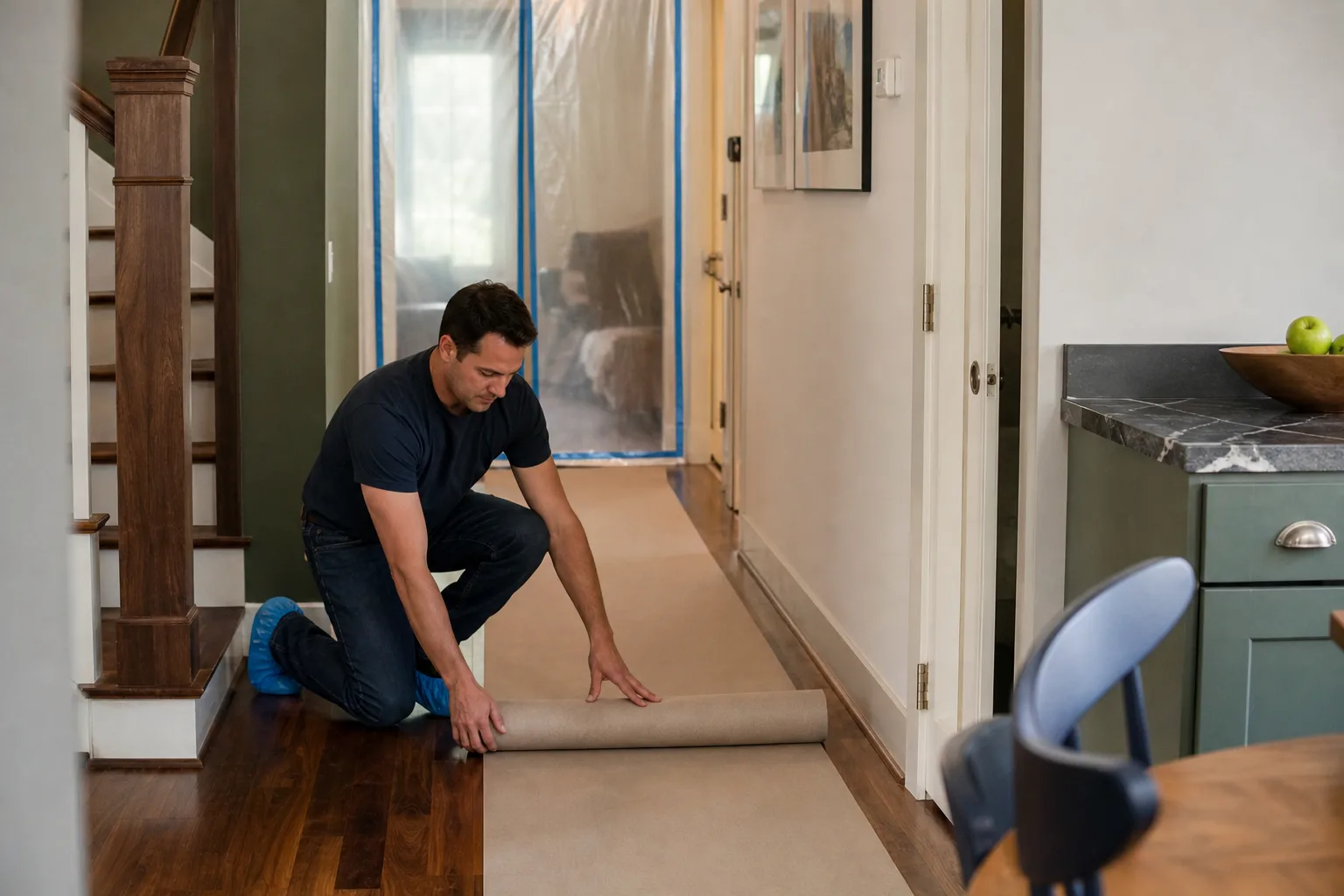
- Define job close. Documented scope, clean site, and a signed written guarantee in your hand at the end.
Do this and the brand becomes one line in a document that actually protects you. Skip it and you’re relying on a product warranty that excludes labor and blames the installer for the failure. The better path is what The Garrison Code calls “squared away”: clean site, documented scope, guarantee signed. That’s the close to aim for on any Mission Viejo project.
Reading Brand Rosters: What a Real Material List Looks Like
A brand roster is only useful if the names trace to manufacturer specs and warranties. A list of logos tells you nothing. A documented roster tells you what’s under the finish and what backs it up.
When we specify a project in Mission Viejo, the material list is documented by brand so specifications are traceable. That means KraftMaid and Wellborn cabinetry, Cambria and Caesarstone surfaces, Kohler and Moen fixtures, GAF and James Hardie exterior products, Therma-Tru doors, and Belgard hardscaping. Each one carries manufacturer specs and warranties that reinforce our own written guarantee rather than replace it. Delta and Blanco come up often in kitchens, and the reason is the same: named products with specs you can read.
The question to ask any contractor is not “which brands do you use?” but “can I see the spec and the warranty for the exact product going into my home?” If the answer is a brochure, keep pressing. Our technicians have up to 22 years of experience, and that includes reading the fine print on the products we install. The roster is the starting point; the accountability is what makes it worth anything.
Common Mistakes to Avoid
- Buying on the brand name alone. Two homes can get the same shingle and one fails in five years while the other lasts twenty, because the install differed. Product choice can’t carry the job without installer accountability.
- Skipping the warranty exclusions. Most homeowners read page one and stop. The exclusions on page two void the coverage for labor and improper installation, which is where nearly all failures happen.
- Not checking the HOA list first. In Mission Viejo’s planned communities, specifying a product that isn’t pre-approved can stall a project for weeks or force a swap after it’s ordered.
- Accepting a verbal price. A price that isn’t written down is a price that can move at the door. Insist on the written figure before any work starts.
- Ignoring the climate the material will live in. A product tested for a mild inland climate may not handle Mission Viejo’s UV and thermal cycling. Match the test data to the actual conditions.
- Assuming the manufacturer stands behind the install. They back the material, not the labor. The guarantee that protects your install comes from the contractor, in writing.
- Letting the site close without the guarantee in hand. A clean job without a signed written guarantee leaves you holding nothing if a problem surfaces later.
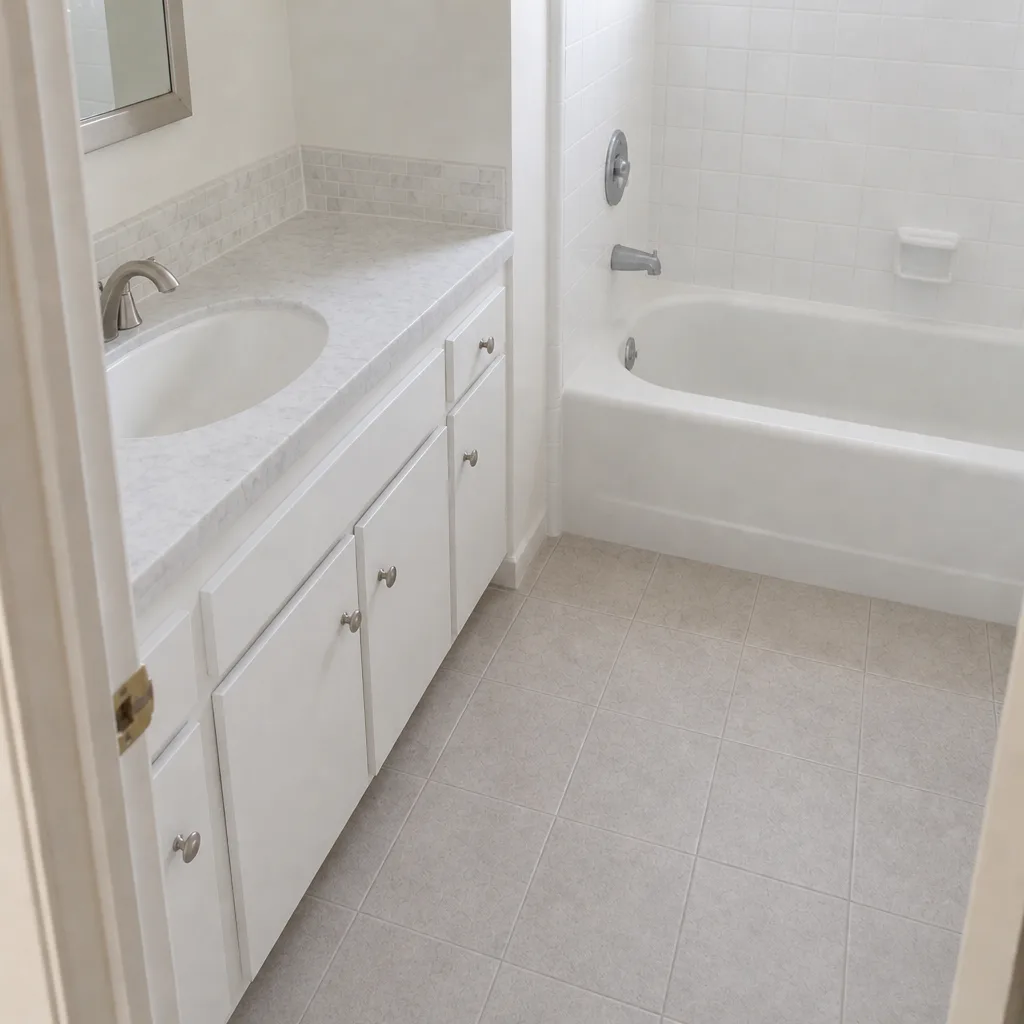
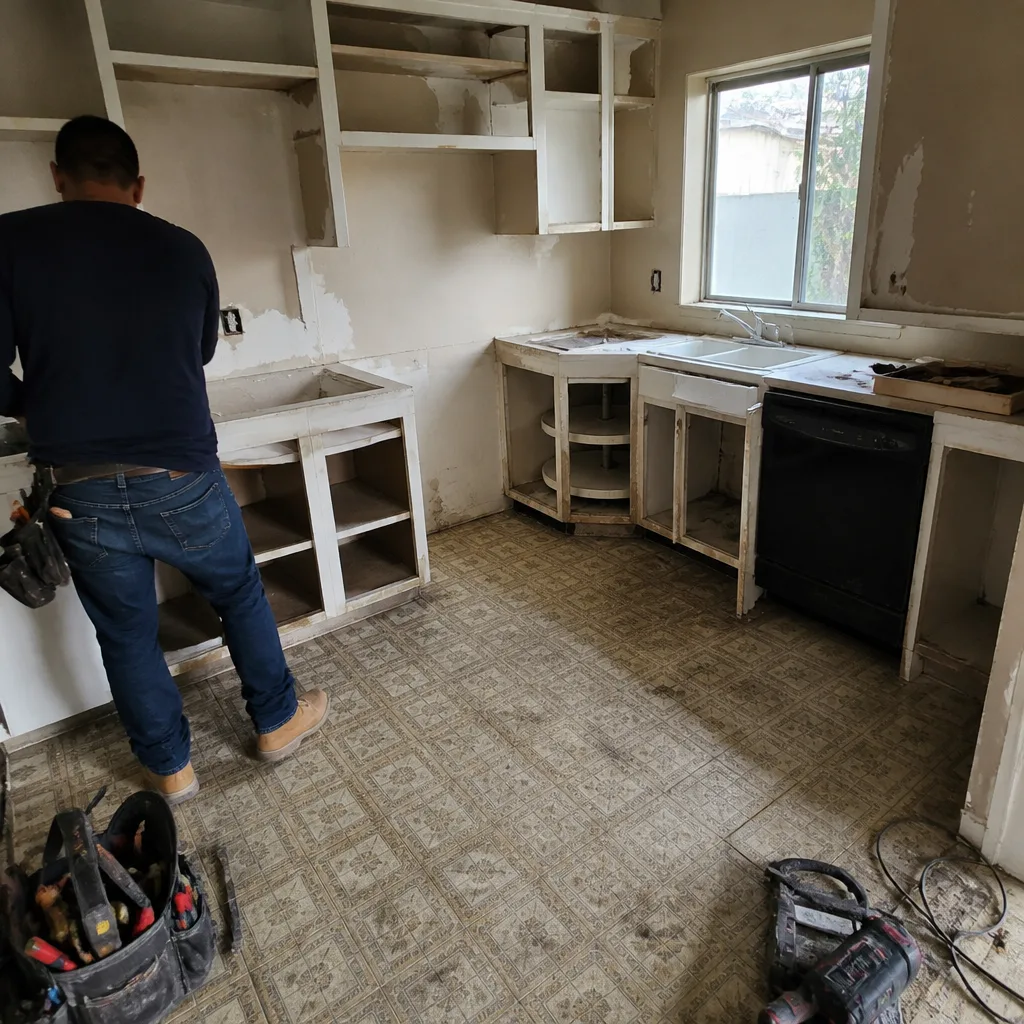
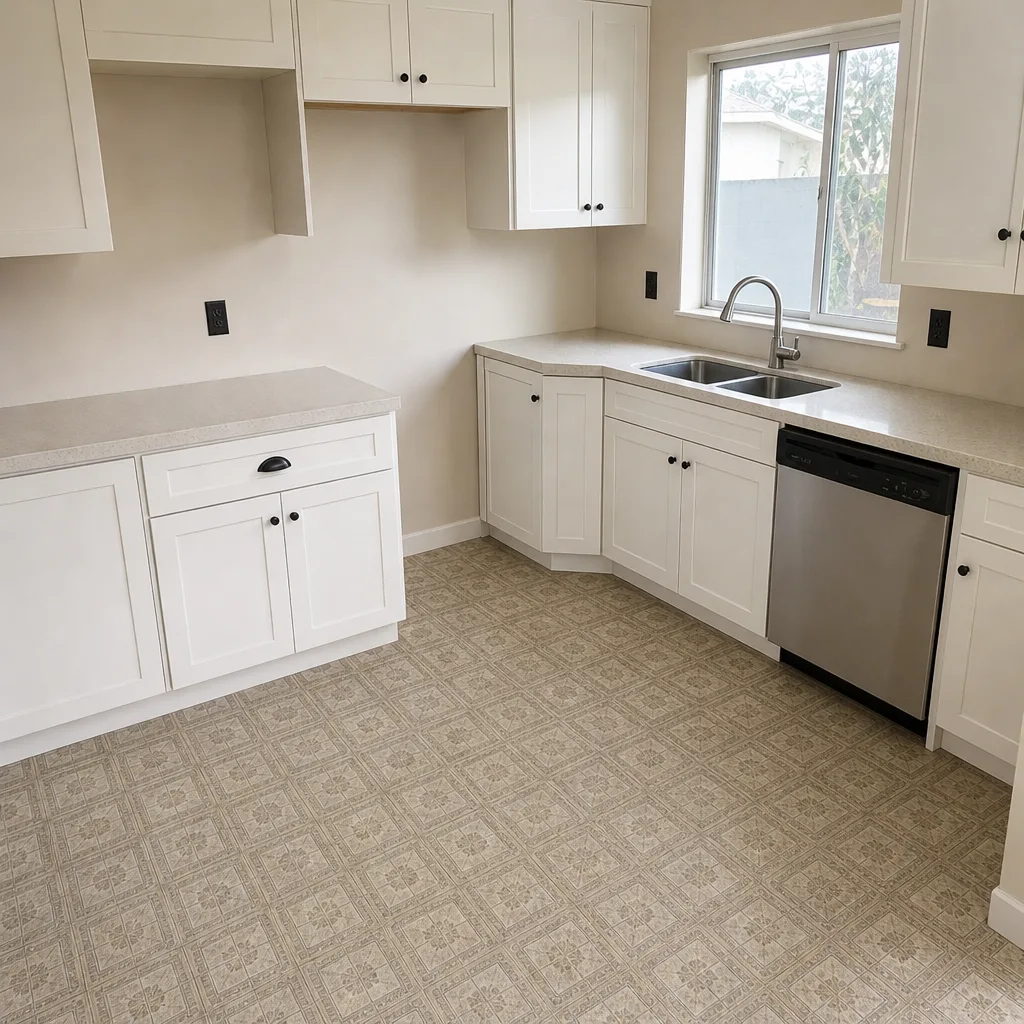
See the difference
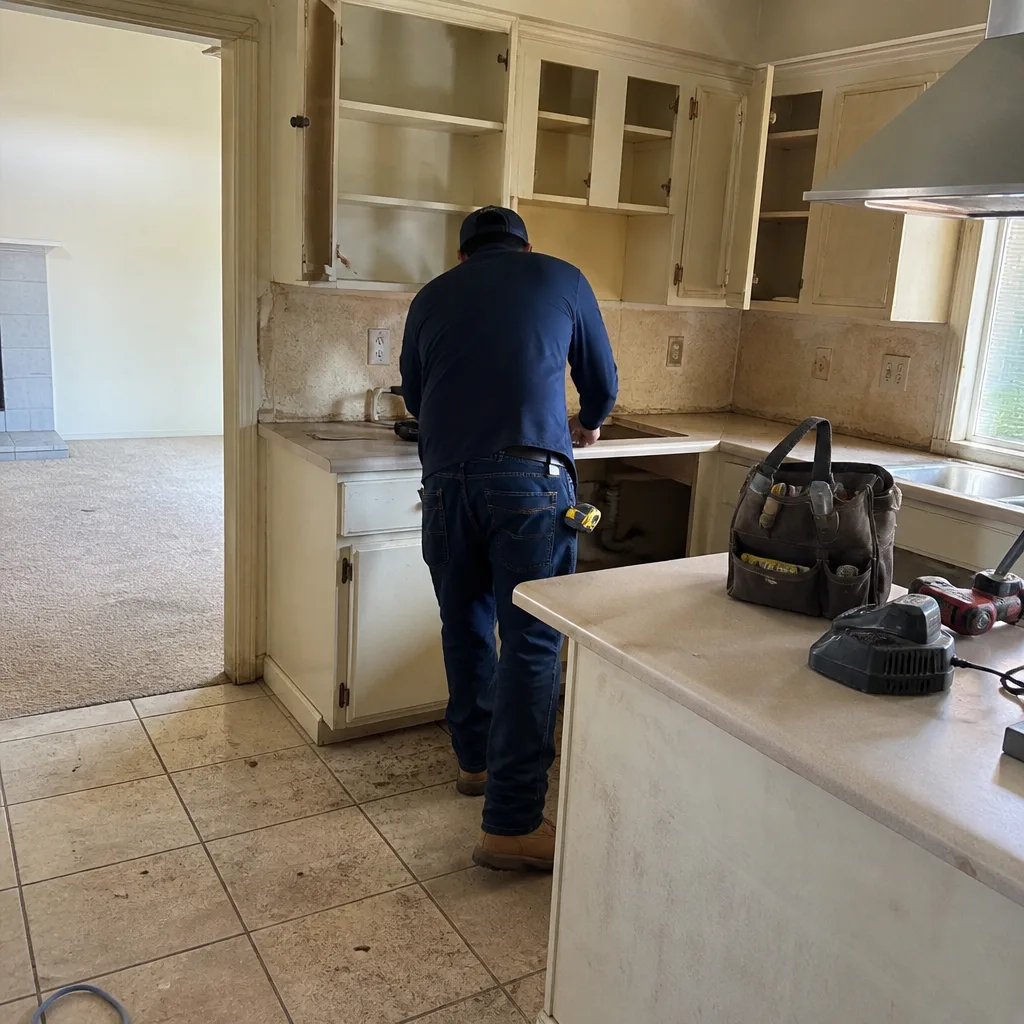 Before
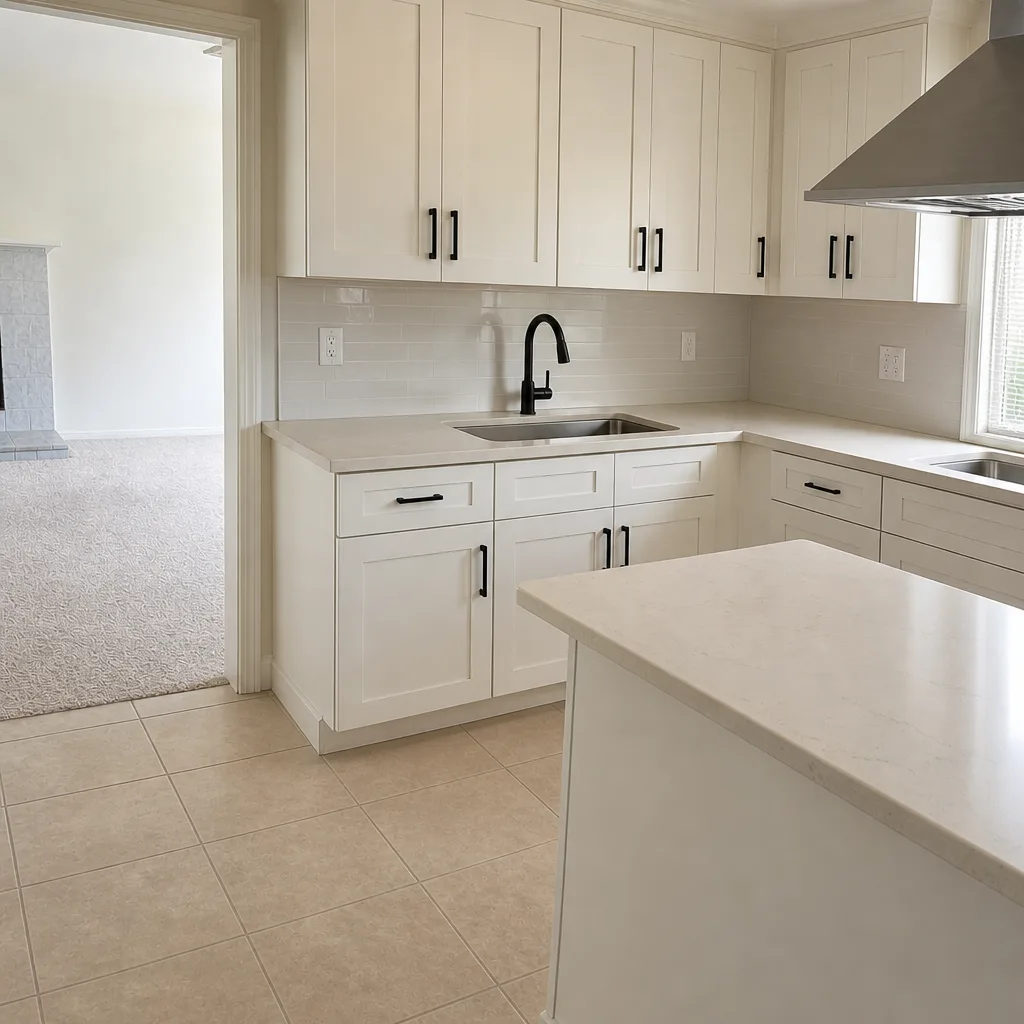 After
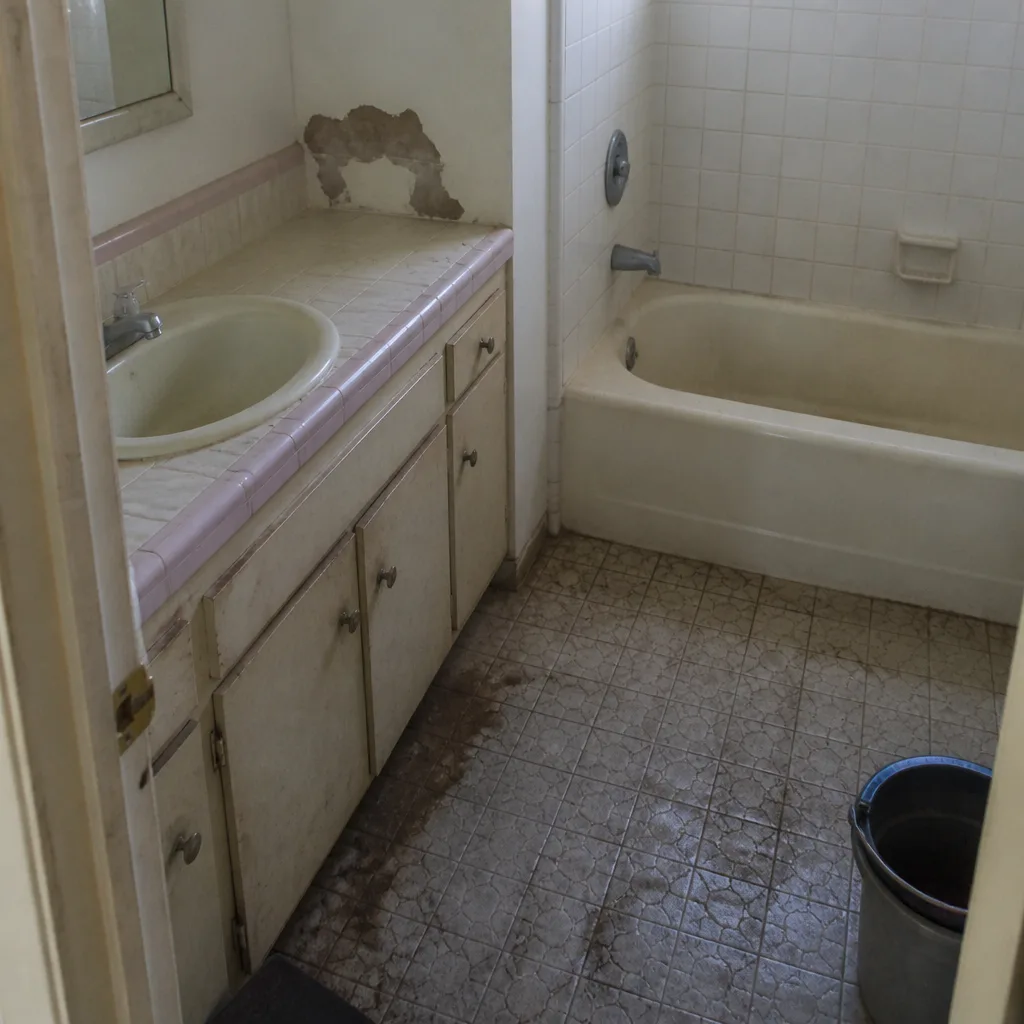 Before
 After
 Before
 After
When to Call a Professional
Some selection decisions are better made with a trained eye on site than from a web page. If you’re comparing exterior products for a Mission Viejo home where UV and thermal cycling matter, or you’re not sure which window and door schedule meets code and HOA review, that’s a conversation worth having early. If a remodeling failure has already surfaced, or a product was installed and started leaking, warping, or cracking inside its first year, that’s a workmanship issue, not just a material one, and it needs the installer on record. Anything that involves roofing, ventilation, electrical, or gas rough-in should go to a trained professional, not a weekend project. Bradford Remodeling Co Mission Viejo offers free estimates in Mission Viejo and written pricing before any work begins, with the 365-Day Done Right Promise on every completed project. Call (833) 734-2429 to schedule your free estimate.
Frequently Asked Questions

There’s no single best brand; the right one is the product whose independent test data fits Mission Viejo’s UV and thermal-cycle conditions and whose installer is contractually accountable for the install. Compare products using ASTM and ICC-ES data rather than the brochure. Call (833) 734-2429 for a free estimate and we’ll walk you through the specs.
Usually not. Most manufacturer warranties cover material defects only and explicitly exclude labor and improper installation. That means the installer’s written guarantee is what actually protects you. Call (833) 734-2429 to hear how the 365-Day Done Right Promise covers the work itself.
Request the current approved-materials list from your HOA and confirm the exact brand, model, and color, then get written approval before signing a contract. Building architecture review time into your schedule matters in Mission Viejo’s planned communities. Call (833) 734-2429 and we’ll factor HOA approval into your project timeline.
Pricing depends on the scope and the products, which is why we give a written price before any work starts rather than a number that moves at the door. A free estimate puts a real figure on the table. Call (833) 734-2429 to schedule yours.
With a written fixed price set before work begins, it shouldn’t. Any change is documented in writing before proceeding. That’s the non-negotiable part of how we operate. Call (833) 734-2429 for a written estimate on your Mission Viejo project.
A brand warranty covers the material; a workmanship guarantee covers the install, which is where nearly all failures originate. We put a full-year written guarantee on the work: if it fails inside that window, we return and correct it at no charge. Call (833) 734-2429 to learn what the guarantee covers for your project.
The Bottom Line
The brand on the box matters less than who installs it and what they put in writing. Read the warranty exclusions rather than the front page. Verify performance through ASTM and ICC-ES data, not marketing claims. Match exterior materials to Mission Viejo’s UV and thermal cycling, clear the HOA list before you order, and structure the contract so the installer is on record for performance. Bradford Remodeling Co Mission Viejo puts price and guarantee in writing before the first tool comes out, backed by the 365-Day Done Right Promise and background-checked, uniformed technicians. That’s the accountability a brand name can’t give you.
Written by the team at Bradford Remodeling Co Mission Viejo.