Last updated November 17, 2026




Free written scope consultation - allowances, timeline, and change-order rules on paper before a single trade is scheduled
Bathroom Remodeling Warning Signs Every Homeowner Should Know
Every year, thousands of California homeowners file complaints against contractors with the Contractors State License Board. “Abandoned job” and “failure to complete” consistently rank among the top complaint categories. Almost every one of those homeowners hired the same way: they took the lowest bid and had nothing in writing to hold the contractor to it. That’s the pattern worth understanding before you sign anything. This guide breaks down the warning signs that show up at the estimate stage – the license checks most homeowners skip, the allowance trap hiding in a low bid, and the pressure tactics that should send you looking elsewhere. We’re writing from the perspective of a Mission Viejo remodeling company that has walked into plenty of half-finished bathrooms and knows exactly how they got that way.
Quick Answer
The clearest warning signs of a bad bathroom remodeling contractor are a bid with no written scope, “allowances” instead of specified materials, a price that’s suspiciously below market, pressure to sign the same day, and no verifiable license or bond in the CSLB database. Any one of these is a reason to slow down. Two or more together means you should walk away. The good news: every one of these problems is visible before the first tool comes out – if you know what document to ask for.
Styles & brands we work with
- Kitchen remodeling
- Bathroom remodeling
- Home additions & ADU
- Roofing
- Windows & doors
- Driveway & pavers
- Fence
Table of Contents
- The Low-Ball Bid: How a $3,000 Discount Becomes a $9,000 Bill
- How to Verify a Contractor’s License – and What Most Homeowners Miss
- The Materials Allowance Trap in Bathroom Bids
- The One-Day Cash Pressure Close
- Unlicensed Subcontractors: The Hidden Liability in Bathroom Work
- What a Proper Written Scope Actually Looks Like
- Red Flags After the Job Starts
The Low-Ball Bid: How a $3,000 Discount Becomes a $9,000 Bill
A contractor can win a bathroom job $3,000 under market and still come out ahead. Here’s the mechanic. The original bid is vague – a square footage, a line for plumbing, a line for tile, a lump-sum labor figure. Once demolition starts, three “unforeseen conditions” appear. Rot under the subfloor. A water line that needs rerouting. A vent stack that doesn’t meet current code. Each change order runs $800 to $3,500 by the time it’s written up.
Here’s the part that matters: those conditions were foreseeable to any experienced tradesperson who knew what to look for. A bathroom in a Mission Viejo home originally built in the 1970s or 1980s has a predictable set of surprises – old galvanized supply lines, cast-iron drains near the end of their service life, and floor joists that were never sized for a tile shower’s dead load. A contractor who has worked in Mission Viejo knows these before opening the wall. If your bid doesn’t mention any of them, either you’re working with someone who hasn’t been in many Mission Viejo bathrooms, or the bid is deliberately silent so the change orders can land later.
The dollar mechanics of the cycle look like this:
- Winning bid: $14,000 (roughly $3,000 under the local market for the same scope)
- Change order 1 – subfloor rot: +$1,800 (unforeseen)
- Change order 2 – plumbing reroute: +$2,200 (unforeseen)
- Change order 3 – extra tile backer and waterproofing: +$1,400 (unforeseen)
- Final invoice: $19,400 – more than the higher original bids
The fix is a bid that names what it expects to find. A properly written scope doesn’t promise zero surprises; it names the likely ones and states pricing for both the base case and the contingency, in writing, before work begins. When the price is fixed and documented, there’s no room to move it at the door.
If you’re still at the planning stage, our Bathroom Remodeling in Mission Viejo guide covers what a full scope-to-close project actually includes.
How to Verify a Contractor’s License – and What Most Homeowners Miss
Most homeowners check one thing: is the license active? That’s a start, but it’s not enough. The CSLB database shows several fields where skipping the check has real financial consequences.
- License status and classification. Active is the floor. Check the classification – a C-36 (Sheet Metal) contractor has no business running a bathroom remodel. You want a B (General Building) classification, or a specialty license that actually matches the work.
- Bond amount. California requires a $25,000 contractor’s bond for most licensed contractors. That’s your recovery vehicle if the contractor walks or causes damage. If the bond field is blank or shows an expired bond, walk.
- Workers’ compensation certificate. If the contractor has employees, they must carry workers’ comp. This is the field most homeowners skip – and the one that matters most. On this field you may see “Sole Owner Exemption.” That means the contractor has no employees and lives with the risk personally. If you hire a “sole owner” contractor and they show up with three people doing the work, that’s a red flag – either they’re misrepresenting the exemption or the workers are uninsured. If a worker gets injured on your property without coverage, the liability can be yours. Ask directly: “Will anyone other than you work on this job? If so, I need to see the workers’ comp certificate.”
- Complaint history. The CSLB database shows active complaints and prior disciplinary actions. A single complaint isn’t disqualifying. A pattern of “failure to complete” complaints is a hard stop.
All of this takes about fifteen minutes on the CSLB website. It’s the highest-leverage fifteen minutes of the entire project. If the contractor discourages you from checking, that itself is one of the signs of a bad bathroom remodeling contractor. Request the license number in writing before you sign anything. The General Contractor in Mission Viejo page explains how we handle verification on our side of the table.
The Materials Allowance Trap in Bathroom Bids
Here’s a line that costs homeowners thousands and looks innocent on the page:
Tile allowance: $3 per square foot.
What that means: the contractor has committed to $3/square foot for tile. If you pick tile that costs $9/square foot – which is normal for quality porcelain or ceramic in a bathroom – the difference comes out of your pocket, not the contractor’s. A 60-square-foot bathroom wall surface with a $6/square-foot overage is an extra $360. Multiply across floor, walls, and shower interior and the allowance trap can easily add $2,000 to $4,000 to a $15,000 bathroom.
The allowance is the contractor’s way of removing cost risk from their bid without removing it from the total project. It wins on price comparison and then hands the difference back to you as a selection decision – a decision you can’t easily reverse once demo starts.
A properly specified bid looks different. Rather than an allowance, a real bid names the material by brand and line, with a stated price. For surfaces, that means something like a Caesarstone countertop and a specified tile brand and line. For fixtures, it names a Kohler or Moen model by number. That way the price on the page is the price of the finished bathroom – not a placeholder that will expand once you start making choices.
If a bid has allowances, ask for them to be converted to specified products before you sign. A contractor who can’t specify is a contractor who hasn’t thought through the project.
The One-Day Cash Pressure Close
When a contractor tells you a price is “only good today,” that is a pricing tactic, not a pricing reality. Contractors have material costs, labor costs, and overhead. None of those move meaningfully between today and next Tuesday. A sudden deadline is pressure, and pressure is a sales technique – not a construction one.
The right response is: “I’ll review and get back to you.” A legitimate contractor will say “sounds good, take your time.” A contractor whose margins depend on you not having time to read the scope carefully will push back.
What legitimate pricing looks like: a written bid, valid for a set number of days (30 days is normal for material pricing), with a stated line-item breakdown. If material prices are moving fast in a given week – lumber in a supply shock, for instance – the bid may say so explicitly and name the deadline and the reason. That’s different from an artificial scarcity tactic.
The “cash today, discount tomorrow” close is a related move. It’s worth knowing that paying in cash forfeits most of your ability to dispute a charge later. The only sensible handling: always pay by check or card, keep a paper trail, and follow the CSLB payment schedule guidance – for a home improvement contract over $500, the deposit cannot exceed $1,000 or 10% of the contract price, whichever is less, and California law prohibits paying more than that upfront.
Unlicensed Subcontractors: The Hidden Liability in Bathroom Work
Bathrooms are the most sub-heavy room in the house. A typical bathroom remodel requires licensed plumbing, licensed electrical, and usually a tile setter and a drywall finish. General contractors working in California can legally subcontract that work – but only to licensed subcontractors. When they don’t, the exposure lands on you.
Unlicensed plumbing and electrical work in a Mission Viejo bathroom creates several exposures:
- Permit failure. Unlicensed subs typically pull no permits. If the work was supposed to be permitted and wasn’t, the city can require you to open the walls and redo it at your cost.
- Insurance gap. If an unlicensed worker is injured in your home, their injury may fall on your homeowner’s policy – or on you personally.
- Resale problems. Unpermitted plumbing and electrical show up in inspection when you sell. Buyers walk or discount the price.
- No recourse. The CSLB has no jurisdiction over unlicensed workers. Your only path is civil court.
The fix is simple: ask the general contractor, in writing, for the name and license number of every subcontractor who will touch the job. Then verify each one in the CSLB database. A legitimate contractor expects this question and answers it without hesitation.
What a Proper Written Scope Actually Looks Like
California requires a written contract for any home improvement job over $500. But “written contract” is a low bar. The document you actually want covers the following ground – and if it’s missing any of it, ask for a revision before you sign.
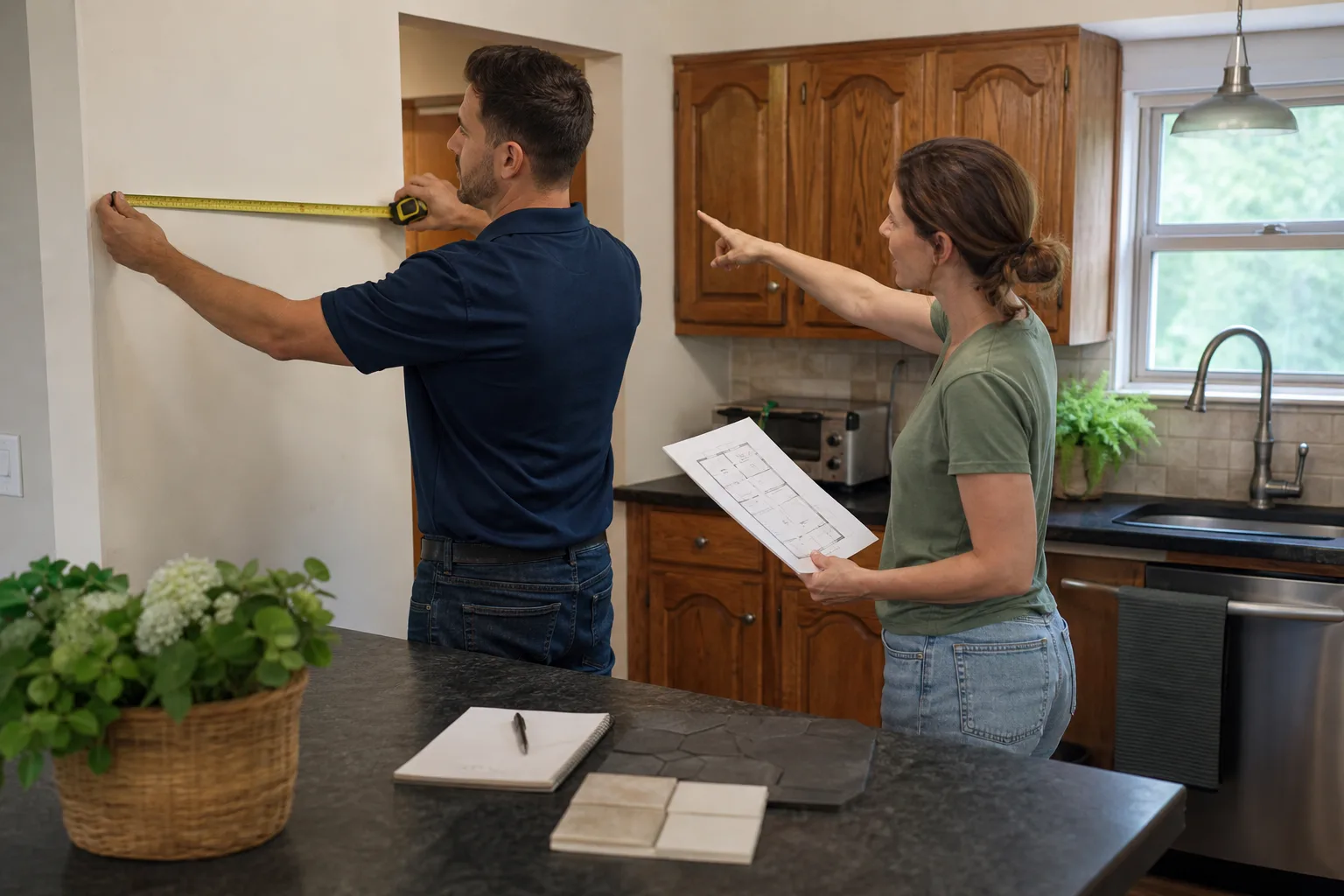
- Demolition scope. Exactly what comes out, what gets protected, and where the debris goes.
- Materials, spec-by-spec. Tile by brand and line, fixtures by model number, cabinet and vanity by brand, paint by brand and color. Not allowances.
- Rough-in scope. Which plumbing and electrical lines are being replaced versus retained. This is where “unforeseen” surprises hide.
- Waterproofing method. Bathrooms live and die by the waterproofing system – the substrate (the layer beneath the tile) has to be installed to the manufacturer’s spec. Name the product.
- Permit responsibility. Who pulls the permit, who pays for it, who meets the inspector. If the answer is “no permit needed,” that’s a red flag, not a reassurance.
- Payment schedule. Tied to milestones, not calendar dates, and compliant with the CSLB deposit limits.
- Schedule and completion date. With a written statement of what happens if dates slip.
- Warranty terms, in writing. What’s covered, for how long, and what the remedy is if something fails.
Bradford Remodeling works from The Garrison Standard – the framework behind every promise we make – which requires a written price and a written warranty in the homeowner’s hand before any work starts. The Bradford Remodeling Co Mission Viejo home page describes what that looks like in practice.
Red Flags After the Job Starts
Some warning signs live in the bid. Others show up once the work begins. Watch for these:
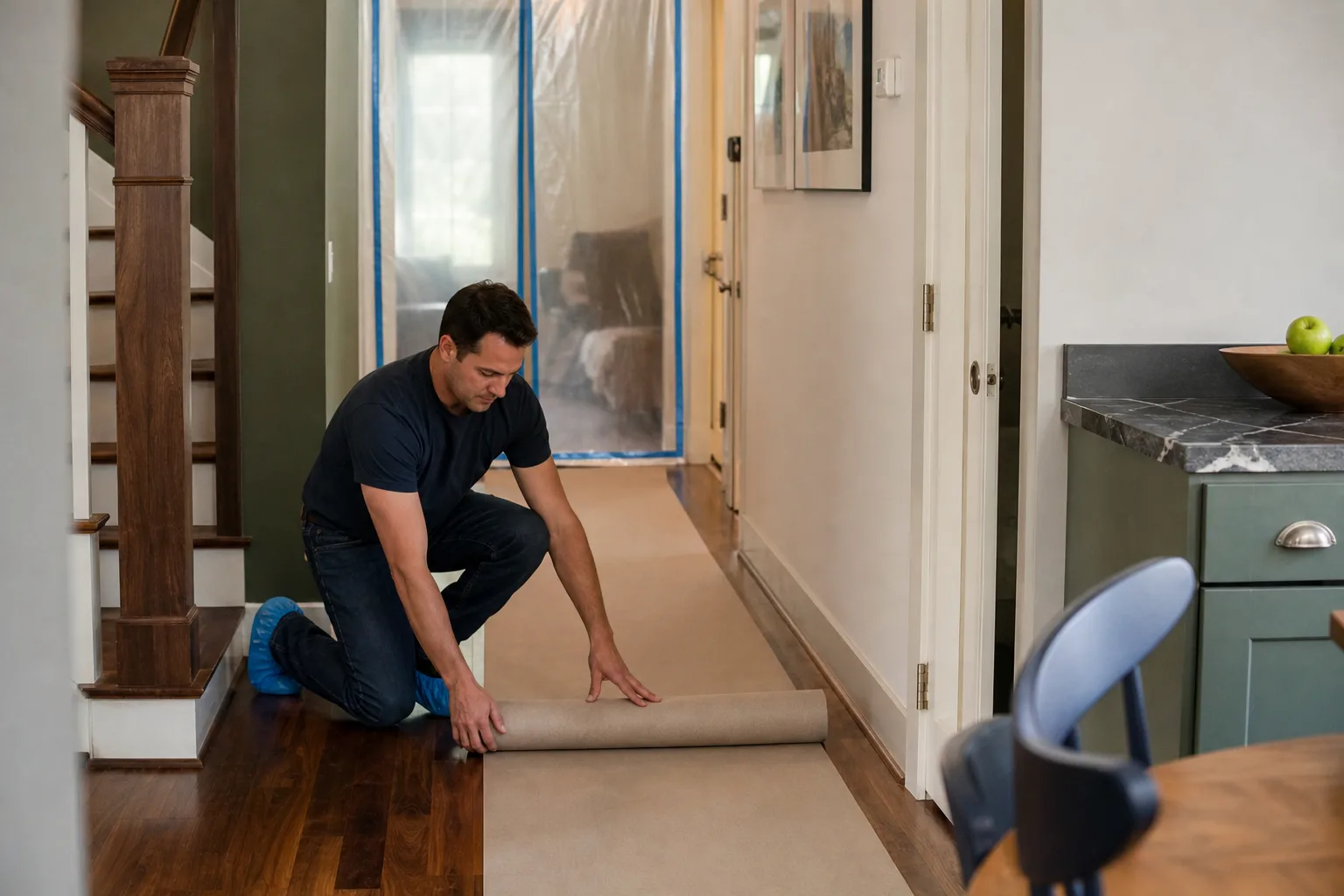
- The site isn’t protected. A real crew lays floor protection before demo. If they walked in without it, they’re not planning to protect the rest of your house either.
- Change orders appear without photos. Every legitimate change order names the condition, shows it, and states the cost before the fix. “We found rot, just add $1,800” is not a change order.
- Subcontractors show up without identification. Bradford runs background-checked, uniformed technicians on every job – you know who’s walking in before they arrive. A contractor who doesn’t know who’s coming to your house today is a contractor who hasn’t vetted them.
- Permits are missing from the wall. A permit that was supposedly pulled appears on the job site, visibly posted. If you haven’t seen it by demo day, ask.
- The crew disappears for days at a time. Some gaps are normal – cure time, material delivery. Long, unexplained absences with no communication are how “abandoned job” complaints start.
- The site isn’t cleaned at close of business each day. Not a cosmetic preference. It’s a sign the contractor plans to come back tomorrow.
Common Mistakes to Avoid
- Accepting an allowance for tile, fixtures, or countertops. Convert every allowance to a specified product with a stated price before signing. Allowances are the single most common way a low bid becomes a high bill.
- Checking only “active” on the CSLB database. Read the bond amount and workers’ comp certificate line too. A sole owner exemption on the workers’ comp field while three people are on site is a red flag worth asking about.
- Paying more than $1,000 or 10% upfront. California caps home improvement deposits at $1,000 or 10% of the contract price, whichever is lower. Anything above that is illegal.
- Skipping permits because “it’s just a bathroom.” In Mission Viejo, most bathroom remodels involving plumbing or electrical changes require a permit. Unpermitted work surfaces at resale and can cost more to fix than the permit itself.
- Believing the “only good today” price. A legitimate bid is valid for a stated window. A sudden deadline is pressure, not a market signal.
- Hiring without a warranty in writing. Verbal guarantees are worth what you paid for them. Ask for the specific remedy and term in writing before signing.
- Not walking the project at close. The final walk should be a checklist against the written scope, not a handshake. Everything on the scope should match what’s on the walls.
The Kitchen Remodeling in Mission Viejo guide lays out the same discipline for kitchens – the bid-writing rules don’t change room to room.
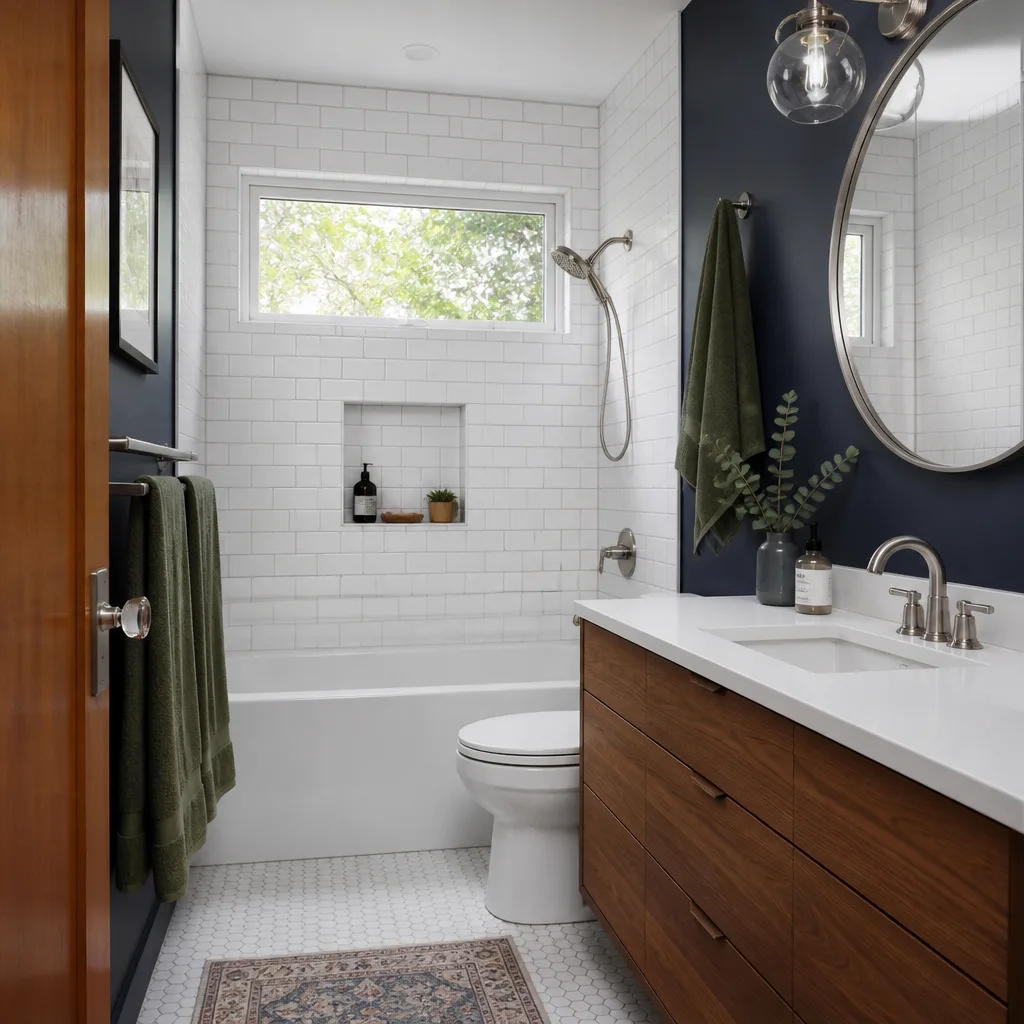
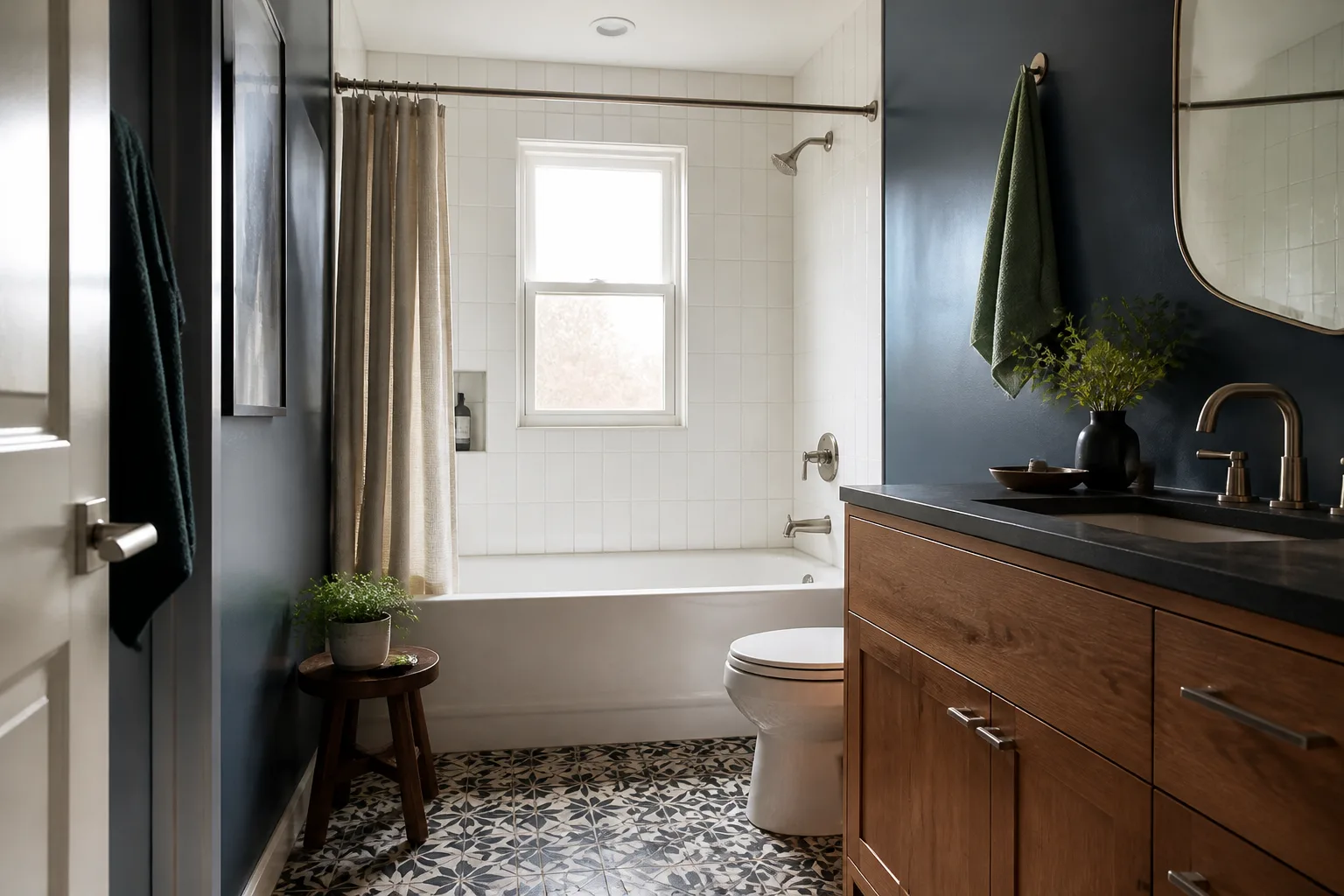
See the difference
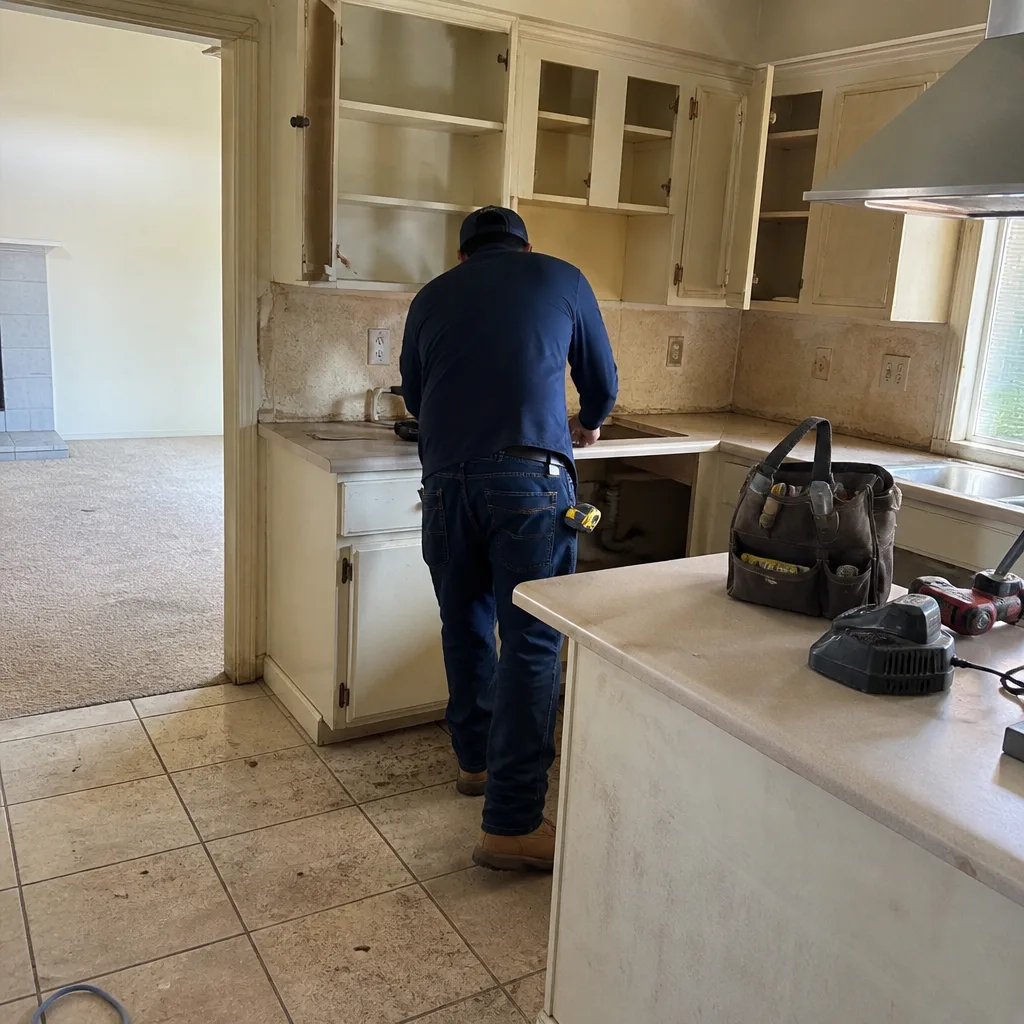 Before
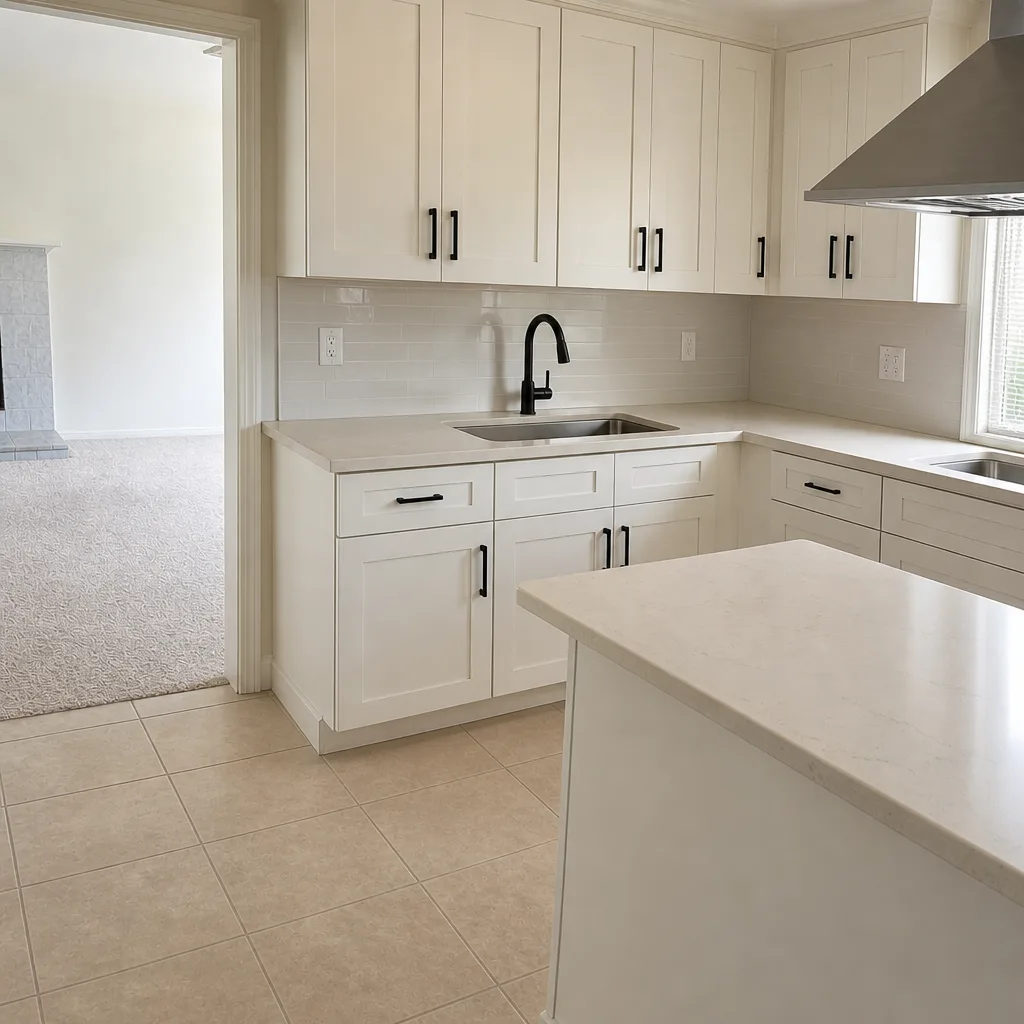 After
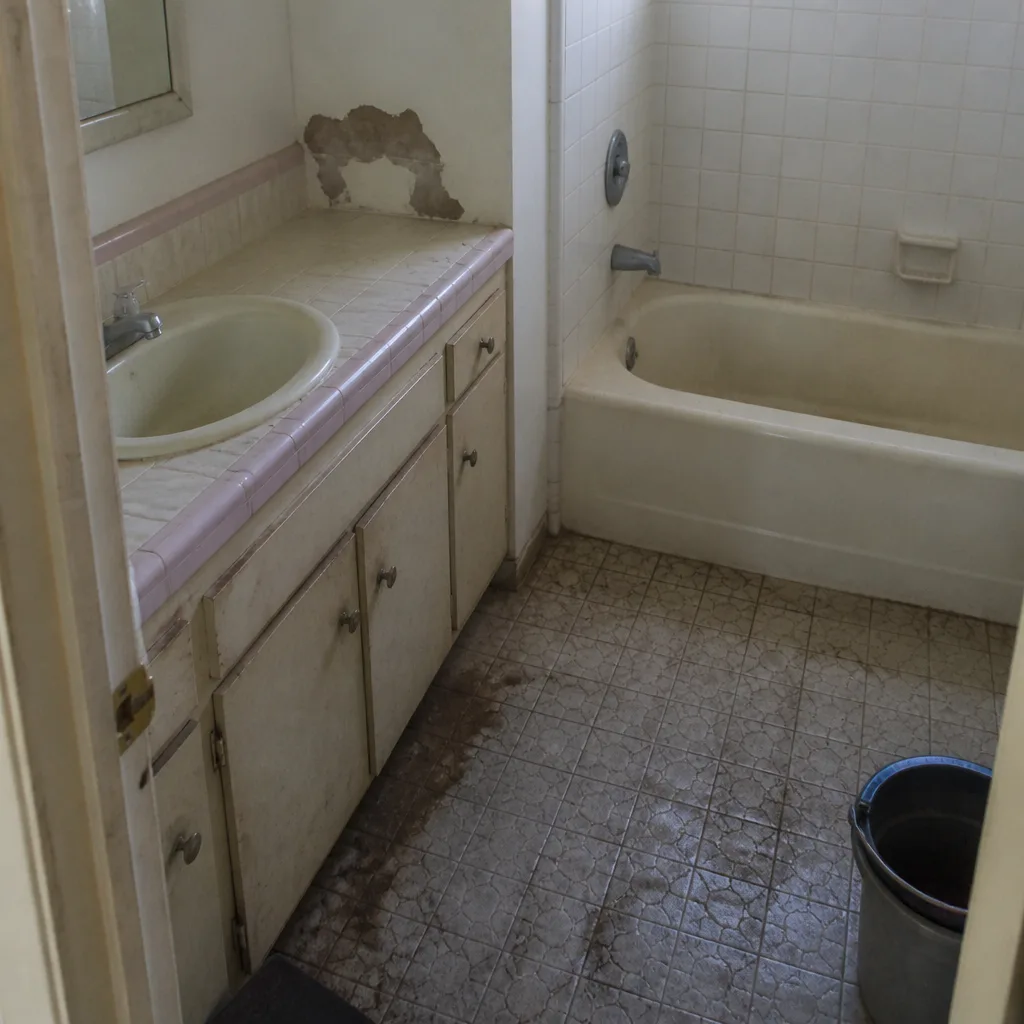 Before
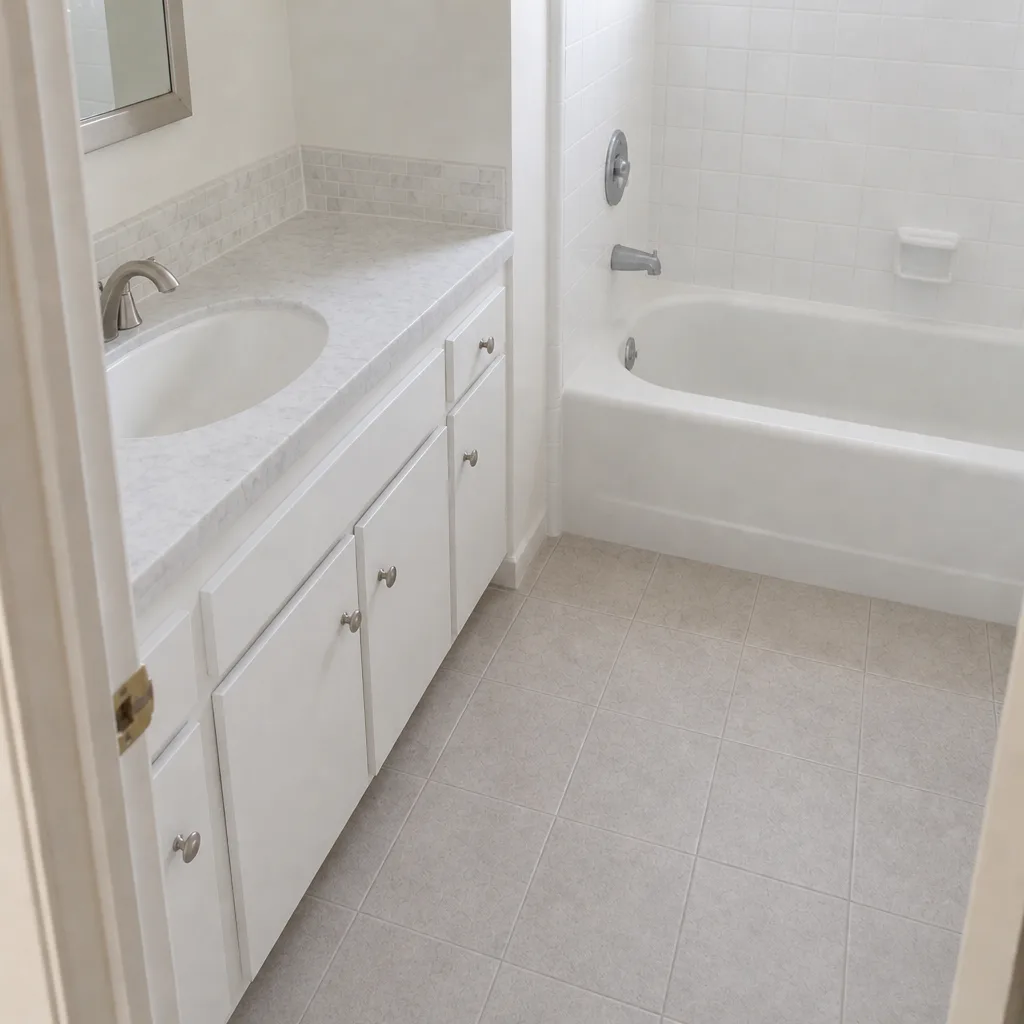 After
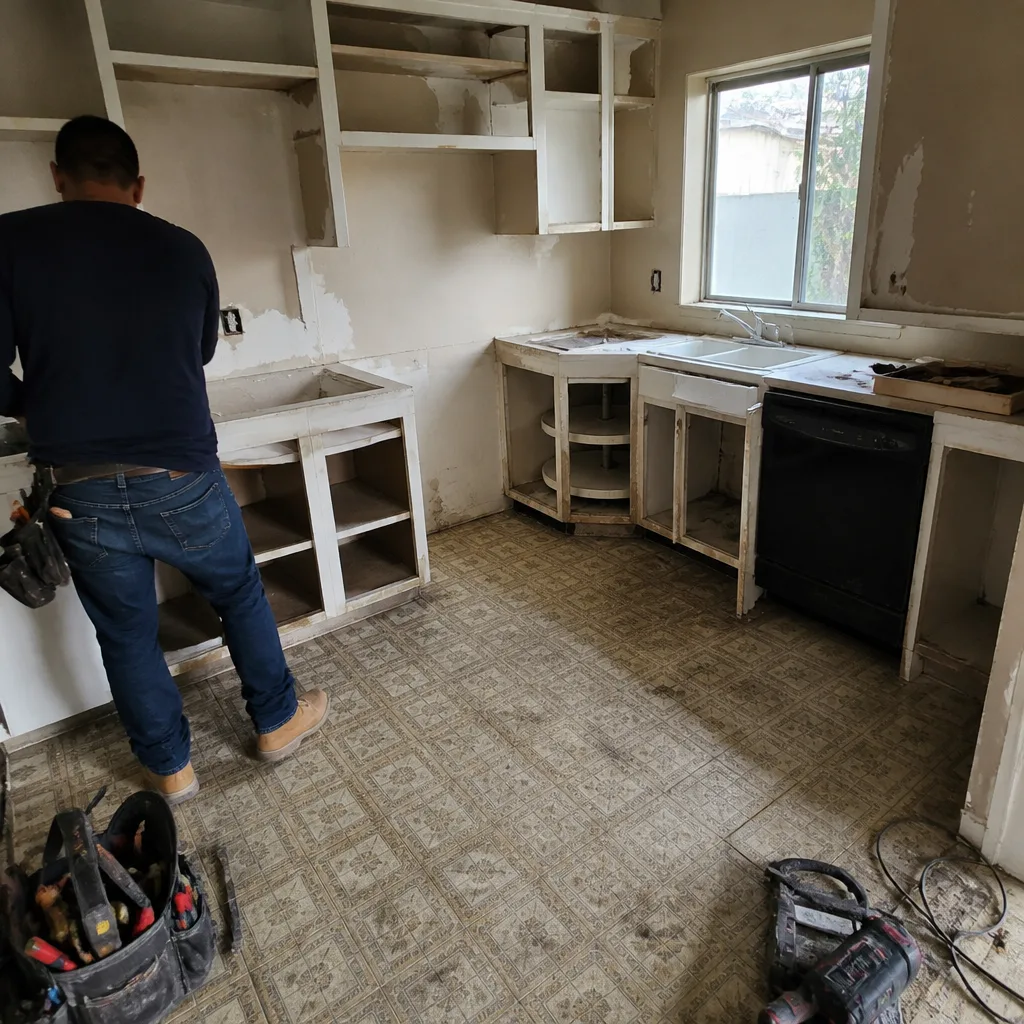 Before
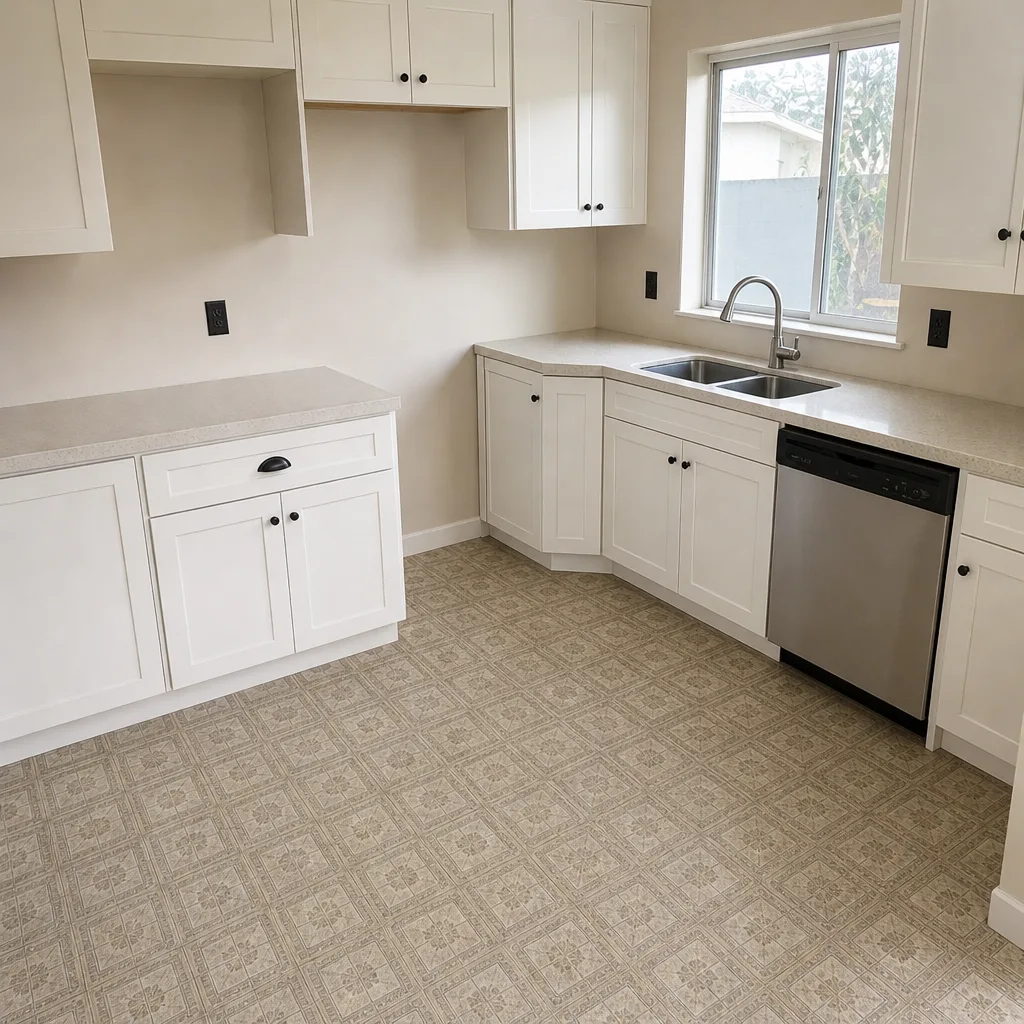 After
When to Call a Professional
If any of these are true, you’re past the “wait and see” stage: you’ve been handed a bid with allowances rather than specified materials; the contractor has suggested skipping permits; you’ve been asked for more than 10% upfront; the price is dramatically under every other bid you’ve received; or the contractor won’t give you a license number in writing. Any one of those is a call-us-before-you-sign moment. A short conversation about what a properly written scope looks like is often the difference between a clean project and a “failure to complete” complaint. Bradford Remodeling Co Mission Viejo offers free estimates in Mission Viejo – call (833) 734-2429.
Frequently Asked Questions
Bids with allowances instead of specified materials, pressure to sign the same day, missing or unverifiable license numbers, and requests for more than 10% upfront are the four loudest signals. If a bid doesn’t name materials by brand and model, that’s the root of most later disputes – you can’t hold a contractor to a product they never specified. Call (833) 734-2429 for a free estimate and we’ll walk through what a properly written bid should contain.
Go to the CSLB database and read four fields: license status and classification, bond amount (should show a $25,000 bond for most licensed contractors), workers’ comp certificate (and whether it shows a sole owner exemption), and complaint history. A sole owner exemption means the contractor has no employees – if workers show up on the job, ask who employs them. If the contractor discourages you from checking, that’s a stop sign.
For a contractor who has worked on bathrooms of a similar age and construction, most so-called unforeseen conditions are entirely foreseeable – rotted subfloor, aging supply lines, floor joists not sized for a tile shower. Those should appear in the written scope as line-item contingencies before the job starts. A change order for something that should have been anticipated is a way to convert a low bid into a high bill. Call (833) 734-2429 for a free estimate based on what your bathroom will actually require.
It means the contractor has no employees and has filed for exemption from workers’ comp coverage. The exposure for you: if anyone other than the sole owner works on your property and gets hurt, and they’re not covered, the injury can fall on your homeowner’s policy. Before work begins, ask in writing who will be on site and ask for the workers’ comp certificate for anyone other than the sole owner.
Yes, when the work involves plumbing, electrical, or structural changes – which covers most full bathroom remodels. Cosmetic updates like painting and refacing may not require a permit. Skipping a required permit creates a problem at resale and can force you to open walls to bring the work up to code. Every project we run in Mission Viejo pulls permits and passes inspections before close. Call (833) 734-2429 with the details of your project – estimates are free.
A full bathroom remodel in the Mission Viejo market typically runs $18,000 to $35,000 for a mid-size bathroom, and premium finishes and layout changes can push it higher. The biggest cost variables are whether the layout changes, what’s behind the wall when demo opens, and material specification level. What should not vary is the number on the written price before work starts. Our written price is fixed and documented before any tool comes out – call (833) 734-2429 for a free estimate.
The Bottom Line
Bathroom remodeling scams follow a predictable playbook, and every chapter is visible at the estimate stage. The low bid wins the job, the vague scope keeps the door open for change orders, the allowances shift cost to you, and the one-day close prevents careful reading. The cure is not a sixth sense about contractors – it’s a documented scope, a verified license, a named-material bid, and a written warranty before the first tool comes out. Every point in this guide traces back to those four things. Bradford Remodeling Co Mission Viejo builds every project on The Garrison Standard, backed by The Garrison Code – written price before work begins, background-checked uniformed technicians, live-person phone coverage, and the 365-Day Done Right Promise on every completed project.
If you’re ready to skip the warning signs entirely and start from a fixed, written price, call (833) 734-2429 for a free estimate. A live person answers the phone, day or night.
Written by the team at Bradford Remodeling Co Mission Viejo.