Last updated November 17, 2026






Free written scope consultation - allowances, timeline, and change-order rules on paper before a single trade is scheduled
DIY vs Professional Kitchen Remodeling: What’s Safe to Do Yourself
A homeowner who runs a new gas line to a kitchen range, then files an insurance claim after a slow leak is discovered months later, can find the claim denied outright. In California, unpermitted gas work is an explicit exclusion in most homeowner policies. The remodel looked fine. The coverage didn’t. That single fact reshapes the entire DIY question: in a kitchen, the line between safe and not safe isn’t drawn by skill or confidence. It’s drawn by permit-required work. This guide maps exactly where that line falls in Mission Viejo and across California, so you don’t cross it by accident.
Styles & brands we work with
- Kitchen remodeling
- Bathroom remodeling
- Home additions & ADU
- Roofing
- Windows & doors
- Driveway & pavers
- Fence
Quick Answer
In California, you can legally self-perform cosmetic and non-structural kitchen work: cabinet installation on existing walls, hardware, painting, backsplash tile in dry areas, and finish trim. Anything that touches electrical circuits, plumbing supply or drains, gas lines, ventilation routing, or structural framing requires a licensed contractor and a permit. Move an outlet 12 inches, add a circuit, or relocate a sink drain, and you’ve crossed into permitted territory. The permit trigger is usually smaller than homeowners expect.
Table of Contents
- Where the Permit Line Falls in a California Kitchen Remodel
- What You Can Legally Do Yourself
- The Permit Triggers Most DIYers Don’t Anticipate
- The Trade Classifications Behind the Rule: C-36, C-10, C-20, and B
- Resale Disclosure: How Orange County Buyers and Inspectors Treat DIY Work
- An Honest Cost Comparison: What You Actually Save
- Mission Viejo-Specific Context: Climate, Codes, and Housing Stock
- Common Mistakes to Avoid
- When to Call a Professional
- Frequently Asked Questions
- The Bottom Line
Where the Permit Line Falls in a California Kitchen Remodel
California draws a firm line at work that affects the safety of the structure or its systems. Cosmetic work sits on the safe side. Systems work sits on the other. The confusing part is that many “cosmetic” tasks hide systems work underneath them. Hanging new cabinets means driving screws into wall framing; if that wall turns out to be load-bearing, cabinet installation just became structural work requiring a “B” classification contractor and a building permit.
In our experience across Mission Viejo kitchens, the permit line gets crossed most often in three places: moving an outlet, changing a range hood, and relocating a sink. Each looks like a small adjustment on paper. Each triggers a permit.
Here’s how the line breaks down by task:
- Cabinet installation (non-structural): Legal to self-perform on existing walls with no framing changes.
- Cabinet installation (any wall removal or reframing): Requires licensed contractor and building permit.
- Countertop installation: Legal to self-perform on stock and prefab surfaces; stone slabs typically require a fabricator for templating and install.
- Electrical – swapping a fixture in the same location: Legal for the homeowner in many jurisdictions.
- Electrical – adding a circuit, moving an outlet, adding an outlet: Requires a C-10 licensed electrician and a permit.
- Plumbing – swapping a faucet: Legal to self-perform.
- Plumbing – moving the sink, dishwasher, or relocating a drain: Requires a C-36 licensed plumber and a permit.
- Gas line work of any kind: Requires a licensed plumber or gas contractor and a permit. No exceptions.
- Range hood venting changes: Requires permit and typically a C-20 (HVAC) or C-36 contractor depending on scope.
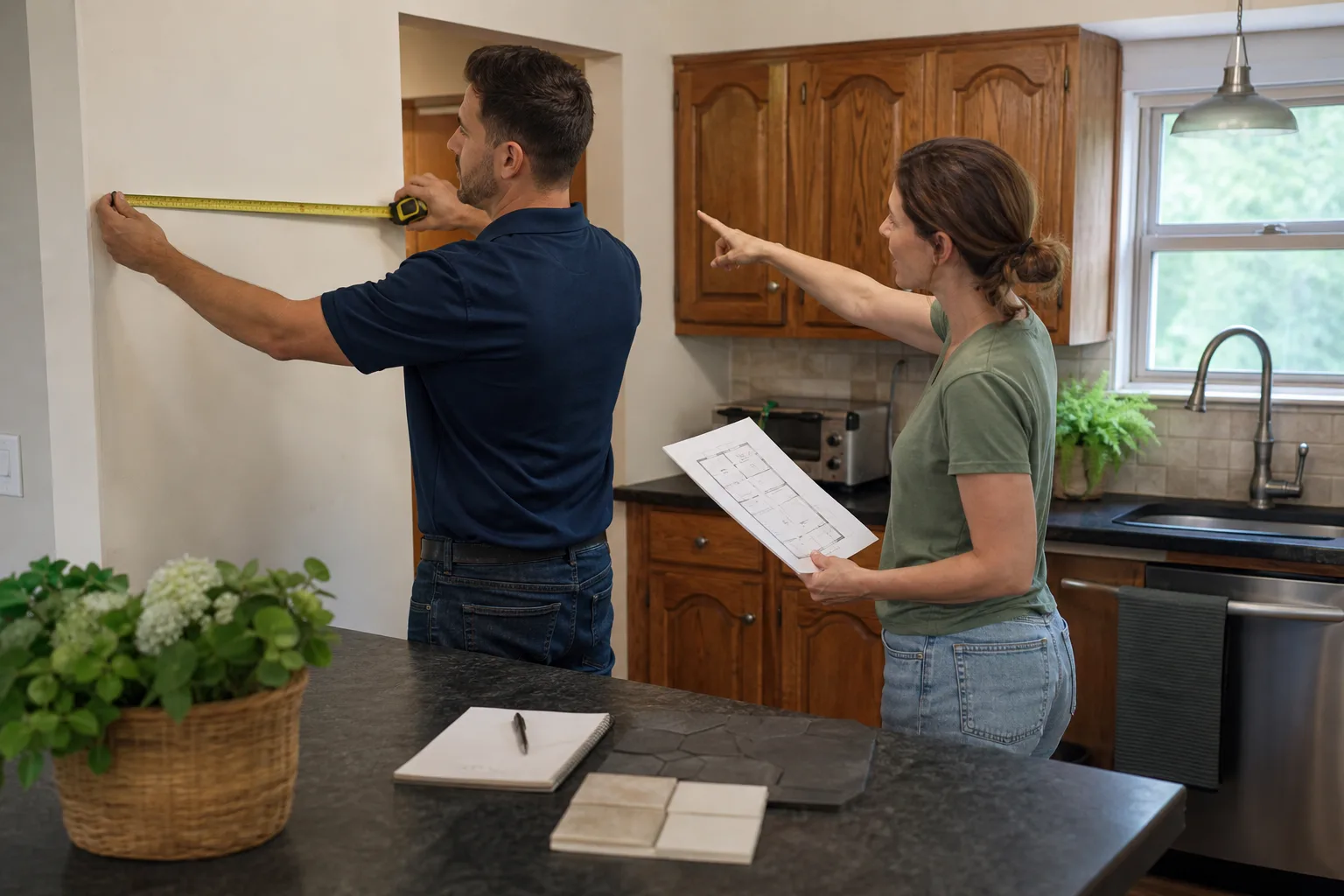
Mission Viejo follows Orange County and California Building Code standards on all of the above. The city’s building division handles kitchen permits, and inspections are part of the process. If you’re wondering whether your project needs permits, our team at Bradford Remodeling Co as your General Contractor in Mission Viejo walks through it with homeowners at the estimate stage, before any tool comes out.
What You Can Legally Do Yourself
The genuinely safe DIY list in a kitchen remodel is shorter than the internet suggests, but it’s real. These tasks are legal to self-perform in California without a permit, and with reasonable skill, they produce professional-looking results.
- Cabinet installation on existing walls. Non-structural cabinet hanging is permitted for homeowners. This is the biggest DIY win by dollar value, because cabinet labor is a meaningful line item in a kitchen budget.
- Cabinet hardware. Pulls, knobs, and hinges. Low risk, high visual impact.
- Painting. Walls, ceilings, and cabinet refinishing. No permit, no licensing requirement.
- Backsplash tile in dry areas. Tile behind the range needs a heat-rated backer, but tile on standard backsplash walls without plumbing or electrical changes underneath is legal DIY work.
- Finish trim. Baseboard, shoe molding, crown, and toe-kick installation.
- Faucet and fixture swaps. Replacing an existing faucet or light fixture in the same location is generally permitted for homeowners.
- Demolition of non-structural finishes. Tearing out old cabinets, countertops, and flooring, provided nothing structural or systems-related is touched.
Notice what’s missing from that list: moving a sink, adding a dishwasher, adding a microwave circuit, cutting a new range hood hole through an exterior wall, or removing any wall. Those belong on the other side of the line. For a full view of how a professional kitchen remodel scopes these tasks, our Kitchen Remodeling in Mission Viejo page breaks the work down scope by scope.
The Permit Triggers Most DIYers Don’t Anticipate
Here are the specific permit triggers that catch homeowners mid-project, usually after the drywall is already open. Any one of these changes the legal status of the job in Mission Viejo and across Orange County.
- Moving an electrical outlet 12 inches. Even a small move counts as new electrical work requiring a permit and a C-10 licensed electrician. The circuit has to be re-run and the drywall patched.
- Adding a circuit. New appliances (range hood, dishwasher, microwave, refrigerator) frequently need a dedicated circuit. Any new circuit requires a permit and inspection.
- Relocating a sink drain. Moving the sink even 18 inches means the drain run changes, which is plumbing work requiring a C-36 contractor and a permit.
- Changing the range hood vent route. Different hoods require different duct diameters, and the exterior penetration point may need a new permit to cut through stucco or framing.
- Removing any wall. Even a “half wall” that looks non-load-bearing must be verified by a structural engineer or contractor before removal. If it’s load-bearing, a B contractor and structural permit are required.
- Changing a window or door opening. Adding a window over the sink or expanding a doorway to the dining room goes through the building department.
- Adding a gas line for a new range. Any gas work requires a permit and licensed plumbing, no exceptions.
The most common surprise we hear from Mission Viejo homeowners: “I thought moving the outlet was cosmetic.” It’s not. Outlet location is electrical work, full stop. When homeowners call us mid-project after discovering this, the correction usually costs more than the work would have if it had been scoped correctly the first time.
The Trade Classifications Behind the Rule: C-36, C-10, C-20, and B
California licenses contractors by classification. The classification tells you exactly which type of work a contractor is legally allowed to perform, and which type of permit each task requires. For a kitchen remodel, four classifications matter most.
C-36 – Plumbing Contractor
C-36 covers all plumbing supply, drain, waste, and vent work. Gas piping falls under C-36 as well. In Mission Viejo kitchens, moving the sink, relocating the dishwasher, and running a new gas range line are all C-36 scopes. A general handyman cannot legally perform this work.
C-10 – Electrical Contractor
C-10 covers all electrical work beyond like-for-like fixture swaps. Adding an outlet, running a new circuit, upgrading a panel, or moving a switch location all require a C-10 licensed electrician and a permit. In older Mission Viejo homes built in the 1970s and 1980s, kitchen circuits were often sized for less load than a modern kitchen draws; a C-10 electrician will tell you up front if the panel needs upgrading.
C-20 – HVAC Contractor
C-20 covers heating, ventilation, and air conditioning. Range hood ductwork, exterior vent routing, and any HVAC modifications in a kitchen remodel fall under C-20. A new hood vent that terminates through an exterior wall requires a permit and a C-20 or C-36 contractor depending on how the scope splits.
B – General Building Contractor
A B classification contractor can take a whole-project scope that includes structural changes, multiple trade subcontractors, and overall project management. If your remodel involves removing a wall, expanding a window, or reframing, the general contractor needs to hold a B license (or subcontract the structural work to a specialty contractor). Most kitchen remodels that cross the permit line involve a B-class GC to coordinate.
A licensed contractor’s license number appears on every permit application. When the inspector signs off, the permit closes. When you sell the home, that closed permit is the evidence the work was legal. In Mission Viejo and Orange County, buyers’ inspectors ask for it. Our Bathroom Remodeling in Mission Viejo page covers the same trade classification framework for kitchens’ most frequently paired remodel.
Resale Disclosure: How Orange County Buyers and Inspectors Treat DIY Work
California requires sellers to disclose material facts about the property, including any known unpermitted work. In practice, Orange County buyers’ inspectors and appraisers treat unpermitted kitchen modifications as a red flag that can cost more at resale than the work would have cost to permit.
Three specific issues come up repeatedly in Mission Viejo:
- Unpermitted electrical work fails inspection. Buyers’ inspectors don’t just look for code violations – they look for signs the work was done without permit. Junction boxes without proper covers, mismatched wire gauges in a new circuit, and outlets installed without arc-fault protection all signal DIY work and trigger a request for the seller to permit and correct the work or reduce the price.
- Unpermitted plumbing work affects appraisal. Lenders require clear evidence that major systems are functional. Unpermitted drain relocations or gas lines can require a licensed plumber’s letter or a retroactive permit, adding cost to the sale.
- Structural changes without permits can void title insurance. Title insurers will not cover unpermitted structural work if it’s discovered after the sale. Buyers’ inspectors who find evidence of removed walls initiate a title search that can complicate closing.
Orange County assessors also track permitted work for property tax purposes. Unpermitted work does not add to your assessed value, but properly permitted improvements do. In practice, the difference in assessed value is usually nominal, while the difference in marketability on a Mission Viejo home is not. Buyers pay for the documented kitchen; they discount for the undocumented one.
This is where our written-price commitment matters. Before any Mission Viejo kitchen remodel begins, we put the scope, the permit list, and the price in writing. No number changes once the work starts. For a full overview of how we structure kitchen work, start at the Bradford Remodeling Co as a Mission Viejo home page.
An Honest Cost Comparison: What You Actually Save
The DIY value question isn’t “how much does labor cost.” It’s “how much do I actually save after tools, time, contingent repairs, and re-do risk?” Here’s an honest breakdown for a typical Mission Viejo kitchen.
Cabinet Installation: Best DIY Savings
Stock and semi-custom cabinet installation labor in Mission Viejo runs roughly $2,000 to $5,000 for a standard kitchen, depending on cabinet count, layout complexity, and whether the existing walls need any repair. Homeowner savings by self-installing: $1,800 to $4,500 after accounting for a few hundred dollars in tools (levels, shims, brad nailer, cabinet clamps). Risk of re-do is moderate – cabinet out-of-plumb installation is the most common DIY error we see, usually discovered when doors and drawers don’t close flush.
Tile Work: Moderate Savings, Higher Re-Do Risk
Backsplash tile installation labor in Mission Viejo runs roughly $800 to $2,400 for a standard kitchen. Homeowner savings: $600 to $2,000 after tools and materials waste (DIY tile jobs typically waste 15 to 20 percent versus 10 percent for a professional). Risk of re-do is moderate when tile is set on drywall without proper waterproofing near the sink.
Electrical Rough-In: Negative Return for DIY
Electrical rough-in labor in Mission Viejo runs roughly $1,500 to $3,500 for a typical kitchen. Homeowner savings: zero. Electrical work requires a licensed C-10 contractor and a permit. Doing it yourself means unpermitted work, no inspection, and – if the homeowner sells – a likely buyer-requested correction. Unpermitted electrical can also void insurance coverage on the entire claim if it’s the cause of a fire. The honest math: DIY here costs more than doing it right.
Plumbing: Negative Return for DIY
Plumbing labor for a sink relocation runs roughly $800 to $2,000. Homeowner savings: zero. C-36 requirement, permit required, insurance implications for leaks and gas. Same math as electrical.
The Hidden Costs
Add 25 to 40 percent to any DIY estimate for tool purchase (many homeowners don’t own a miter saw, cabinet clamps, or tile wet saw), material waste, and the contingency for correction. When those are included, the “DIY savings” for the safe-list tasks still clear, just by less than it appears. For electrical and plumbing, the DIY savings disappear entirely once you account for permit correction and resale impact.
Mission Viejo-Specific Context: Climate, Codes, and Housing Stock
Mission Viejo’s climate and housing stock shape the DIY calculations in ways coastal cities and inland desert cities don’t. A few specifics matter for kitchen remodeling here.
Housing stock age. Mission Viejo was built out heavily in the 1970s and 1980s, with some 1960s pockets near the lake. That means most kitchens have either original or first-generation replacement electrical. Older kitchen circuits frequently don’t have the arc-fault protection California now requires for kitchen outlets, and panels from that era may not have the capacity for a modern appliance load. In our experience on Lake Mission Viejo-area remodels, kitchen panel upgrades come up more often than homeowners expect.
Climate. Mission Viejo sits inland enough that summers run hot and winters stay mild. Subfloor moisture isn’t the concern; heat and ventilation are. Range hood venting in a Mission Viejo kitchen performs better when ducted straight out through an exterior wall rather than through an attic run, because summer attic temperatures reduce airflow efficiency. Changing the vent route requires a permit.
HOA rules. Many Mission Viejo neighborhoods have HOA rules governing exterior modifications, and kitchen remodels that change window openings or exterior vent penetrations fall under HOA review. Verify with your HOA before assuming an exterior change is approved.
Permit speed. The city’s building department turnaround varies by project scope. A cabinet-only change may not require a permit at all; a structural, electrical, plumbing, or gas scope does. Plan on two to four weeks for permit issuance on a typical Mission Viejo kitchen remodel with multi-trade scope. That’s not a delay we can compress, and we’d rather tell you up front than surprise you mid-project.
Common Mistakes to Avoid
- Assuming small electrical moves are cosmetic. Moving an outlet 12 inches feels like a finish task. It’s an electrical permit and a C-10 electrician.
- Cutting a new vent hole without checking with the building department. Exterior wall penetrations for range hoods require permits in Mission Viejo.
- Starting demolition before the scope is fully written down. Half of the permit surprises we get called about happen because a homeowner tore out drywall before scoping the work. Write down the full scope – and the permit list – before demo day.
- Buying cabinets before verifying wall plumb. Mission Viejo homes from the 1970s often have out-of-plumb walls that require furring before any cabinet installs flush. Buy cabinets, then discover the walls, and you’ll pay a correction cost on materials you can’t return.
- Assuming unpermitted work is invisible at resale. Buyers’ inspectors in Orange County are specifically trained to look for signs of unpermitted work. They find it more often than sellers expect.
- Trusting a “handyman” with gas, electrical, or plumbing work. Handymen in California can legally do many things, but gas, electrical, and plumbing systems work require the specific contractor classification. Ask for the license before the tools come out.
- Not budgeting for permits in the DIY estimate. Even DIY-safe tasks sometimes require permits when they intersect with a systems scope. Budget the permit cost up front.
When to Call a Professional
Call a licensed contractor the moment your kitchen remodel touches one of these: any gas line, any electrical circuit beyond a like-for-like fixture swap, any plumbing supply or drain relocation, any range hood vent route change, any wall removal or reframing, any window or door opening change, or any structural question. Those scopes require specific trade licensing and permits in Mission Viejo, and they trigger insurance and resale consequences if done unpermitted. Bradford Remodeling Co Mission Viejo offers free estimates in Mission Viejo – call (833) 734-2429. Every price we give is in writing before any work starts, every project carries the 365-Day Done Right Promise (we return and correct the work at no charge if it fails inside the full-year window), and every technician is background-checked. We work with a documented roster of name-brand materials, so specifications are traceable and quality isn’t left to guesswork. A live person answers the phone, day or night. Call us today for your free estimate.
Frequently Asked Questions
Any electrical circuit change (including moving an outlet or adding one), any plumbing supply or drain relocation, all gas line work, any range hood vent routing change, and any structural change (removing walls, reframing, adding window or door openings). Cabinet installation, painting, hardware, backsplash tile in dry areas, and finish trim do not require permits when no systems work is involved. Call us for a free estimate on anything in the permit-required scope.
Yes, on existing walls with no structural changes. Non-structural cabinet installation is homeowner-legal in Mission Viejo and across California. The moment cabinet installation involves removing or reframing any wall, the work crosses into permit-required scope. We’ve seen Mission Viejo homes where an original “non-structural” wall turned out to be carrying load, so verify before you demo. Call (833) 734-2429 for a free estimate.
Yes. Moving an outlet – even 12 inches – is electrical work requiring a permit and a C-10 licensed electrician. The circuit has to be re-run and inspected. This is one of the most common permit triggers we see in Mission Viejo. If you’re unsure whether your project needs a C-10, call for a free estimate and we’ll walk through the scope with you.
Buyers’ inspectors look for signs of unpermitted work, and Orange County buyers frequently request correction or a price reduction when it’s found. California requires sellers to disclose material facts including known unpermitted work. Unpermitted electrical or plumbing also creates insurance exposure if it causes damage. Call for a free estimate before starting any systems scope – it’s cheaper than correcting it later.
Yes, for homeowners with reasonable carpentry skill and a job on existing plumb walls. Cabinet labor in Mission Viejo runs roughly $2,000 to $5,000, so the savings are real. The risk is out-of-plumb installation, which is the number one issue we see corrected on DIY cabinet jobs. If you’re not confident in your level, call for a free estimate and let us quote the cabinet install alone.
No. California licenses work by classification, and plumbing requires C-36, electrical requires C-10, and gas work requires C-36. Handymen are not licensed for those scopes. Always ask for the license before allowing any systems work. Our team can walk through your scope and confirm what a licensed contractor should be handling – call (833) 734-2429 for a free estimate.
The Bottom Line
In a California kitchen remodel, the DIY/professional line runs precisely along permit-required work. Cabinets, hardware, paint, dry-area tile, trim, and finish swaps are legally yours to do and can save real money. Electrical, plumbing, gas, ventilation, and structural work is licensed-contractor territory, and the permit triggers are smaller than most homeowners expect. Skipping permits to save time or money today means paying for corrections at resale, and potentially losing insurance coverage if something fails. The rest of the work – the trim, the paint, the cabinet install – you can do. Know where the line is before you pick up the tools.
Written by the team at Bradford Remodeling Co Mission Viejo.
See the difference
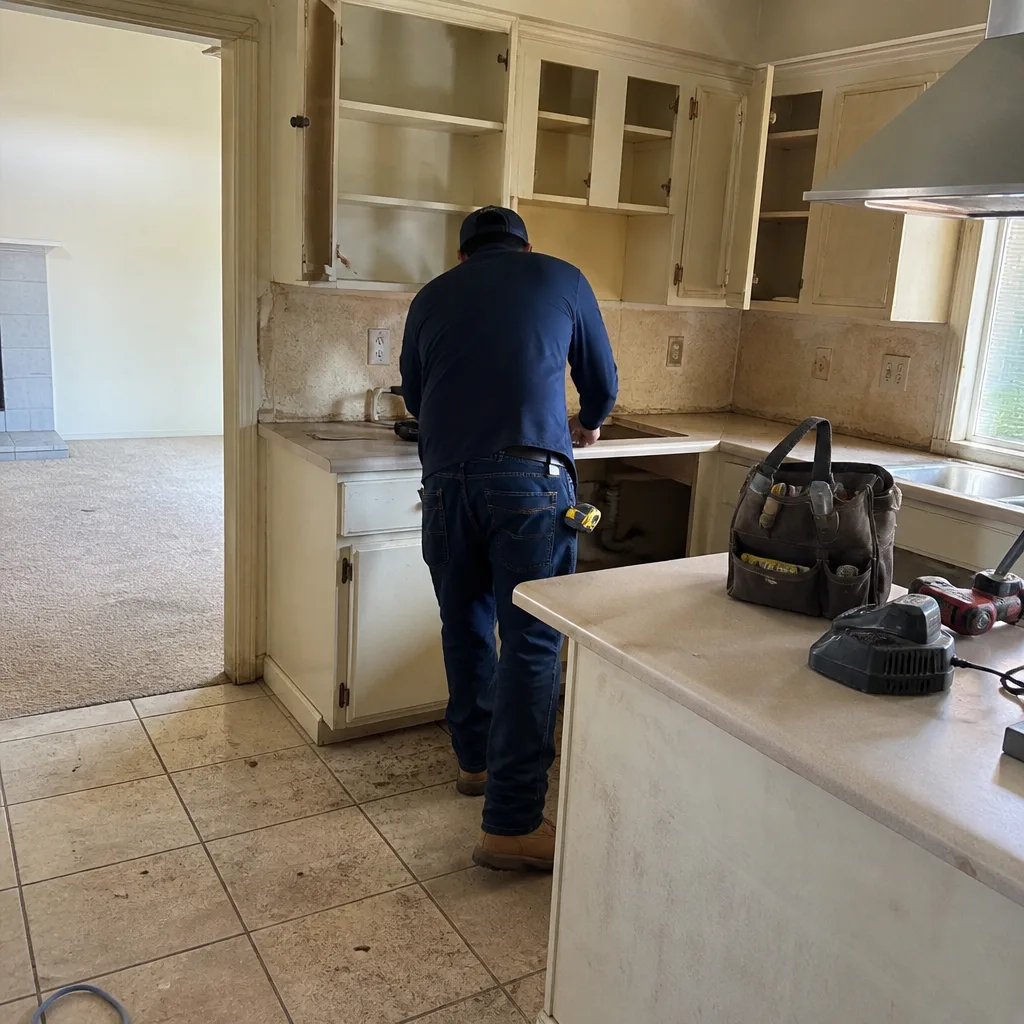 Before
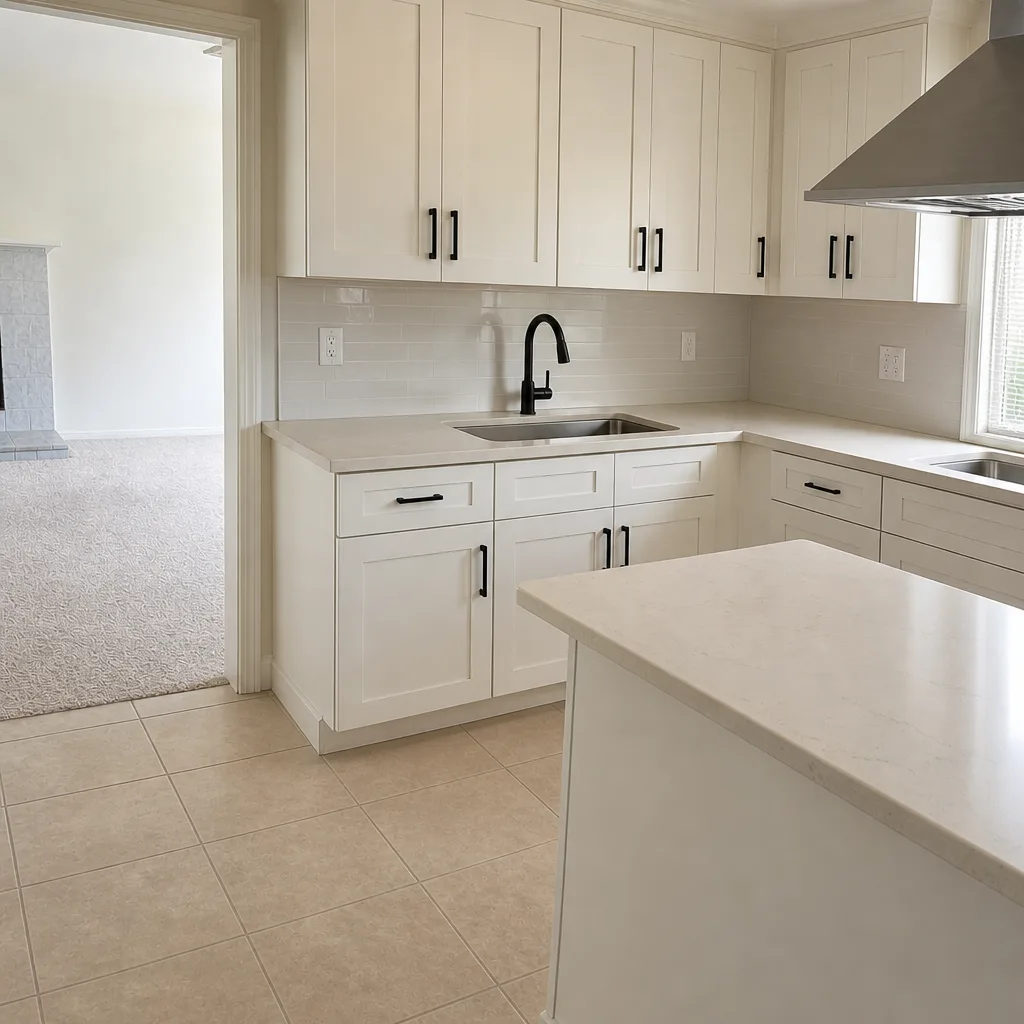 After
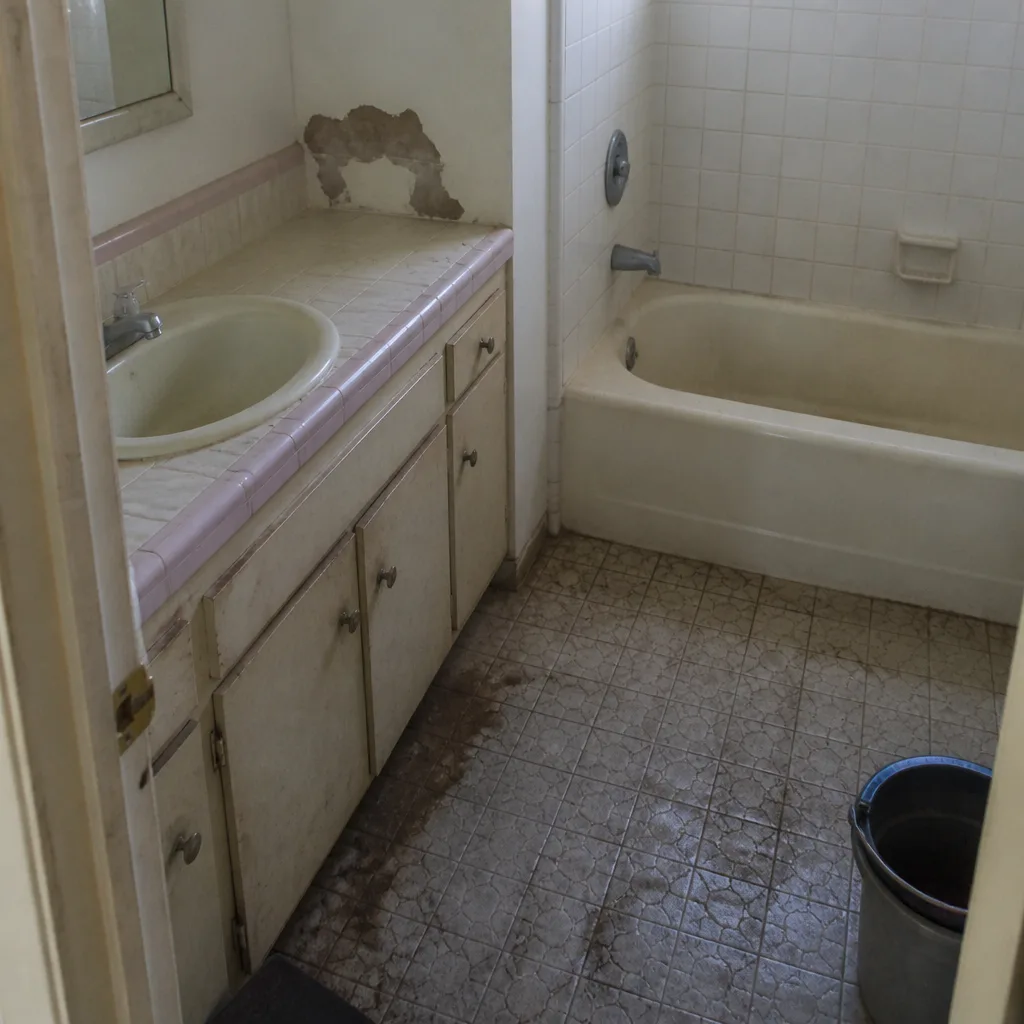 Before
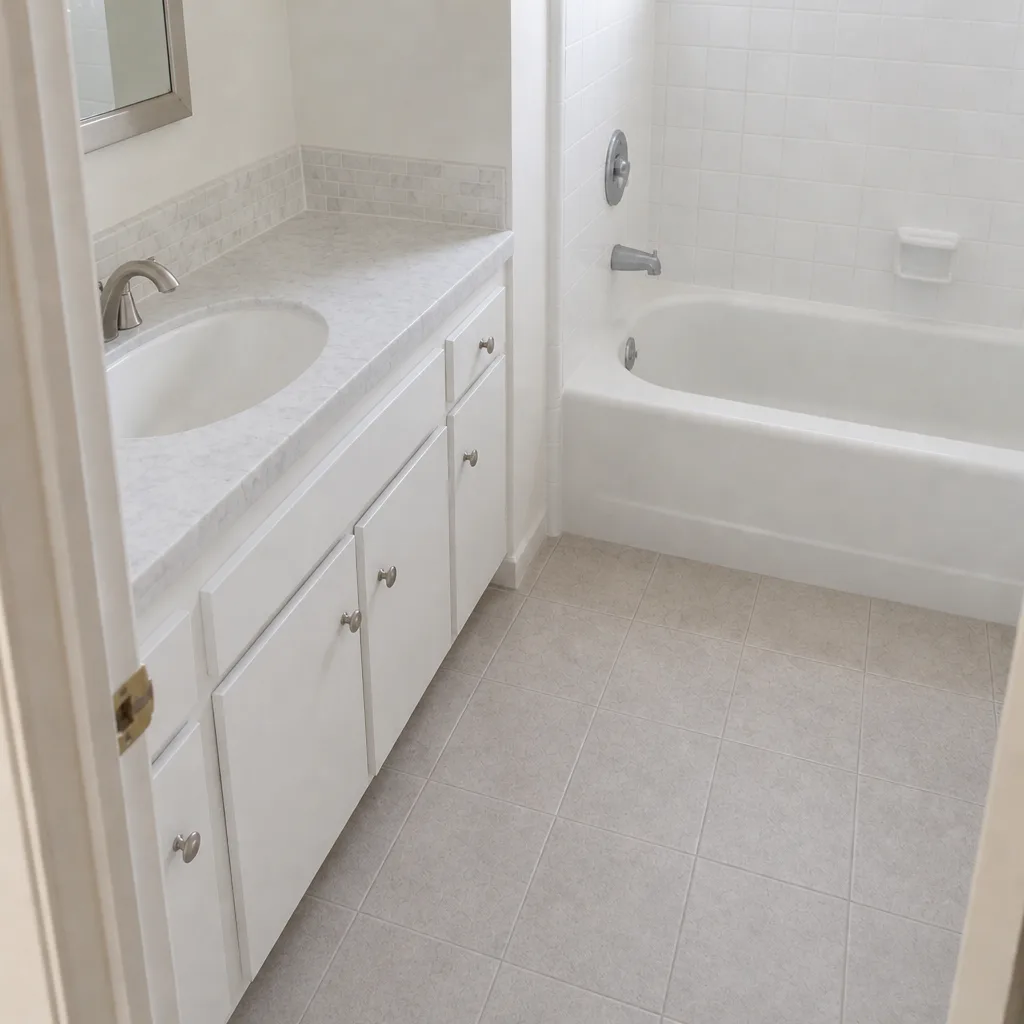 After
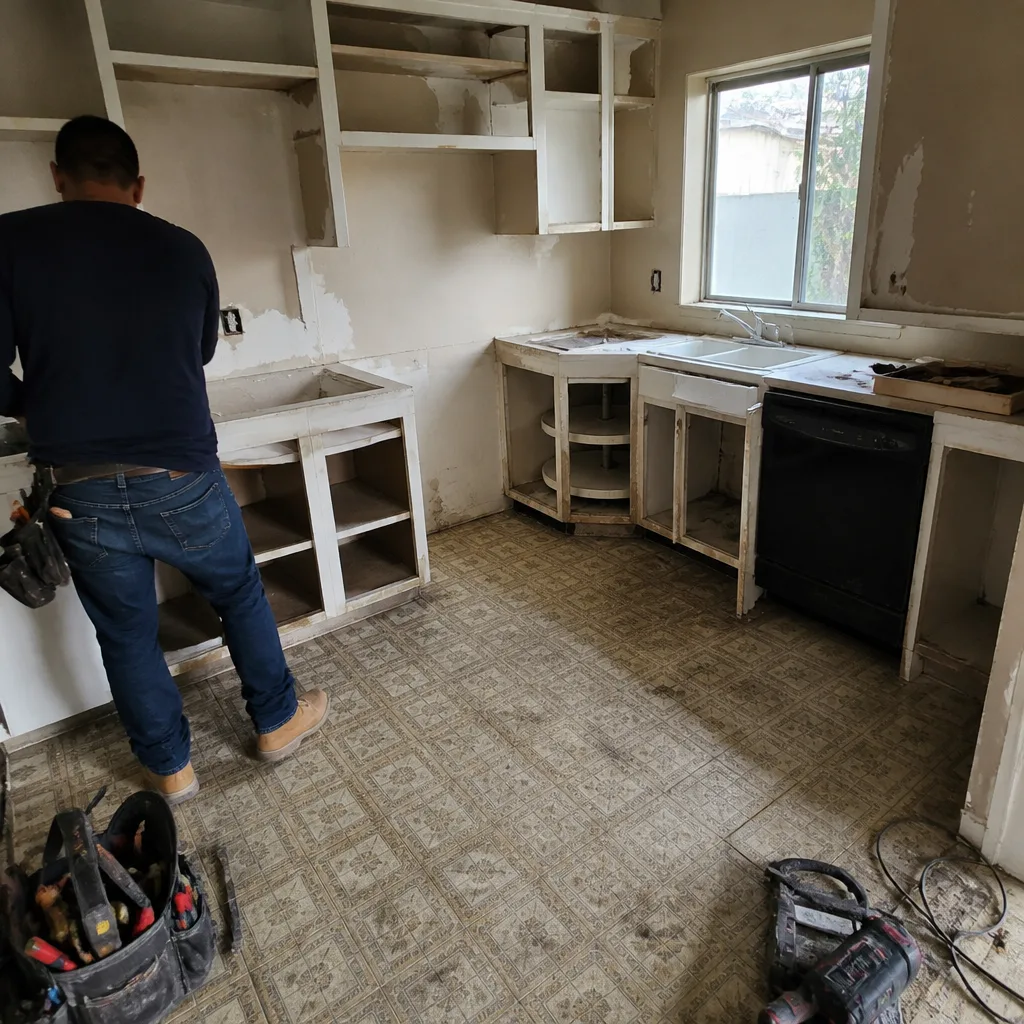 Before
 After