Last updated November 17, 2026








Free written scope consultation - allowances, timeline, and change-order rules on paper before a single trade is scheduled
DIY vs Professional Construction: The Mission Viejo Homeowner’s Decision Guide
Here’s a number that surprises most homeowners: a Mission Viejo homeowner who wires their own recessed lighting without a permit might save $800 on the electrical work and then lose $15,000 at the negotiating table when the unpermitted work surfaces on a buyer’s inspection report. California law requires that disclosure, and buyers’ agents know exactly how to use it. This guide maps the legal terrain first and the cost math second, so you can see which projects you can legally take on yourself, which ones the state requires a licensed contractor for regardless of skill, and where unpermitted work quietly voids insurance coverage in Mission Viejo.
Quick Answer
In California, homeowners can legally act as their own “owner-builder” for cosmetic and non-structural work on a home they occupy, but any project requiring a permit – electrical, plumbing, gas, structural changes – needs to be permitted, inspected, and typically involves licensed trades. In Mission Viejo, the real cost of unpermitted DIY shows up later: voided insurance claims, mandatory seller disclosures, and price concessions that dwarf whatever you saved on labor.
Styles & brands we work with
- Kitchen remodeling
- Bathroom remodeling
- Home additions & ADU
- Roofing
- Windows & doors
- Driveway & pavers
- Fence
Table of Contents
- The Legal Terrain: What California Actually Allows You to DIY
- Owner-Builder Rules: The Trades You Can and Can’t Touch
- How Unpermitted DIY Work Interacts With Your Homeowner’s Insurance
- The Seller Disclosure Obligation That Costs Real Money
- Where DIY Savings Are Real vs. Where They Vanish
- How to Scope a Hybrid Project Safely
- Permits, Inspections, and What “Passed” Actually Means
The Legal Terrain: What California Actually Allows You to DIY
California is more permissive than most states about homeowners working on their own property, but “permissive” doesn’t mean “unlimited.” Under the state’s owner-builder rules, you can pull your own permits and perform work on a home you own and will occupy – as long as the work is permitted and inspected. What you can’t do is perform work that requires a state contractor license for someone else’s property, or attempt work that the local building department treats as restricted to licensed trades.
Where DIY legally ends in Mission Viejo:
- Electrical panel work, new circuits, and rough-in wiring: These require permits and inspection. Some cities allow a homeowner to pull the permit; most work gets done by a licensed electrician because the inspection is unforgiving.
- Gas line work: Venting, piping, and appliance connections. No legitimate permit window lets a homeowner hand-thread and pressure-test gas lines.
- Structural changes: Removing a load-bearing wall, adding a beam, or altering framing. This is engineering territory, and Mission Viejo’s building department will require stamped plans from a licensed engineer or architect.
- Water heater replacement: Permitted, inspected, and typically requires a licensed plumber to sign off on seismic strapping and venting.
- Roofing over an existing structure: Permitted. Also genuinely dangerous on the steeper pitches common in the hillside neighborhoods above Lake Mission Viejo.
What homeowners legally can do without a license: painting, drywall patching, cabinet refacing, tile work (with permit if it’s a wet area being reconfigured), landscaping, minor trim carpentry, and most cosmetic surface work. The line isn’t skill. The line is permit and inspection.
Owner-Builder Rules: The Trades You Can and Can’t Touch
The phrase “owner-builder” gets thrown around loosely. In California it has a specific legal meaning: you own the property, you’ll live in it, and you’re pulling permits in your own name. That status lets you legally do work that would otherwise require a contractor license – but it doesn’t exempt you from permits, inspections, or code compliance.
Here’s the practical breakdown that most DIY videos skip:
- You can pull a permit as an owner-builder for most residential work on your primary residence, including additions, remodels, and re-piping.
- You can hire licensed subcontractors directly (electrician, plumber, HVAC) while staying the “general” – but you become legally responsible for coordinating inspections, sequencing trades, and correcting failures.
- You cannot legally act as your own contractor on a property you don’t occupy, which matters if you’re flipping or working on a rental.
- You cannot perform work that requires a specialty license – like electrical or plumbing for compensation – even if you’re technically skilled.
- You cannot skip inspection. Cities like Mission Viejo require inspection at specific phases, and unpermitted work stays unpermitted whether you did it well or not.
One piece of local context worth knowing: Mission Viejo’s older tract neighborhoods – built largely in the 1960s through the 1980s – have aluminum branch wiring and galvanized plumbing in some sections. Any electrical or plumbing DIY you’re considering needs to account for what’s actually in the walls, not what the YouTube tutorial assumed. Our technicians with up to 22 years of experience regularly find that what looked like a simple swap is a full rough-in replacement once the drywall opens.
How Unpermitted DIY Work Interacts With Your Homeowner’s Insurance
This is the section most homeowners never read. Your homeowner’s insurance policy is a contract built on the assumption that the home you insured is the home as documented – permitted, inspected, and built to code. When unpermitted work causes a loss, insurers have specific claim scenarios where coverage can be denied or reduced.
The scenarios that actually trigger problems:
- Fire from unpermitted electrical: If your DIY wiring causes a fire, the carrier investigates origin. Unpermitted work is a common basis for denying a portion of the claim or subrogating against you.
- Water damage from unpermitted plumbing: A DIY shower pan that fails and floods two rooms is a classic denial. The work wasn’t inspected, so the carrier argues the loss traces to non-compliant work.
- Structural failure from a removed wall: If a load-bearing wall comes out without engineering, the resulting sag or collapse is almost never covered.
- Mold claims: Mold coverage is already narrow. Unpermitted work behind a wet wall can eliminate what little exists.
- Liability to a guest or worker: If a friend or subcontractor is injured on unpermitted work, expect a coverage fight.
It’s not that unpermitted work is automatically excluded. It’s that unpermitted work gives your carrier a documented basis to argue – and that argument happens after a fire, while you’re displaced. Insurers care about paper because paper is how they underwrite risk.
The Seller Disclosure Obligation That Costs Real Money
Here’s where Mission Viejo homeowners find out that the $800 saved on a DIY electrical job had a very expensive interest rate. California requires sellers to disclose known material defects, including unpermitted work, on the Transfer Disclosure Statement. There’s no legal way to quietly sell a home with unpermitted improvements and pretend it doesn’t exist – and a buyer’s inspection will find almost everything.
What happens at the negotiating table:
- The buyer’s inspector finds it. Unpermitted electrical, plumbing, or structural work shows up in the inspection report nine times out of ten – especially if the underlying work doesn’t match the home’s era.
- The buyer’s agent opens with a credit request. The typical opening ask on unpermitted electrical or plumbing is the cost of a licensed tear-out and redo, plus a fudge factor for “risk.”
- Your disclosure obligation isn’t optional. Once you know it’s unpermitted, failing to disclose creates fraud exposure that far outweighs the credit.
- The negotiation gets worse with time. Every year the unpermitted work sits, the correction cost rises with code updates and material prices.
We’ve watched this play out in Mission Viejo tract neighborhoods where 30-year-old DIY bathroom additions stall a sale – the buyer’s agent comes in asking for a credit that’s 3x to 5x what a permitted remodel would have cost originally. The math on that negotiation is not close.
Where DIY Savings Are Real vs. Where They Vanish
Not every DIY project is a liability trap. Some are genuinely efficient and legal. Others eliminate their own savings through permits, corrections, and inspection failures. Here’s where the line sits in our experience:
Where DIY savings are usually real:
- Painting interior walls, trim, and ceilings – no permit, no inspection, done well or badly.
- Landscaping, irrigation, and patio installation under the permit thresholds (drainage still matters; Belgard and Unilock pavers installed over an unprepared base fail within a season).
- Cabinet refacing and hardware swaps – the cabinet boxes, doors, and drawer fronts are the value here, and a careful homeowner can absolutely install new hardware on KraftMaid or Wellborn cabinetry without a permit.
- Tile work on wall surfaces and backsplashes – no permit, and a slow careful installer can match professional results.
- Trim carpentry, baseboards, and interior door replacement.
Where the savings disappear:
- Electrical beyond fixture swaps. The correction cost of a failed inspection typically exceeds the original job by 40% to 80% once you add the re-inspection fee and the licensed redo.
- Plumbing rough-in. Everything you do gets re-inspected, and Mission Viejo’s plumbing inspections are specific about drain slope, venting, and pressure testing.
- Bathroom remodels with a moved drain or new valve. The permit and inspection cycle alone eliminates most of the DIY savings on a full bath, and the shower pan detail eliminates the rest.
- Kitchen remodels with electrical or gas changes. Rerouting a range circuit or a gas line means an inspection regardless.
- Anything structural. Engineering, permits, and inspection – none of which you can do legally yourself.
A licensed general contractor in Mission Viejo prices the permit and inspection into the job from the start, which is why the upfront number looks higher – and why the final number is what was written on paper.
How to Scope a Hybrid Project Safely
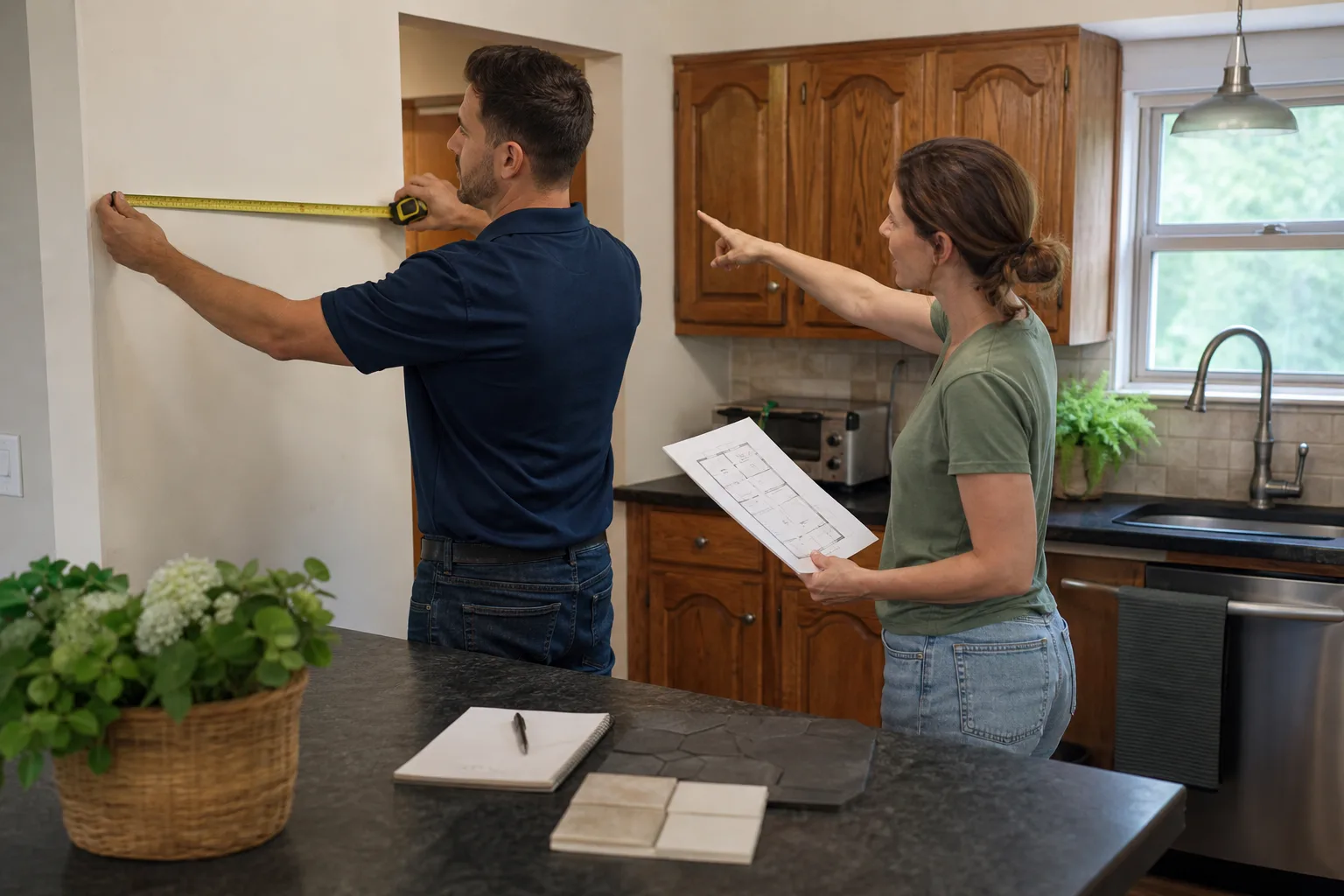
Most homeowners don’t need to pick a side. The most common scenario we price is a hybrid: the homeowner handles some phases, licensed trades handle the rest, and the project runs under one scope. Here’s how to structure it without stepping on a legal landmine.
Phases that can be owner-managed with subcontractor labor:
- Painting and finish work.
- Cabinet installation (box hanging and hardware) after a licensed installer sets the layout.
- Countertop templating and installation, coordinated with a fabricator – Caesarstone and similar quartz surfaces are installed by the fabricator’s crew, not the homeowner.
- Fixtures: swapping a Kohler or Moen faucet on existing supply lines is a fixture swap, not plumbing.
- Landscaping and hardscape finishing.
- Interior demo – which is unskilled labor, not construction.
Phases that require a general contractor license to coordinate:
- Any work that requires multiple trades under one permit, because someone legally has to sign as the responsible party and hold the schedule and inspections together.
- Additions and structural changes, because the permit names a licensed party.
- Whole-home re-piping, re-wiring, or HVAC replacement, because the sequencing and inspection schedule require coordinated trade work.
- Any project where you don’t want to hold the liability for a failed inspection.
Two practical rules for pushing a hybrid through: get every subcontractor’s scope in writing before demo starts, and confirm which permits you (as owner-builder) will pull versus which the licensed trades will. If the answer to “who pulls the permit” gets vague, stop and clarify – that’s the exact point where unpermitted work starts accumulating.
Permits, Inspections, and What “Passed” Actually Means
A permit doesn’t mean the work is good. It means the work is documented and the phases were inspected by the city. “Passed” is the minimum bar, not the ceiling. In Mission Viejo, that distinction matters for insurance, resale, and warranty – three things a homeowner cares about years after the job closes.
What a permitted job actually looks like when it closes cleanly:
- The permit is pulled in the correct legal name before any work starts.
- Trade inspections happen at each rough-in phase – framing, electrical, plumbing, and mechanical – before walls close.
- Final inspection is scheduled and signed, and the green tag stays in the homeowner’s file.
- A written scope, price, and warranty are in the homeowner’s hand, matching the permitted scope.
- The site is clean and the sign-off is documented.
When a project closes without that paper, the homeowner carries the risk indefinitely. At Bradford Remodeling Co Mission Viejo, that’s not how we work. Every project runs on The Garrison Standard – the framework that puts the price and the guarantee in writing before any work begins. Every completed job carries the 365-Day Done Right Promise: if the work fails within a full year, we come back and correct it at no charge. No change orders at the door, no verbal pricing, no surprise line items.
For a kitchen remodel in Mission Viejo that includes moving a gas range or a sink, this is the paper that lets you sleep at night. You can see how we approach that scope on our kitchen remodeling in Mission Viejo page. For a bath where you’re uncertain whether the shower pan or the valve work needs permits, the bathroom remodeling in Mission Viejo page walks through the trade specifics.
Common Mistakes to Avoid
- Assuming that “I can watch a video” means “I can legally do it in California.” The permit requirement doesn’t care about your skill level. Electrical, gas, and structural work all carry permit obligations regardless of ability.
- Pulling a permit and then failing to call for inspection at the right phase. Walls close, work is buried, and now you own a documented but uninspected job – the worst of both worlds.
- Believing unpermitted work is invisible on resale. Mission Viejo inspectors and buyer-side inspectors have seen every shortcut. The unpermitted work shows up in the report – what’s negotiable is only the credit amount.
- Treating homeowner’s insurance as a safety net regardless of code compliance. Unpermitted work gives the carrier a documented basis for denial or partial denial exactly when you need coverage most.
- Hiring an unlicensed “handyman” for permitted work. In California, an unlicensed worker doing work that requires a permit creates the same disclosure problem you’d have from doing it yourself – with less recourse when it fails.
- Skipping the written scope in a hybrid project. When the homeowner is coordinating three subcontractors on one project, the scope has to be written. Verbally coordinated work is how the plumbing and electrical trades end up stepping on each other.
- Ignoring the age of the underlying systems. Rewiring a 1965 Mission Viejo ranch home without addressing the aluminum branch circuits isn’t a remodel – it’s a latent insurance claim.
See the difference
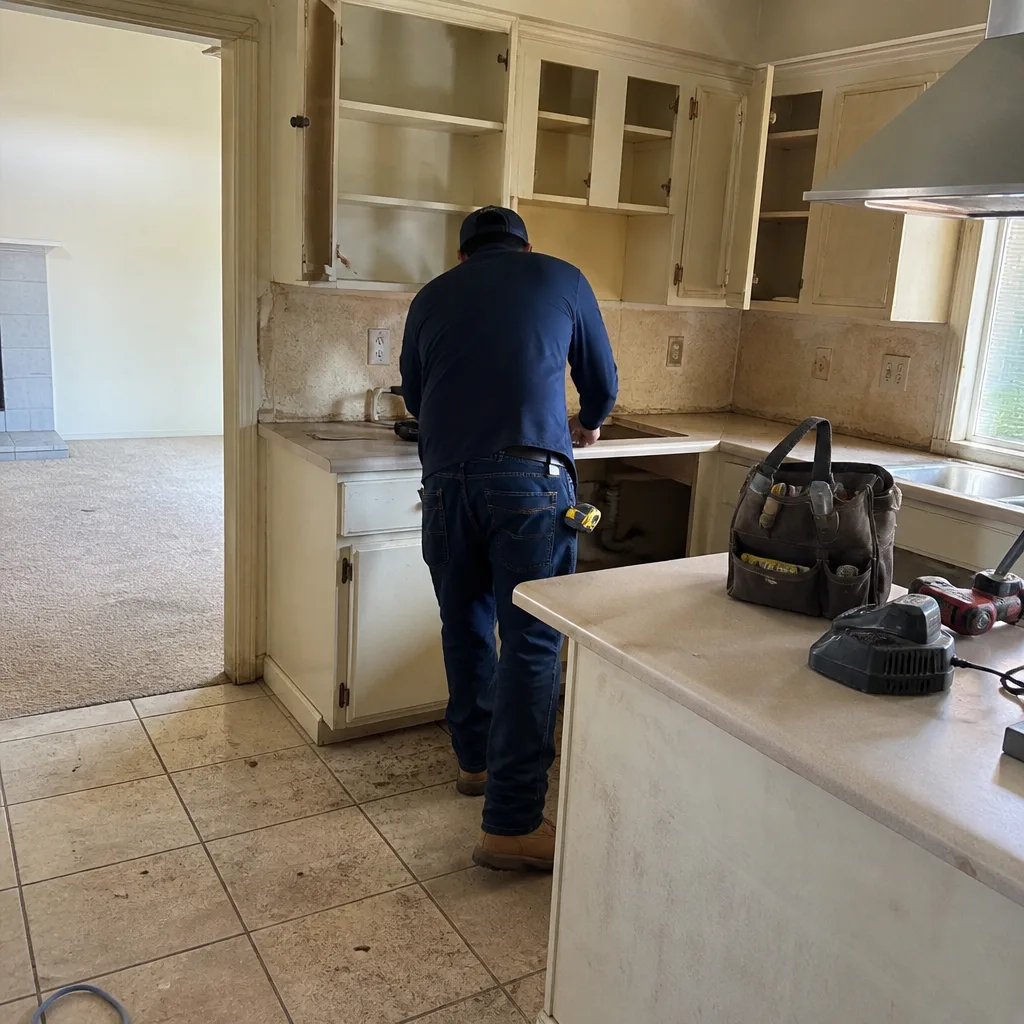 Before
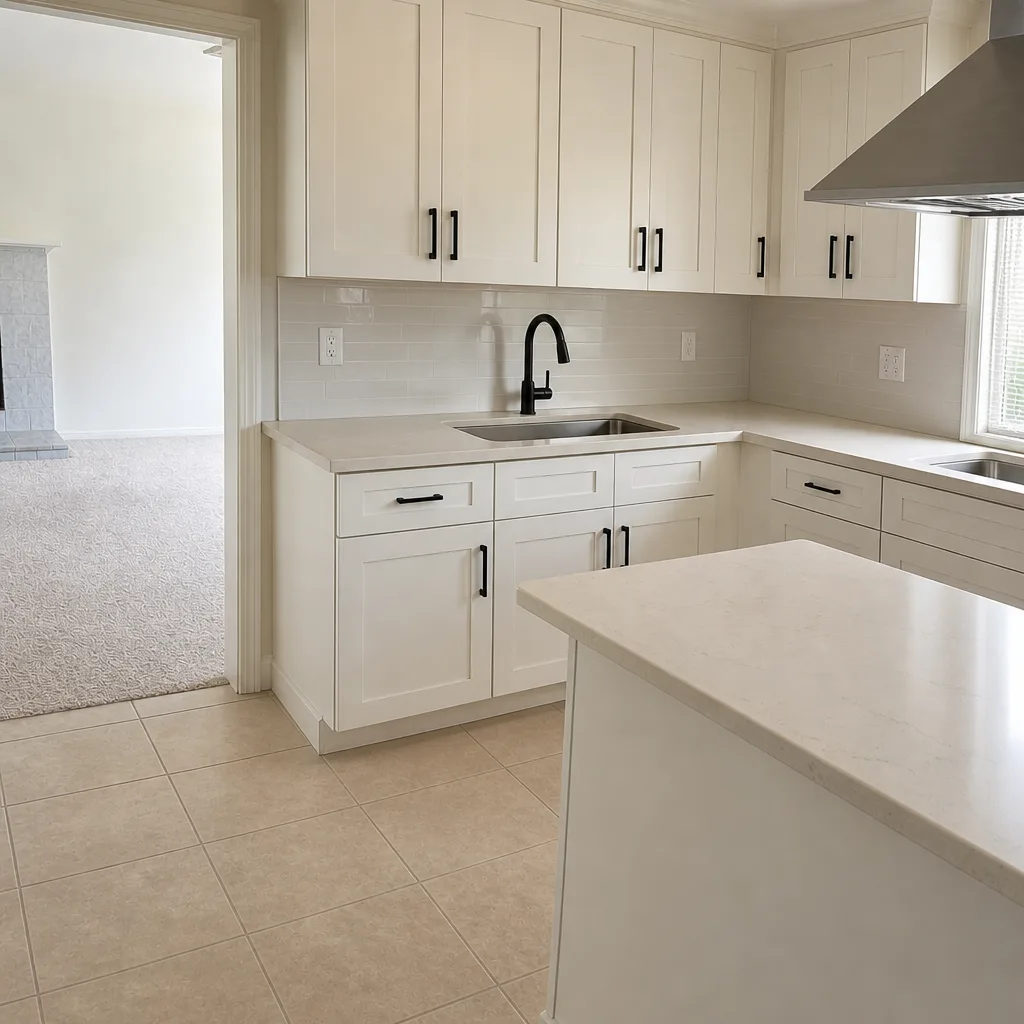 After
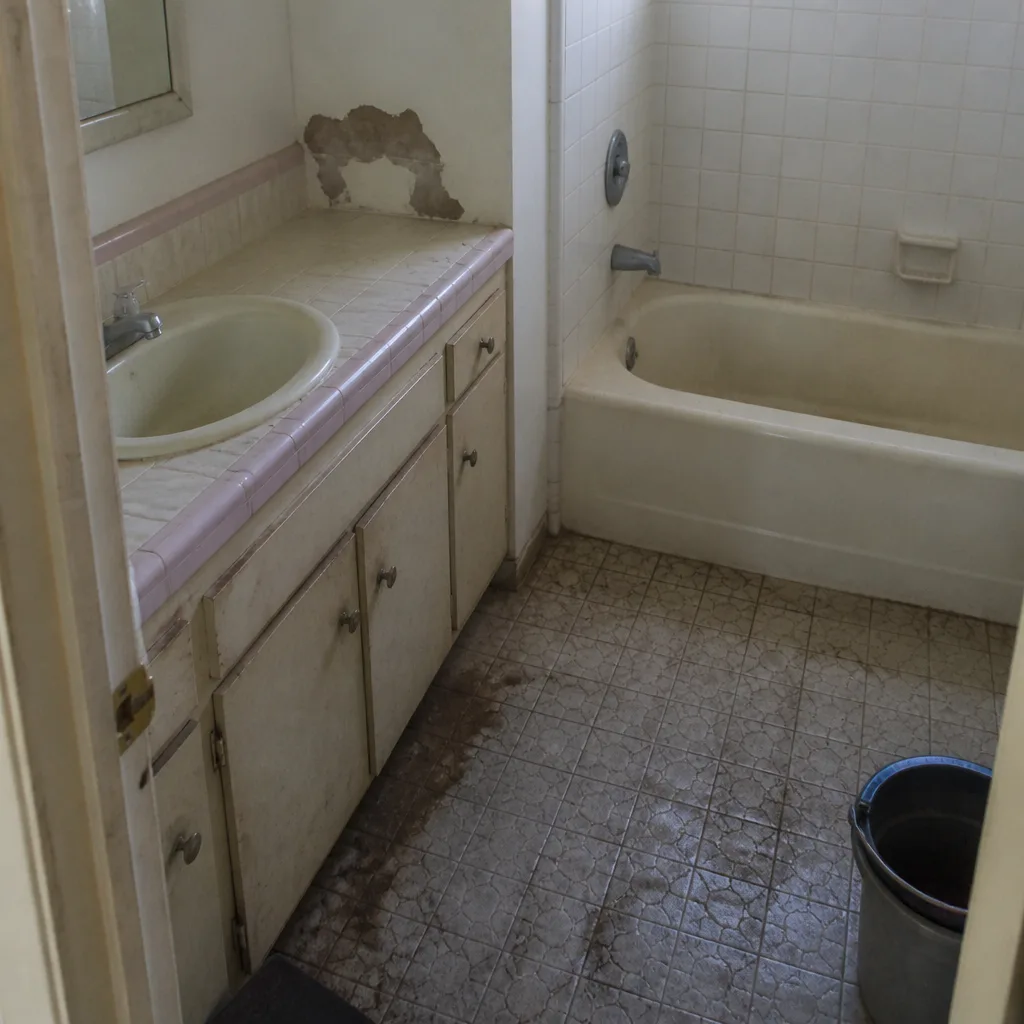 Before
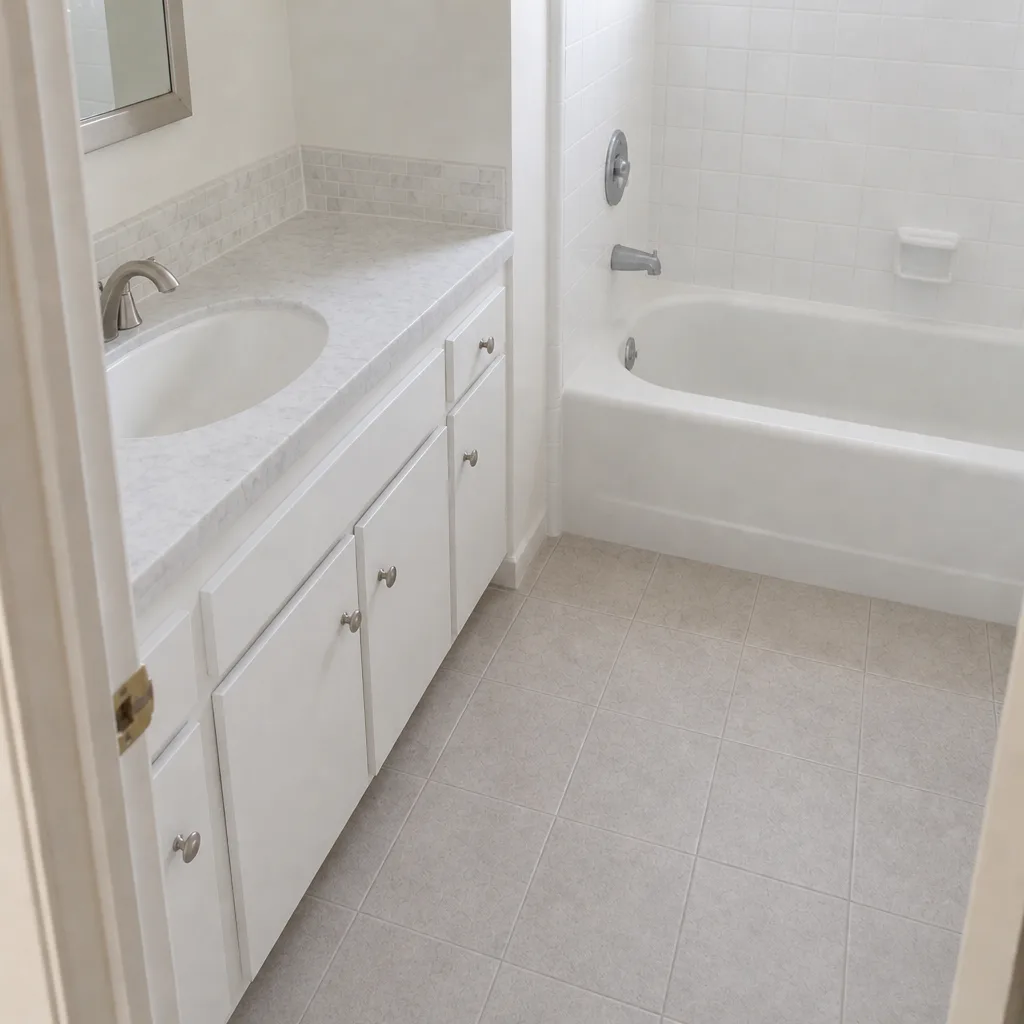 After
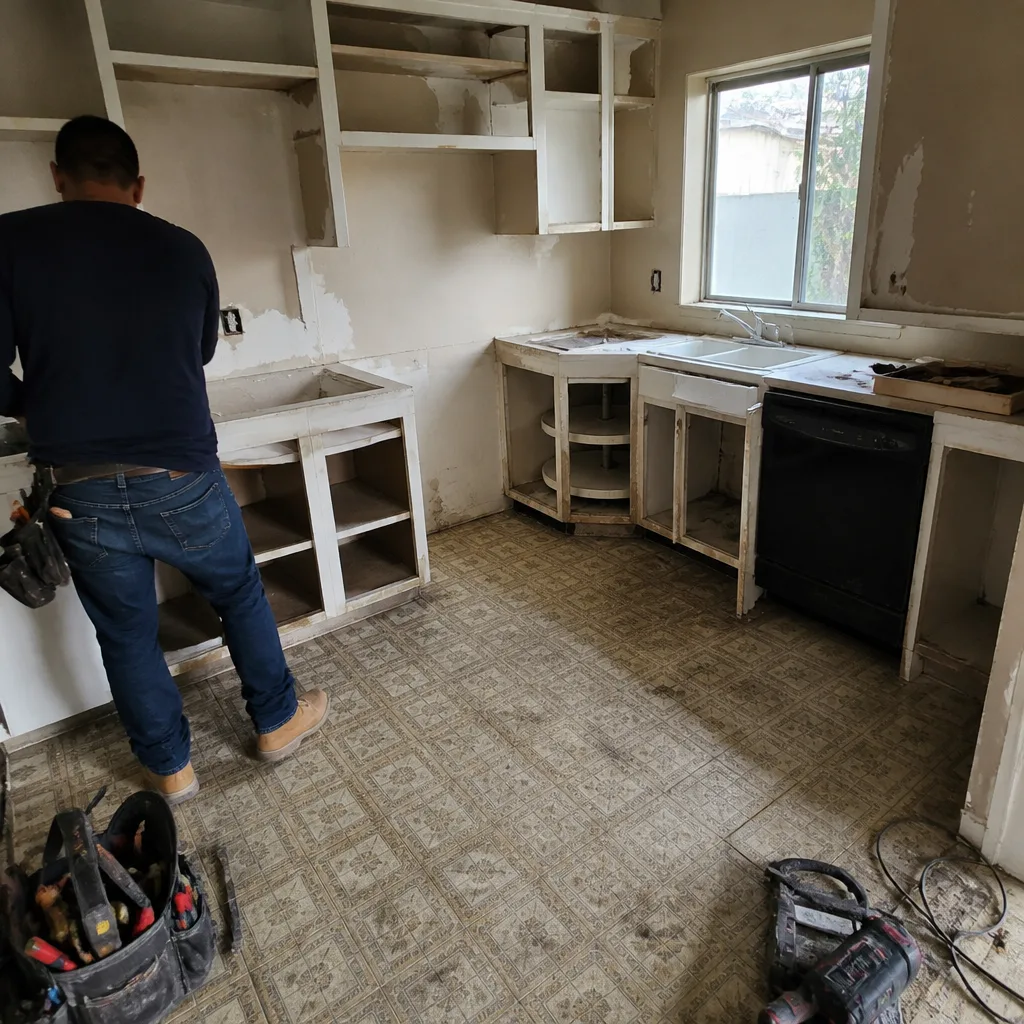 Before
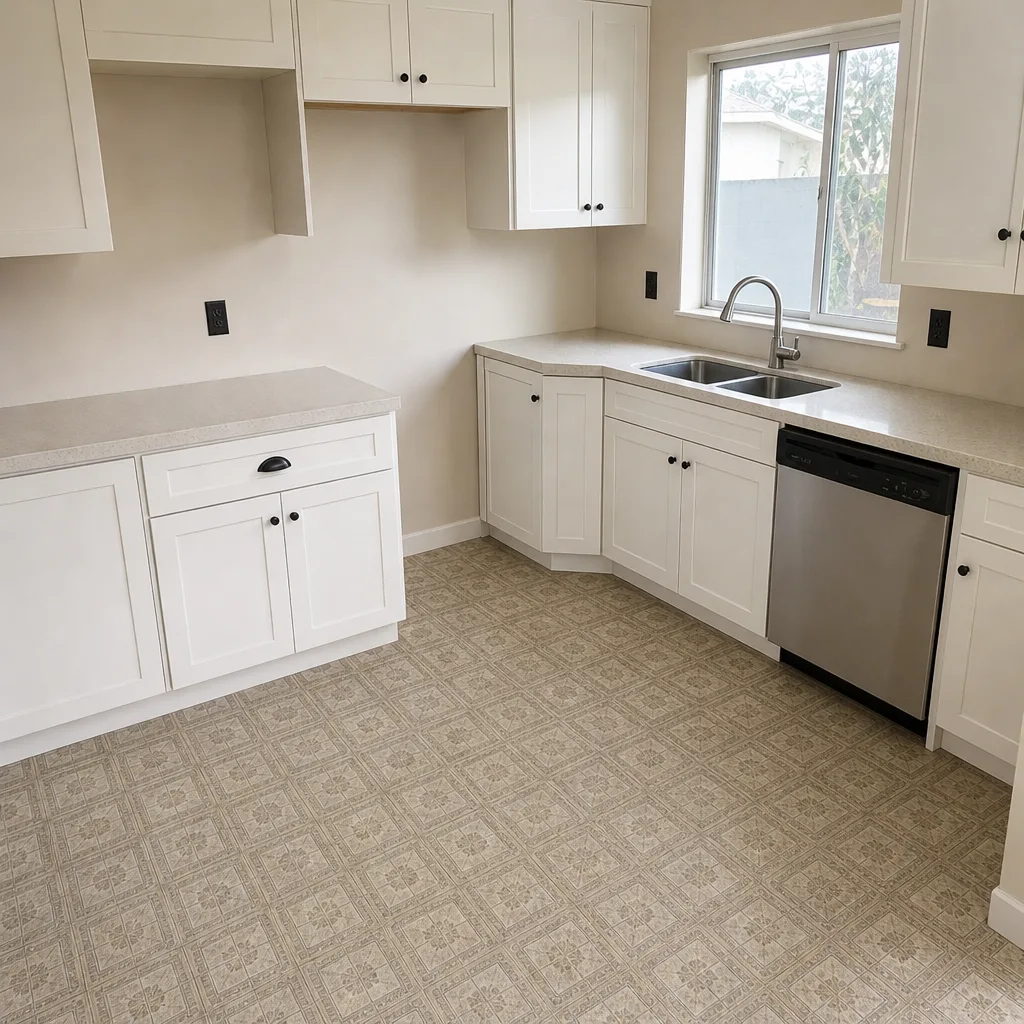 After
When to Call a Professional
Call a licensed professional when the work requires a permit, involves electrical, plumbing, gas, or structural changes, or when the project spans multiple trades under one scope. Call also when the scope is unclear – a bathroom that “just needs a new shower” frequently turns into a permit-required plumbing rebuild once the wall opens. The DIY-versus-professional decision stops being a cost question the moment unpermitted work becomes a disclosure obligation. Bradford Remodeling Co Mission Viejo offers free estimates in Mission Viejo – call (833) 734-2429. Written price before work starts, on every job.
Frequently Asked Questions

Some light fixture swaps don’t require a permit, but new circuits, panel work, and rough-in wiring all require permits and inspection. Whether the city lets you pull the permit as an owner-builder is one question; whether your homeowner’s insurance will cover a related fire claim is a much bigger one.
California requires disclosure of known material defects, including unpermitted work, on the Transfer Disclosure Statement. Buyers’ inspectors find unpermitted work reliably, and buyer’s agents typically negotiate a credit that exceeds what a permitted scope would have cost. Disclosing is not optional once you know.
Not automatically, but it creates specific claim scenarios where coverage can be denied or reduced – fire from unpermitted wiring, water damage from unpermitted plumbing, and structural failure from an unauthorized wall removal. The insurer’s argument is documented code non-compliance, and it happens at claim time when you’re already displaced.
Painting, landscaping, tile work on non-wet surfaces, trim carpentry, cabinet refacing, and hardware swaps are all legal to do without permits and don’t carry insurance or disclosure risk. Electrical and plumbing rough-ins, bathrooms with a moved drain, kitchens with gas or circuit changes, and any structural work eliminate the DIY savings once permits and corrections are priced.
You can pull a permit as an owner-builder on a home you occupy, and you can hire licensed subcontractors directly. What you’re taking on is the legal and scheduling responsibility for inspections, sequencing, and correcting failed work – which is exactly the job the license exists for. The savings vs. the risk depend on how well you can run inspections.
Yes. Permits are pulled in the correct legal name before work starts, and inspections are scheduled and documented through final sign-off. Every scope is priced in writing before any work begins, and the finished project carries the 365-Day Done Right Promise – if the work doesn’t hold within a year, we come back and correct it at no charge. Call (833) 734-2429 for a free estimate.
The Bottom Line
The DIY-versus-professional question in Mission Viejo is a legal and liability decision before it’s a cost decision. California’s owner-builder rules let you do more than most homeowners realize, but they don’t exempt you from permits, inspections, or the disclosure obligation at resale – and they don’t override your homeowner’s insurance contract. Cosmetic work is genuinely DIY-friendly. Electrical, plumbing, gas, and structural work carries a correction cost and a resale cost that erase whatever you saved on labor. Get the permit on the record, get the price in writing, and get the warranty in hand.
Call Bradford Remodeling Co Mission Viejo at (833) 734-2429 for a free estimate. Every project we take on runs on The Garrison Standard – written price, documented scope, and the 365-Day Done Right Promise on the finished work. Start from our Bradford Remodeling Co Mission Viejo home page to see our core services.
Written by the team at Bradford Remodeling Co Mission Viejo.