Last updated November 17, 2026





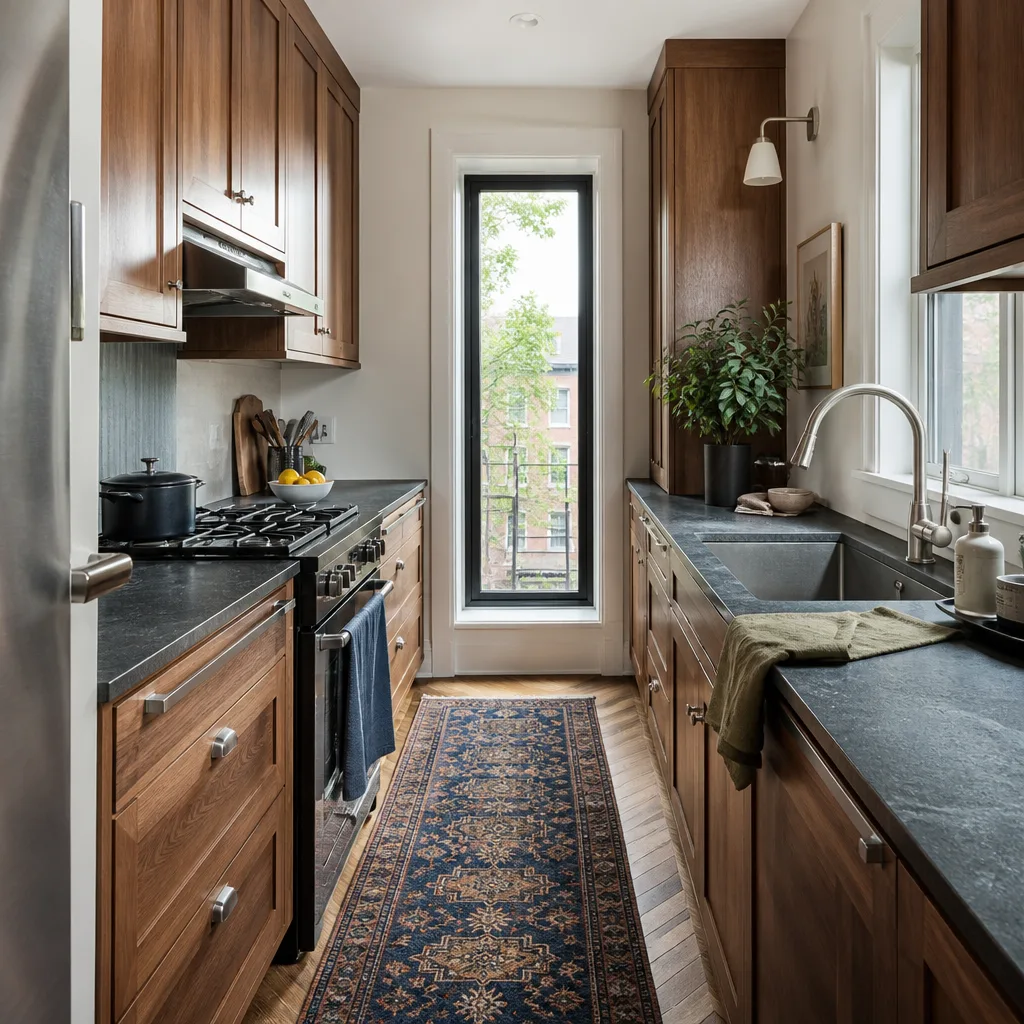

Free written scope consultation - allowances, timeline, and change-order rules on paper before a single trade is scheduled
DIY vs Professional General Contractor: What’s Safe to Do Yourself
In California, a homeowner who self-performs structural work and later sells the house must disclose it on a transfer disclosure statement, and a buyer’s inspector who flags unpermitted framing can kill escrow in Mission Viejo’s $900K+ market. That single fact reframes the whole DIY conversation. The real question isn’t whether you can swing a hammer. It’s whether the work creates permit exposure, voids a clause in your insurance policy, or follows you to the closing table years later. This guide draws the line by legal consequence, not by difficulty, and shows you exactly where DIY is genuinely safe, where it’s a gamble you shouldn’t take, and how a licensed general contractor fits when the stakes are real.
Quick Answer
In California, you can safely and legally handle cosmetic and finish work yourself: painting, cabinet hardware, non-structural demolition, landscaping, and trim. Anything that touches permit-required systems (electrical panels, gas lines, load-bearing walls, plumbing rough-in) creates uninsurable risk and a resale disclosure obligation, no matter how skilled you are. The dividing line is permit exposure and liability, not whether you think you can do it.
Styles & brands we work with
- Kitchen remodeling
- Bathroom remodeling
- Home additions & ADU
- Roofing
- Windows & doors
- Driveway & pavers
- Fence
Table of Contents
- California’s Owner-Builder Exemption: What It Actually Permits
- How DIY Work Affects Your Homeowner’s Insurance
- The Trades You Should Never DIY: Electrical, Gas, and Structural
- Where DIY Is Genuinely Safe and Cost-Effective
- How Mission Viejo HOAs Treat Unpermitted Work
- The Resale and Refinance Trap
- A Step-by-Step Decision Framework
- What a Professional General Contractor Actually Brings
California’s Owner-Builder Exemption: What It Actually Permits
California allows homeowners to pull permits and perform work on their own primary residence under what’s called the owner-builder exemption. It’s real, it’s legal, and it comes with strings most people don’t read. The exemption lets you act as your own contractor for a single-family home you intend to occupy. It does not let you build for someone else, flip a house with it, or hire unlicensed helpers to do the permitted scope while you take the credit.
Here’s what the exemption actually permits, in plain terms:
- You can pull the permit in your own name for work on your primary residence, provided you occupy it for at least a year after completion.
- You can perform the work yourself or hire licensed subcontractors, but you remain the responsible party for code compliance and inspections.
- You accept the liability that would normally sit with a licensed contractor. If a worker is injured on your owner-builder job, workers’ compensation obligations can fall on you, not a general contractor’s policy.
- You must disclose on the transfer disclosure statement when you sell that the work was owner-performed and permitted (or not).
In our experience across Mission Viejo, the disclosure obligation is where this gets expensive. A buyer’s inspector finds unpermitted framing or a panel swap, the appraiser flags it, and suddenly you’re negotiating against your own escrow timeline. Lenders during refinance can also require proof of permitted work or a retroactive permit before they’ll fund. The exemption is a tool, but it shifts the entire risk stack onto you.
How DIY Work Affects Your Homeowner’s Insurance
Most homeowners never read the construction exclusion buried in their dwelling policy. Standard HO-3 policies often exclude damage arising from “construction” or work in progress, and the definition can be broad enough to void coverage during active remodeling. If your kitchen floods because a DIY plumbing connection failed mid-project, the adjuster may treat it as a construction defect rather than a covered peril. That’s a fight you don’t want.
Two coverage mechanics matter most:
- Dwelling coverage suspension during active work. Many policies reduce or suspend coverage while the home is under construction above a certain dollar threshold. You’re exposed for fire, water, and theft during the exact window when the house is most vulnerable.
- Builder’s risk coverage. This is the gap-filler. It’s a separate policy that covers the structure during renovation, and it typically runs a few hundred dollars to well over a thousand depending on scope and value. For a kitchen or addition, it’s often required by lenders and worth the line item.
Error and omission exclusions also matter. If unpermitted electrical work causes a fire, the carrier can investigate the permit history, find none, and deny the claim on the basis of unpermitted work. Skill doesn’t enter into it. In Mission Viejo, where a lot of housing stock went up in the 1970s and 1980s and has been touched by multiple owners since, an unpermitted panel change from a previous decade can surface in exactly this way during a claim.
The Trades You Should Never DIY: Electrical, Gas, and Structural
Some work is dangerous on its own terms. Service panel work carries live voltage that will kill you before you finish the thought. Gas line extensions can leak silently and turn a furnace igniter into an ignition source. Load-bearing modifications can drop a ceiling on your family while you sleep. These are the scopes where DIY creates uninsurable risk regardless of skill, and where the safety caveat isn’t a legal formality.
The short list of never-DIY scopes:
- Electrical service panels and new circuits. Panel swaps and new branch circuits require permits, inspection, and a licensed electrician. Amperage mistakes and undersized conductors cause fires downstream.
- Gas line work. Any extension, re-route, or appliance connection beyond a standard flex connector is licensed-plumber territory. Leak testing requires a manometer and a permit.
- Load-bearing wall removal or modification. Even if you “know” a wall isn’t bearing, a structural engineer or the building department has to confirm it. Headers, posts, and beam sizing are engineering, not carpentry judgment.
- Roof structural repairs and fascia replacement above the soffit line, where water intrusion and load transfer overlap.
- Water heater replacement in California now requires a permit and a seismic strap installation. Expansion tanks and pressure-relief routing are code items, not optional.
We’ve seen a Mission Viejo homeowner try to swap a 100-amp panel to 200-amp themselves to support a new EV charger. The permit history tripwire that follows is manageable. The arc flash risk isn’t. When in doubt, that’s a call for a professional who carries the license and the insurance – and if you’re laying out a bigger project, our general contractor team in Mission Viejo will walk the scope with you before anyone touches a breaker.
Where DIY Is Genuinely Safe and Cost-Effective
Plenty of real work is safe to do yourself and the labor savings are meaningful. The scopes below don’t touch permit-required systems, don’t alter structure, and don’t create resale disclosure problems. They’re also where a homeowner’s finish taste matters more than technical skill.
Safe DIY scopes in Mission Viejo homes:
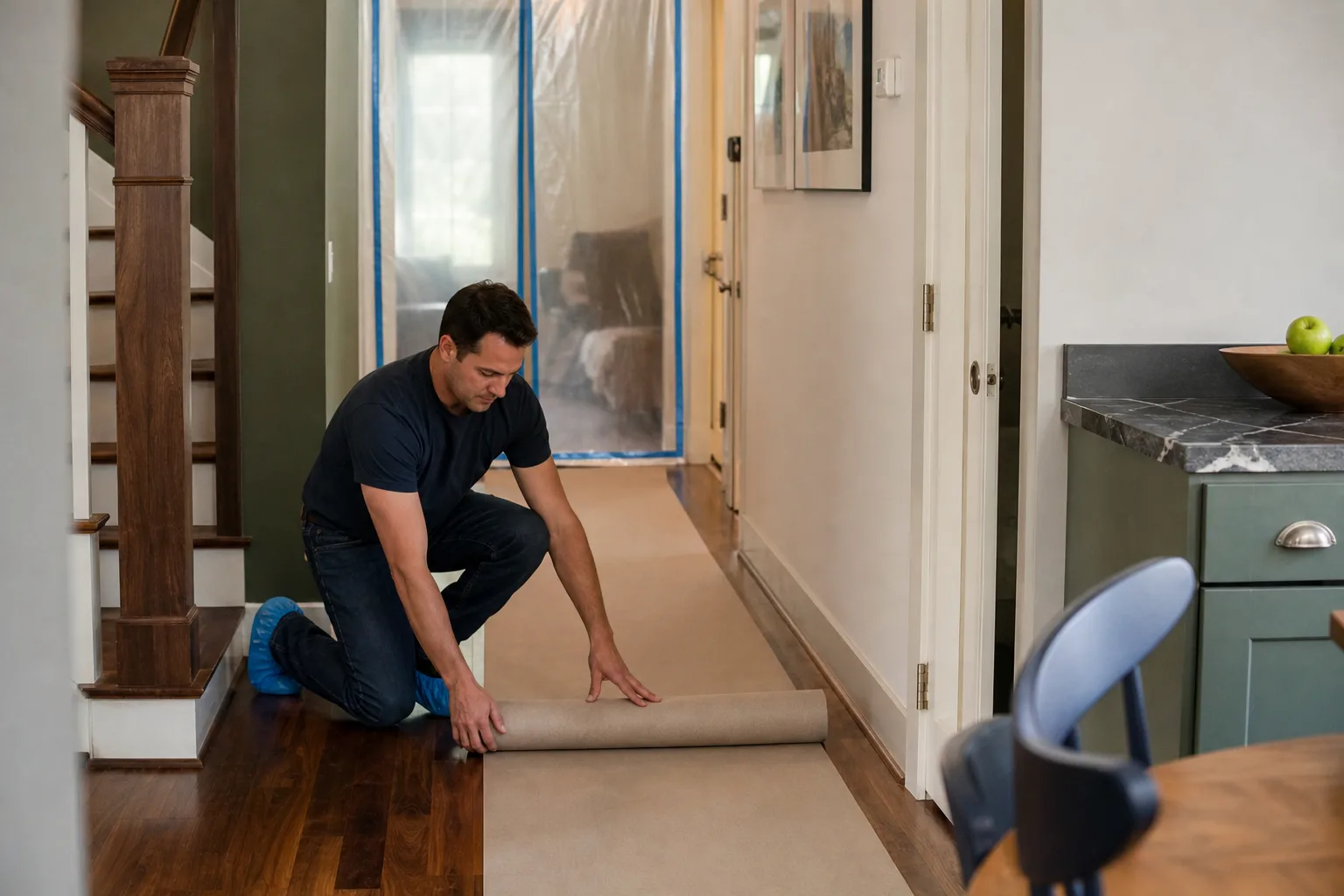
- Interior painting. Prep and coat. The only rule is proper masking of floors and adjacent surfaces, and low-VOC paint in older homes with kids or sensitive occupants.
- Cabinet hardware. Knobs, pulls, and hinges. Small drill, a template, and patience. Ten minutes per door.
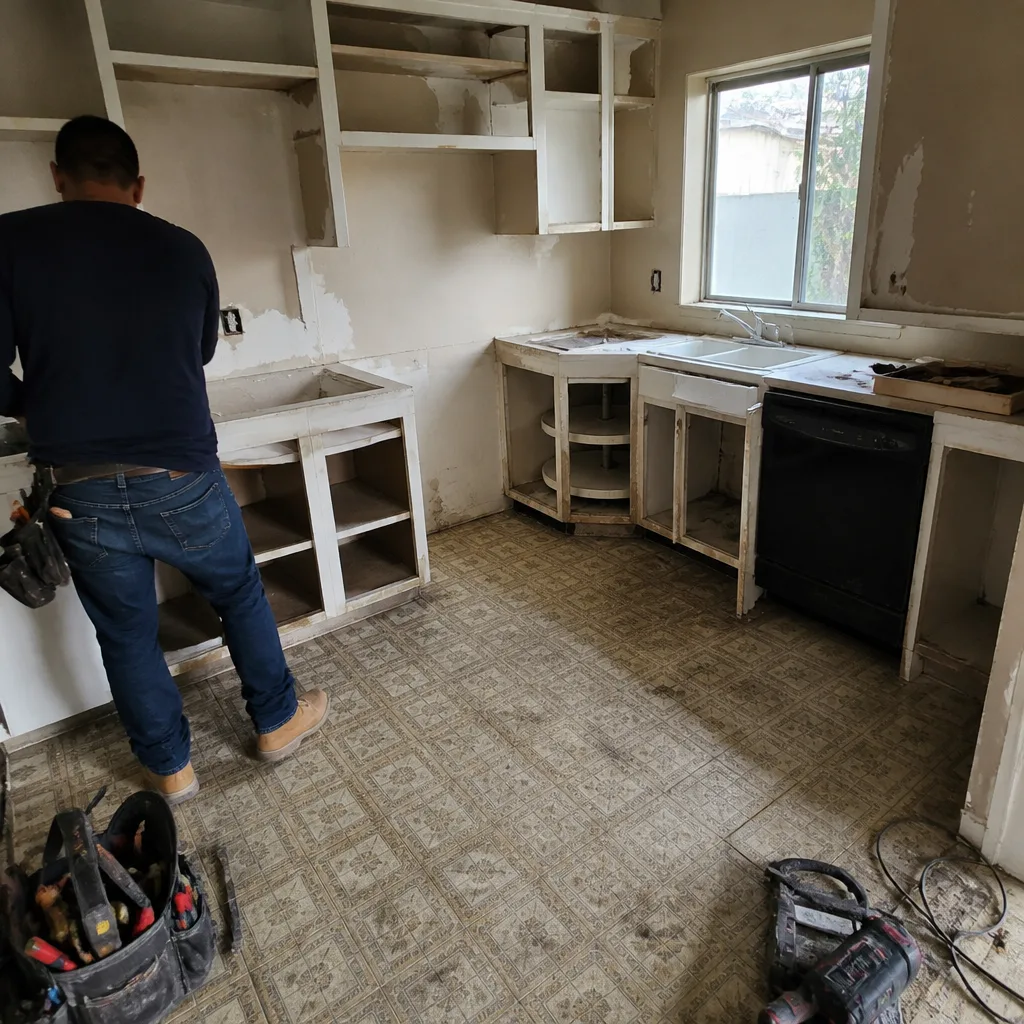
- Non-structural demolition. Pulling old carpet, tearing out a non-bearing closet, removing a dated vanity. Get the permit history straight on anything you’re opening up.
- Landscaping and hardscape touch-ups. Mulch, plantings, drip line repair. Retaining walls above a certain height require a permit, so keep it short.
- Trim, caulk, and paint-grade finish work. Baseboard replacement, casing touch-ups, and door slab swaps that don’t change the rough opening.
- Tile backsplash in a kitchen where it’s cosmetic only and no electrical or plumbing is being moved.
We see homeowners in Mission Viejo save real money on painting and hardware before a kitchen pass, then hire licensed trades for the layout work. If you’re tagging cabinetry or surfaces in that same project, our kitchen remodeling team in Mission Viejo can spec cabinets in KraftMaid or Wellborn and surfaces in Cambria or Silestone with a written price before any cabinet comes off the wall. The finish palette you select is often where DIY taste and professional install meet.
How Mission Viejo HOAs Treat Unpermitted Work
Mission Viejo has a substantial number of HOA-governed tracts, and architectural review committees treat owner-performed work differently than licensed contractor work. Not always fairly, but consistently. When a contractor pulls the permit and submits the plans, the HOA has a paper trail: the licensed general contractor’s name, insurance, and the city inspection record. When a homeowner self-performs under the owner-builder exemption, the committee has to decide whether to accept that indemnity or send the file to legal review.
What we’ve seen during architectural review in Mission Viejo:
- Exterior modifications (fences, patio covers, paint color, hardscape in view of the street) need HOA approval before a permit is even issued. Unpermitted work discovered during review can trigger a stop-work order and a fine schedule.
- Committees often ask for a licensed contractor’s scope letter on any non-trivial project. The owner-builder path answers that with the homeowner’s own indemnity, which some boards accept and some reject.
- Pergolas, patio covers, and any built structure typically need both HOA approval and a city permit. Missing either one creates a two-front problem: city code enforcement plus HOA violation letters.
- HOA approval documents attach to the property file, not the owner. That means when you sell, the buyer’s review pulls the file, and unpermitted owner work from a prior decade surfaces as a repair credit negotiation.
The practical takeaway: read your CC&Rs before you plan anything exterior, and if you’re going to self-perform, get the HOA’s written sign-off on the scope before the first tool comes out.
The Resale and Refinance Trap
The disclosure and lender side is where a homeowner’s DIY decision can cost more than the entire project ever saved. On a Mission Viejo house in the $900K+ range, a 5% escrow-price reduction from an unpermitted-framing discovery runs into the tens of thousands. That’s not a theoretical risk. That’s the actual negotiating floor buyers reach for.
Two pressure points:
- Transfer disclosure statement (TDS). California requires sellers to disclose known material facts, including unpermitted work and any owner-builder permitted work. Buyers’ inspectors compare the disclosed history to the city permit record. A mismatch is a red flag.
- Refinance appraisal and lender underwriting. Appraisers flag unpermitted additions. Lenders can require a retroactive permit, an engineer’s letter, or a repair escrow holdback before clearing the loan. In a refinance, that can stall or kill the loan at exactly the wrong moment.
The mitigation is straightforward and unflashy: pull the permit, get the inspection record, keep the documentation. When a licensed contractor runs the scope, the permit trail exists before you need it, and the 365-Day Done Right Promise means a real guarantee sits behind the work when you eventually list. That’s a document set you’ll hand to a buyer, not a liability.
A Step-by-Step Decision Framework
Here’s the framework we walk homeowners through when they’re deciding whether to grab the sledgehammer or call us. It’s the same set of questions a contractor asks before scoping any project, and it works whether you hire out or not.
- Does the scope touch a permit-required system? Permits are the first cut. Electrical, plumbing, gas, structural, and any new square footage require permits in Mission Viejo. If the answer is yes, plan a licensed path.
- Will it change the structure or the envelope? Anything that alters framing, roofing, or exterior envelope needs engineering judgment, inspection, and a paper trail for insurance and resale.
- Can you document what you did? Photos, receipts, permits, inspection cards. If you can’t build a file, you’re building a liability.
- Can your homeowner’s policy tolerate the project window? Check the construction exclusion before demolition starts. If it matters, budget for builder’s risk.
- Will your HOA accept owner-performed work? Read the CC&Rs and, if exterior, get written approval before day one.
- Are you comfortable with the liability transfer? Workers on an owner-builder job are your responsibility for injury coverage. A licensed general contractor’s scope shifts that exposure.
- Compare the total cost, not just labor savings. Include tool rental, permit fees, waste disposal, and the resale discount if a buyer flags the scope.
Run through those seven questions and the DIY decision usually resolves itself. Cosmetic scopes pass the filter clean. Structural or electro-mechanical scopes fail it, every time.
What a Professional General Contractor Actually Brings
The conversation about DIY often skips what a licensed contractor actually delivers, which is not “better craftsmanship” – it’s paperwork, insurance, and a guarantee that survives past the final walk-through. A real general contractor carries the license that lets them pull the permit, the liability and workers’ comp coverage that keeps you off the hook, and a scope document that answers the HOA and the appraiser in one file.
At Bradford Remodeling Co Mission Viejo, the roofline of that value is The Garrison Standard, and it’s built on three things you can put your hands on:
- A written price before any work starts. No numbers that move at the door. Every scope – bathroom remodeling through whole-home – gets a line-item written quote you can compare against any other bid.
- The 365-Day Done Right Promise. Every completed project carries a full-year written guarantee. If it fails inside the window, we come back and correct it at no charge. That’s a document in your hand at close, not a verbal promise.
- Background-checked, uniformed technicians on every job. Identity and conduct standards set at the Garrison Partners level, so you know who’s walking through the door before the crew arrives.
Materials are documented too. KraftMaid and Wellborn cabinetry, Cambria and Caesarstone surfaces, Kohler and Moen fixtures, GAF and James Hardie exteriors, Therma-Tru doors, Belgard hardscaping. By the book, on paper, with manufacturer warranties that back our own. If you’re figuring out where DIY stops and a licensed scope begins, start with the Bradford Remodeling Co Mission Viejo home page or the general contractor overview.
Common Mistakes to Avoid
- Assuming “I’ve done it before” clears the legal bar. Experience doesn’t change permit exposure or insurance exclusions. The legal consequence is identical whether you’re a first-timer or a 20-year tradesperson doing it on the side.
- Skipping the HOA approval before the permit. Mission Viejo architectural committees can issue stop-work orders that cost more than the project. Get written HOA sign-off, then pull the permit.
- Not budgeting builder’s risk on the insurance. Standard policies often suspend dwelling coverage during active construction. The gap is where the flood or fire claim goes to die.
- Forgetting the transfer disclosure statement at sale. Buyer inspectors compare disclosed history to the city permit record. A mismatch kills escrow in the $900K+ range faster than a termite report.
- Hiring unlicensed helpers under an owner-builder permit. The exemption doesn’t cover paying unlicensed labor on the permitted scope. You inherit the liability, not the licensing shield.
- Treating a panel or gas line as “close enough.” These are the two scopes where a DIY error turns a home insurance claim into a denied claim and a fire investigation. Licensed only.
- Comparing DIY labor savings to a contractor’s total price instead of their line-item scope. Add tool rental, permit fees, disposal, and the resale discount to the “DIY number” before you decide.
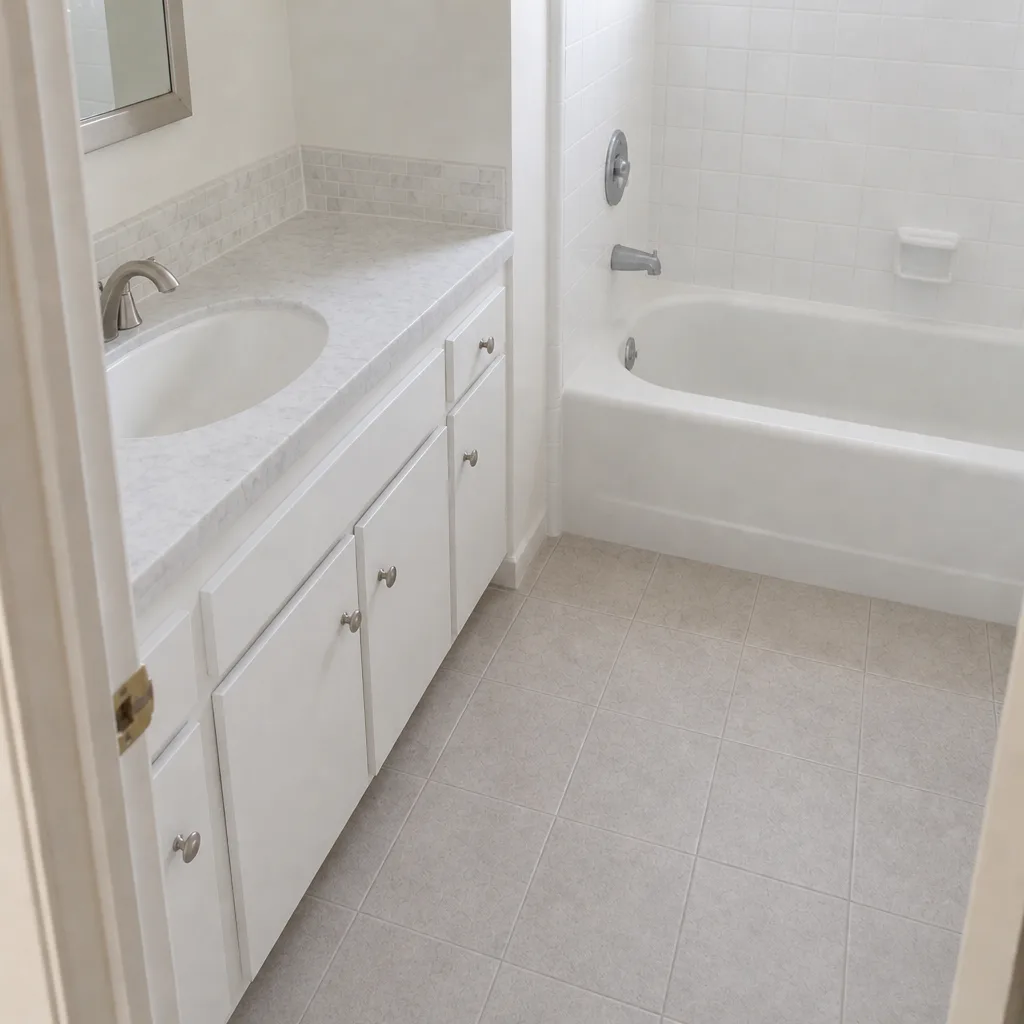
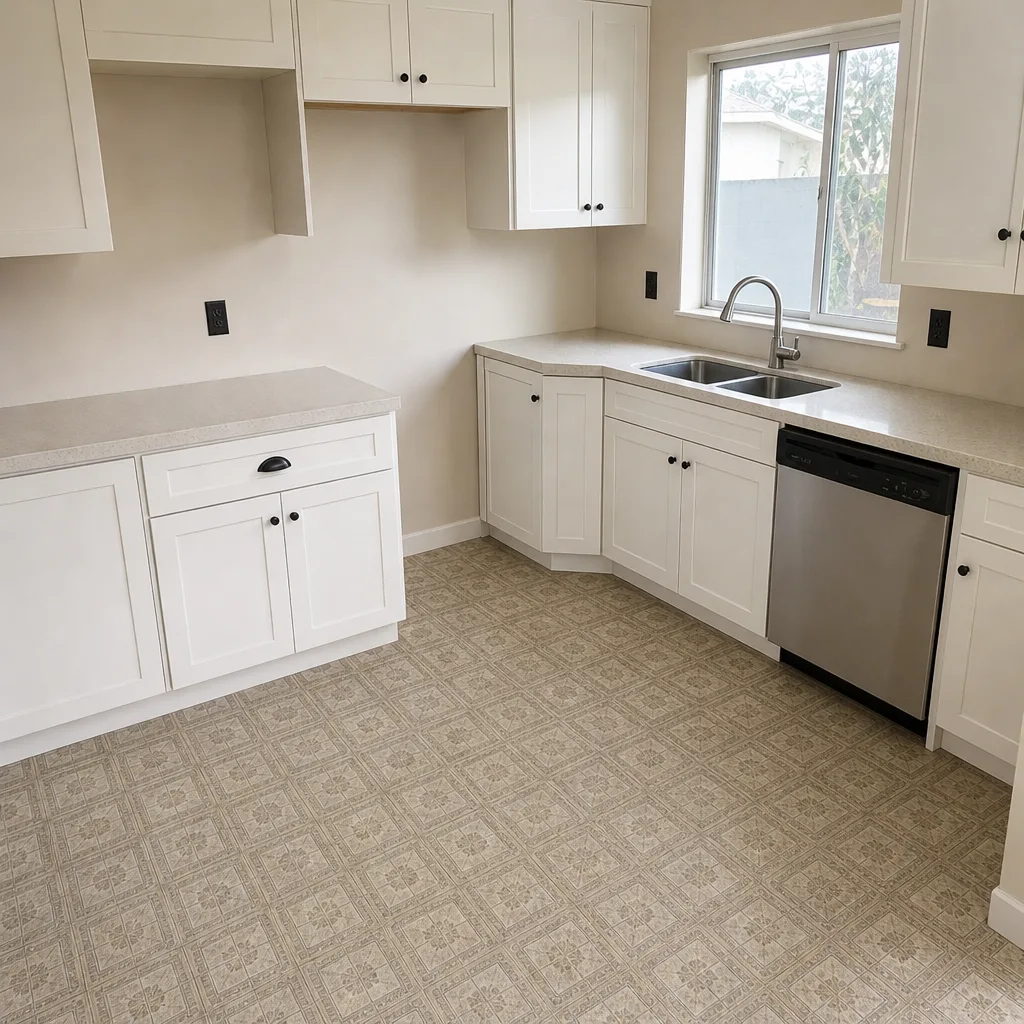
See the difference
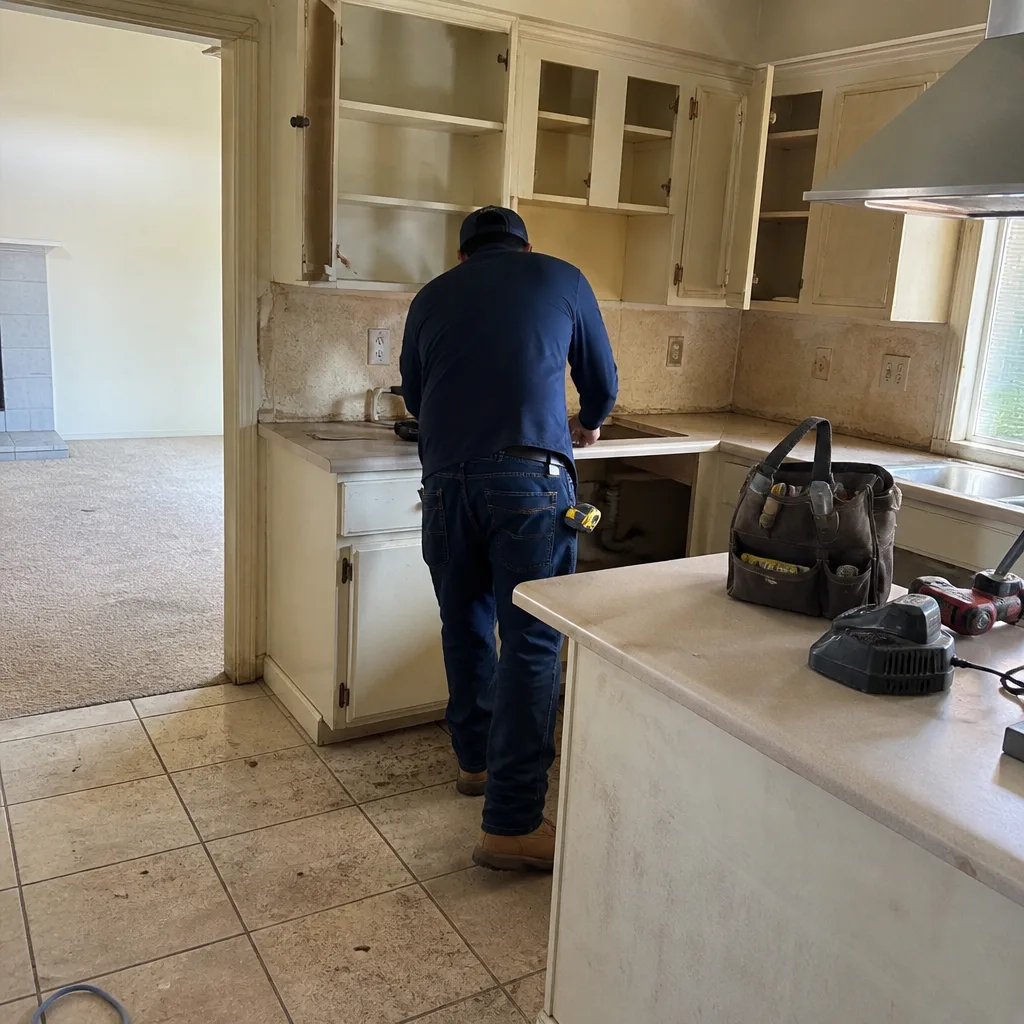 Before
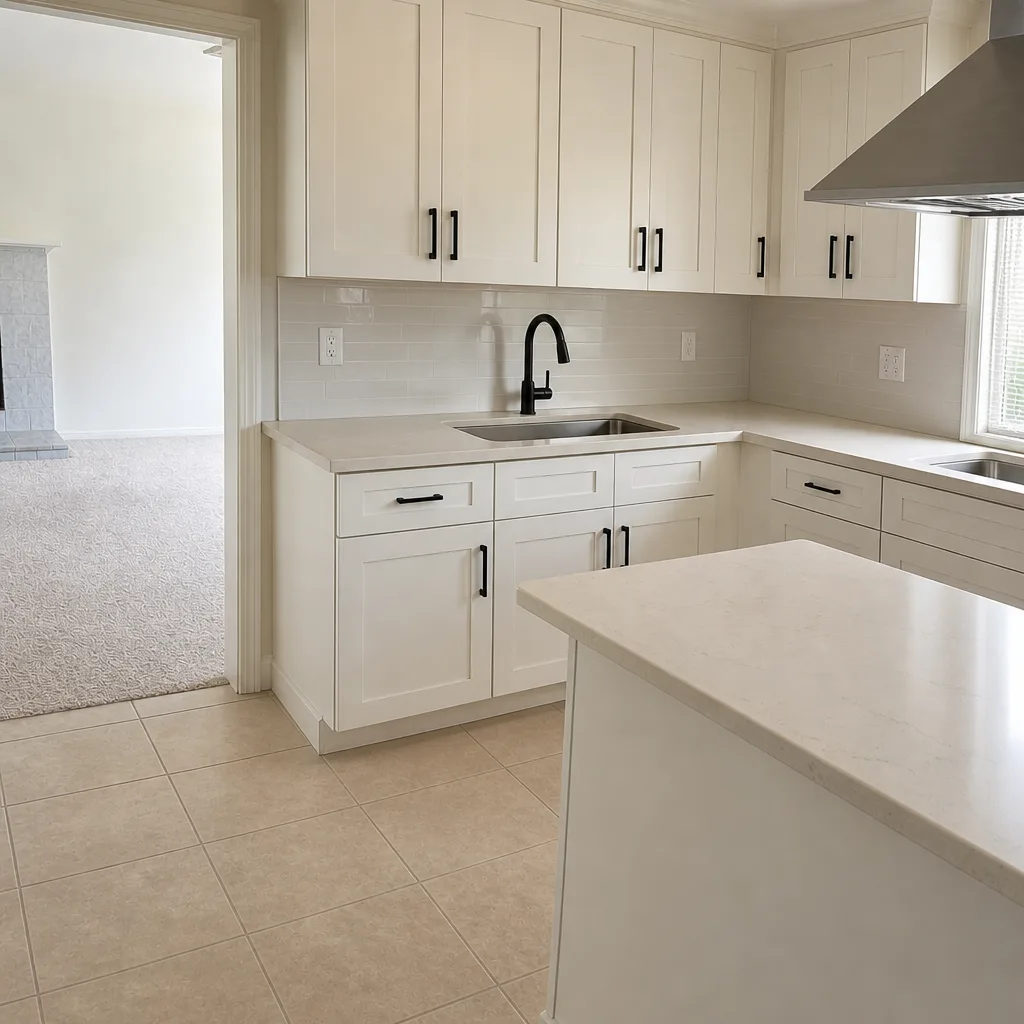 After
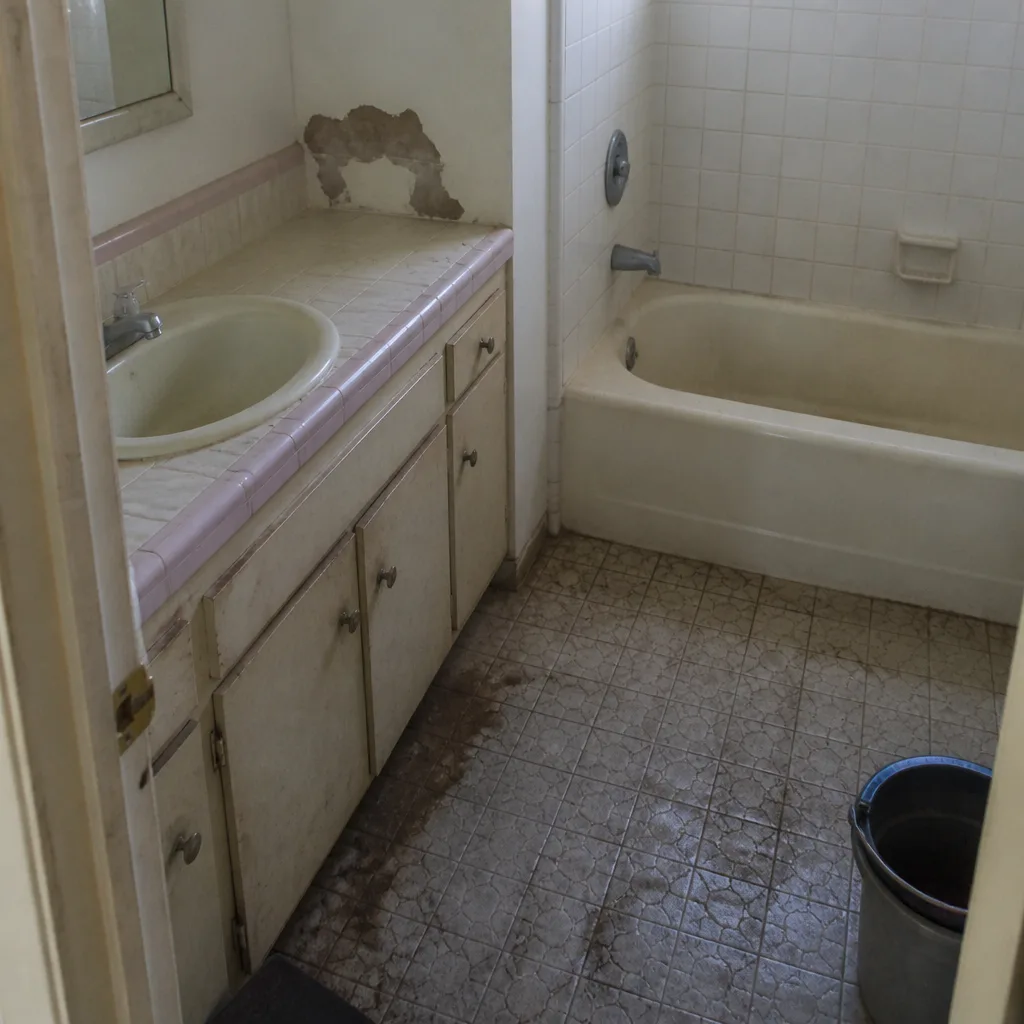 Before
 After
 Before
 After
When to Call a Professional
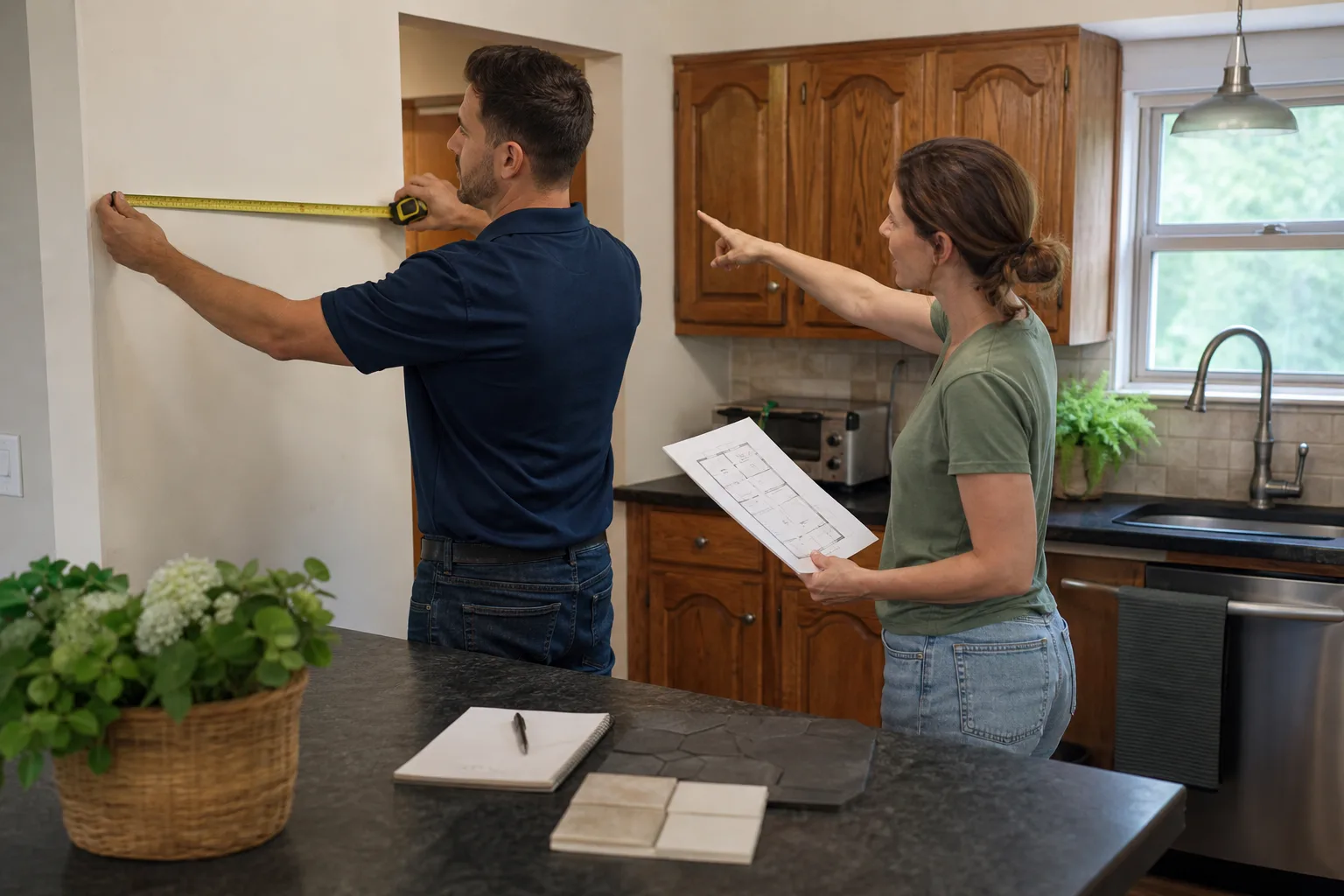
Call a licensed professional the moment a project touches a permit-required system, alters structure, or needs an HOA approval letter with a contractor’s scope behind it. That means: electrical panel work, any new circuit, gas line extension, water heater replacement, load-bearing changes, additions, and full kitchen or bathroom layouts where plumbing and electrical move. Also call if you’re uncertain what your policy covers during a remodel, or if a refinance appraisal is on the calendar. Bradford Remodeling Co Mission Viejo offers free estimates in Mission Viejo – call (833) 734-2429. Technicians with up to 22 years of experience walk the scope, and a written price goes in your hands before any work starts.
Frequently Asked Questions

In California, homeowners can legally handle cosmetic and finish work themselves without a contractor: painting, cabinet hardware, non-structural demolition, landscaping, trim, and finish tile that doesn’t touch permit-required systems. Structural, electrical panel, gas, and plumbing rough-in work requires permits and a licensed professional regardless of skill. The dividing line is permit exposure, not difficulty.
The owner-builder exemption lets a California homeowner pull permits and perform work on their own primary residence, provided they occupy it for at least a year after completion. It permits self-performance and hiring licensed subs, but the homeowner assumes the liability a licensed contractor would normally carry, including workers’ compensation exposure and a resale disclosure obligation on the transfer disclosure statement. Call (833) 734-2429 for a free estimate if you’re weighing the owner-builder path against a licensed scope.
Unpermitted DIY work can void coverage at claim time because carriers investigate permit history when a fire or water claim originates from work that should have been inspected. Standard policies often suspend dwelling coverage during active construction and exclude damage arising from construction defects. Adding builder’s risk temporarily is the practical mitigation. Call (833) 734-2429 to walk a scope before you start.
Mission Viejo HOA architectural review committees typically want a licensed contractor’s scope letter on non-trivial exterior work, and an owner-builder indemnity can trigger legal review or rejection. Unpermitted owner work discovered during review often leads to stop-work orders and fine schedules. Get written HOA approval before the permit is pulled.
Non-structural demolition is one of the few scopes where DIY is genuinely cost-effective: pulling carpet, tearing out a dated vanity, or removing a non-bearing closet saves real labor dollars. Structural demolition, or anything that opens a wall with unknown wiring or plumbing inside, is where the savings get eaten by surprise repairs. Call (833) 734-2429 for a free estimate if the demo touches structure.
A written price protects against mid-project repricing and surprise invoice lines. At Bradford Remodeling Co Mission Viejo, every scope gets a line-item written price before any work starts, backed by the 365-Day Done Right Promise – a full-year written guarantee that if the work fails inside the window, we come back and correct it at no charge. Estimates are free.
The Bottom Line
The DIY question in California isn’t about skill. It’s about three exposures that follow you to resale: permit history, insurance exclusions, and the transfer disclosure statement. Cosmetic scopes – painting, hardware, non-structural demo, landscaping – are genuinely safe and cost-effective. Structural, electrical, and gas work creates uninsurable risk and a resale problem no amount of craftsmanship fixes. Run the seven-question framework before the first tool comes out. If the scope touches a permit-required system, get a licensed contractor’s written scope and price. Bradford Remodeling Co Mission Viejo offers free estimates in Mission Viejo – call (833) 734-2429, and a real person picks up.
Written by the team at Bradford Remodeling Co Mission Viejo.