Last updated November 17, 2026








Free written scope consultation - allowances, timeline, and change-order rules on paper before a single trade is scheduled
Construction Permits, Codes & Inspections in CA: What You Need to Know
In California, adding a bathroom to a home built before 1994 can legally require you to bring the entire home’s plumbing up to current code – a requirement that lives in Health & Safety Code Section 17920.3, and one most homeowners discover only after the inspector walks the property. Here’s why that matters: California doesn’t have one permit system. It has a stack. State code (CBC, CPC, CEC), county amendments, and city overlays sit on top of each other, and each layer can trigger a different requirement on the same job. In Mission Viejo, that stack includes some Orange County-specific wrinkles that can quietly add tens of thousands to a project. This guide explains what actually controls, how the “substantial improvement” threshold works, what you can legally pull as an owner-builder, and what an unpermitted addition really costs you at resale.
Quick Answer
Construction permits in California are governed by three stacked layers: the state codes (California Building Code, Plumbing Code, Electrical Code, and others), county amendments, and municipal overlays – and where they conflict, the most restrictive layer controls. A remodel that crosses a certain percentage of your home’s value triggers mandatory whole-system code upgrades, which is the single most common reason California remodel budgets blow past estimates. For Mission Viejo homeowners, the practical rule is this: pull the permit before you touch anything, read the correction notice carefully, and don’t assume your contractor’s permit covers your scope.
Styles & brands we work with
- Kitchen remodeling
- Bathroom remodeling
- Home additions & ADU
- Roofing
- Windows & doors
- Driveway & pavers
- Fence
Table of Contents
- How the Three Layers of California Code Stack (And Which One Wins)
- The Substantial Improvement Threshold: What Triggers Whole-System Upgrades
- Owner-Builder Permits in California: What You Can Pull Yourself
- How to Read an Inspection Correction Notice
- Unpermitted Work: Resale, Insurance, and Future Permits
- Orange County and Mission Viejo Specifics
- Common Mistakes to Avoid
How the Three Layers of California Code Stack (And Which One Wins)
When a homeowner asks us why their permit was rejected, the answer almost always traces back to someone reading the wrong layer of code. California construction regulation isn’t a single document. It’s a hierarchy, and understanding which layer controls your specific job is the first step in any permitted renovation.
Layer one is state code: the California Building Code (CBC), California Plumbing Code (CPC), California Electrical Code (CEC), California Mechanical Code, California Residential Code, and the California Fire Code. These are based on the International Codes but amended heavily by the state – a process that happens on a multi-year cycle. The CBC sets baseline structural, egress, fire-safety, and energy standards. The CPC sets drainage, venting, and water-supply standards. The CEC sets wiring, grounding, and load requirements.
Layer two is county amendments. Orange County, like every county, adopts the state code with local modifications. Some of these are administrative (how a permit is filed, what drawings are required). Others are substantive – for instance, specific seismic bracing requirements that exceed state minimums in certain soil zones.
Layer three is the municipal overlay. Mission Viejo has its own plan-check process, its own fee schedule, and its own rules on things like garage conversions and second-dwelling units. A permit that’s perfectly compliant with state code can still be rejected at the Mission Viejo counter because it doesn’t meet a local overlay requirement.
Which layer wins in a conflict?
The most restrictive requirement controls. If state code says a 36-inch landing is required and a city overlay requires 42 inches, you build 42. This is not negotiable, and it’s the reason “we’ve always done it this way” is not a defense during plan check.
What this looks like in practice
- A bathroom rough-in must meet CPC drainage and venting minimums.
- The same job must meet Orange County’s seismic anchoring requirements for the fixture set.
- Mission Viejo’s plan check must confirm the work doesn’t push the structure into a substantial improvement (more on that below).
- Final inspection requires all three to be satisfied simultaneously.
This is why a proper remodel or kitchen renovation in Mission Viejo starts with a permit strategy, not a demo date. When we pull a permit for a Mission Viejo project, the written scope is matched line-for-line to what the inspection will cover – that’s part of The Garrison Standard, our documented operating framework across every Garrison Partners location. Our team at Bradford Remodeling Co Mission Viejo writes the scope, pulls the permit, and stands behind the work for a full year through the 365-Day Done Right Promise.
The Substantial Improvement Threshold: What Triggers Whole-System Upgrades
Here’s the threshold that changes budgets. If the cost of your planned improvements exceeds 50% of the property’s pre-improvement market value, the entire structure must be brought into compliance with current code – not just the portion you’re remodeling. That’s the substantial improvement rule, and it’s the reason a modest kitchen addition can legally demand electrical panel replacement, egress window upgrades, and plumbing code corrections throughout the house.
How the calculation actually works
- Establish market value. Typically the county assessor’s valuation, not a fresh appraisal. If you disagree with the figure, you can provide a recent fee appraisal, but it has to follow the jurisdiction’s documented process.
- Establish the improvement cost. The full construction cost, including labor and materials, as documented in your permit application. Not the “just the parts” number.
- Divide improvement by value. If the result is 50% or higher, you’ve triggered substantial improvement.
- Apply the trigger. The structure must be brought up to current code in the affected trades and life-safety systems.
Why this catches Mission Viejo homeowners off guard: Mission Viejo’s housing stock is dominated by homes built in the late 1960s through the 1980s, including large swaths in the neighborhoods around Lake Mission Viejo and up into the surrounding hills. Those homes may have the original electrical panel, plumbing of an earlier era, and building details that met the code of their day but don’t meet today’s. Add $60,000 of kitchen and bath work to a home valued at $900,000 and you stay under the threshold. Push that to a $450,000 whole-home renovation and you may cross it. The numbers aren’t hypothetical – we’ve watched a modest addition cross the threshold and pull $140,000 of whole-house corrections into a project that was scoped at $200,000.
What “bring into compliance” usually means
- Electrical service upgraded to current amperage and panel configuration
- Smoke and CO alarm coverage in every required location
- Egress window sizing in sleeping rooms
- Plumbing fixture and venting corrections as flagged by the plumbing inspector
- Energy code compliance (Title 24) for the scope of work triggered
The best defense is a pre-permit feasibility check. Before a single drawing is finalized, we run the substantial improvement math for the property and write the outcome into the project scope. If you’re planning a kitchen remodeling in Mission Viejo, the last thing you want is a surprise at plan check.
Owner-Builder Permits in California: What You Can Pull Yourself
California allows a homeowner to pull a permit as an “owner-builder” under specific conditions defined by Business & Professions Code Section 7044 and related statutes. The rules are strict, and ignoring them exposes you to real liability.
You can pull an owner-builder permit if the property is your own residence, you intend to occupy it (or it’s a structure on the same residential property), and you’re not doing the work for sale or as a business. You cannot pull an owner-builder permit on a rental you don’t live in, on a flip, or on a project you’re developing for someone else.
Where the license requirement is mandatory
Certain work in California can’t be done by an unlicensed person even as an owner-builder: jobs requiring a licensed specialty contractor signature, work governed by the State Contractor License Board when the homeowner hires anyone to help, and most structural work where the permit requires a licensed engineer’s or architect’s stamp. In Orange County and Mission Viejo, structural modifications, most electrical service upgrades, and any work affecting the lateral force-resisting system require a licensed design professional’s involvement.
What owner-builder status doesn’t cover
- Liability: you become the “general contractor” for compliance purposes. If a subcontractor gets hurt or does substandard work, there’s no general contractor’s license or bond standing between you and the outcome.
- Worker’s compensation: if you hire anyone, you’re responsible for workers’ comp coverage – which is not a small thing.
- Resale disclosure: owner-builder permits typically require disclosure at sale, which can create headaches later.
- Warranty protection: no licensed contractor’s guarantee sits behind the work. Bradford’s 365-Day Done Right Promise, for example, only applies to work we perform and document – a written guarantee that means nothing if the homeowner is the general contractor.
Here’s the honest math most Mission Viejo homeowners work through before hiring a Bradford Remodeling Co Mission Viejo home team: the owner-builder savings are real, but so is the accumulated risk when a project grows beyond the scope you can confidently manage.
How to Read an Inspection Correction Notice
An inspection correction notice is not a fail. It’s a list. The problems only compound when the wrong correction gets addressed in the wrong order.
The correct sequence to resolve corrections
- Read the entire notice before anyone touches anything. Corrections often cascade – one item causes another, and fixing them out of order means re-inspection fees.
- Separate life-safety items from administrative items. Life-safety corrections (smoke alarms, egress, structural connections) get fixed first, because they block everything else.
- Confirm code citations. The corrections should cite a code section. If one doesn’t, ask the inspector – it’s a fair question and a good inspector will answer it.
- Photograph and document each fix. Your final inspection file should show before-and-after for every correction. This is not paranoia; it’s what a well-run site looks like at close.
- Re-inspect only after all listed items are complete. Partial re-inspections often trigger the same fee as a full one and cost more time.
- Request the correction sign-off in writing. The final green tag or close-of-permit document is your proof for resale, insurance, and any future permit application.
We see two recurring pattern failures in Mission Viejo: homeowners who call the inspector back before reading the full list, and homeowners who trust a subcontractor’s report that a correction is “handled” without documentation. Our technicians – with up to 22 years of experience – are trained to walk every correction notice with the homeowner before a single re-inspection is scheduled. That’s part of why every Bradford project closes with a clean site, a documented scope, and a signed written guarantee in the homeowner’s hand.
Unpermitted Work: Resale, Insurance, and Future Permits
Unpermitted construction in California is not a small issue that vanishes at sale – it becomes a legal disclosure item, an insurance gray zone, and a barrier to every permit you’ll want to pull in the future.
Resale title
California’s transfer disclosure requirements obligate a seller to disclose any known unpermitted work. A buyer’s lender may refuse to fund on unpermitted additions. A title company may flag the issue in the title commitment. And a savvy buyer’s inspector will spot unpermitted electrical, plumbing, or structural work within the first hour of the walkthrough. The remedy usually involves either retroactive permitting (which is expensive and not guaranteed) or a price reduction that reflects the risk.
Insurance claims
If an unpermitted addition floods, burns, or causes structural damage, your homeowner’s insurer can deny or reduce the claim on the grounds that the work itself was non-compliant. This is a hard exposure – we’ve seen families discover it only after a small water loss escalated into a denial.
Future permits in Mission Viejo
Here’s the sting most homeowners don’t expect. When you file a permit application on a property that has unpermitted work, the Mission Viejo plan-check process can require you to address the existing unpermitted scope as a condition of approval for the new work. That means the addition you never permitted in 2010 can become the barrier to the kitchen permit you’re filing in 2026.
What to do if you’ve inherited unpermitted work
- Get a permit history at City Hall. Every jurisdiction maintains one.
- Have a licensed contractor or engineer document the actual condition of the work.
- File for retroactive permit only with a plan for what the inspection is likely to require.
- Disclose to your insurer and your future buyer; hiding it makes things worse, not better.
If you suspect unpermitted work in a home you’re about to remodel, that’s the first item your contractor should document before pricing anything. Bradford writes every scope and every price before work begins, and that scope includes the permit history check for Mission Viejo addresses.
Orange County and Mission Viejo Specifics
Mission Viejo has housing-stock characteristics that make the county and city scale of the code stack matter more than a homeowner might expect. Much of the city’s residential inventory is now four to five decades old – which means remodels commonly trigger the substantial improvement conversation, and code-upgrade questions come up on almost every project we scope here.
Three recurring Mission Viejo issues
- Garage conversions and ADU overlays. Mission Viejo, like Orange County as a whole, has adopted ADU rules that layer state law with local parking, setback, and design requirements. A permit that’s compliant on the state level can fail plan check on the local overlay.
- Hillside and slope issues. Properties on Mission Viejo’s sloped neighborhoods fall under geotechnical review with documentation requirements that exceed flat-lot jobs. This is where a “quick” remodel turns into a construction-defect conversation.
- HOA architecture reviews. Mission Viejo has a substantial HOA footprint, and many neighborhoods require an architecture-committee approval before the city permit is filed. Skipping this step means the permit is approvable but the project is not.
Climate and material durability
Mission Viejo’s inland-coastal climate – warmer than coastal Orange County, cooler than the inland empire – affects material selection in ways that touch code compliance. Tile and exterior finishes that work in cooler coastal cities can degrade faster here; underlayment and flashing details matter more for long-term performance. When a permit inspection looks at a roofing system, the code is looking at fire rating and structural attachment. When we install a GAF roofing system in Mission Viejo, we’re matching the manufacturer spec and the code spec at once. Same for exterior material – James Hardie siding carries manufacturer requirements that overlap the state energy and seismic requirements on attachment.
Our team writes this into the scope because it’s the only way to get through final inspection without re-work. In kitchen and bathroom remodeling in Mission Viejo, the plumbing and electrical inspections are the most common pinch points – and the fixture and finish choices (Kohler, Moen, Delta, Blanco) all have rough-in requirements that must match the permit drawings before the walls go up.
Common Mistakes to Avoid
- Treating “we’ll pull the permit” as a verbal handshake. Get it in writing before any work begins. In Mission Viejo, work started before a permit is issued can force a stop-work order, and the fix is more expensive than the original permit.
- Ignoring the substantial improvement calculation until plan check. Run it before drawings are finalized. A scope that lands at 49% of home value is a fundamentally different project than one that lands at 51%.
- Believing owner-builder status is risk-free. It shifts the general contractor liability onto you. If the job involves any structural work or subcontractor crews, the license exposure is real.
- Fixing the “easy” corrections on an inspection notice first. Life-safety items get fixed first, full stop. Out-of-order corrections cost re-inspection fees and time.
- Assuming a previous owner’s unpermitted addition is somebody else’s problem. In California it becomes your disclosure item, your insurance risk, and potentially the reason your next permit is denied. Address it before your project starts.
- Not pulling the permit history before quoting a remodel. It’s the fastest way to catch a buried scope problem. We do this on every Bradford project in Mission Viejo before pricing is written.
- Skipping the HOA approval step. The city permit doesn’t override the HOA architectural review, and many Mission Viejo neighborhoods require both.
When to Call a Professional
Some permit work is straightforward enough that a knowledgeable homeowner can navigate it. But there are specific cases where trying to handle the code stack yourself is a genuine risk to your project budget and your property:
- Your project might cross the substantial improvement threshold and you’re not sure how to calculate it
- You’ve discovered unpermitted work on the property
- You’ve received an inspection correction notice with multiple items
- The job is structural, involves an electrical service upgrade, or affects the seismic system
- You’re converting a garage, adding an ADU, or touching the exterior envelope
Bradford Remodeling Co Mission Viejo offers free estimates in Mission Viejo, and every one of them comes with a written price before work starts – no numbers that move at the door. Call (833) 734-2429 and a live person will pick up, day or night. Every completed project is covered by the 365-Day Done Right Promise, with background-checked, uniformed technicians on every job so you know exactly who’s walking through your door.
See the difference
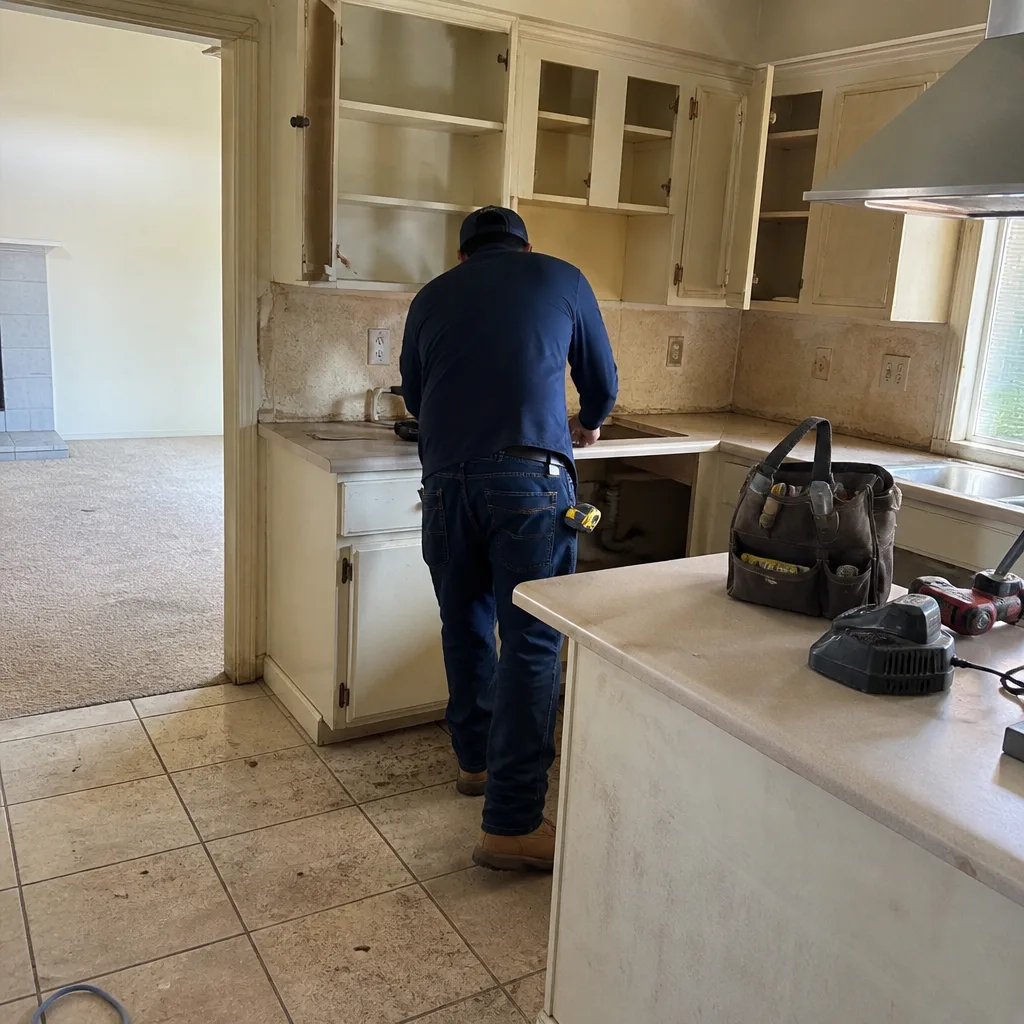 Before
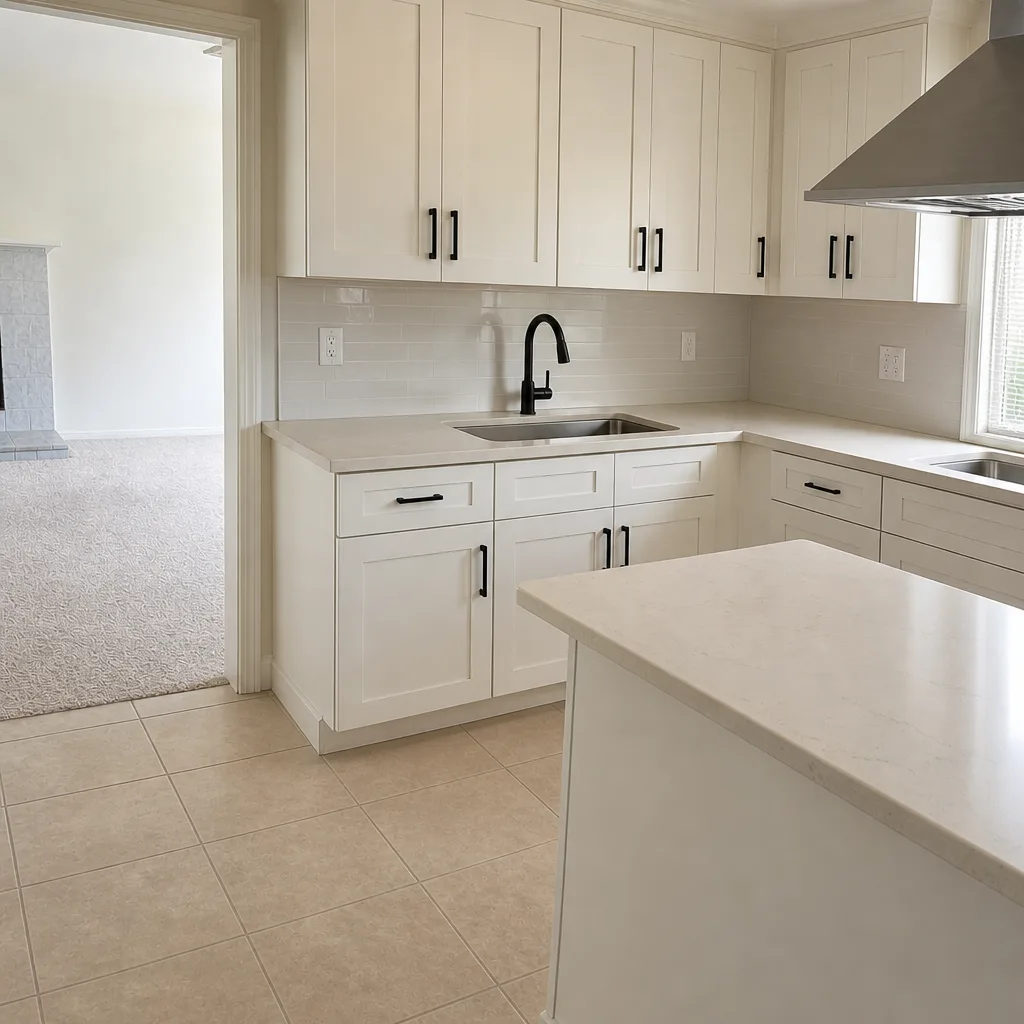 After
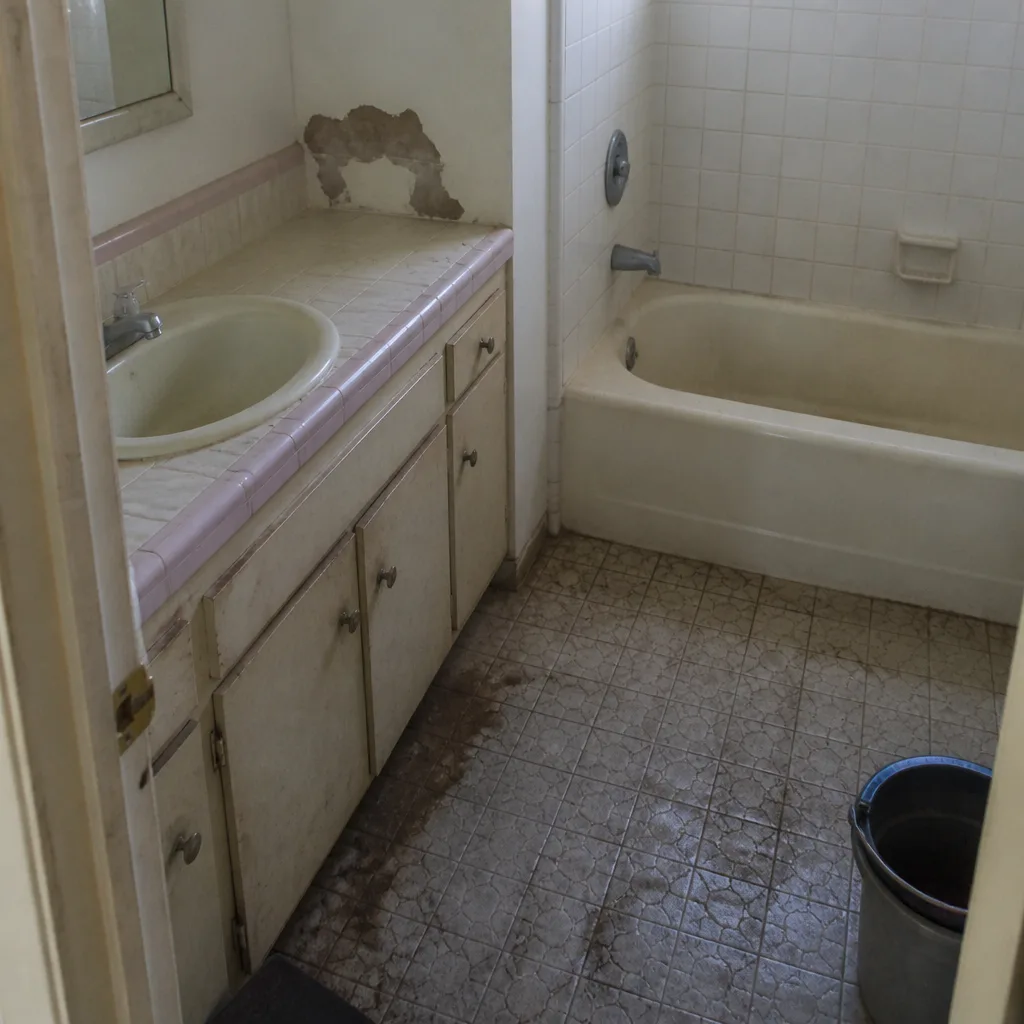 Before
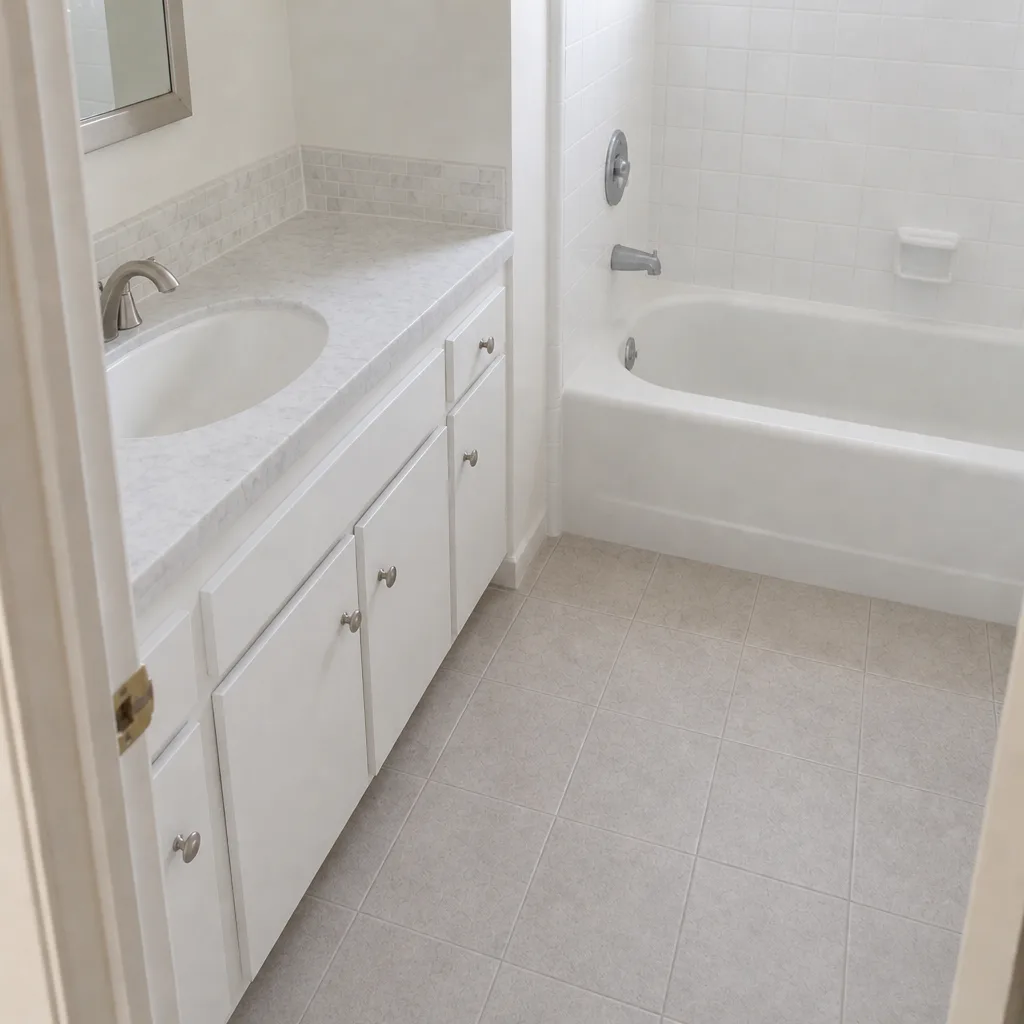 After
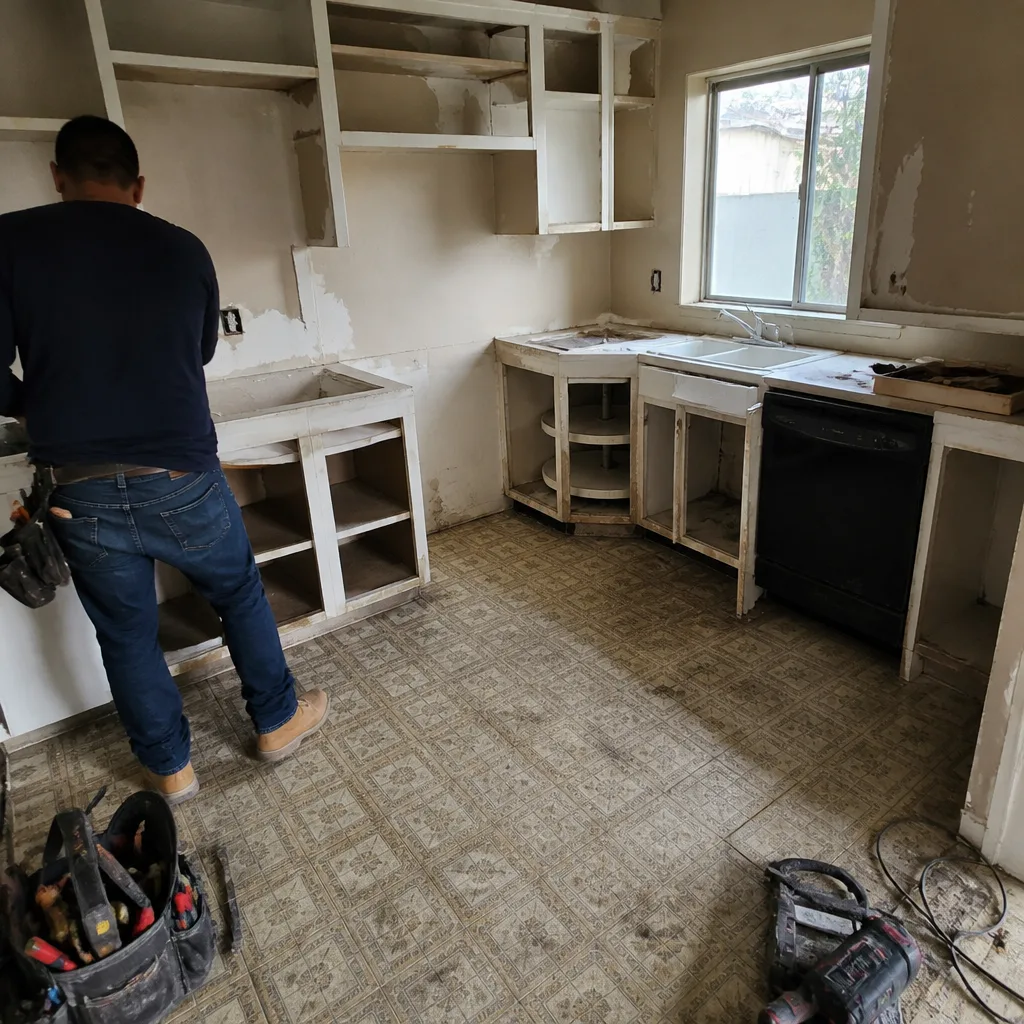 Before
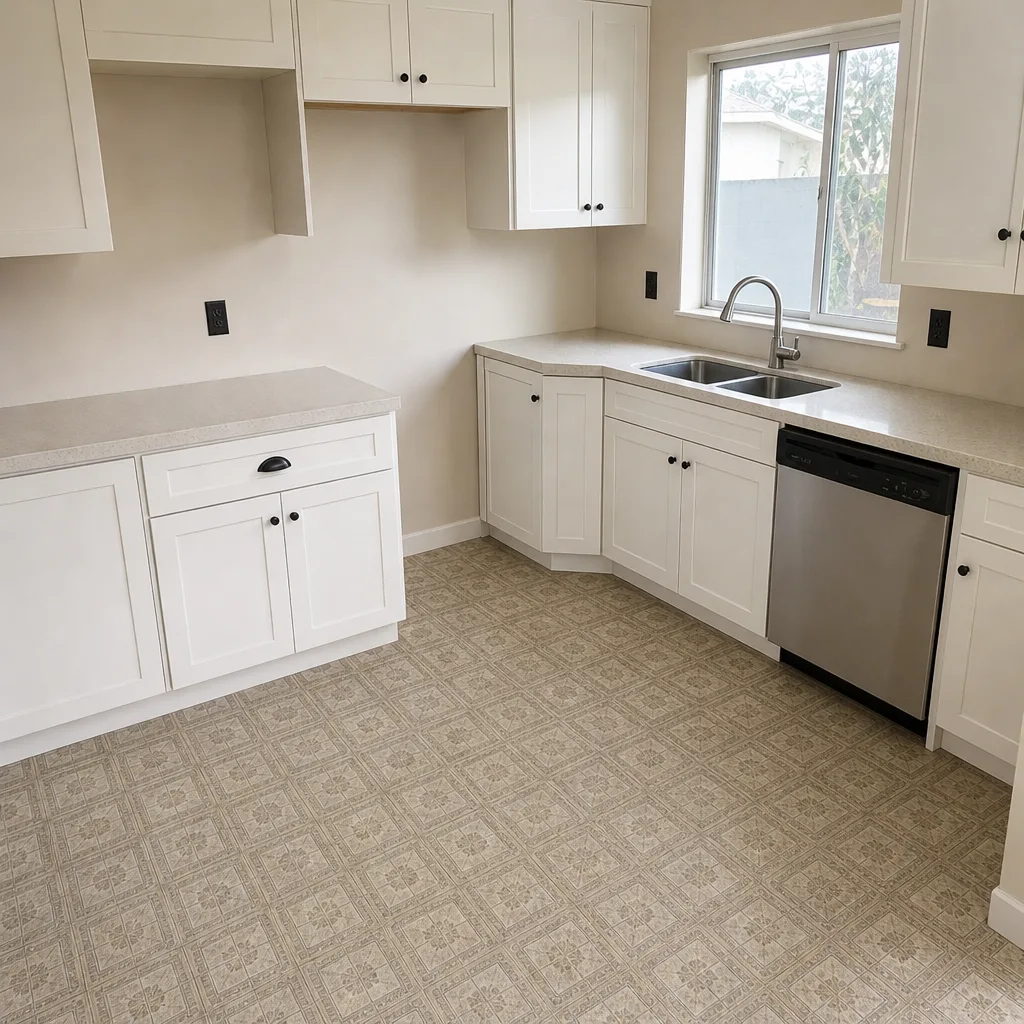 After
Frequently Asked Questions
Permit fees in Mission Viejo are set on a valuation-based schedule – roughly 1-2% of project cost for typical residential work, with additional plan-check, technology, and inspection fees layered on. A $50,000 kitchen remodel typically runs $700-$1,300 in total permit cost, while a substantial addition can easily run $2,500-$5,000 or more depending on scope and structural review. Call (833) 734-2429 for an exact quote – estimates are free.
Not always, but more often than most homeowners expect. The trigger is the substantial improvement rule: if improvement cost equals or exceeds 50% of pre-improvement market value, the entire structure must be brought into current code for the affected systems. A single-room remodel rarely triggers it on its own, but a combined scope – kitchen plus bath plus structural changes – frequently does. Bradford runs the calculation before pricing any Mission Viejo project, so the number you see is the number you pay.
Yes, if the property is your principal residence and you’re doing the work yourself (or managing subs) on a non-commercial basis. Structural work, electrical service changes, and anything touching the lateral force-resisting system require a licensed design professional, and once you hire a contractor to perform the work, that contractor pulls the permit. If you hire anyone, you’re also responsible for workers’ comp – which is why most homeowners use a licensed general contractor instead.
Plan check typically takes 2-4 weeks for a straightforward residential project and 4-8 weeks when structural or geotechnical review is required. Each trade inspection is usually scheduled within a few business days of request, and a full project typically requires rough-in, mid, and final inspections per trade. The single biggest cause of delay is a correction notice that isn’t fully addressed before re-inspection – addressing all items at once is faster than fixing them one at a time. Call (833) 734-2429 to walk through your specific project timeline – estimates are free.
You must disclose it under California transfer disclosure requirements, and buyers may reduce their offer, require retroactive permitting, or walk. Lenders can refuse to fund. Insurers can deny claims on the unpermitted portion. And future owners attempting their own permits may be blocked until the unpermitted scope is resolved. If you’re about to sell a Mission Viejo home with any doubt about its permit history, get the history pulled and documented before you list.
Not on a Bradford project. The written price before work begins is a firm number, and the scope is documented line-by-line. If the inspection turns up a code condition that wasn’t part of the documented scope – for example, unpermitted work by a previous owner that the permit history didn’t show – we stop, document the finding, provide a written change with a new fixed price, and you decide before any work continues. No surprise numbers at the door.
The Bottom Line
California’s permit system is a three-layer stack – state code, Orange County amendments, and Mission Viejo overlays – and the most restrictive layer wins every time. The two facts that reshape most remodel budgets are the substantial improvement threshold (the 50% trigger for whole-system code upgrades) and the unpermitted work disclosure chain, both of which surface at plan check if they aren’t handled before drawings are finalized. Read the correction notice in full, fix life-safety items first, document every correction, and don’t assume your contractor’s permit covers work you haven’t fully scoped. The homeowners who come out of a California remodel on budget are the ones who priced the permit stack before they priced the materials.
Ready to Price Your Project the Right Way?
Call (833) 734-2429 for a free estimate – a real person will pick up, and every Bradford project starts with a written price, a permit strategy, and a documented scope before any tool comes out. Our team works with the manufacturer brands you already trust – Kohler, Moen, and Blanco among them – and stands behind every job under the 365-Day Done Right Promise.
Written by the team at Bradford Remodeling Co Mission Viejo.