Last updated November 17, 2026








Free written scope consultation - allowances, timeline, and change-order rules on paper before a single trade is scheduled
General Contractor Maintenance Checklist for Mission Viejo Homeowners
The most common deficiency we document on Mission Viejo pre-remodel walkthroughs isn’t water damage or bad wiring. It’s failed exterior caulk and sealant. South- and west-facing joints crack under UV load and Santa Ana thermal cycling, water gets behind the stucco, and nobody notices for years because it never freezes here. This checklist is built around that reality: Mediterranean moisture swings, dry wind seasons, clay-heavy soil, and sun that punishes every horizontal surface. You’ll learn what to inspect, how often, and which items a standard home inspector won’t catch. Our technicians have up to 22 years of experience and have seen these same failures repeat across Mission Viejo.
Quick Answer
Mission Viejo homeowners should inspect exterior caulk, stucco, and window glazing twice a year, clear attic vent screens and garage door seals before Santa Ana wind season, and verify drainage grading and roof flashings annually. The failure points that matter most here are UV degradation on south- and west-facing exposures and soil movement in clay-heavy lots, not the freeze-thaw items on cold-climate checklists. Most of this work is inspection, not repair.
Styles & brands we work with
- Kitchen remodeling
- Bathroom remodeling
- Home additions & ADU
- Roofing
- Windows & doors
- Driveway & pavers
- Fence
Table of Contents
- The UV and Thermal Cycling Checklist
- Santa Ana Wind Season Prep
- Drainage Grading and Clay Soil Inspection
- What a Contractor Looks For vs. a Home Inspector
- Annual, Biannual, and One-Time Tasks by Frequency
- Interior Systems Most Owners Overlook
- Common Mistakes to Avoid
- When to Call a Professional
The UV and Thermal Cycling Checklist
Mission Viejo sits inland enough that marine layer mornings burn off into hard afternoon sun, and the daily expansion-contraction cycle works on exterior joints for years. Caulk that was flexible at install gets brittle. Stucco develops hairline cracks. Window glazing shrinks back from the frame. None of it is dramatic until water is already inside the wall cavity.
Walk the exterior with a notepad and check these in order:
- Caulk joints at window and door perimeters. Press a fingernail into the bead. If it’s hard or pulls away, it’s done. South- and west-facing joints fail first.
- Stucco surfaces, especially below windows and at corners. Hairlines under 1/16 inch are cosmetic. Wider cracks or any crack with a rust stain need a closer look.
- Deck and patio coatings. Walk barefoot or in socks. Any soft spot, blister, or chalking means the coating has broken down.
- Window glazing and seals. Check for fogging between panes and gasket shrinkage. Fogged units can’t be repaired, only replaced. We install Therma-Tru doors and ECO Window Systems glazing on remodels where the existing units have already failed.
- Fascia and trim boards. Probe with a screwdriver where caulk has separated. Soft wood means water has been sitting.
- Exterior paint on south and west walls. Chalking and fading show first here. Paint failure exposes substrate to the same sun that broke the caulk.
Do this check in spring and again in early fall. Two hours per pass prevents most of the exterior repairs we’re called out for during general contracting work in Mission Viejo. Photograph what you find with a date. Future contractors will thank you, and so will your records at resale.
Santa Ana Wind Season Prep
Santa Ana events push dry, gusting air through the canyons and across south Orange County, and Mission Viejo sits squarely in that wind corridor. These events don’t cause damage directly. They expose weak points and accelerate drying on materials that already need attention. Prep in late September, before the first event of the season.
- Attic vent screens: Check foundation and gable vents for torn screens or debris packed behind them. A blocked vent pressurizes the attic during gusts and pushes dust and embers into spaces you can’t see.
- Garage door seals and hinges: Run a hand along the bottom seal. Wind-driven dust gets through gaps you can’t see; the seal should contact the slab along its full width. Lubricate hinges and check the balance by hand (spring and cable work is a different matter entirely – see below).
- Roofline inspection points: Ridge caps, step flashings at sidewalls, and the sealant at pipe boots. Wind-driven rain finds failed sealant fast. GAF roofing systems are what we spec on replacement work because the manufacturer warranty is traceable to the product, not just the installer’s word.
- Fence and gate hardware: Wobbly posts that seem fine in calm weather start leaning after one wind event.
- Tree limbs over the roof: Have an arborist cut anything within a few feet of the roofline. Deadwood in a gust is the most common cause of roof damage we see.
One safety note we don’t skip: never inspect or adjust garage door torsion springs or cables yourself. They’re under extreme tension and can cause serious injury. A trained technician handles that work, and your job is to note symptoms – a door that won’t stay halfway up, a loud bang, cables that look slack – and call for service.
Drainage Grading and Clay Soil Inspection
Mission Viejo lots often sit on heavy clay that absorbs slowly and expands when wet. Water that pools next to the foundation doesn’t drain away; it sits, and the soil moves. Over years that movement shows up as interior drywall cracks, sticking doors, and foundation vents sitting below grade.
Walk the perimeter after the first real rain of the season, not before. You need to see where water actually goes.
- Check the soil slope at the foundation line. It should fall away from the house, roughly six inches over the first ten feet. If it’s flat or back-pitched, that’s the problem.
- Look for ponding zones in the yard. Clay depressions hold water for days. Regrading or a dry well solves it.
- Clear gutter downspouts and check where they discharge. Short extensions dump water at the foundation. Two downspout sections of added length moves it well away.
- Inspect foundation vents and the sill plate for stains. Water marks on the plate mean drainage has already been wrong for a while.
- Check interior drywall at the corners of the foundation walls. Diagonal cracks radiating from corners are a grading symptom, not a paint problem.
Clay soil is why “fix a crack and paint over it” doesn’t work for drainage issues here. The crack comes back because the movement never stopped.
What a Contractor Looks For vs. a Home Inspector
A standard home inspection is a point-in-time snapshot for a transaction. It’s valuable, but it’s looking at present condition. A pre-remodel walkthrough by a contractor looks at trajectory – what’s failing, what’s about to fail, and what will matter when walls open up.
Here’s the difference in practice:
- Home inspector: Documents existing visible defects to a standard checklist. Contractor: Probes caulk adhesion, checks substrate under failed sealant, and traces what water has been doing behind the stucco.
- Home inspector: Reports that the deck coating is worn. Contractor: Notes the coating was applied over green lumber and will need stripping before recoating.
- Home inspector: Flags a sticking door as a possible foundation symptom. Contractor: Correlates it with grading and soil movement and specifies a fix at the source.
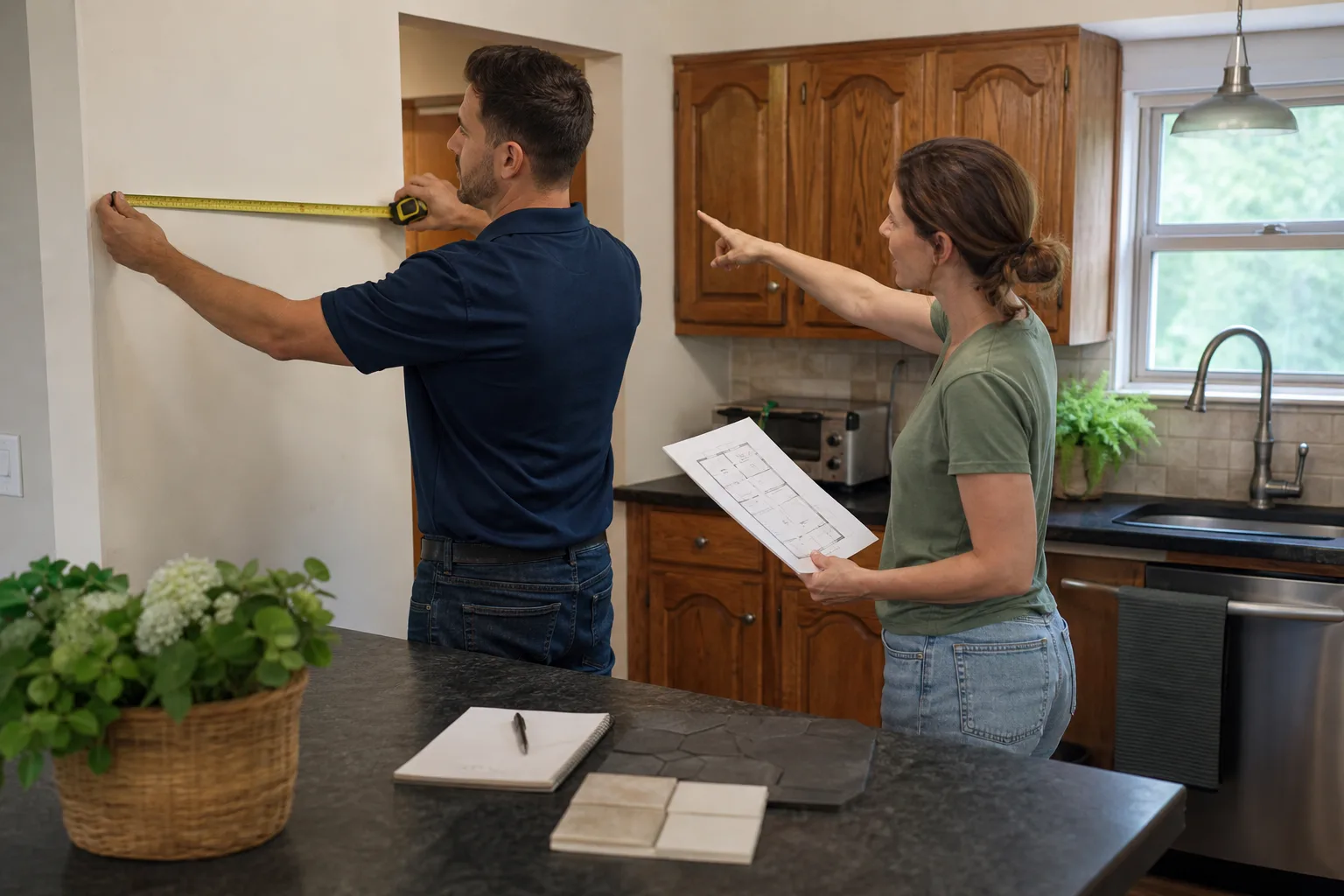
- Home inspector: Notes that the kitchen is dated. Contractor: Opens the cabinet and checks for a functioning shutoff, adequate venting, and 20-amp circuits – the details that decide scope. If you’re planning a kitchen remodel in Mission Viejo, that walkthrough is where the real numbers come from.
- Home inspector: Checks window operation. Contractor: Checks unit age, glazing type, and whether the rough opening will accept a replacement without reworking the stucco surround.
Both have a place. Use a home inspector when you’re buying. Use a contractor’s walkthrough before you budget any improvement – it’s the only place you’ll get line-item numbers with the condition findings backing them.
Annual, Biannual, and One-Time Tasks by Frequency
The cold-climate checklists floating around the internet organize tasks by season. That doesn’t map to Mission Viejo, where winter is mild and the real stress is dry wind plus UV. Sort by how often the task needs doing instead.
Twice a year (spring and early fall)
- Walk and probe all exterior caulk joints, re-caulk anything hard or pulled away.
- Check stucco, fascia, and trim for cracks and soft spots.
- Clear attic and foundation vent screens.
- Inspect window and door seals and glazing.
- Test irrigation for leaking valves and misdirected heads.
Once a year
- Full roof inspection – flashings, pipe boots, ridge caps, and shingle condition.
- Grading and drainage walk after the first significant rain.
- Flush the water heater and check the pressure relief valve.
- Change the HVAC filter and schedule a service visit.
- Test smoke and carbon monoxide alarms.
- Check the garage door balance and seal, and call a technician for spring or cable issues.
Every two to three years
- Repaint exterior wood and stucco on south- and west-facing walls before failure shows. Our experience is that this interval runs shorter on Mission Viejo’s sun-facing exposures than on shaded north walls.
- Reseal deck and patio coatings.
One-time, or as-needed
- Termite inspection – every two to three years is a reasonable cadence on wood-frame homes here.
- Attic insulation revisit after 15 or more years.
- Replace failed window units and doors with Therma-Tru or equivalent rated products when seals give out.
Interior Systems Most Owners Overlook
The exterior gets the attention because you can see it. The interior slowly developing problems move under the radar because Mission Viejo’s mild climate keeps them quiet. Here’s what we check on the inside during a pre-remodel walkthrough.
- Water supply shutoffs at every fixture. Turn each one off and on. A stuck angle stop means a future leak with no way to stop it.
- Under-sink cabinet floors for staining. Slow drips that dry before you notice leave mineral rings. That’s your tell.
- Bathroom exhaust venting to the exterior, not the attic. A vent dumping moist air into the attic is a mold issue waiting to happen. It’s also one of the most common findings we document in bathroom remodeling in Mission Viejo.
- Tile grout and shower pan seams. Failed sealant at the pan corners lets water behind the tile, where it’s invisible until the substrate is compromised.
- Electrical panel labeling and any warm breakers. Feel the panel face for warmth. Warm breakers, double-tapped breakers, or fuses in a modern panel are signs to have an electrician look. Panel work is not a homeowner task.
- Under the sink and behind the refrigerator for pest activity. Old droppings, chewed insulation, or entry points you missed.
If any of these turn up a problem that needs real repair, that’s where a written price before work starts shows its value. Every project we complete carries the 365-Day Done Right Promise: if the work fails within that year, we come back and correct it at no charge. The guarantee is in writing, so nothing depends on memory.
Common Mistakes to Avoid
- Following a cold-climate checklist. Frozen pipe precautions and snow-load checks don’t apply here. Meanwhile the UV and thermal cycling items that actually fail in Mission Viejo sit at the bottom of those lists.
- Waiting for a leak before replacing caulk. By the time water shows inside, the substrate and framing behind have been absorbing for at least a season. Caulk is cheap; framing repair is not.
- Ignoring drainage grading because the yard looks fine. Clay holds water invisibly. Pooling under a driveway slab or foundation edge is common on Mission Viejo lots and doesn’t show for years.
- Touching torsion springs or garage door cables. We can’t say this often enough. Those components are under extreme tension and can cause serious injury. Call a trained technician.
- Painting over stucco cracks without addressing them. Paint bridges the surface but the crack continues to move. Two seasons later it reopens, and you’ve spent money twice.
- Assuming a home inspector caught everything. A transaction inspection is a snapshot. A pre-remodel walkthrough looks at trajectory. They answer different questions.
- Trusting a verbal quote. A price given over the phone and a price in writing are two different things. Any contractor you hire should put the number on paper before work starts.
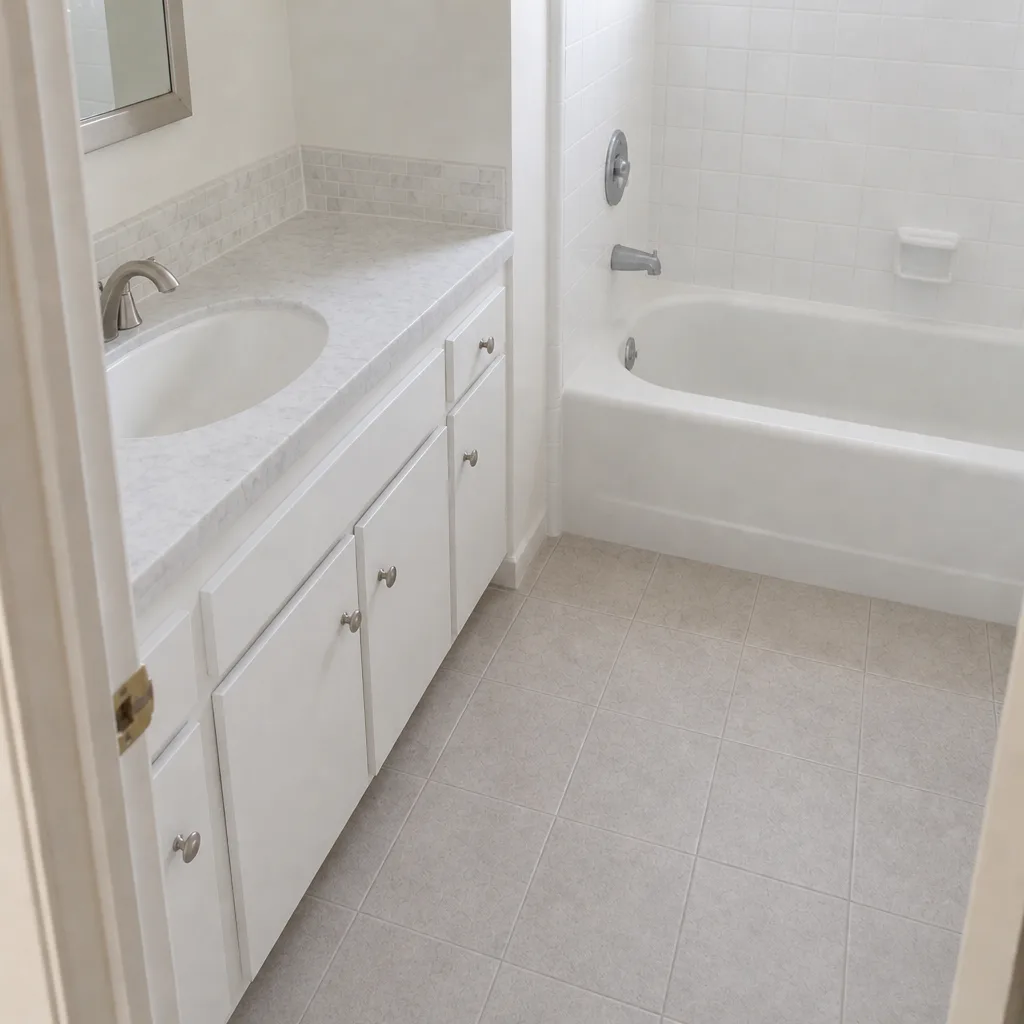
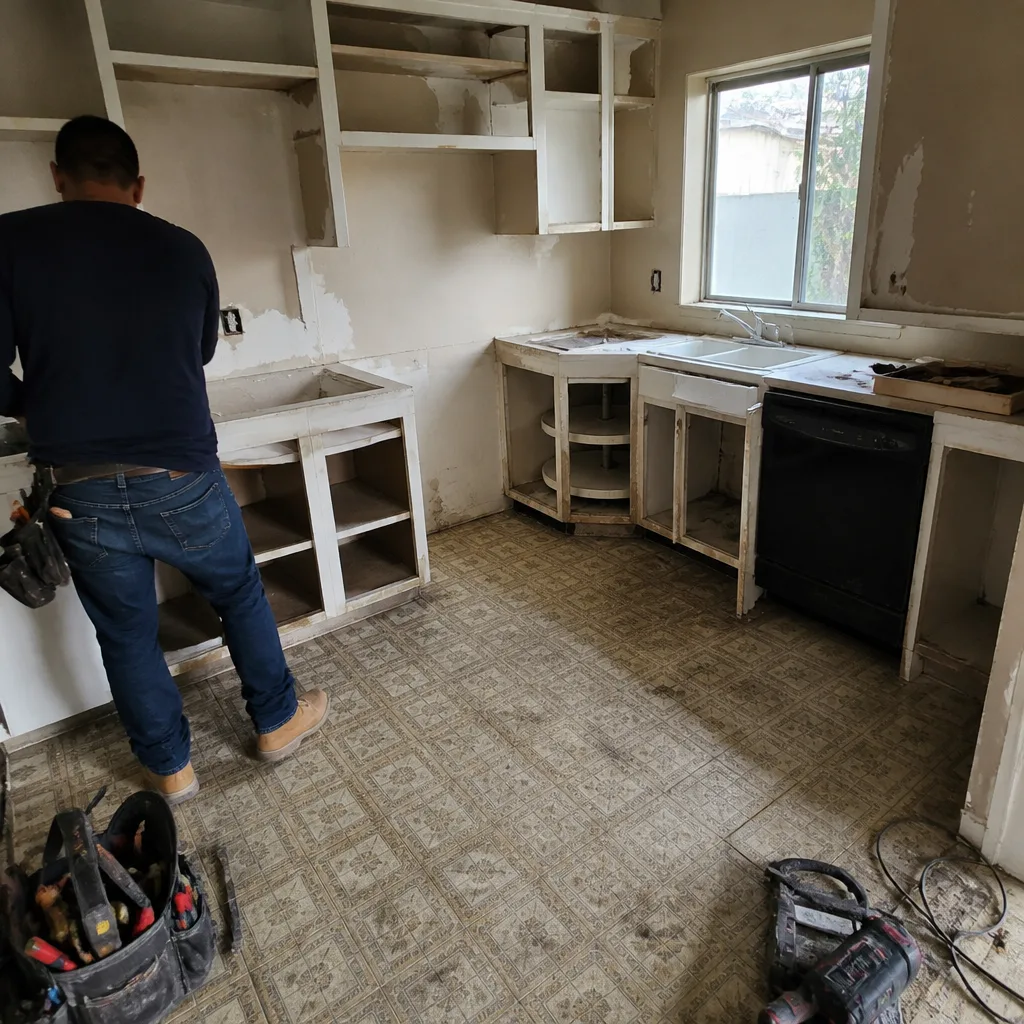
See the difference
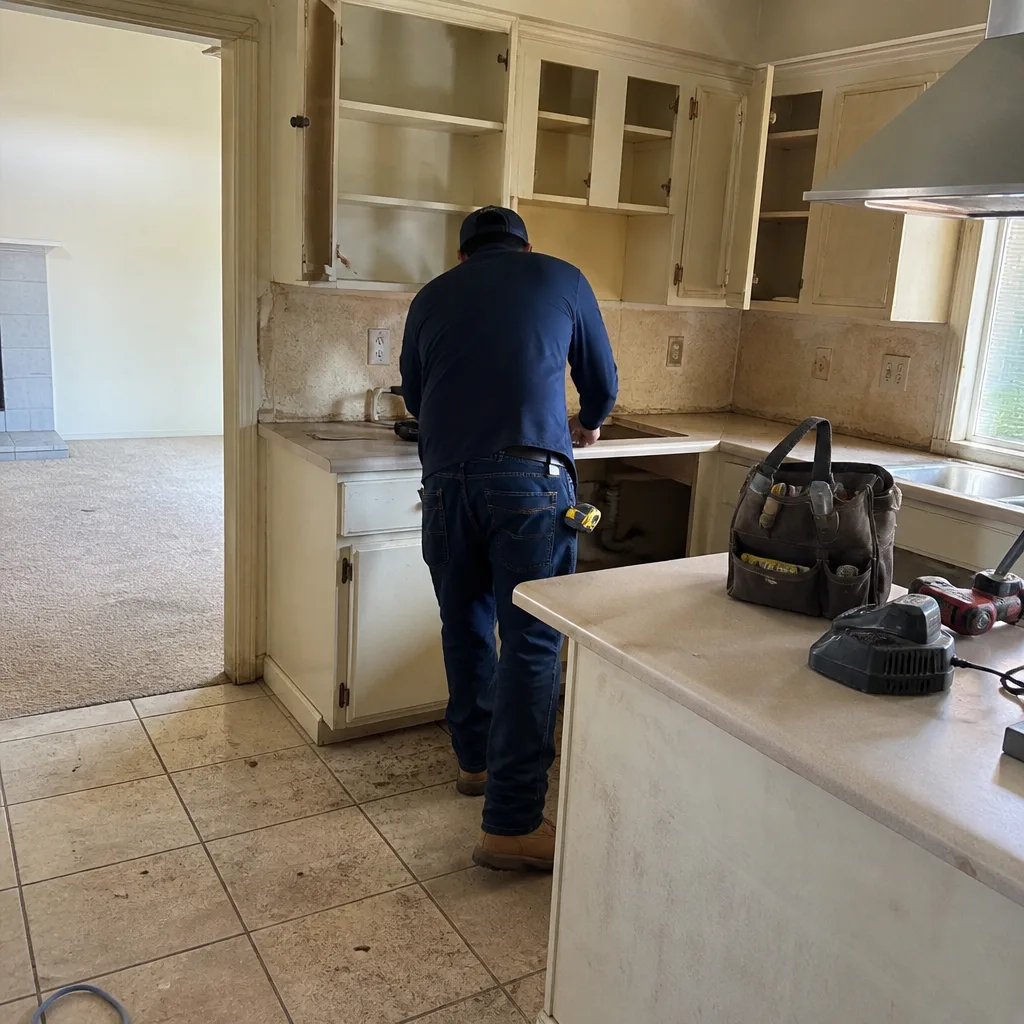 Before
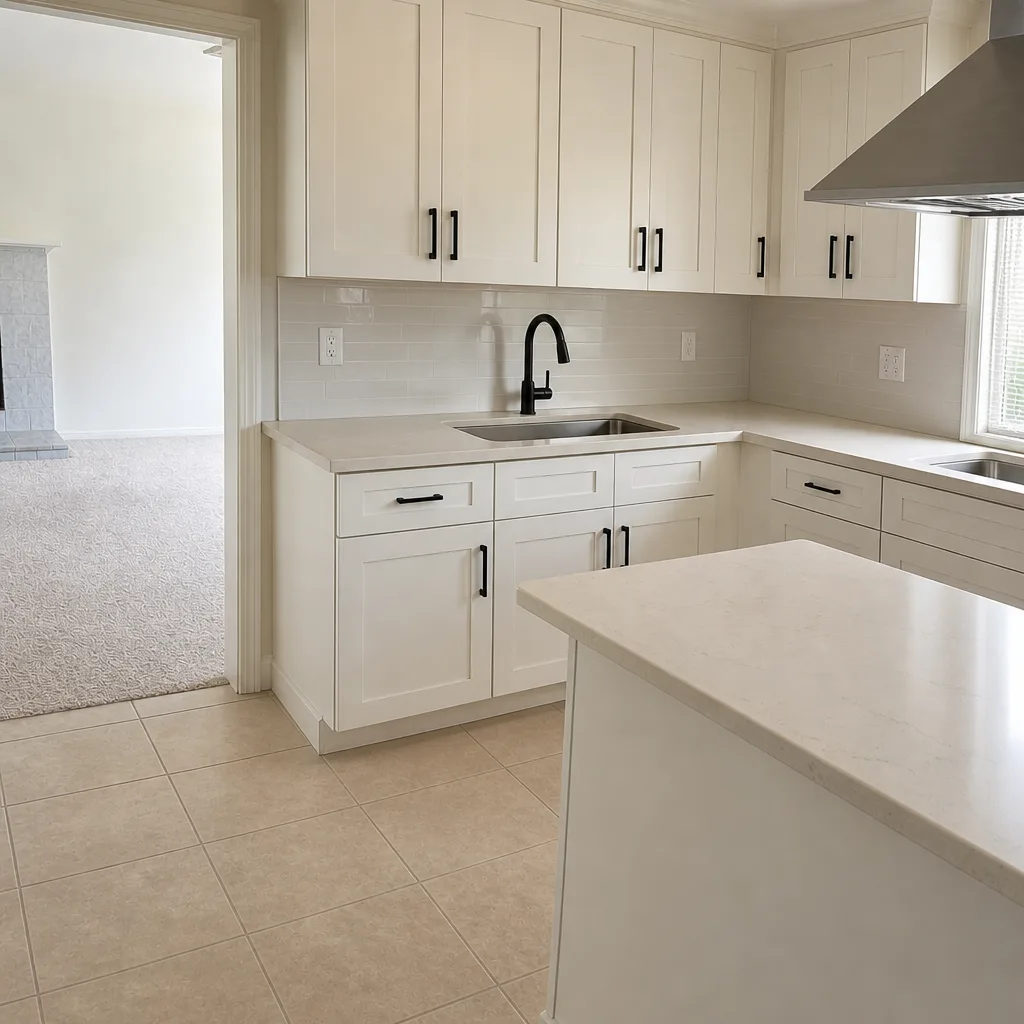 After
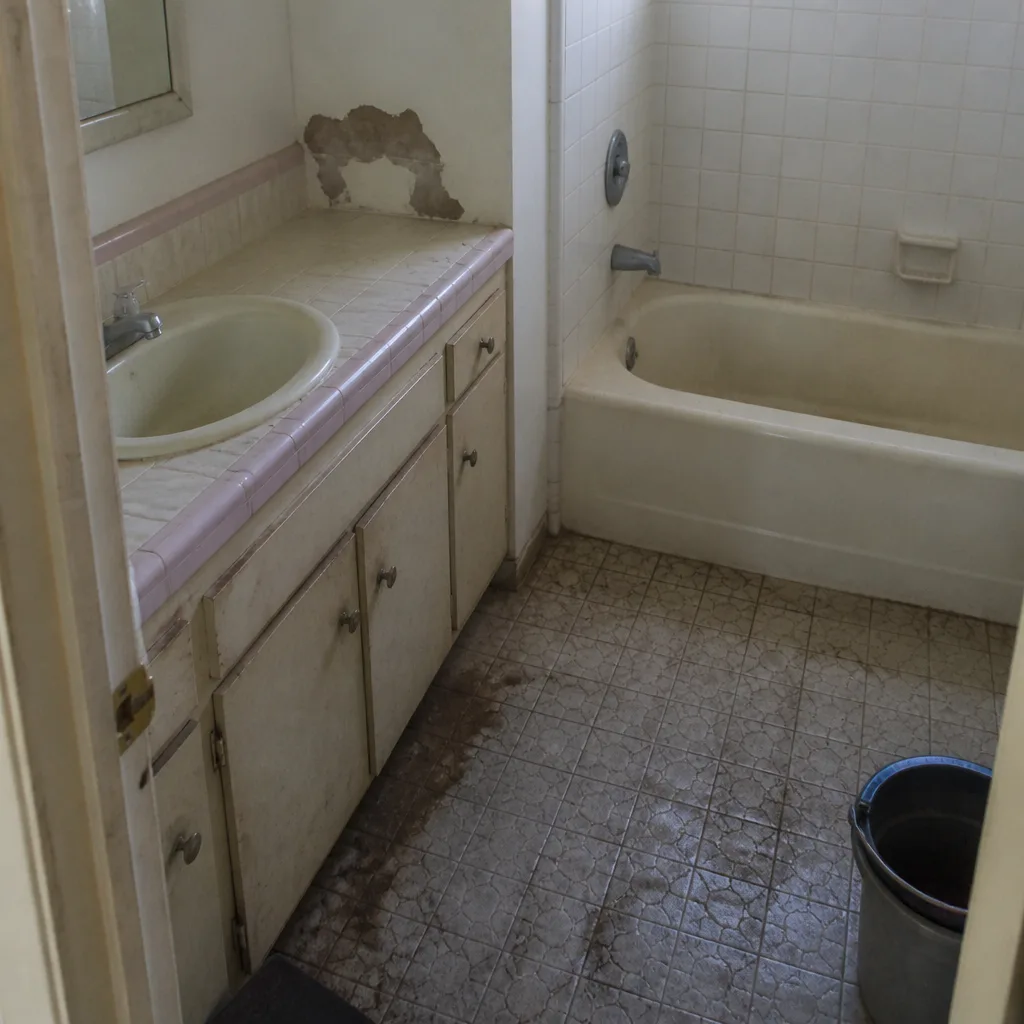 Before
 After
 Before
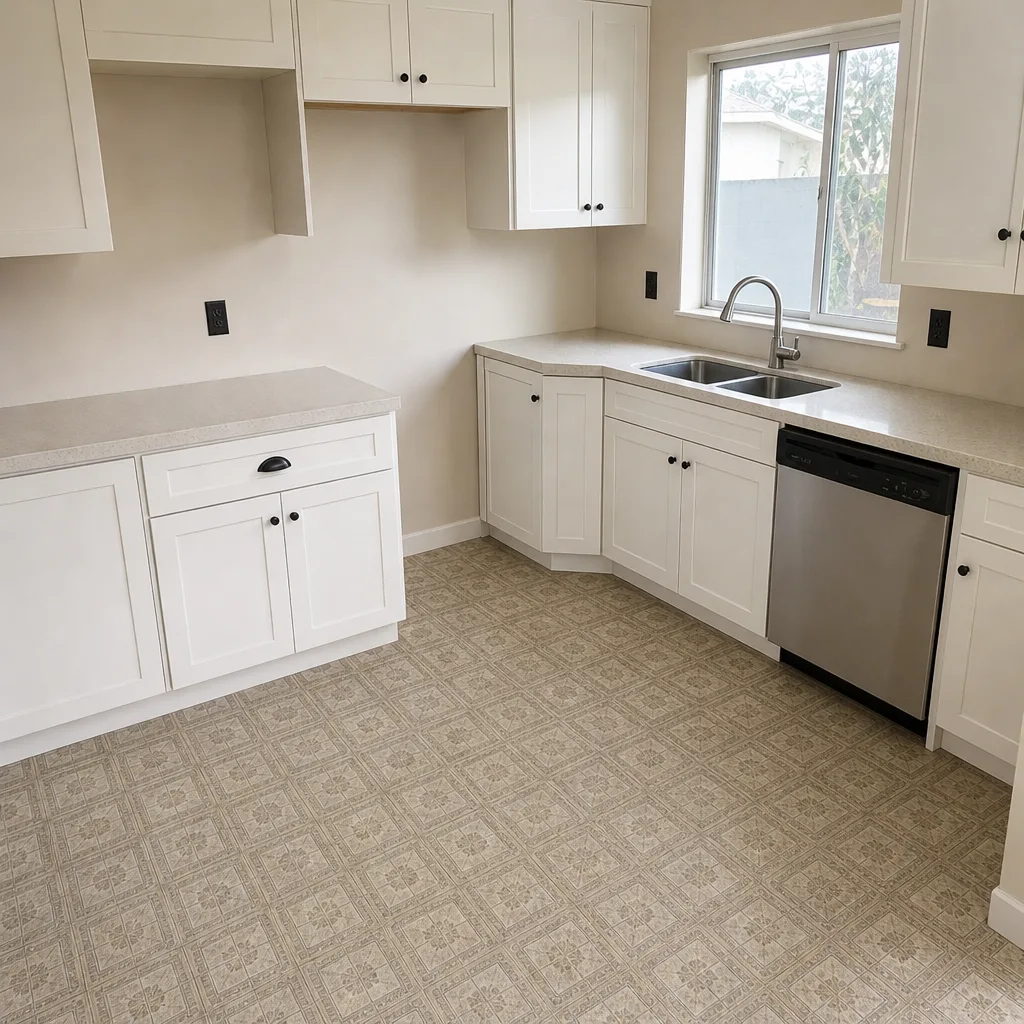 After
When to Call a Professional
Some items on this list are homeowner tasks. Caulk inspection, vent clearing, and grading walks are all things most owners can do with a notepad and a screwdriver. The list changes when you find certain problems:
- Stucco damage that exposes the substrate, or any crack wider than a hairline with staining or rust.
- Water intrusion inside a wall cavity, or interior drywall damage you can’t trace to a fixture.
- Attic vent screens that are torn, or attic mold.
- Roof flashings with failed sealant, missing shingles, or soft spots.
- Any electrical panel concern, any garage door spring or cable issue, and any grading that needs regrading work.
Bradford Remodeling Co Mission Viejo offers free estimates in Mission Viejo. Call (833) 734-2429 and a live person answers – not a voicemail queue. We’ll walk the property, document what we find, and put a written estimate in your hands before any work begins. You don’t have to hire us to get a straight answer; the walkthrough is free.
Frequently Asked Questions

Every two to five years on shaded walls, and more frequently on south- and west-facing exposures where UV and thermal cycling push the material harder. Inspect twice a year and re-caulk any joint that’s hard or pulling away. Waiting until you see water inside means the substrate has already been exposed.
Both serve different purposes. A home inspector documents current condition for a transaction; a contractor walkthrough looks at trajectory and gives you real numbers to budget against. If you’re remodeling, get the contractor walkthrough first. Call (833) 734-2429 for a free estimate in Mission Viejo and we’ll document findings line by line.
Drainage grading and foundation moisture. Clay absorbs slowly and moves when it’s wet, so the grading around your foundation needs to fall away from the house about six inches over ten feet. Consistent moisture is the real fix – dry summers followed by wet winters put more stress on the foundation than any single event.
Before, and after. Do the inspection in late summer or early fall so you have time to fix flashings and sealant before Santa Ana winds and the first rain. Then walk the perimeter after the first real rain to spot any leak paths or ponding zones the summer inspection missed.
Small hairline cracks and surface caulk are realistic homeowner work with the right materials. Anything exposing substrate, any crack over 1/8 inch, or any damage near a window and door perimeter needs a professional assessment. Same rule applies to roof flashings – don’t get on a roof to fix what you’re unsure about.
Our walkthrough is free. You get a written price before any work starts, every line item in writing, and the 365-Day Done Right Promise on any project we complete – if it fails within a year, we return and make it right at no charge. Call (833) 734-2429 to schedule yours; live person answers, day or night.
The Bottom Line
Mission Viejo’s maintenance reality doesn’t match the cold-climate checklists most homeowners find online. The real threats here are UV degradation on south- and west-facing surfaces, dry Santa Ana wind cycles that expose weak points in vent screens and roof flashings, and drainage issues in clay-heavy soil. Inspect exterior caulk, stucco, glazing, and coatings twice a year. Walk grading and roof flashings annually. Never touch garage door springs or electrical panels yourself. Those are the tasks that prevent most of the repairs we’re called out on. Everything on this checklist is triage – you’re catching the small failures before they become expensive ones. When something needs real repair, call Bradford Remodeling Co Mission Viejo at (833) 734-2429. We’ll walk the property, document what we find, and give you a written price before any work starts. Back to the Bradford Remodeling Co Mission Viejo home page for more on how we work.
Written by the team at Bradford Remodeling Co Mission Viejo.