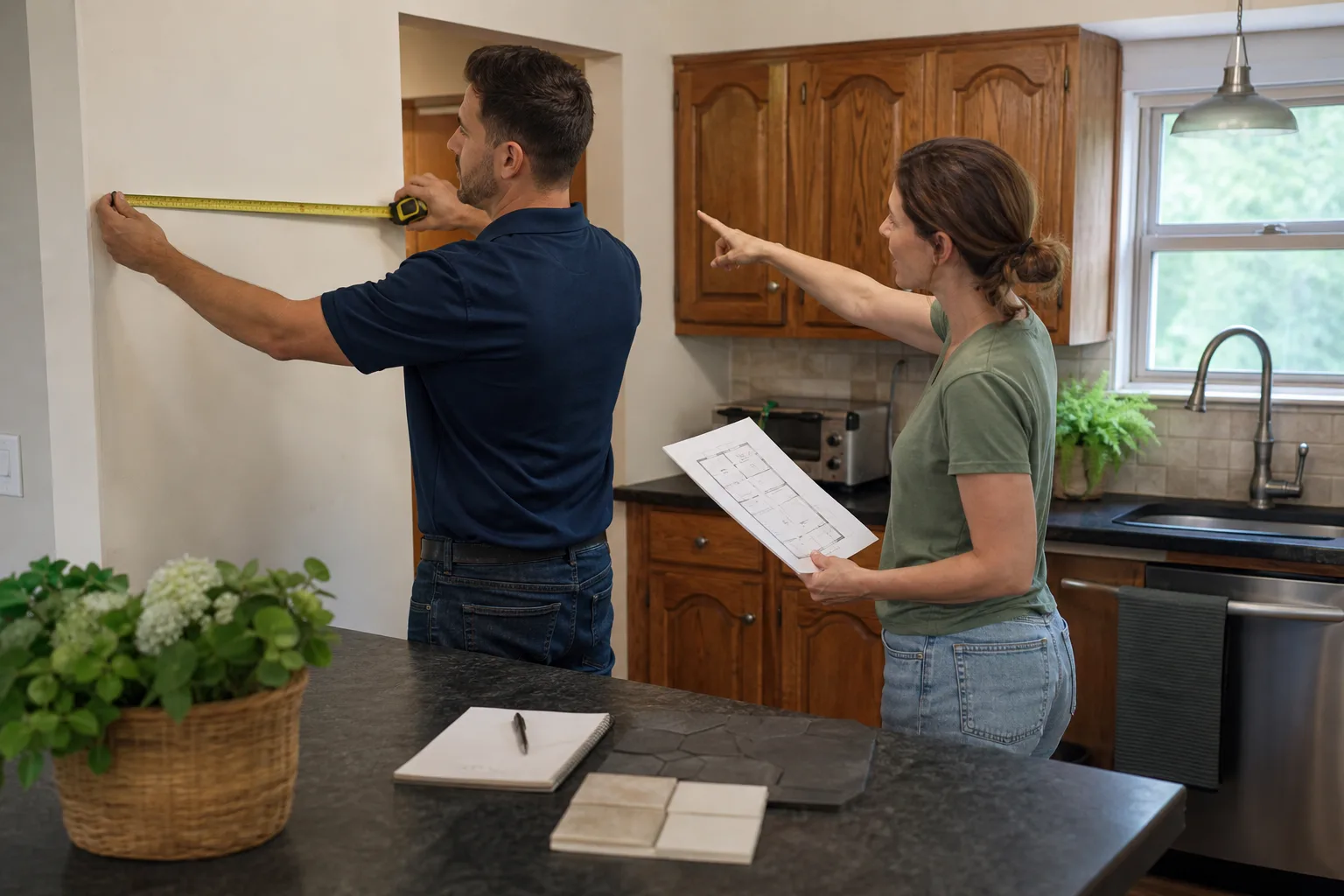









Free written scope consultation - allowances, timeline, and change-order rules on paper before a single trade is scheduled
Grohe Roofing: The Mission Viejo Owner’s Guide
Roof flashing and roof-drain components that carry the Grohe name are replaced, not patched, and in Mission Viejo a straightforward swap usually runs $400-$1,800 as a repair, or folds into a full roof replacement at $8,000-$20,000 when the decking underneath has taken water. We handle these as scheduled work, not emergency call-outs, and we give you a written price before anything starts.
Most Mission Viejo owners find out something is wrong the same way: a brown ring spreads across a ceiling near a valley or a chimney, or a bucket shows up in the garage after the first real rain of the season. The roof looked fine from the driveway. What failed is the small transition piece, and by the time water reaches the drywall it has usually been leaking for months.
Key Takeaways
- Grohe roof-drain and flashing parts come in nominal metric sizes that don’t match standard U.S. roof jacks, so the part has to be matched to the model, not guessed at the supply house.
- Mission Viejo’s dry summers and sudden winter rain events are hard on seals: the material bakes for eight months, then gets tested all at once.
- Small parts are cheap. The labor to get to them safely is the real cost, and that’s what a written quote should break out.
Which Grohe Models This Applies To
Grohe’s roof-drain and flashing line isn’t one universal part. The body size, outlet diameter, and clamping ring change between series, and the model number stamped on the drain body or the flashing collar is what you match against. Find the label on the underside of the drain flange or the collar plate, photograph it, and note the pipe or outlet size in inches. Bring those two facts to anyone quoting the work and the guesswork disappears.
Where Grohe-specific parts are concerned, the compatibility gotcha is sizing. Grohe designs to metric nominal sizes, so a “3-inch” outlet on paper often measures closer to 75mm or 110mm depending on the series, and a standard hardware-store roof jack won’t seat against the same collar. If you’re comparing an OEM Grohe part against a quality aftermarket equivalent, match the outlet diameter, the flange diameter, and the clamp bolt spacing first. Aftermarket equivalents that meet those three dimensions are a legitimate option and often cost less. Ones that are close but not exact will weep at the seam within a season. We’re an independent service provider, not affiliated with Grohe, so we source to the spec you give us rather than defaulting to a branded box.
If your project touches the kitchen or bath at the same time, we also work with KraftMaid, Cambria, and Silestone, among other documented brands.
Styles & brands we work with
- Kitchen remodeling
- Bathroom remodeling
- Home additions & ADU
- Roofing
- Windows & doors
- Driveway & pavers
- Fence
Signs Your Grohe Roofing Is Failing
Roof-drain and flashing failures show up in a predictable order. Five things to watch for in Mission Viejo:
- A water stain on the ceiling or top plate below the roofline. This is the first visible symptom and it means water has been traveling down a rafter for weeks, not days. The source is usually a failed seal at the flashing or drain collar, not the shingles themselves.
- Rust or mineral staining on the fascia or soffit. Water is following the roof edge and depositing mineral residue as it evaporates. In Mission Viejo’s dry air, the stain stays after the leak stops, so don’t assume the problem is gone because the ceiling dried out.
- Lifted or curled shingles within a few feet of the drain or flashing. The collar is holding water against the shingle edge instead of shedding it, and the shingle is dying from the underside. This gets worse every summer the sun hits it.
- Granules in the gutter below the drain. Shingle granules washing off in a line point to water running where it shouldn’t. That’s a flashing or drain failure, not normal wear.
- Water backing up during a heavy rain event. Grohe drains sized for a slower climate can be undersized for a sudden Mission Viejo downpour, and if the outlet clogs or the seal has failed, water ponds at the collar and finds the path of least resistance.
One pattern we see locally: after a dry winter, the first real storm in Mission Viejo exposes failures that have been quietly sitting since the previous spring. Seals that baked all summer pull away, and owners discover the problem all at once.
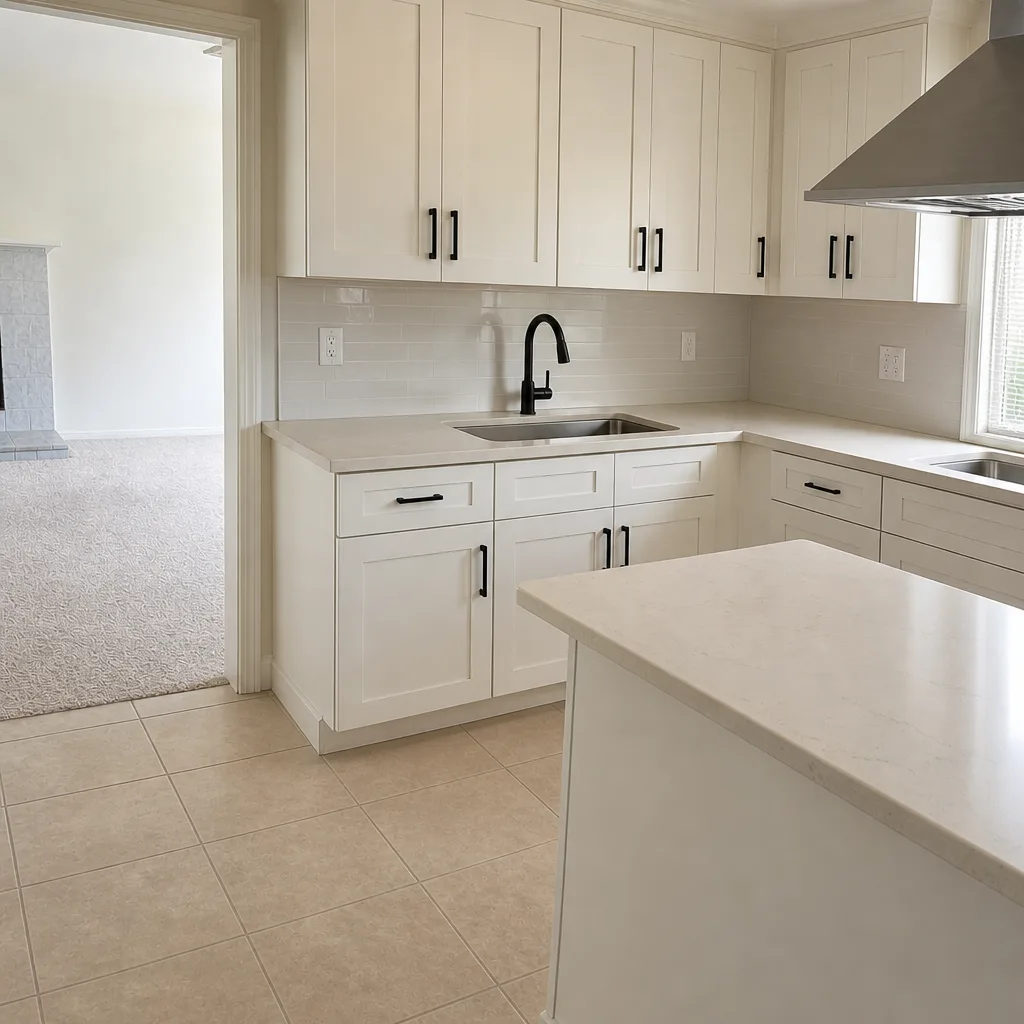
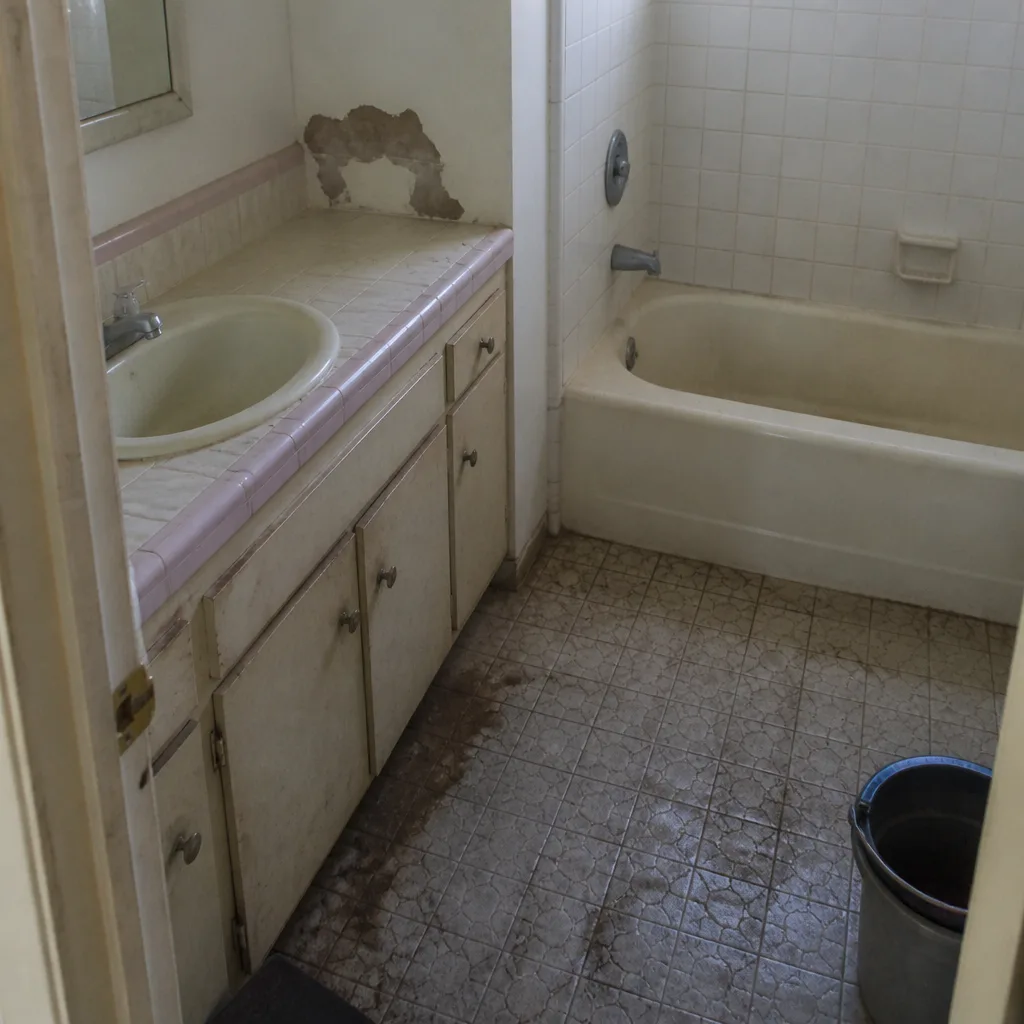
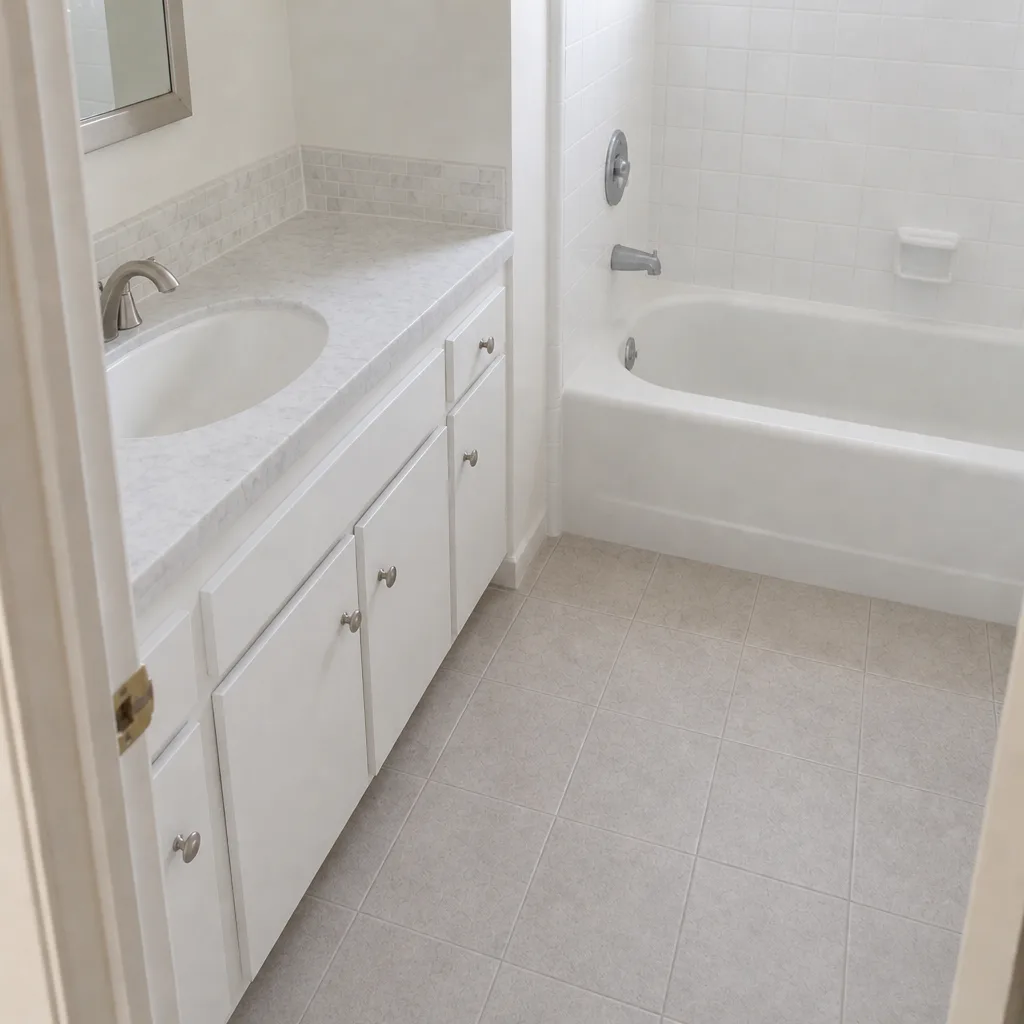
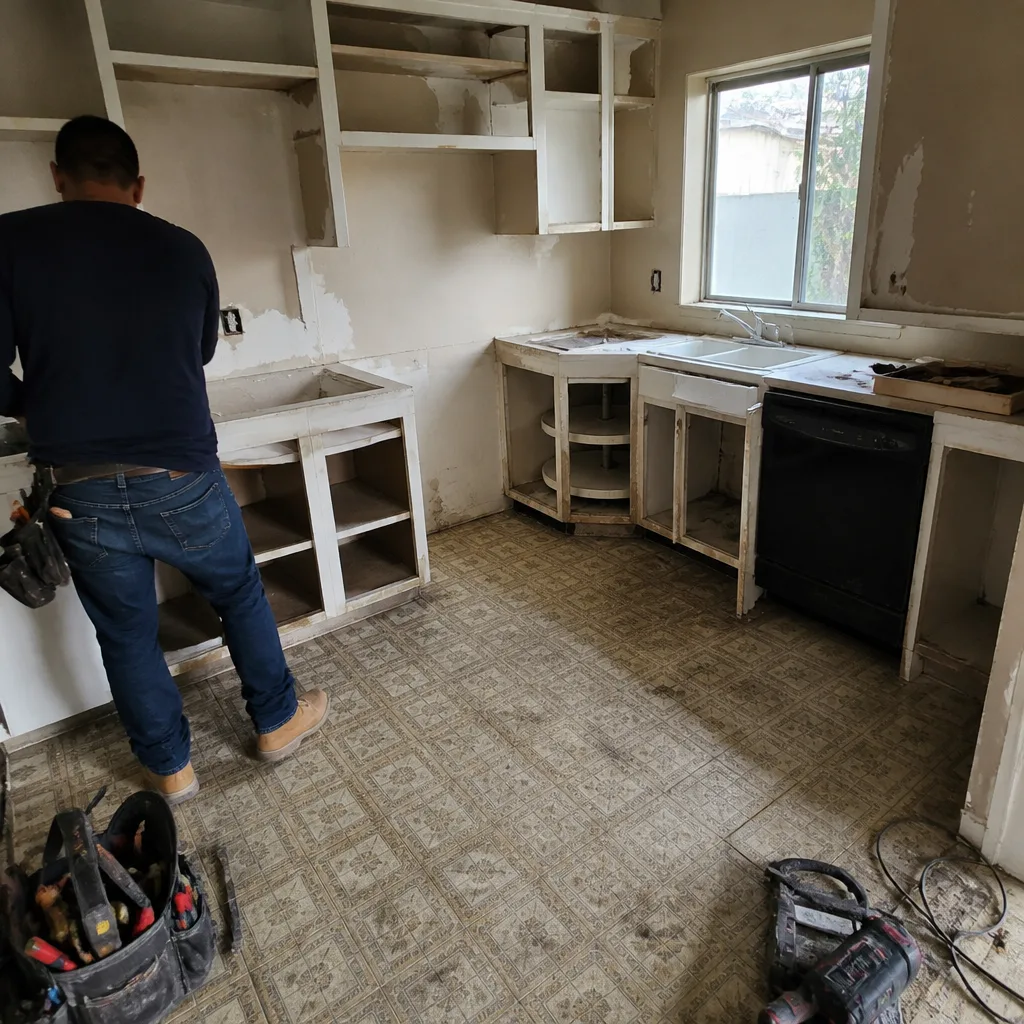
See the difference
 Before
 After
 Before
 After
 Before
 After
Replacement Cost & What’s Included

Here’s what roof flashing and drain repair actually costs in Mission Viejo, broken out so you can see what you’re paying for:
| Work | Typical Installed Range |
|---|---|
| Roof repair (flashing, drain collar, localized leak) | $400-$1,800 |
| Tile roof repair (matching and reseating tile around the drain) | $600-$2,500 |
| Full roof replacement (with new flashing and drain) | $8,000-$20,000 |
| Metal roof installation (with integrated flashing) | $15,000-$40,000 |
The repair range covers the part, sealant, and labor, plus safe access. What drives the number up: the height and pitch of the roof, whether tile has to come up and be matched, and whether the underlying decking is soft from long-term water exposure. A straightforward collar or flashing swap on a walkable single-story roof sits at the bottom. A steep two-story tile roof with rotten decking sits at the top.
Every quote from us is written line-by-line before any work begins: part, labor, and what’s included. No number moves at the door. The finished repair carries our 365-Day Done Right Promise, which is a written, full-year guarantee: if it fails inside that window, we come back and correct it at no charge.
DIY or Call Us?
The honest split: you can safely check the drain from the ground with binoculars, note the model number, and measure the outlet size. You can spot a ceiling stain and trace where it’s coming from. That’s it, and that’s worth doing before you call.
What you shouldn’t do is get on a pitched roof or a ladder to lift a flashing collar yourself. Roof access is where serious injuries happen, and reseating a flashing correctly requires the shingle or tile to come up and be reinstalled in the right order. A collar that’s “sealed” from the top without the correct lap will leak again by the next rain, and each failed attempt adds cost. The part is cheap. The fall or the repeat call-out isn’t.
Have the model info ready and call (833) 734-2429 to schedule a free estimate.
FAQs

How long does a Grohe roof drain or flashing last in Mission Viejo?
A correctly installed part should hold 15 to 25 years, but Mission Viejo’s climate cuts into that. Eight months of dry sun bakes the seal, then a single storm tests it all at once. If your part is more than 12 to 15 years old and showing any of the symptoms above, plan the replacement before the next rain, not after.
Can it be repaired instead of replaced?
Sometimes yes: a lost screw, a clogged outlet, or a single compromised seal can be corrected. If the flashing itself has corroded or the decking under it has gone soft, repair is throwing money at a problem that will come back. We inspect the decking as part of the quote, so you get an honest answer either way.
How long does the swap take?
A straightforward flashing or collar replacement takes a few hours, including cleanup. If tile has to come up and be matched, or the decking needs repair, it can run a full day. You’ll have a written scope and timeframe before work starts.
How do you source the part?
We match the Grohe model number and measured outlet and flange sizes to an exact-fit OEM part or a quality equivalent that meets the same three dimensions. We don’t guess at the supply house. If the exact match needs to be ordered, we tell you the lead time before we take the job.
Call (833) 734-2429 for a free estimate. A live person answers, day or night.
Written by the team at Bradford Remodeling Co Mission Viejo, serving Mission Viejo and nearby areas.