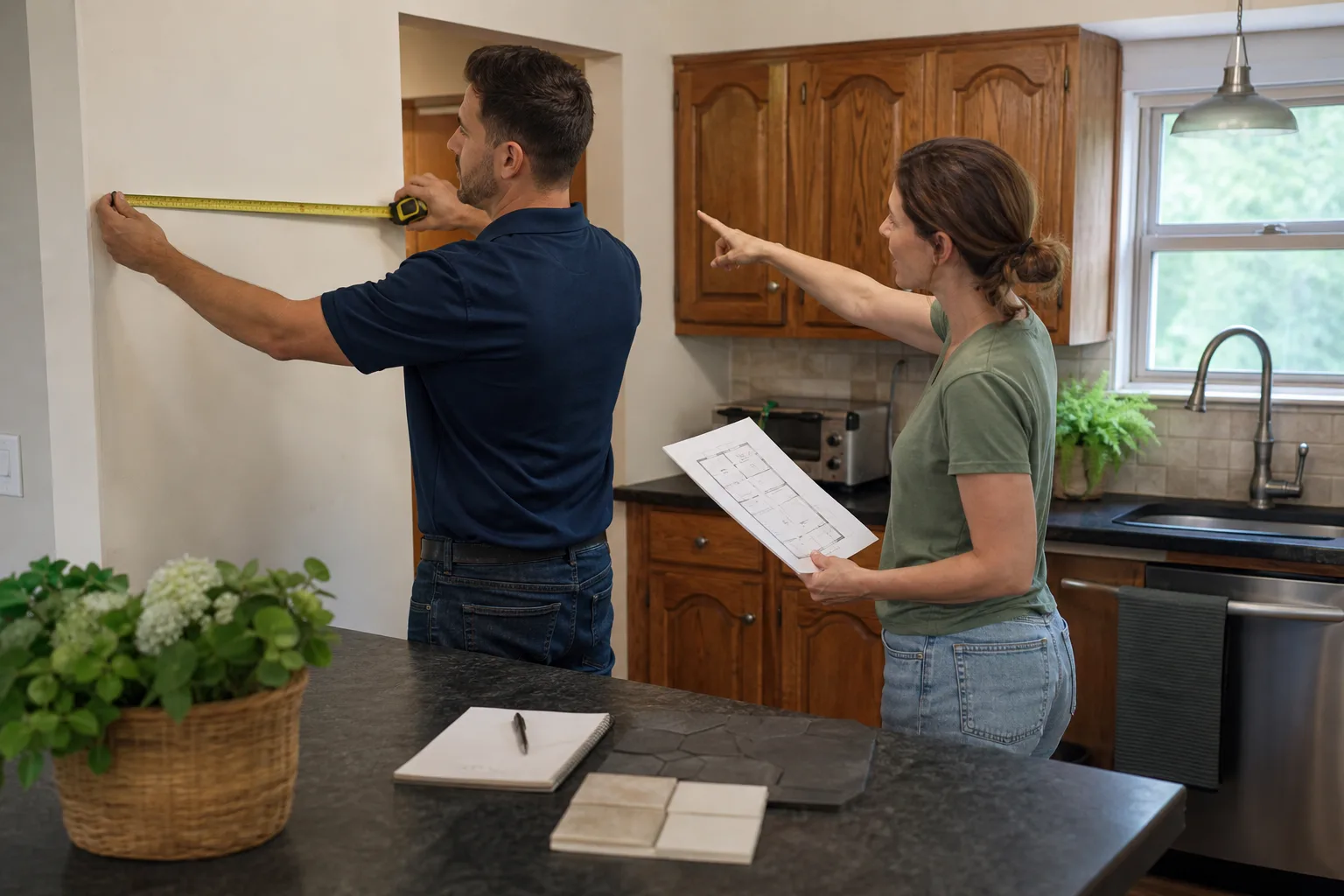
Free written scope consultation - allowances, timeline, and change-order rules on paper before a single trade is scheduled
Styles & brands we work with
- Kitchen remodeling
- Bathroom remodeling
- Home additions & ADU
- Roofing
- Windows & doors
- Driveway & pavers
- Fence
See the difference
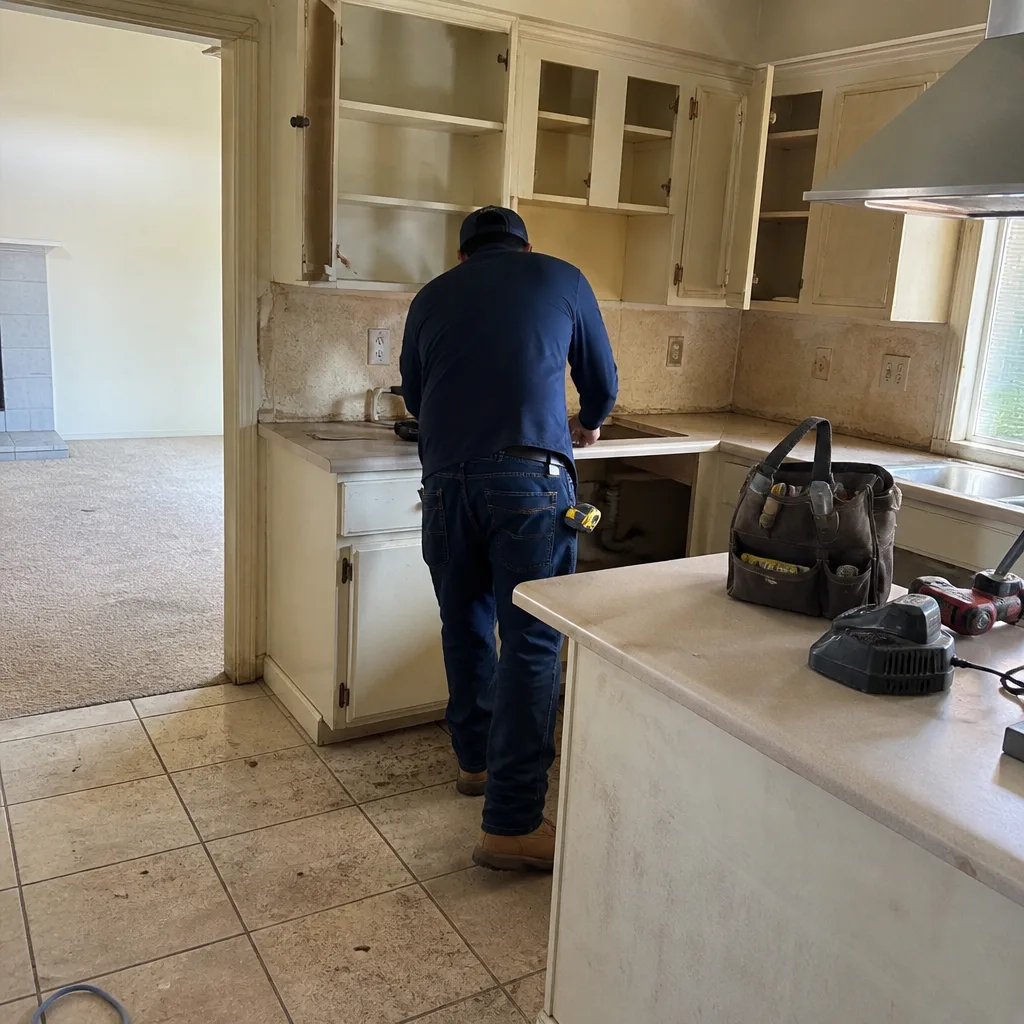 Before
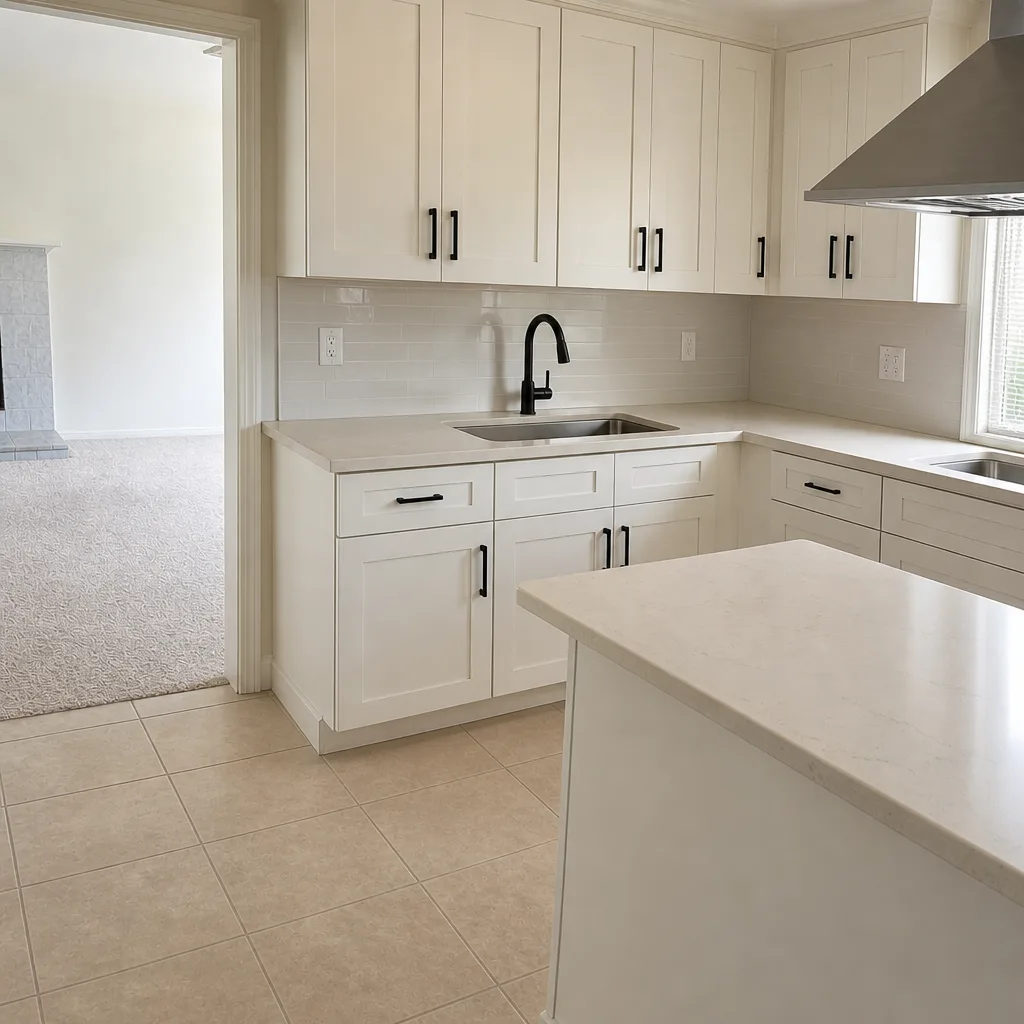 After
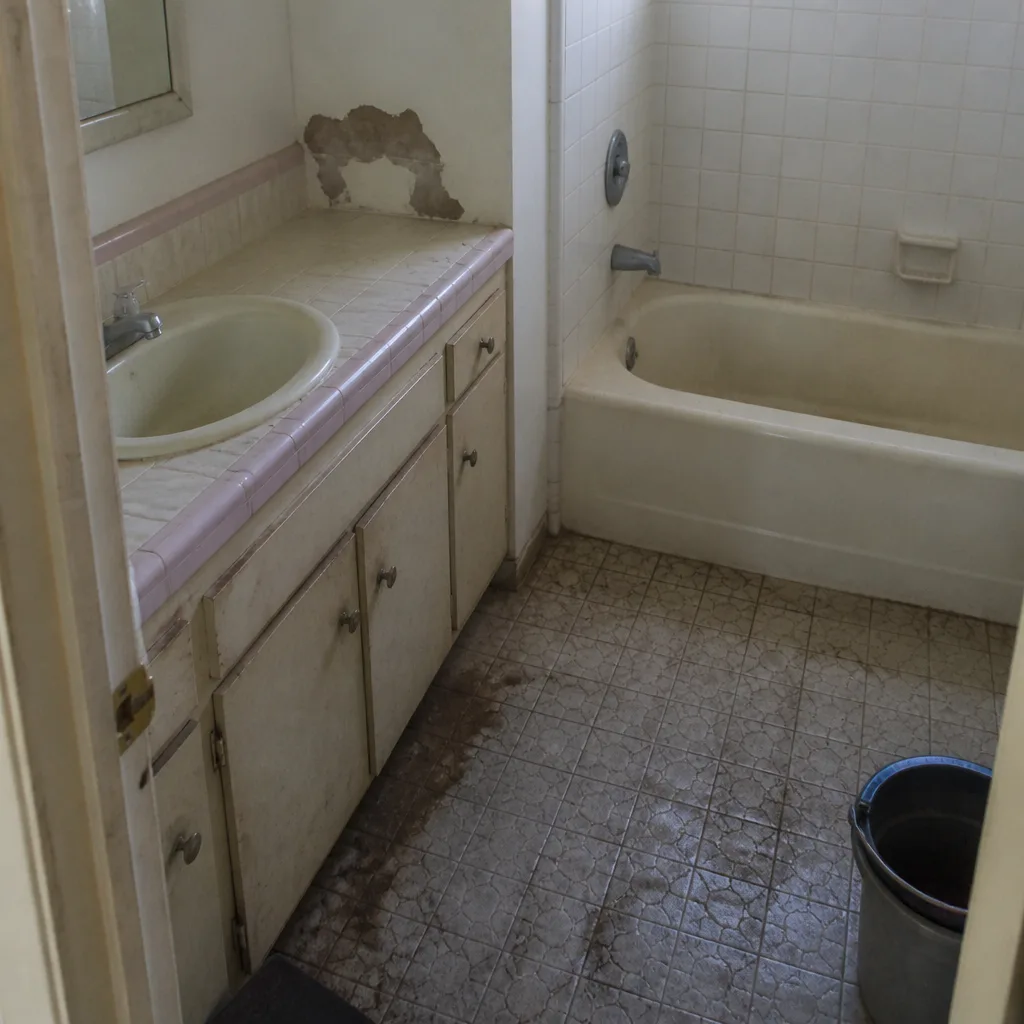 Before
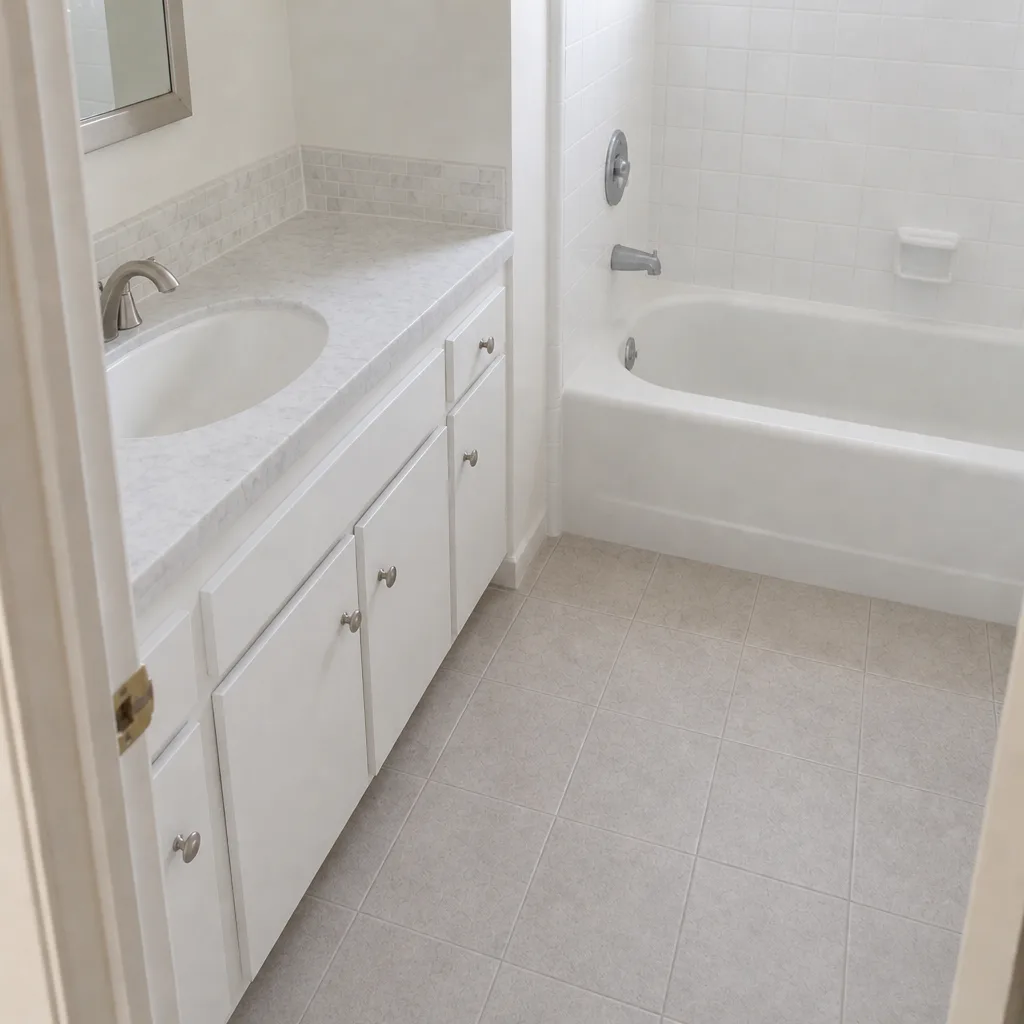 After
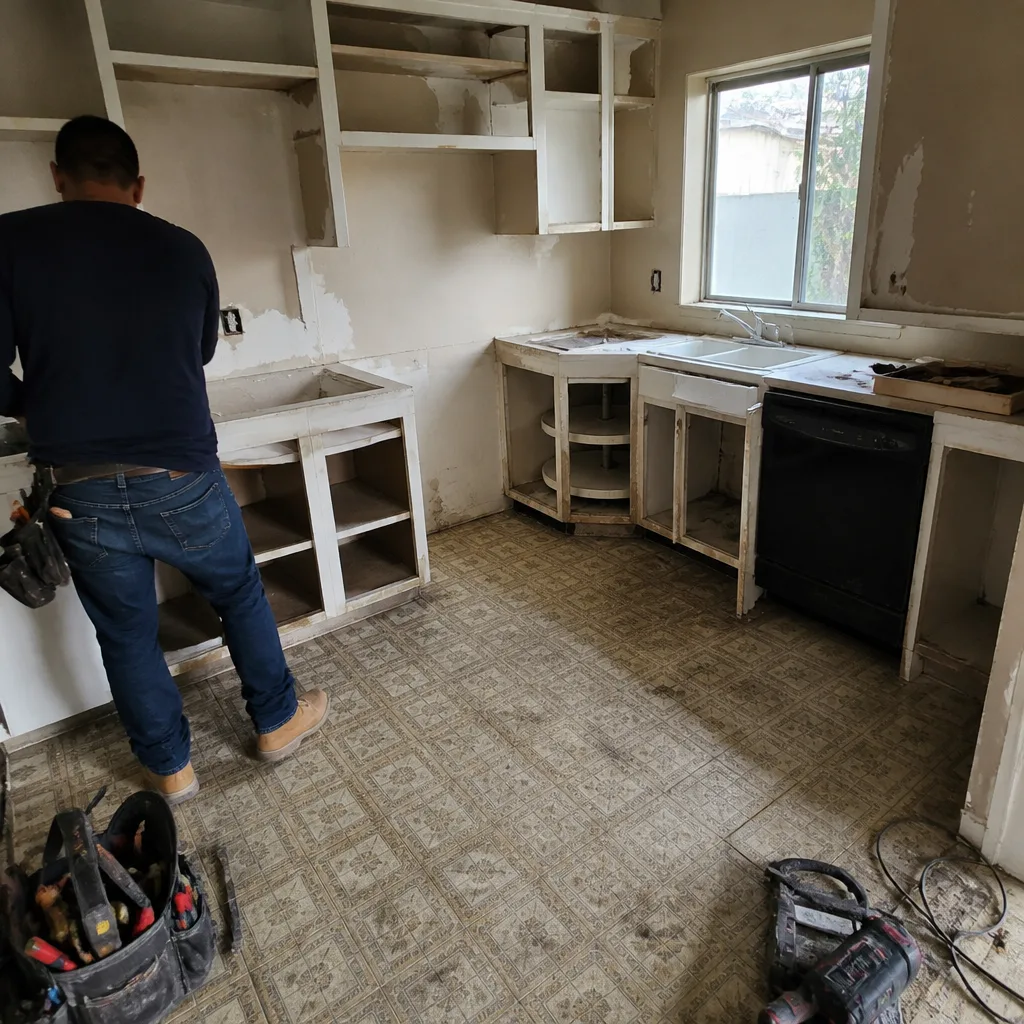 Before
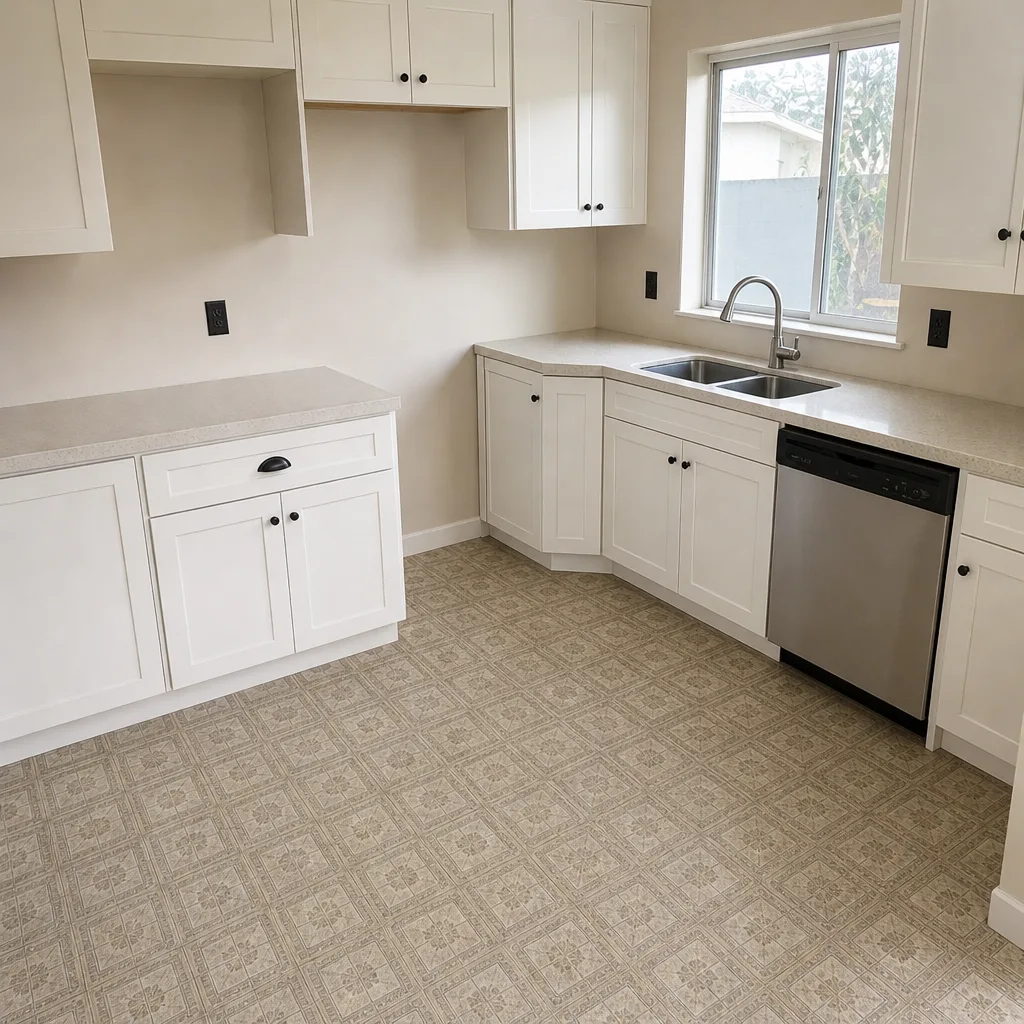 After
Attached vs Detached ADU in Mission Viejo: Which One Fits Your Lot?
For most Mission Viejo homeowners weighing an attached vs detached ADU, the honest answer is this: choose a detached ADU unless your lot is too shallow or your HOA setbacks leave no footprint, in which case an attached unit wins. Detached units usually cost less to permit and build in this housing stock because they avoid retrofitting fire separation and electrical capacity into a 1970s tract home. The exception is real, though – on tight association lots, attached often captures more livable square footage. Call (833) 734-2429 and we’ll put both scenarios in writing so you’re comparing actual numbers.
A little about why this question lands differently in Mission Viejo than it does on a generic ADU blog. This is one of the largest master-planned communities of the 1960s and ’70s, laid out by the Mission Viejo Company under association and city design-review rules that still govern most exterior changes today. That means the core of the work here is adding to a homogeneous, half-century-old suburban fabric – original aluminum branch wiring, galvanized plumbing, 100- or 150-amp panels – while threading an HOA architectural review. Those constraints, not the national average, are what actually decide attached or detached.
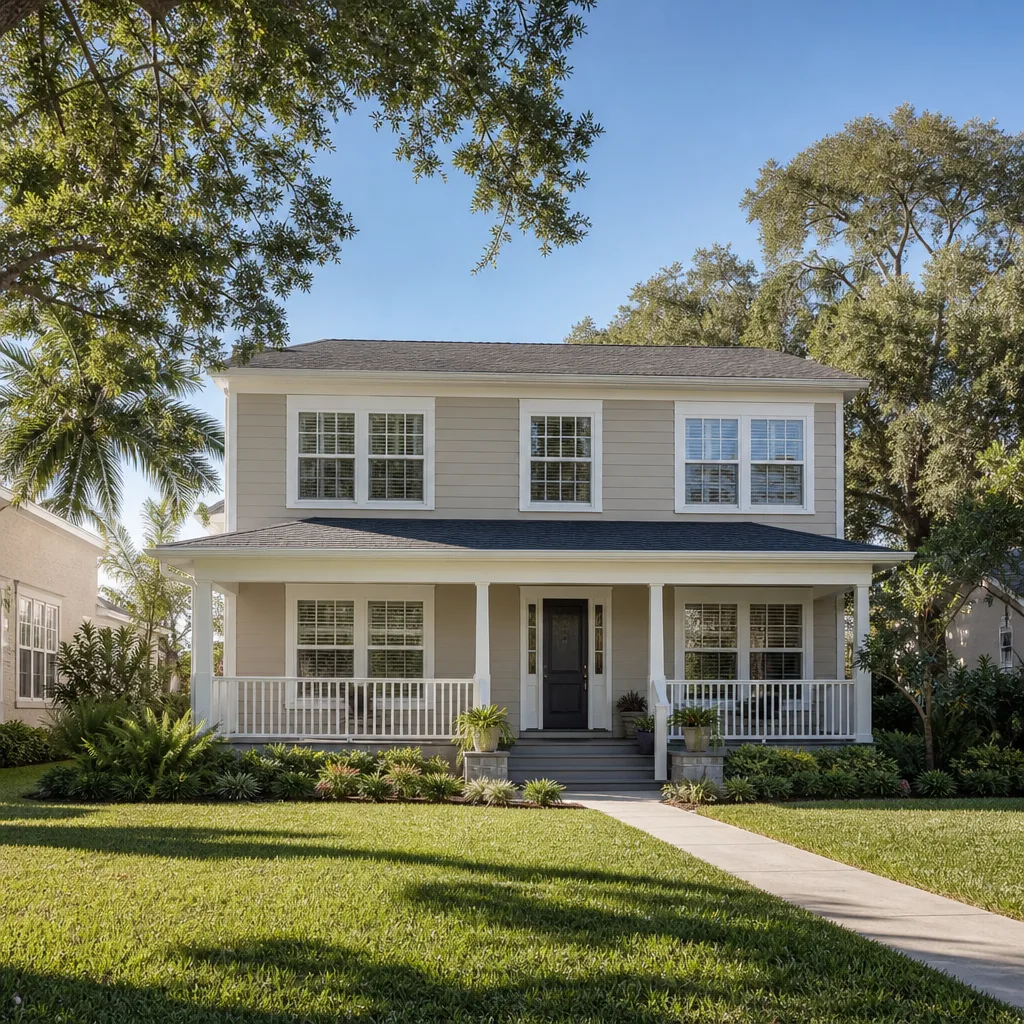
Start Here: Is Your Property in a Fire Hazard Severity Zone?
If your Mission Viejo home sits in an identified Fire Hazard Severity Zone, an attached ADU triggers requirements a detached unit can sidestep. Check the CAL FIRE FHSZ map before you design anything. In the city’s wildland-urban interface areas, Chapter 7A of the California Building Code applies to new construction – and an attached ADU counts as new construction. That pulls in one-hour fire-rated wall assemblies between the ADU and the main dwelling, ignition-resistant exterior cladding, and ember-resistant vents. On a 1970s wood-frame house, retrofitting that one-hour separation into existing framing can cost more than pouring a slab and framing a detached unit from scratch.
Here’s the trade-off in plain terms: a detached ADU using James Hardie cladding on a clean new foundation meets the same ignition-resistant standards with standard materials and far less labor. No cutting into the existing wall assembly, no fire-rated retrofit of interior framing. The fire-safety cost that would have gone into the main house instead goes into a better envelope on the new structure.
- Attached: one-hour fire-rated separation wall, ignition-resistant siding, ember-resistant vents – all applied to an existing wall assembly that has to be opened up.
- Detached: same ignition-resistant and ember-vent rules, but applied to new construction on a new foundation, with no interior retrofit.
- Wildcard: the FHSZ boundary cuts across parts of the city, so two neighbors a block apart can face different rules. Confirm the parcel before you draw anything.
What About the Electrical Panel and the Sewer Lateral?
An attached ADU shares the main home’s electrical panel. Most Mission Viejo tract homes still run the original 100-amp or 150-amp service, and that’s undersized for a second dwelling unit with its own range, HVAC, and water heater. A panel upgrade to 200-amp service is a near-certain cost on attached ADU projects here – not an option, a line item. Detached units can get their own service and meter, which sometimes simplifies the load calculation and sometimes means a longer trench from the street.
The sewer tells a similar story in reverse. An attached ADU can often tie into an existing cleanout, keeping the plumbing run short. A detached unit almost always needs a new lateral run across the yard. On lots with original 1970s clay pipe – and plenty of them still have it – that run may require spot-lining or full replacement before it passes. We flag both the panel and the lateral during the site walk, because those are the two line items that most often surprise homeowners after they’ve picked a footprint.
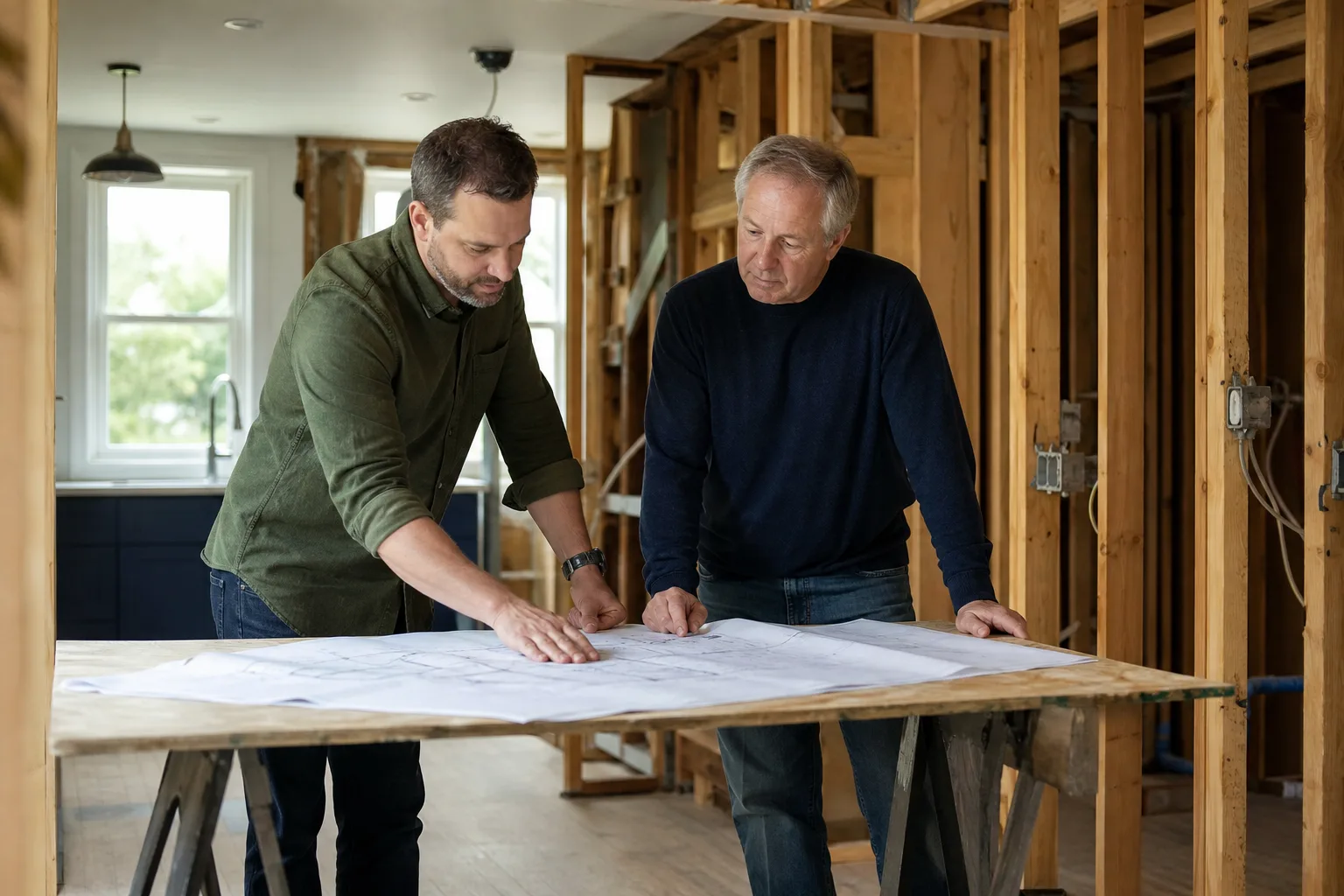
Setbacks, Height Caps, and Why Attached Sometimes Wins
Detached ADUs in Mission Viejo’s association tracts face tighter setback rules – typically 5 feet at the rear and 3 feet at the side – plus height caps around 16 feet that limit usable floor area on shallow lots. On a narrow parcel, those setbacks can shrink a detached footprint until the square footage doesn’t pencil out. That’s the case where attached earns its place: it can sometimes capture more livable square footage within the same envelope because it borrows the main home’s wall instead of surrendering a setback to open air.
So the decision framework comes down to three checks, in this order:
- FHSZ status. In a hazard zone, the one-hour separation retrofit usually tips the scale toward detached.
- Lot depth and setbacks. Shallow lot with tight HOA setbacks? Attached may hold more livable space.
- Panel and lateral condition. Original 100-amp panel and clay sewer favors detached; a home already upgraded to 200-amp copper favors attached.
What Does an ADU Cost in Mission Viejo?
ADU construction in Mission Viejo runs $90,000 to $220,000 depending on footprint, site work, and whether the unit attaches to the existing house. That whole range sits inside our broader home-addition work, which lands between $45,000 and $130,000 for additions that don’t include a full second dwelling. The table below shows where the money actually goes, using real Mission Viejo ranges rather than national averages.
| Line Item | Typical Cost |
|---|---|
| ADU construction (full project) | $90,000 - $220,000 |
| Home addition (non-ADU) | $45,000 - $130,000 |
| Garage conversion (simplified path) | $30,000 - $80,000 |
| Electrical panel upgrade to 200-amp (attached ADU) | Added cost, quoted with scope |
| New sewer lateral across yard (detached ADU) | Added cost, quoted with scope |
The fire-rated assembly, the panel, and the lateral are the three variables that swing an attached-vs-detached budget by tens of thousands. A garage conversion can trim the entry cost to $30,000 to $80,000 if you have a garage that’s convertible and you’re willing to give up the parking space. Changes to the main kitchen or bath often ride along with a detached build, and those ranges hold steady – a kitchen remodel at $14,000 to $45,000 and a bathroom remodel at $9,000 to $28,000 if you’re updating the house while the crew is on site.
Every one of those numbers gets put in writing before a single tool comes out. That’s The Garrison Standard – a written price, non-negotiable, no numbers that move at the door. When the work is done, the 365-Day Done Right Promise covers it: if anything fails within a full year, we return and correct it at no charge. Materials come from a documented roster – James Hardie for cladding, KraftMaid and Wellborn cabinetry, Cambria and Caesarstone surfaces, Kohler and Moen fixtures – so specifications stay traceable. Our technicians have up to 22 years of experience, and every job is staffed with background-checked, uniformed technicians whose identities are confirmed before they knock. A live person answers the phone around the clock, which matters when a question about a permit or a footprint can’t wait until Monday.
How Do We Compare Both Options Honestly?
We scope both configurations on the same project. That’s the operating rule here – you don’t get a detached quote with a shrug about attached, or vice versa. When we walk your Mission Viejo property, we produce a site-specific written scope for the attached version and the detached version side by side, so you’re comparing real local numbers instead of an article that quotes $200,000 because that’s the number for San Diego. You get line items that reflect your panel, your lateral, your FHSZ status, and your HOA’s setback sheet – not someone else’s.
The larger story of the area is in our Mission Viejo service area page, and if you’re still mapping the broader project before you commit to ADU, the home page walks through the full scope of what we build. For a comparison of how this looks in nearby cities with different stock, our guides to home additions in Mission Viejo, ADU construction, and garage conversions are the natural next reads. If you’re weighing a kitchen update to run alongside the build, see kitchen remodeling, and for a bath refresh, bathroom remodeling. Homeowners comparing other trades in the area often start with roofing and window replacement, since a new roof or impact windows can factor into the ADU envelope. Our driveway and fencing guides cover the site-work side, and if the project turns into a full-house effort, whole-home remodeling lays out the sequence. You can also read about concrete work for the foundation and flatwork, and patios if the plan includes outdoor living space around the unit.
When we’re done, we close out the job squared away: clean site, documented scope, and a signed written guarantee in your hand. That’s the end of a Bradford Remodeling Co Mission Viejo project, attached or detached.
Frequently Asked Questions
Detached is usually cheaper in Mission Viejo because it avoids the one-hour fire-rated wall retrofit and the near-certain 200-amp panel upgrade that an attached ADU requires in 1970s tract homes. The one-hour separation assembly and electrical capacity work add line items to an attached project that a detached unit on a clean foundation doesn’t carry. Detached does pick up a new sewer lateral, but that single cost is often smaller than the combined fire-separation and panel work. Call (833) 734-2429 for a written side-by-side on your exact lot.
Yes, if your property falls inside a Fire Hazard Severity Zone. Chapter 7A of the California Building Code applies to new construction in FHSZ areas, and an attached ADU counts as new construction, so it needs a one-hour fire-rated separation wall, ignition-resistant exterior materials, and ember-resistant vents. Check the CAL FIRE FHSZ map before you design – two parcels a block apart can land on opposite sides of the line. Call (833) 734-2429 to confirm your parcel and get a real scope.
Almost never at original capacity. Most Mission Viejo tract homes still run 100-amp or 150-amp service, which is undersized for a second dwelling unit with its own HVAC, range, and water heater. Budget for a 200-amp upgrade as a near-certain line item on any attached ADU. A detached unit can sometimes carry its own service instead, whichever calculation is cleaner. Call (833) 734-2429 and we’ll run the load math with you.
Often yes. Detached ADUs in Mission Viejo’s association tracts face setbacks of about 5 feet at the rear and 3 feet at the side plus height caps near 16 feet, and on a shallow lot those limits can shrink the usable floor area until the plan doesn’t pencil out. Attached units sometimes capture more livable square footage because they borrow the main home’s wall instead of giving up a setback. The only reliable way to know is a site walk. Call (833) 734-2429 for a no-pressure assessment.
Ready to Decide Attached or Detached?
We’d rather explain the trade-offs than push you toward either footprint. Bradford Remodeling Co Mission Viejo scopes both options on the same lot in writing, so your decision rests on real numbers – your panel, your lateral, your FHSZ status, your HOA sheet. No pressure, no moving numbers at the door, and a written guarantee when the work is done. Call (833) 734-2429 for a free estimate in Mission Viejo.
Written by the team at Bradford Remodeling Co Mission Viejo, serving Mission Viejo, CA.