Last updated November 17, 2026







Free written scope consultation - allowances, timeline, and change-order rules on paper before a single trade is scheduled
DIY vs Professional Home Remodeling: What’s Safe to Do Yourself
In California, a homeowner can legally pull their own permits and do their own remodeling work in many cases. Here’s the part that surprises people: the same law says nothing about protecting your wallet when you skip it. Unpermitted work in Orange County can trigger a mandatory disclosure at sale, delay an appraisal, and give an insurance adjuster a clean reason to deny a claim. The work can look flawless and still cost you six figures in lost equity. This guide separates jobs that are genuinely safe to take on yourself from the ones where doing it yourself means paying twice, and we’ll walk through the real math, the California owner-builder rules, and the specific tasks that look easy right up until they aren’t. We’ll reference Mission Viejo throughout, because the code, the climate, and the resale market here shape these decisions.
Quick Answer
Cosmetic work, like interior painting, swapping a vanity, installing floating shelves, or replacing a faucet, is generally safe and legal to do yourself in Mission Viejo. Anything that touches structural framing, electrical circuits and panels, gas lines, load-bearing walls, roofing, or the wet areas of a bathroom requires a permit; some of it also requires licensed labor by California law regardless of your skill level. The test isn’t “can I do this?” It’s “does this require a permit, and can I afford the resale and insurance exposure if I skip one?”
Styles & brands we work with
- Kitchen remodeling
- Bathroom remodeling
- Home additions & ADU
- Roofing
- Windows & doors
- Driveway & pavers
- Fence
Table of Contents
- What Work Requires a Permit in Orange County?
- Where California Requires Licensed Labor Regardless of Skill
- How to Calculate the Real Cost of DIY
- What “Owner-Builder” Status Actually Means in California
- Tasks That Look DIY-Safe but Cause Expensive Downstream Problems
- The Real DIY Green Lights: Where You Can Save Safely
- Common Mistakes to Avoid
- When to Call a Professional
What Work Requires a Permit in Orange County?
Mission Viejo and the surrounding Orange County cities generally require a building permit for any work that changes the structure, systems, or footprint of a home. Cosmetic improvements are exempt; anything that opens a wall or touches the mechanical, electrical, or plumbing inside it is not. Here’s the practical list that catches most DIYers off guard:
- Load-bearing wall changes. Any removal or modification, even if you plan a header, requires a permit and an engineer’s or designer’s stamp in most Orange County jurisdictions.
- Electrical work beyond a simple fixture swap. Adding outlets or circuits, moving a panel, running new wire, or installing an EV charger. Replacing a light fixture on an existing circuit doesn’t need one; anything that changes the circuit does.
- Plumbing. Moving a drain or supply line, replacing a water heater, or roughing in a new bathroom fixture. Swapping a faucet or a toilet on the same connection does not.
- Roofing. Replacing or repairing more than a small patch of shingles or tile. Re-roofing requires a permit and inspection of the underlayment.
- Kitchen and bath remodeling. Almost always permitted once you touch plumbing, electrical, or the layout. That’s true whether the work happens in Mission Viejo or just across the county line.
- Structural and footprint. New openings, additions, converted garages, or anything that moves square footage.
- Water heater and HVAC replacement. Permits are typically required. Both systems have safety and venting rules that inspectors check.
Here’s the part most DIY guides skip: Mission Viejo and its neighbors have adopted the state building code with local amendments that vary across Orange County. Something permitted in one city may need an engineering letter in the next. When you’re planning work, confirm the permit requirement with the local building department before you buy a single board. That one phone call saves more money than any trick you’ll find on a home improvement channel.
Where California Requires Licensed Labor Regardless of Skill
California does not require a contractor’s license for every job, and a homeowner working on their own single-family home has broad latitude. But there are specific categories where the law and, more importantly, the safety stakes, put the work off-limits to a do-it-yourselfer. Know these before you plan:
- Electrical panels. Service panel work is dangerous even for experienced electricians. Opening a live panel, replacing a breaker, or adding a subpanel above a certain size typically requires a licensed electrician and a permit. The fire risk and injury risk are not worth the savings. Full stop.
- Gas lines. Any work on gas piping requires a licensed gas fitter or plumber and a permit in California. A gas leak has no visible warning. Your nose is the only detector, and it fails after a few hundred parts per million.
- Structural work. Load-bearing modifications require an engineered design and inspection. A tech at a hardware store cannot substitute for a structural engineer.
- Roofs and heights. Steep-pitch or multi-story roofs. Fall injuries dominate residential remodel statistics. A professional crew with the right fall protection isn’t being cautious; they’re being correct.
- Fire and life safety systems. Roofers often seem like they could handle a bit of flashing and come back tomorrow. Replacing a roof without tearing out and checking the sheathing and attic ventilation is how you end up paying for a new roof next decade, and the sheathing is what holds it down. We’ve seen enough failed Waterhouse-style assemblies to say this from experience: the danger is not obvious until it’s expensive.
One hard rule from our experience: never let a neighbor or a friend reach into a gas line or a panel to save a few hundred dollars. The workaround sounds reasonable right up until an insurance adjuster finds the unpermitted work and the claim goes to zero. The savings are a rounding error against five years of lost sleep, and we’re saying that as a company that’s seen the aftermath.
How to Calculate the Real Cost of DIY
Most people compare a contractor’s bid to the cost of materials. That’s not the comparison. Here’s how to line up the real numbers:
- Materials. The obvious line.
- Tool rental. Tile saws, power washers, jackhammers, scaffolding. A two-week rental easily runs $200 to $500 for a mid-level project.
- Permits. Fees vary across Orange County, but a small kitchen or bath permit often runs a few hundred dollars. Not free just because you’re doing the work.
- Your time. At a reasonable hourly value, a weekend project that takes 40 hours is a $1,500 – $2,500 cost against a $0 line on the contractor’s bid.
- Rework. The number nobody puts on the spreadsheet. A failed tile waterproofing job or a crooked soffit means tearing out and starting over. That’s the most expensive line because it doubles.
- Resale and insurance exposure. Unpermitted work can reduce appraised value and complicate a claim. We’ve seen this cost homeowners far more than the job itself.
Run the total. In many cases the number comes within striking distance of a professional bid, especially once you count the rework risk and your weekends. The projects that genuinely win the math are the ones where you’re replacing, not building, and where the work doesn’t touch a system.
What “Owner-Builder” Status Actually Means in California
In California, an owner-builder is a person who owns the property and builds or improves it themselves, without hiring a licensed contractor to oversee the work. The law lets you pull your own permits under that status for most single-family improvements. That’s the good news.
The liability is what most people miss. As an owner-builder, you absorb the responsibility a licensed contractor would otherwise carry:
- Workers and helpers. If your neighbor helps you frame a wall and gets hurt, your homeowner’s policy may not cover it. A hired contractor carries their own workers’ compensation coverage.
- Warranty. A licensed contractor stands behind their work. When you’re the owner-builder, the warranty is you. There’s no company to call if the job fails in three years.
- Disclosure at resale. In California, unpermitted work is a mandatory disclosure item. A diligent buyer’s inspector will find it, and your appraised value can take the hit. If you’re selling a Mission Viejo home in a competitive neighborhood, buyers and their agents are looking for permitted improvements as a sign of a well-kept house.
- Insurance claims. If the unpermitted work is the cause of the loss, an adjuster can deny part or all of the claim. That’s the scenario where a burned-out kitchen becomes a total loss.
Owner-builder rules are not a loophole. They’re a trade of legal risk. If you’re going to use them, do it for the work that doesn’t touch systems and come with an inspection. And when the scope gets more complex, get it on paper. Our General Contractor in Mission Viejo page walks through what a documented scope of work looks like for a project of this size.
Tasks That Look DIY-Safe but Cause Expensive Downstream Problems
Three categories cause the most rework complaints in Mission Viejo remodeling. Each starts with a YouTube video and ends with a contractor’s visit. They’re worth knowing by name.
- Tile waterproofing. Tile itself is not watertight. The membrane underneath it is. A shower with a rookie membrane job looks perfect on day one and shows mold behind the wall in two years. The fix is a full redo. Contractors use liquid-applied or sheet membranes, tested for thickness and cure. A pass through a trowel does not accomplish that.
- Load-bearing demo. Removing a wall to open the kitchen feels simple. If that wall is bearing, every pound above it comes down. A structural engineer, not a contractor, not a handyman, determines the load and specifies the beam. We’ve seen Mission Viejo homeowners get an engineering bill plus a rebuild bill, because the “open concept” opening had no support.
- Low-slope roofing. Flat and low-slope roofs require layered assembly with specific flashing around every penetration. One unsealed corner, and you’re chasing a leak through the ceiling for years. In Mission Viejo’s climate, a roof that leaks is a long dry season with a real wet season to expose it.
We’ve seen all three fail at least a dozen times each in this market. The pattern is the same: the first month looks great and the homeowner feels smart. By the second year, the phone call comes in. Restoring a home to a well-documented, permitted, and warrantied state is what our Bathroom Remodeling in Mission Viejo and Kitchen Remodeling in Mission Viejo teams do most often. Both begin with a written scope and a fixed price before any tool comes out.
The Real DIY Green Lights: Where You Can Save Safely
Not everything needs a professional. Here are the projects where the math usually works in your favor, plus a caveat or two that costs nothing to know:
- Interior painting. Prep is the job. A quality primer and two coats beat any shortcut. Mission Viejo’s dry climate means paint cures quickly, which is a small advantage.
- Swapping fixtures. A Kohler or Moen faucet on the same connection, a showerhead, a vanity light on an existing circuit, a toilet on an existing flange. All fine.
- Flooring. Floating floors, laminate, and click-together vinyl are genuinely safe. Glue-down hardwood and full tile jobs are where the rework happens. If it doesn’t require a wall or a system, it’s usually fair game.
- Exterior paint and touch-up. Washer and pressure-wash work on siding, but only with proper PPE and ladders. Skip anything above a first story.
- Vanity and backsplash without plumbing changes. A vanity that plugs in and drops onto the existing rough-in counts. A vanity that needs the supply moved doesn’t.
- Landscaping, fencing, and hardscaping. Calling in a pro for excavation and drainage is smarter than fixing a slope problem later. That’s more a homeowner’s call than a strict rule.
You’ll notice that none of these involve permits. The green-light rule is simple: if a permit isn’t required, you’re probably safe. If it is, run the cost of doing it right versus the cost of getting caught, and then decide. For a broader picture of what a whole-home approach looks like, our Bradford Remodeling Co Mission Viejo home page shows the standard we hold every project to.
Common Mistakes to Avoid
- Starting demo before you know if the wall is load-bearing. In Mission Viejo’s neighborhoods, plenty of homes have walls that look non-structural until the drywall comes off. Get a structural determination before the first cut.
- Skipping the permit to save a few hundred dollars. The permit is the cheap part. The problem is the mandatory disclosure at resale and the insurance claim you can’t file.
- Doing that “quick” electrical addition yourself because the box has room. A panel that looks fine can be at its limit. The breaker tripping at the wrong moment is the least of it.
- Buying tile before checking the membrane system. The tile and the waterproofing come as a package. Ordering the tile without planning the substrate means a re-order and a redo.
- Trusting a quoted labor number given at the door. The most common late-stage surprise on any Mission Viejo remodel is a contractor who re-prices after the work starts. Fix the price in writing before you hand over a single board.
- Renting a tool too late. The power wet saw for a weekend job turns into a week of rental and a re-cut because you didn’t practice on a spare tile. Rent it, practice, then do the job.
- Relying on a friend-of-a-friend for gas or panel work. A residential fire claim from unlicensed gas work is the definition of a preventable disaster. This isn’t caution; it’s code.
Our Kitchen Remodeling in Mission Viejo team sees these mistakes play out on the regular. If you’re going to do the work yourself, at least get the scope written down first so you know what “done” means. Our General Contractor in Mission Viejo team provides a written price range before work starts on any project we take on. We don’t move numbers at the door.
When to Call a Professional
If the work touches a panel, a gas line, a load-bearing wall, a roof, a shower, or a permit that requires an inspection, call a professional. The risk isn’t whether you can physically do the work. It’s whether the county will pass it and whether an adjuster will pay for a claim on it. For the borderline jobs, the two questions that sort it out are: does it need a permit, and do I have a written guarantee if it fails?
Bradford Remodeling Co Mission Viejo works from The Garrison Standard, which puts every price and every guarantee in writing before work begins. Our technicians have up to 22 years of experience, and every completed project carries the 365-Day Done Right Promise, a full-year written guarantee. If the work fails inside that window, we come back and correct it at no charge. We work with a documented roster of name-brand materials: Kohler faucets, Moen fixtures, KraftMaid and Wellborn cabinetry, Cambria and Caesarstone surfaces. A live person answers the phone 24 hours a day. When we talk to homeowners, we tell them the truth: the right answer to “should I DIY this?” depends on whether the job needs a permit. If it does, an unpermitted job usually costs more than the job itself. Reach out to us at Bradford Remodeling Co Mission Viejo home for connected, vetted local professionals who put it in writing.
See the difference
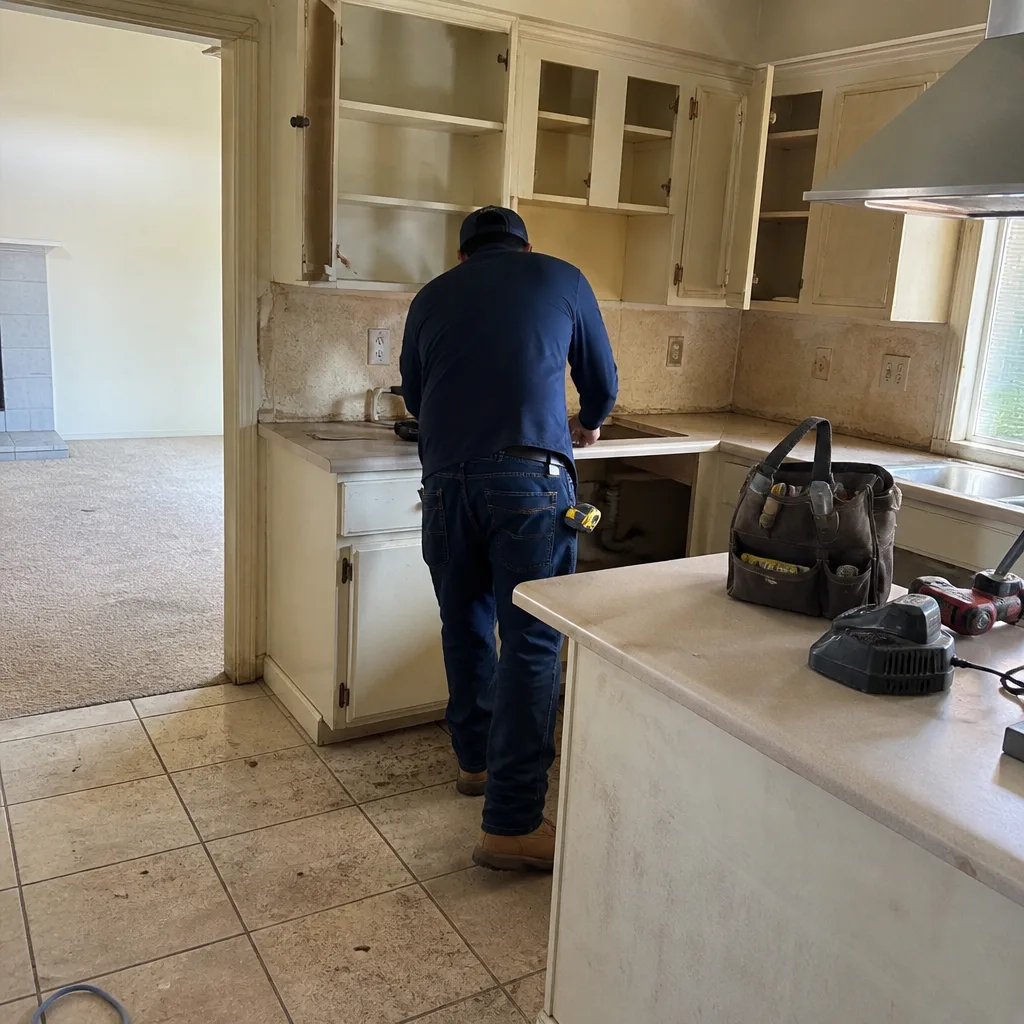 Before
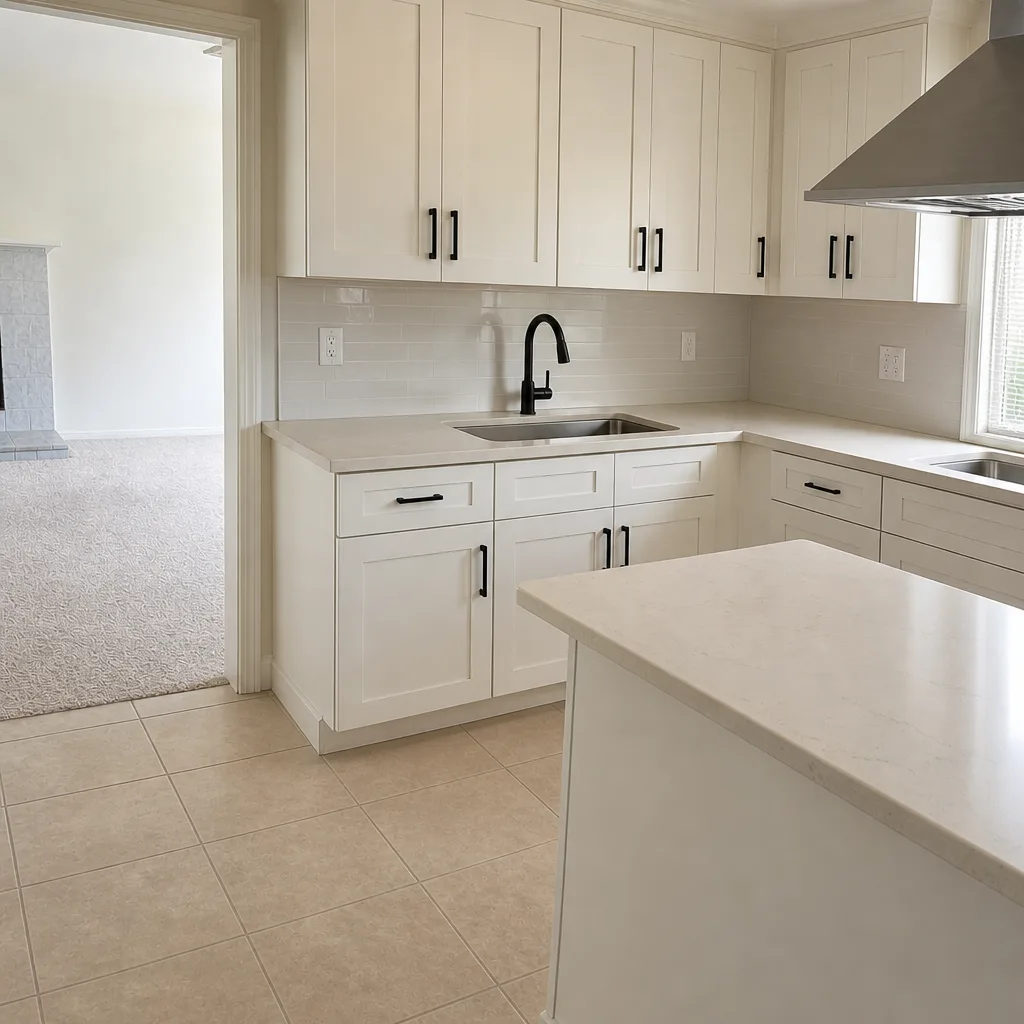 After
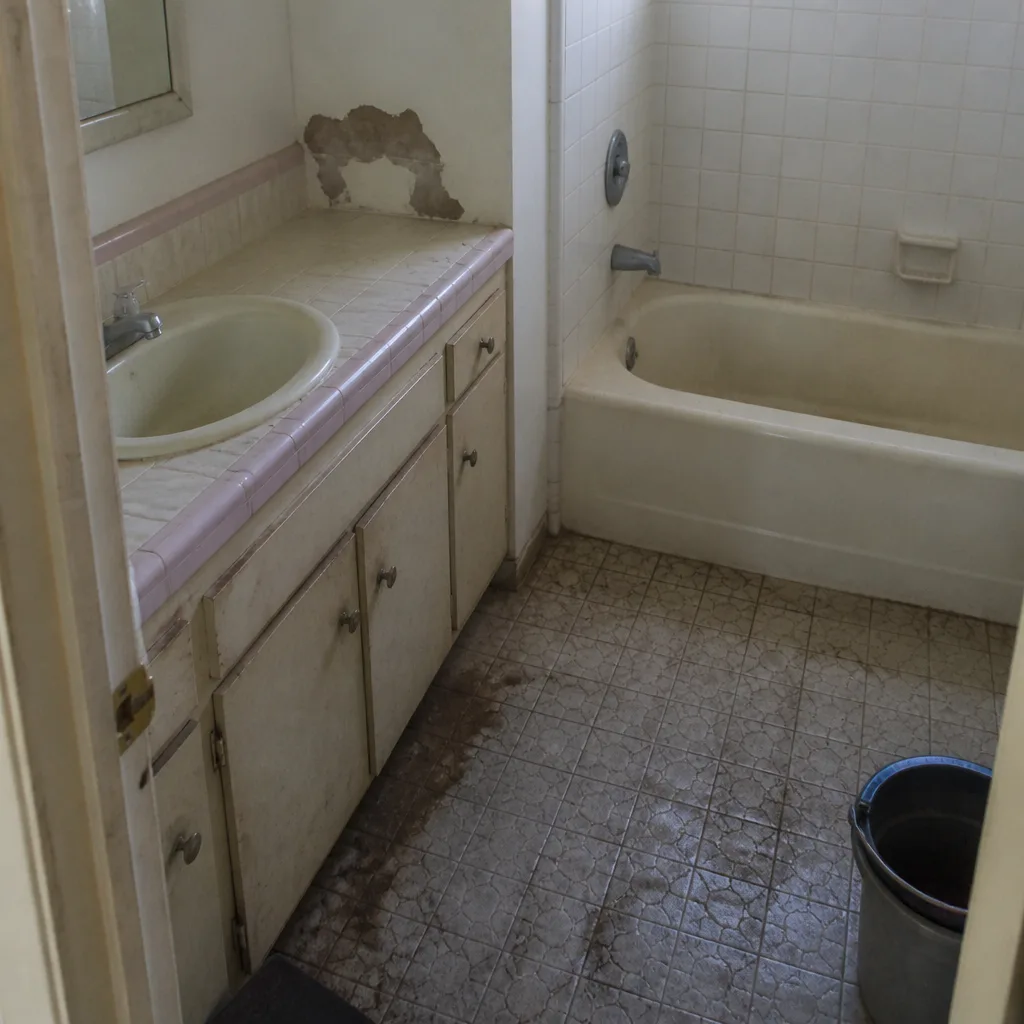 Before
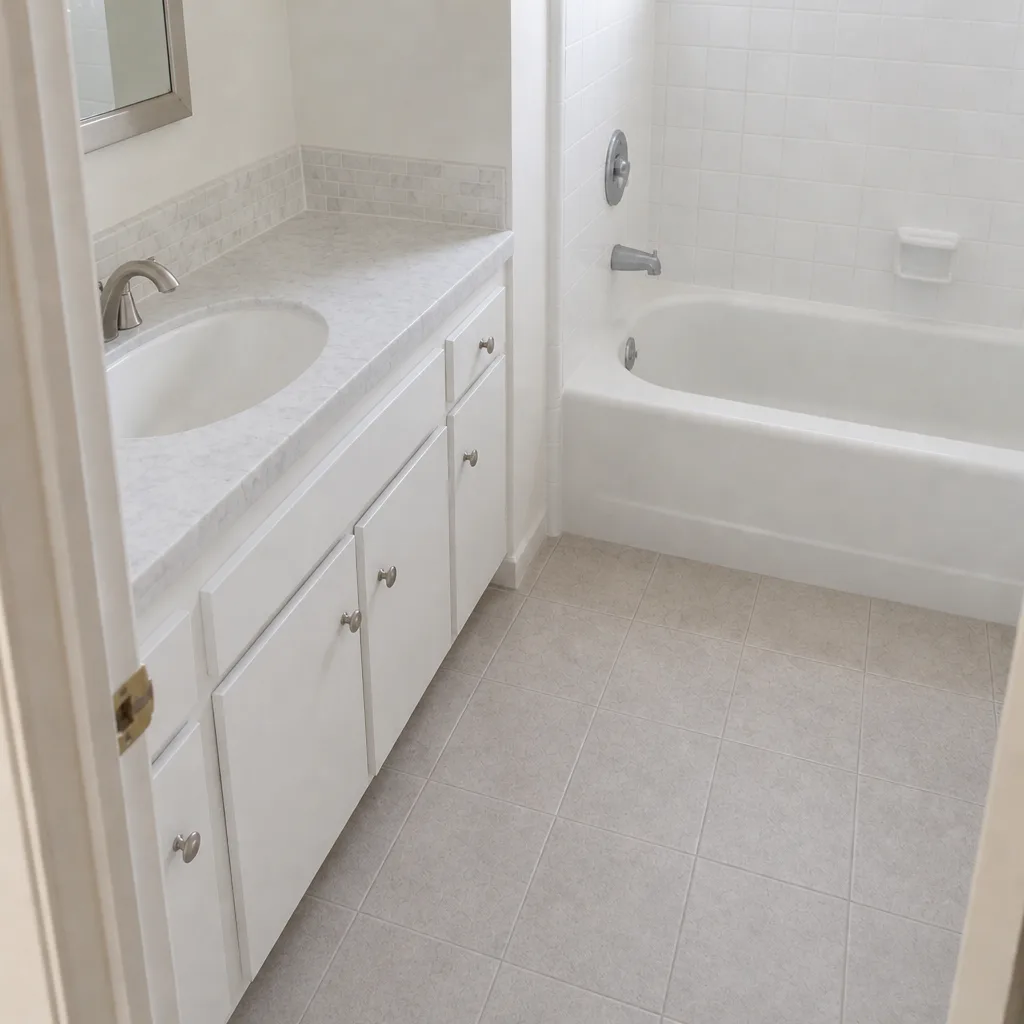 After
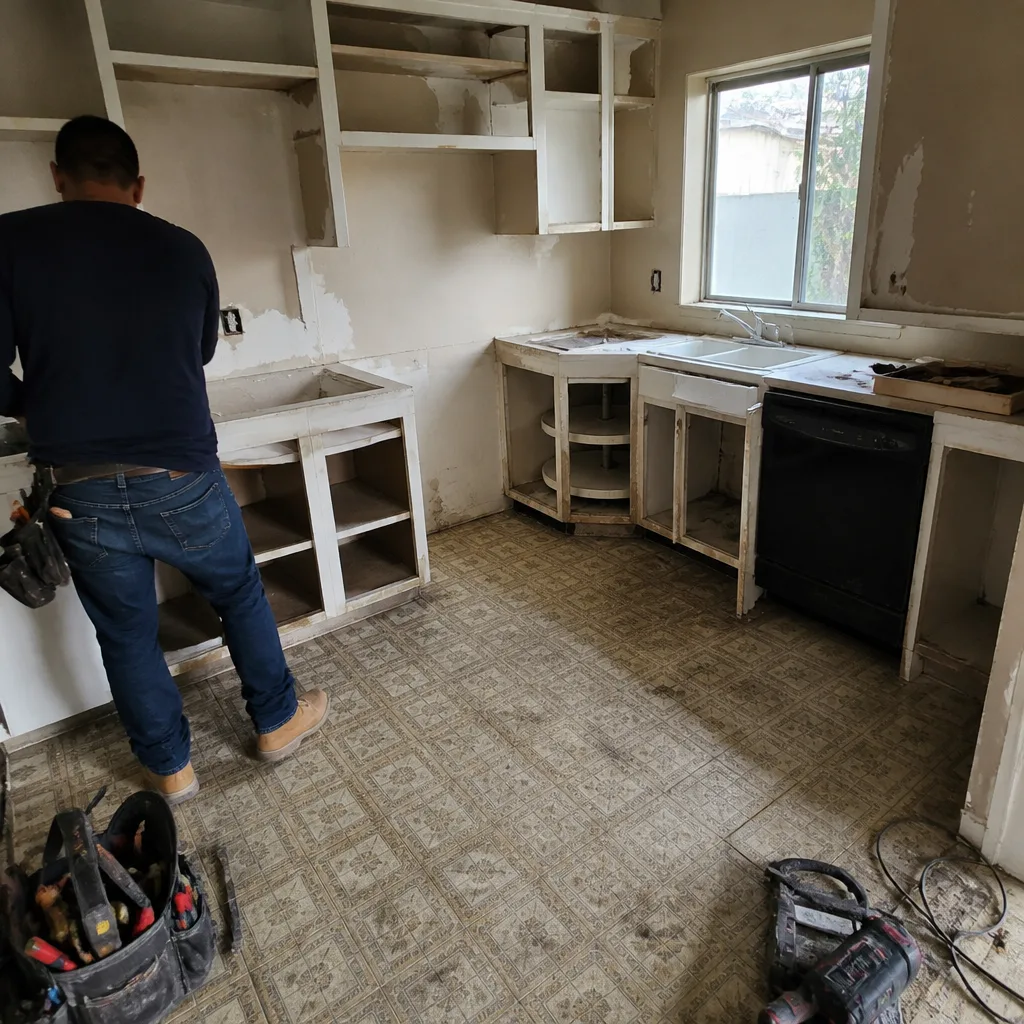 Before
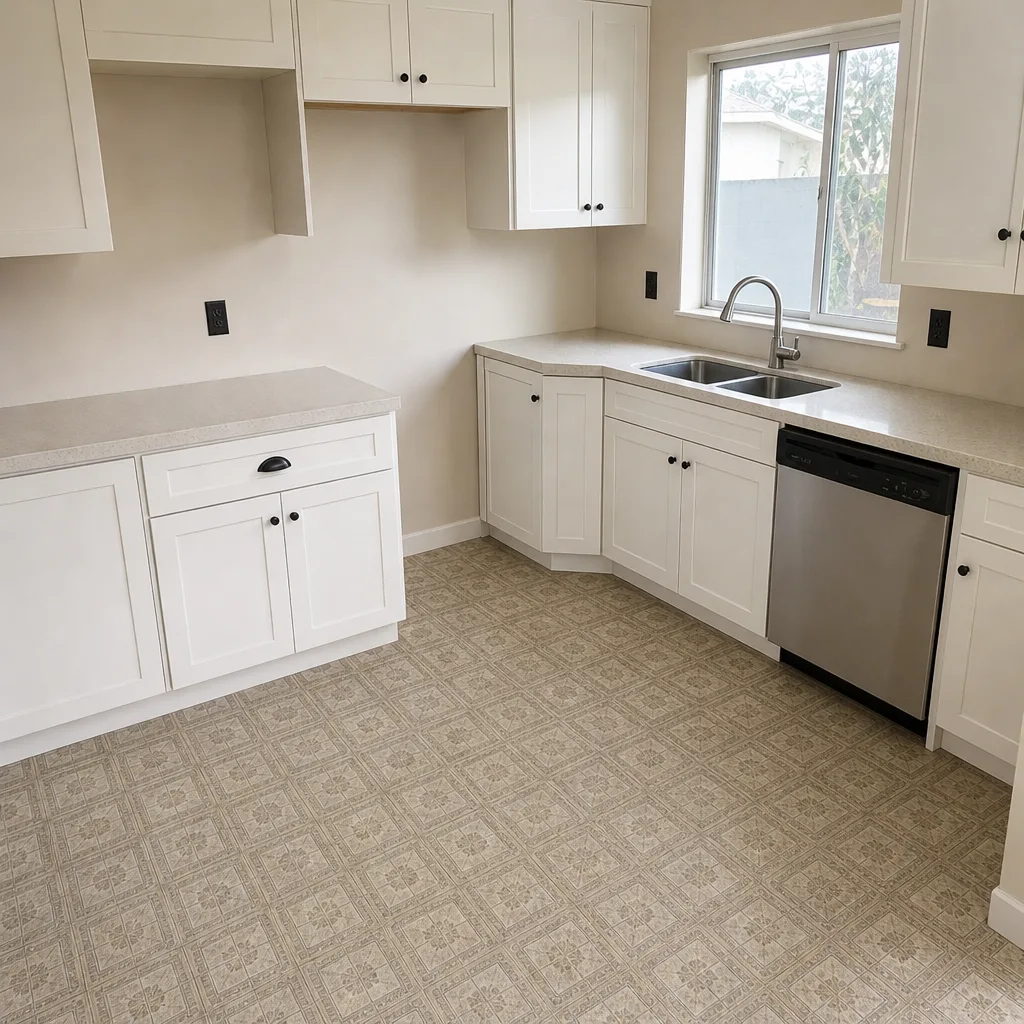 After
Frequently Asked Questions

Yes, in most cases. California allows a homeowner to pull their own permits and work on their own single-family home as an owner-builder. The work still requires permits and inspections, and some tasks like gas lines and electrical panels require a licensed professional by law. Call us for guidance on what your specific project requires.
You need a permit for anything structural, electrical beyond a fixture swap, plumbing beyond a fixture replacement, roofing, kitchen and bath remodels that touch systems or layout, and new water heaters or HVAC units. Cosmetic painting, flooring, and vanity swaps generally don’t. When in doubt, ask the local building department or call us (833) 734-2429 for a free estimate that includes a permit review.
Yes, and it’s one of the most expensive consequences. In California, unpermitted work is a disclosure item at resale. An inspector will find it, an appraiser will flag it, and an insurance adjuster can deny a claim if the work caused the loss. Call us before you start. A free estimate and a permit review will tell you the cost of doing it right versus the cost of an unpermitted job.
Not in all cases, but the common homeowner electrical additions like new circuits and panel work require a permit and, in practice, a licensed electrician. Small swaps of an existing fixture on an existing circuit are typically allowed for a homeowner. The safety and insurance exposure on anything beyond that makes the professional call the better one. Call us (833) 734-2429 to get a straight scope.
Cosmetic work on the same fixtures, same layout, same plumbing does not require a permit. Moving a drain, moving the shower, or adding a shower valve does. If you’re keeping the rough-in, you’re probably fine. If you’re moving it, get the permit and get the inspection. Call us (833) 734-2429 for the exact answer on your layout.
It’s a full-year written guarantee on every completed project: if the work fails inside the guarantee period, we come back and correct it at no charge. The difference with DIY is that when you do the work yourself, the warranty is you, and the call to fix it is to your own calendar. Call us (833) 734-2429 for a free estimate that includes the written price and the guarantee term in writing.
The Bottom Line
The right question about a remodel isn’t “can I do this?” It’s “does this require a permit, and can I afford the resale and insurance exposure if I skip one?” Mission Viejo and Orange County permit most structural, electrical, plumbing, and roofing work. Some of it requires a licensed professional by law. Cosmetic painting, floating floors, and fixture swaps are genuinely safe to take on yourself, and you’ll save real money doing them. The jobs that touch a panel, a gas line, a wall, or a roof should be done by a professional, with the scope, price, and guarantee in writing. That’s the standard we hold ourselves to at Bradford Remodeling Co Mission Viejo.
If you want the real number before you decide, call us at (833) 734-2429 for a free estimate. A written price range and a permit review cost you nothing, and a live person answers the phone every hour of every day.
Written by the team at Bradford Remodeling Co Mission Viejo.